
The Incas created a construction style with cyclopean features, especially visible in the Cusco region. This style was particularly evident in the palaces built for each successor who came to the throne. The remains of these constructions can still be seen in the Cusco palaces described below.
This site used to be the residence of Pachacútec, the Inca emperor who began the expansion of the empire. During his rule, the remodeling of Cusco began, and he also ordered the construction of other famous Inca structures, including control points such as Choquequirao and Machu Picchu, intended to monitor the jungle region. It is no surprise that his palace was one of the most luxurious.
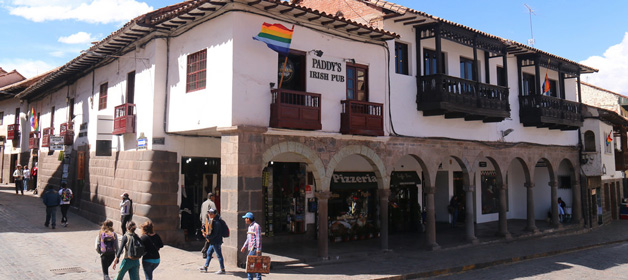
When the Spaniards arrived in Cusco, the former palace of Pachacútec passed into the hands of Francisco Pizarro. This Inca palace was severely destroyed, and today only its foundations remain. At present, hotels, bars, and restaurants can be found in the area.
Location: In the Plaza de Armas itself, specifically along the current Plateros, Procuradores, and Teqseccha streets.
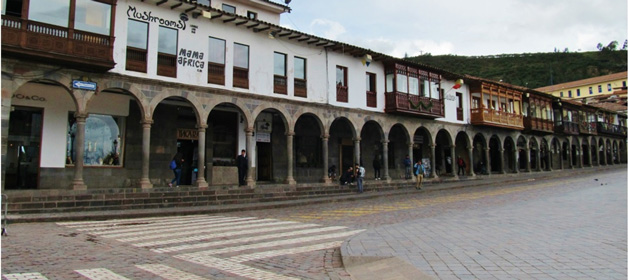
According to chronicles from the period, it was built by order of Inca Roca, the sixth Inca. The destruction of the site was so severe that only the foundations remain. When the Spaniards arrived, Gonzalo Pizarro took possession of this ancient palace. Today, colonial buildings that serve as hotels and bars can be found there.
Location: In the Plaza de Armas itself, specifically in the Portal de Harinas, between Qasana and Procuradores Street.
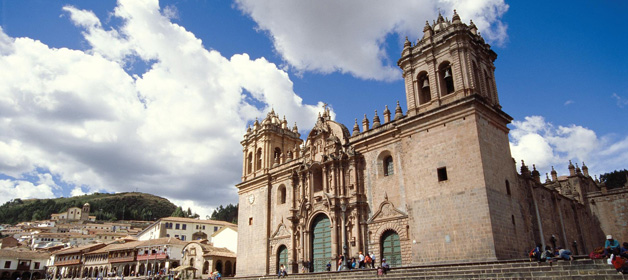
It belonged to Inca Wiracocha, father of Pachacútec, and according to accounts from the period, it was the most sumptuous palace in Cusco. When the Spaniards arrived, this building was donated to the Church. Unfortunately, it was completely demolished to build the Cathedral of Cusco in its place. Today, no visible remains of this Inca structure are left, although part of its foundations can still be found at the base of the cathedral.
Location: In Cusco’s Plaza de Armas. Today, the Cathedral of Cusco stands over this Inca site.
This palace belonged to the first Inca, Manco Cápac, who built it on the hill beside the Saphi River. This Inca palace still preserves some of its original splendor after almost a millennium. The Church of San Cristóbal was later built next to this palace, and the area is also one of Cusco’s viewpoints. Today, part of the terraces and double-jamb niches can still be seen.
Location: In the current San Cristóbal neighborhood, on the way to Sacsayhuamán. It is also very close to the Plaza de Armas.
During the Inca period, this palace belonged to Amaru Inca Yupanqui. Today, colonial houses can be found in its place, built using the ancient Inca walls as their foundations. For example, the Casa Andina Catedral Cusco hotel has one of the original walls of this former palace in its lobby. Today, visitors can explore this site and buy souvenirs.
Location: Today, it borders Triunfo, Santa Catalina Angosta, Santa Catalina Ancha, and Herrajes streets.
This palace, which belonged to Inca Huayna Cápac, was assigned to Hernando Pizarro when the Spaniards arrived. Later, he donated this building to the Jesuit order, which built the Church of the Society of Jesus.
Location: It is located between Maruri, San Agustín, Arequipa, and Santa Catalina Ancha streets.
This palace belonged to Inca Túpac Yupanqui and is located between Maruri and San Agustín streets. It remained relatively well preserved until the mid-19th century, when the owner of the colonial mansion attempted to demolish it completely.
Location: It is located between Maruri, San Agustín, Arequipa, and Santa Catalina Ancha streets.
The Twelve-Angled Stone is one of the most visited tourist spots in Cusco and one of its most iconic photo locations. This stone is found in the walls of the former Inca palace, where the Archbishop’s Palace now stands, which houses the Museum of Religious Art of Cusco.
Location: It is located on Hatun Rumiyoq Street, very close to the Plaza de Armas.
Lloque Yupanqui
Mayta Cápac
Cápac Yupanqui
Huayna Cápac
Huáscar
Atahualpa




Happy passengers