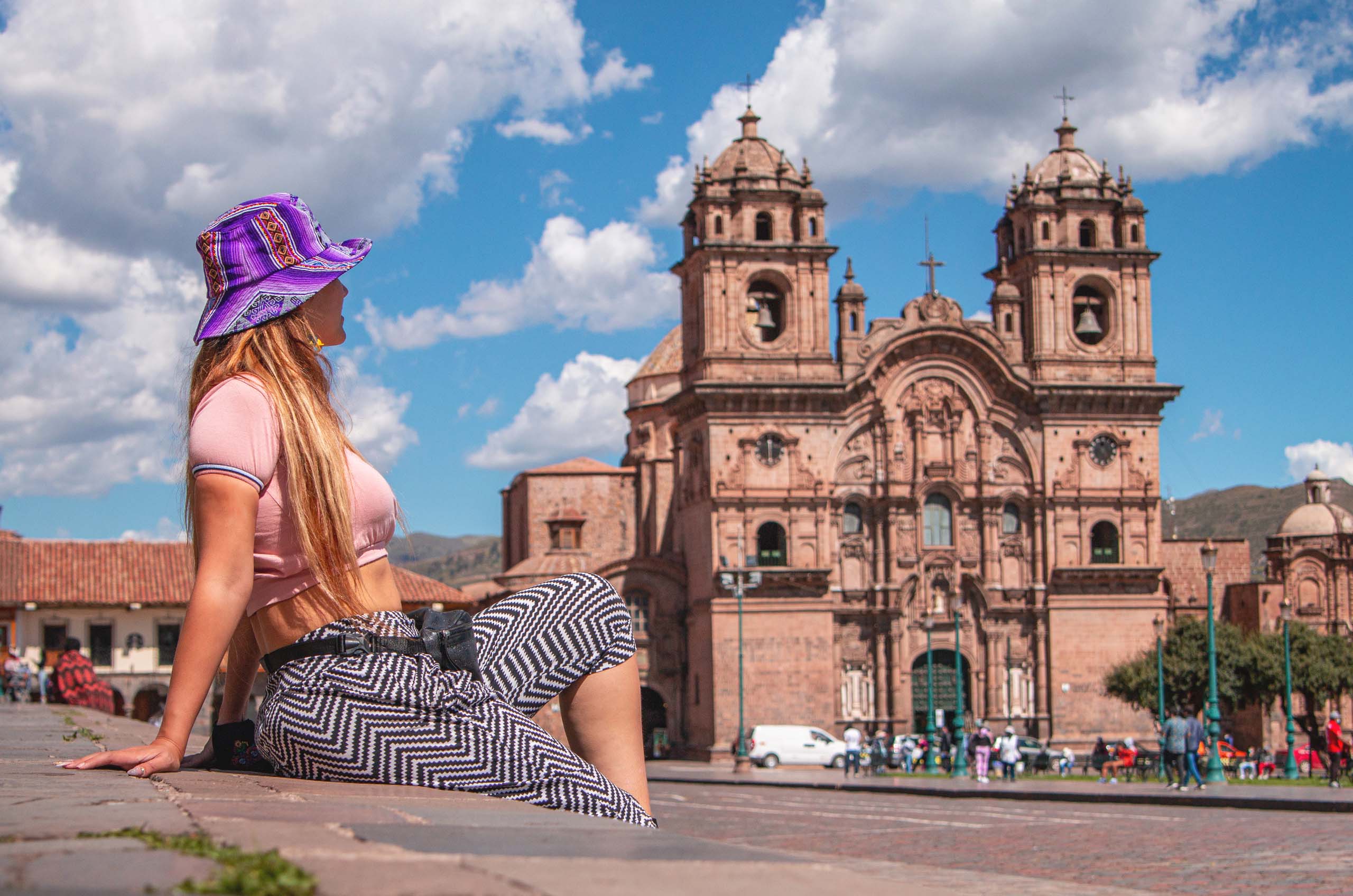
This ticket allows you to visit three religious sites in Cusco’s historic center: the Cathedral, the Church of San Cristóbal, and the Archbishop’s Palace, where a valuable collection of viceregal art, colonial architecture, and the renowned Cusco School is preserved.
At CuscoPeru.com, we invite you to discover colonial churches, works from the Cusco School, and historic spaces that showcase Cusco’s religious tradition through the Tourist Ticket for the Religious Circuit in Cusco.
During the tour, you will be able to visit religious sites with paintings, altarpieces, sculptures, and architectural details of great historical value that reflect the encounter between Andean tradition and the Catholic religion introduced during the colonial period.
What is the Religious Circuit Tourist Ticket?
The Religious Circuit Tourist Ticket, also known as CTR, is an entrance ticket administered by the Archbishopric of Cusco. It allows access to three important religious sites in the city:
This ticket is designed for visitors interested in learning about religious art from the colonial period, especially works linked to the Cusco School. This artistic movement developed during the Viceroyalty and is characterized by the fusion of European, Andean, and religious elements.
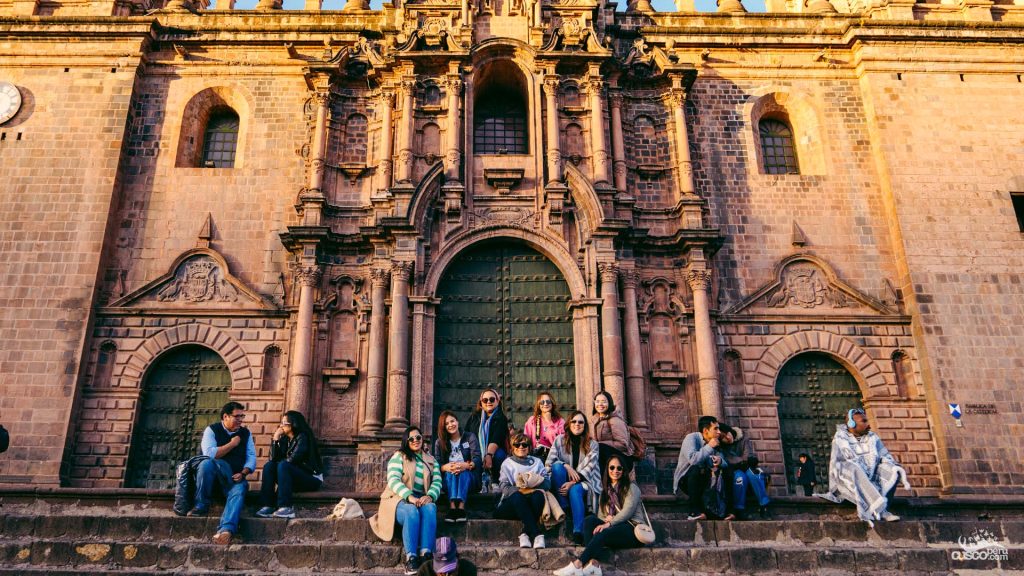
The Basilica Cathedral of Cusco is located in the Main Square and is one of the city’s most important churches. Its construction took place during the colonial period, and it preserves an outstanding collection of religious art, altarpieces, sculptures, altars, and paintings from the Cusco School.
Inside the Cathedral, the main altar stands out as one of the most important pieces in the church. Before publishing exact dates, it is advisable to confirm the information with an updated official source.
The Church of San Cristóbal is located in the upper part of Cusco’s historic center, near the viewpoint of the same name. From this area, visitors can enjoy a panoramic view of the city.
This church is an excellent option for those who wish to combine religious art, history, and urban scenery. From this area, you can observe the historic center from above and better appreciate how its streets, squares, and traditional neighborhoods are organized.
The Archbishop’s Palace, also known as the Museum of Religious Art, is located in a colonial mansion in the historic center. This space preserves paintings, furniture, liturgical elements, and works linked to Cusco’s religious art.
The building stands out because it combines a colonial mansion with ancient Inca walls, a very representative example of Cusco’s architectural history. This allows visitors to clearly see how colonial buildings were built over Inca foundations.
Prices may change, so it is recommended to confirm them at the ticket office before starting the tour.
| Ticket Type | The full ticket includes the 3 religious sites. | Basilica Cathedral of Cusco | Archbishop’s Museum of Cusco | Church of San Cristóbal |
| Foreign adult | S/ 50.00 | S/ 40.00 | S/ 10.00 | S/ 10.00 |
| Peruvian adult | S/ 25.00 | S/ 25.00 | S/ 10.00 | S/ 10.00 |
| Foreign children from 8 to 17 years old | S/ 25.00 | S/ 25.00 | S/ 10.00 | S/ 10.00 |
Important: prices are subject to change. It is recommended to confirm the updated price at the ticket office before starting the tour.
These are the reference visiting hours. They may vary due to masses, ceremonies, maintenance, or special activities.
| Destination | Schedule |
| Basilica Cathedral of Cusco | 10:30 a.m. to 5:00 p.m. (Monday–Sunday) |
| San Cristóbal | 10:00 a.m. to 6:00 p.m. (Monday–Sunday) |
| Archbishop’s Palace | 8:00 a.m. to 7:00 p.m. (Monday–Saturday) |
It is recommended to start the tour in the morning to visit the sites more calmly and have enough time to appreciate the collections.
The ticket is purchased in person at authorized points of sale. In general, it can be purchased on the same day of the visit, but it is recommended to confirm availability at the ticket office.
Children under 8 years old do not pay admission. They must present an identity document proving their age.
To avoid inconveniences, it is recommended to bring cash in soles, an identity document, and ask at the ticket office whether there are any temporary restrictions due to masses, religious ceremonies, restoration work, or special events.
The ticket can be purchased in person at the authorized entry points of the circuit. It is usually sold at the ticket offices of the included sites. Before your visit, it is recommended to confirm the available point of sale, such as the Cathedral, the Archbishop’s Palace, or the Church of San Cristóbal.
Avoid buying tickets from resellers. The safest option is to purchase the ticket directly at the ticket office; a formal agency can guide you regarding schedules, prices, and visiting conditions.
The tour of the three sites can take between 2 and 3 hours, depending on the visitor’s pace and interest in observing the works of art, altarpieces, paintings, and architectural details.
To make the most of your visit, consider going with a specialized guide. They will help you understand the meaning of the artworks, altarpieces, and religious history of each site.
To better enjoy the tour, it is recommended to dress respectfully, as active religious spaces are visited. It is also important to remain silent in prayer areas and respect the instructions of the staff at each site.
In some churches, taking photos or recording videos may be restricted, especially indoors or during religious activities. Before doing so, check with the staff in charge.
Cusco is located at a high altitude, so it is advisable to walk calmly, stay hydrated, and avoid overly rushed tours during your first day in the city.
In addition to the Religious Circuit of the historic center, there are other routes that allow visitors to discover churches, convents, and artistic expressions linked to colonial art and Andean Baroque.
The Andean Baroque Circuit or Route is a cultural and religious route located in Cusco’s southern corridor. According to PromPerú, some points along this route are located in the southern corridor of Cusco, several kilometers from the city. It is advisable to confirm the exact distance depending on the church to be visited. These sites mainly date from the 17th and 18th centuries.
This route includes:
In these spaces, visitors can observe murals, altarpieces, canvases, carvings, and decorations that show the richness of Andean Baroque. The route helps visitors understand how colonial religious art incorporated local elements, Andean symbols, and visual resources used during evangelization.
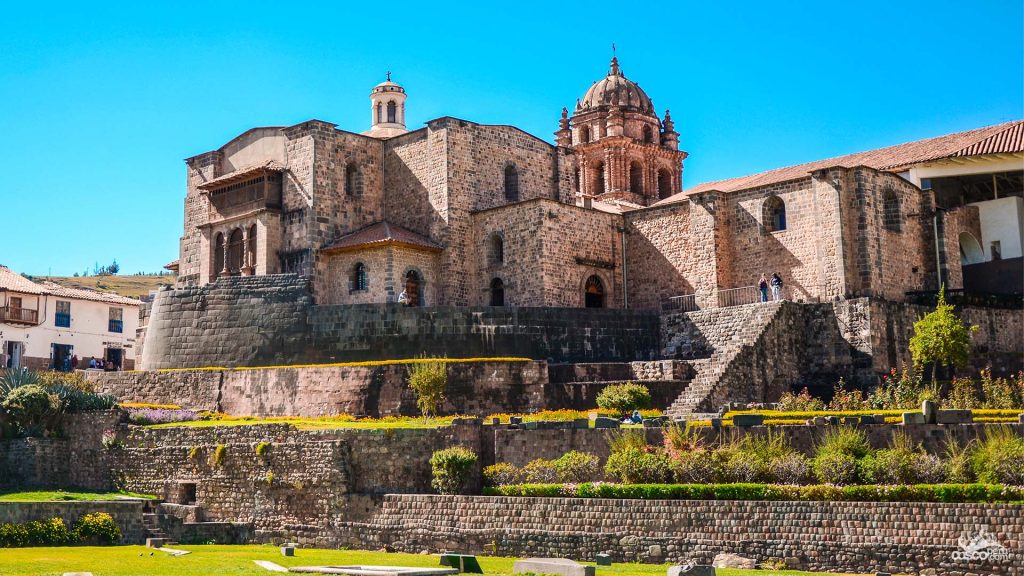
The Church and Convent of Santo Domingo is another of Cusco’s most important religious attractions. It was built over the ancient Qorikancha, considered one of the main temples of the Inca world and dedicated to the Sun.
This place clearly represents Cusco’s architectural blending: a colonial religious construction was built over Inca walls. For this reason, it is one of the most visited spaces for those who want to understand the historical transformation of the city after the arrival of the Spaniards.
Would you like to discover Cusco’s spiritual side? Join our Religious Tour and visit the Cathedral, the Church of San Cristóbal, and the Archbishop’s Palace. Discover the art of the Cusco School and the living history of Andean faith. [learn more here]

Pasajeros felices