

The Inca Trail is part of a network of stone-built roads, along with observation towers located high in the mountains, small villages, agricultural terraces, and other archaeological complexes, all built with lithic material, or stone.
The Inca Trail is part of the Qhapaq Ñan, an extensive Andean road network with more than 30,000 kilometers. Some of its routes have become trekking experiences for travelers.
The famous Inca Trail to Machu Picchu is a world-renowned trekking route; it is recommended to book several months in advance.
This route crosses archaeological sites of great historical and scenic value, such as Wiñayhuayna.
This route is one of the best-known after the Inca Trail to Machu Picchu. Lasting 5 days, it crosses spectacular landscapes along its 60 kilometers until reaching the Inca city of Machu Picchu.
Many travelers who have already experienced this route say that the experience was even better than they expected from the Inca Trail, as this hike offers a longer and more challenging route. Inca Trail operators have adapted this route to ensure a good experience.
Choquequirao, known as “the younger sister of Machu Picchu,” is a fortress located in a remote area of the Peruvian Andes, and this is precisely what makes its route ideal for trekking.
This tour lasts an average of nine to ten days, during which travelers explore the citadel of Choquequirao and finish in the town of Aguas Calientes before going up to the Inca citadel.
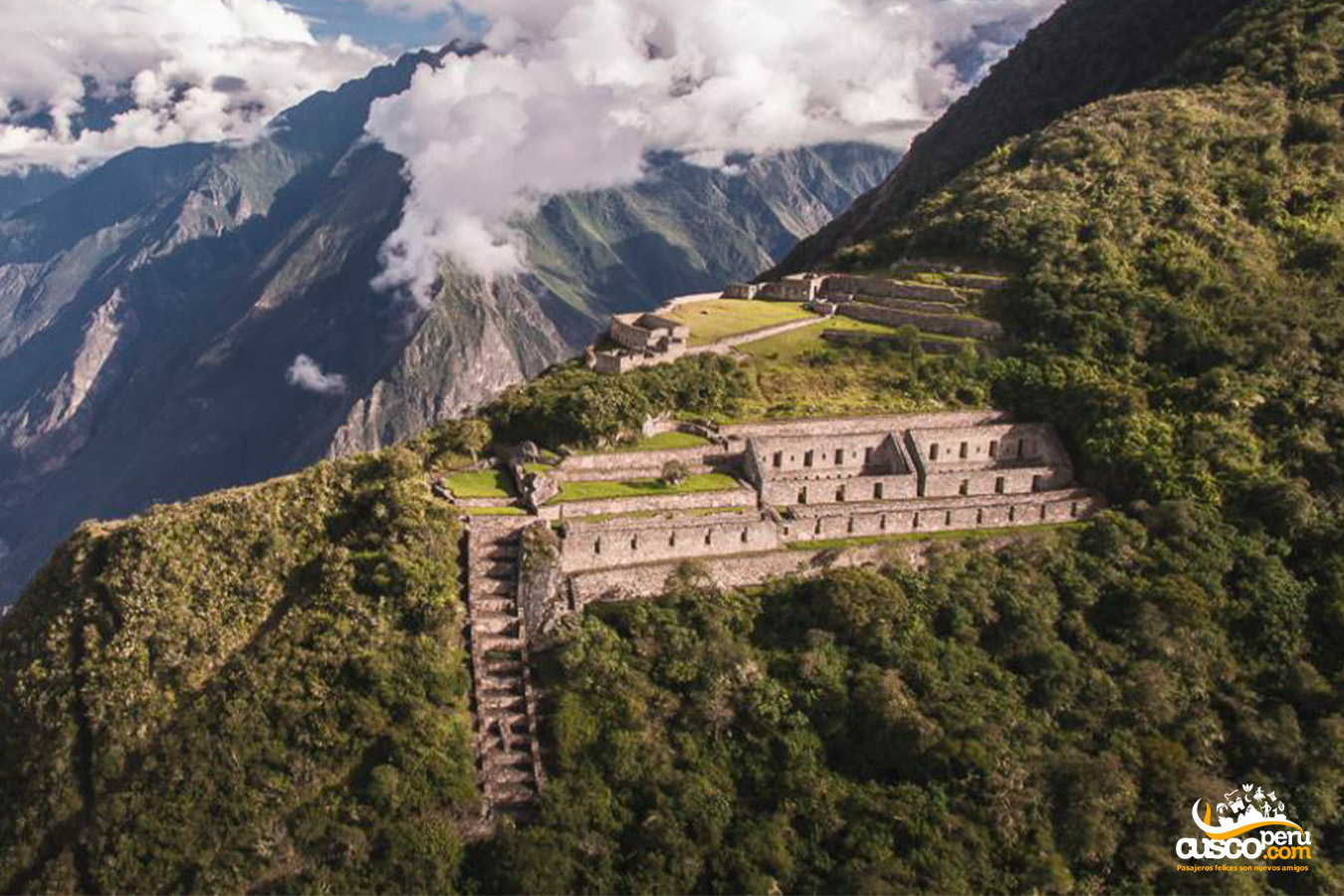
This route follows an ancient path used by the Incas, surrounded by valleys, rivers, lagoons, and waterfalls. It is one of the best ways to discover the geography of the Andes.
Crossing the Lares Valley to Machu Picchu takes approximately four to five days.
The conservation of the Inca Trail is crucial. Through maintenance and environmental education programs, these ancient paths are protected from erosion and degradation. Responsible tourism is also promoted, encouraging respect for the environment and local culture.
With the active participation of authorities, communities, visitors, and Inca Trail operators, future generations are guaranteed the opportunity to enjoy the majesty of these ancestral roads.

Happy passengers