Our South Valley tour offers a unique travel experience, blending culture and nature.
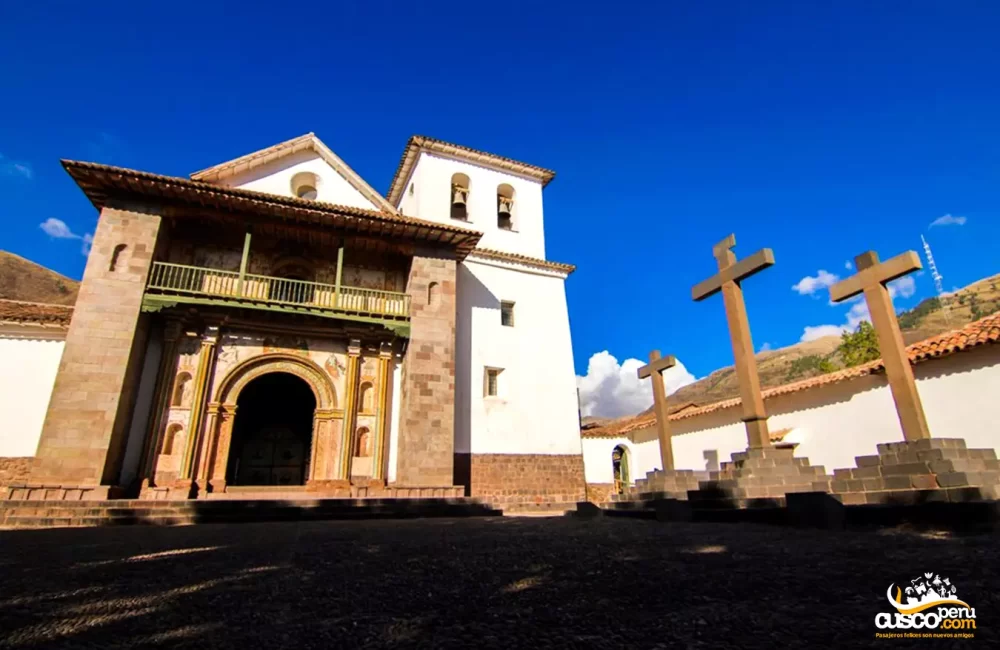
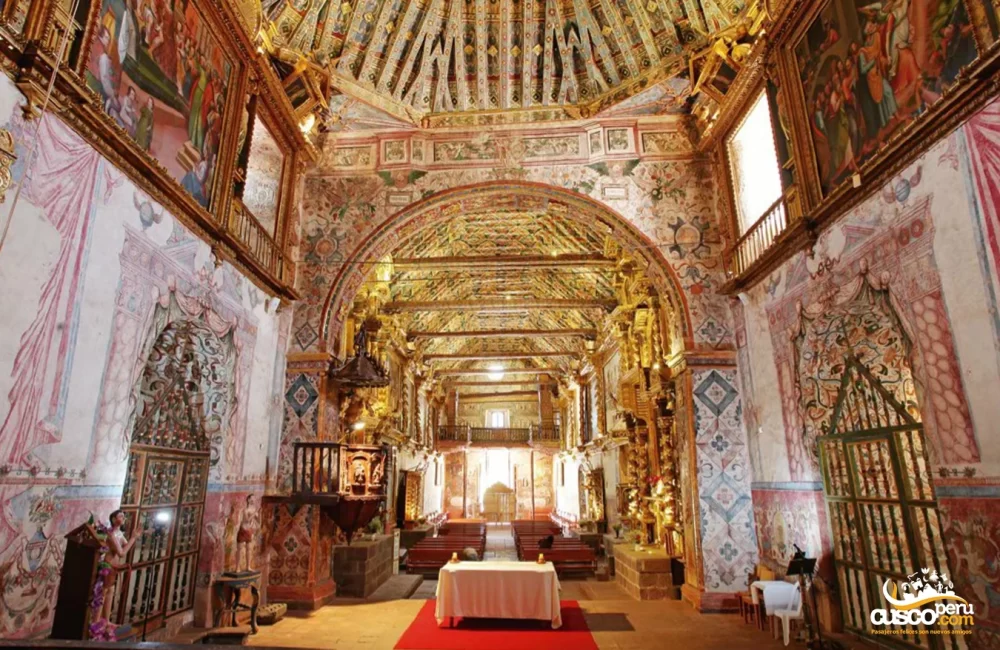
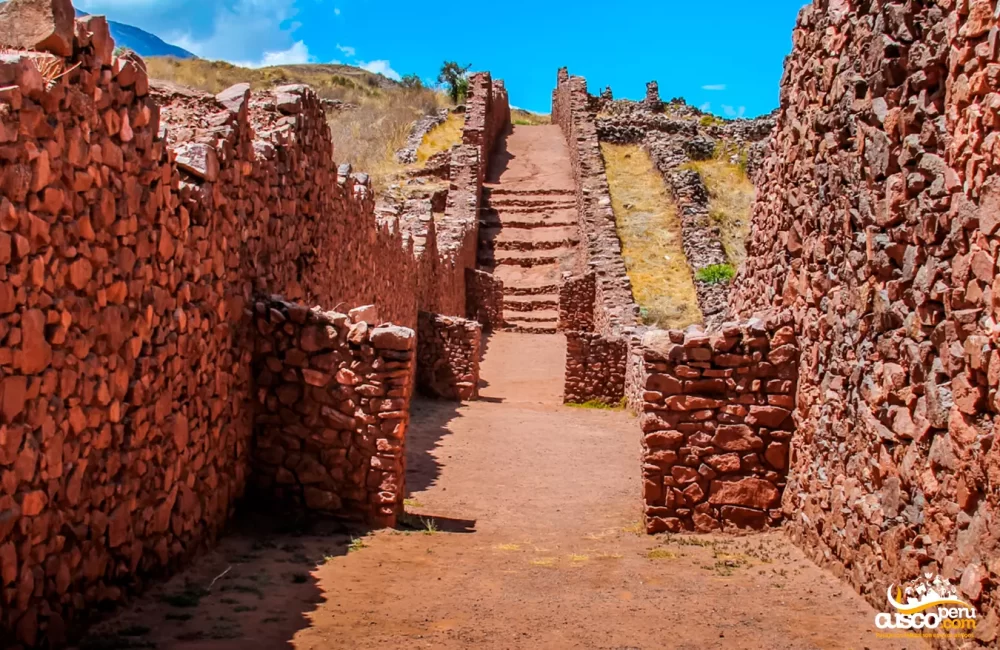
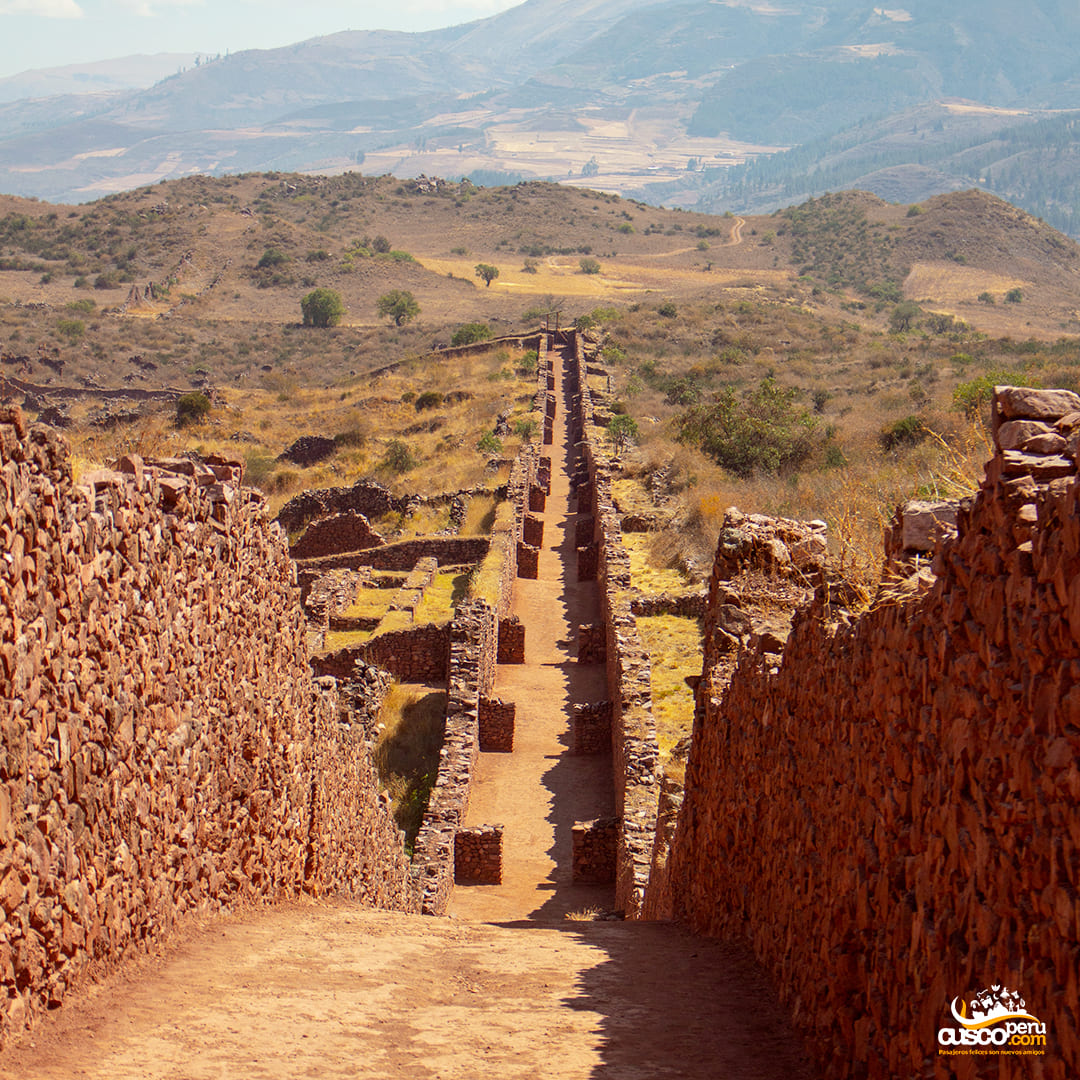
In the South Valley, you’ll discover how the Incas mastered hydraulic engineering. You’ll visit Pikillaqta and learn about the enigmatic Wari culture. Finally, you’ll see the Andahuaylillas Church, known as the “Sistine Chapel of the Americas,” home to some of the finest colonial religious art.
Enjoy the landscapes and local culture as you explore Cusco’s South Valley.

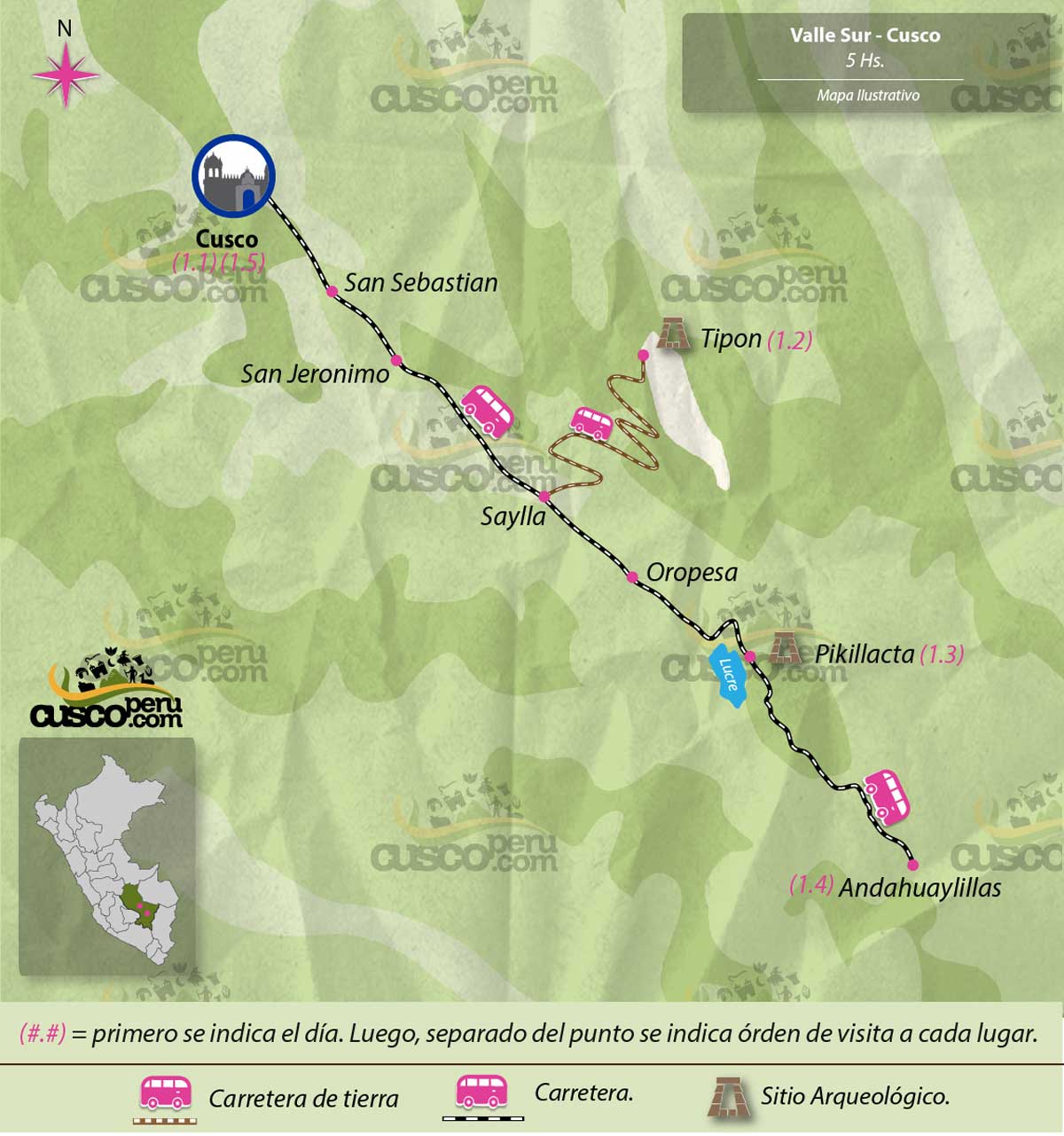
This 1-day South Valley excursion in Cusco is an experience you can’t miss. It lasts about 5 hours. On this tour, you’ll explore the southern part of Cusco, where you’ll find ancient sites such as Tipón and Pikillaqta.
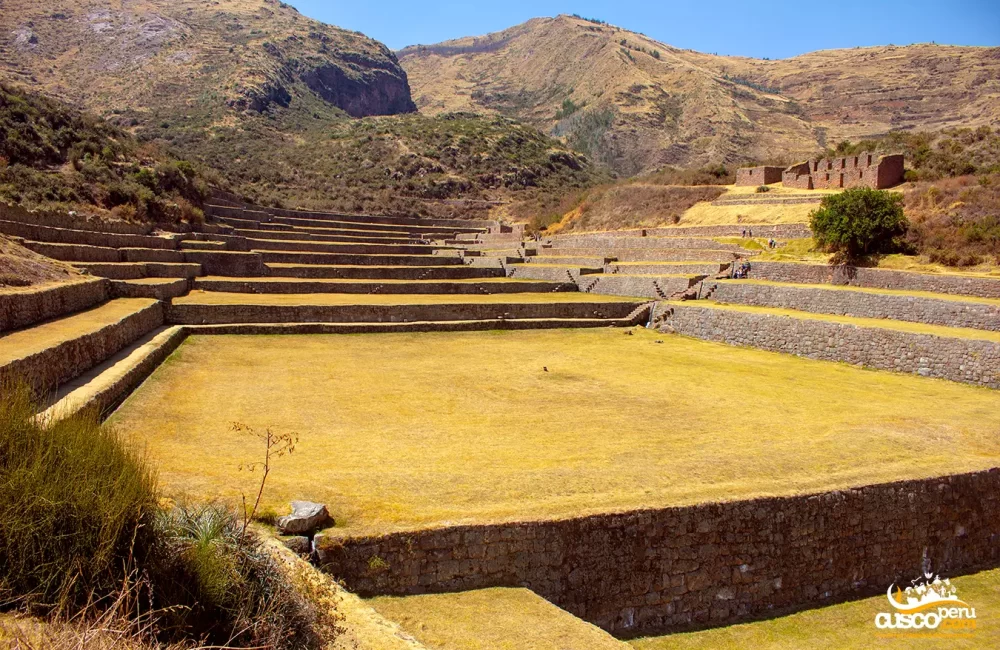
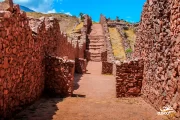
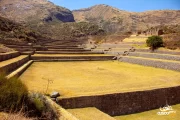
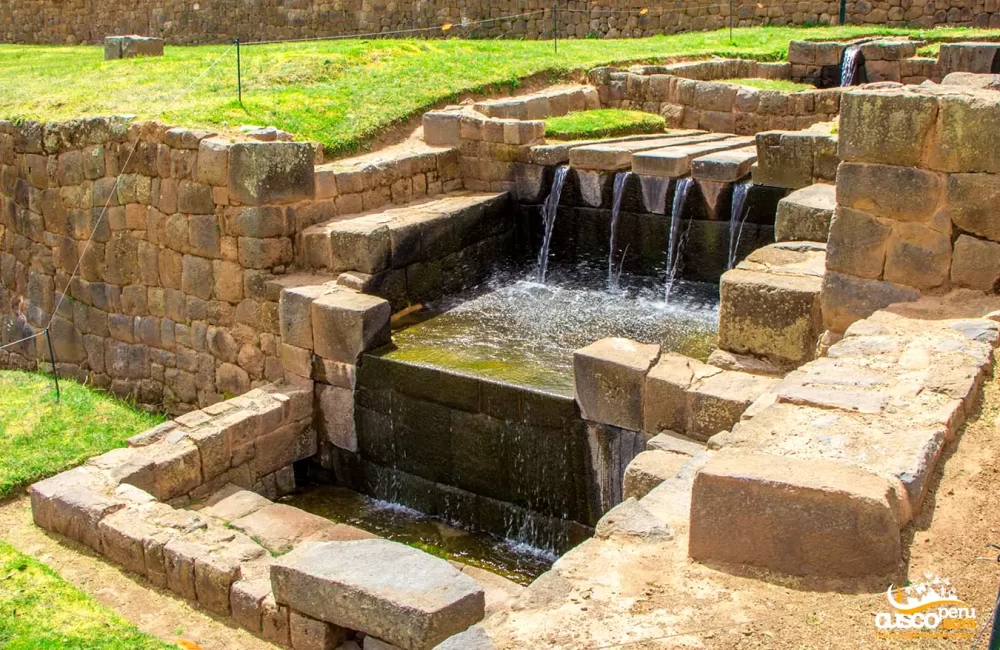
Our transportation will pick you up from your hotel at around 9:00 a.m. Then you’ll begin a 40-minute drive to the southwest until you reach Tipón, known for its agricultural terraces, irrigation systems, and Inca architecture, and considered part of the Qhapaq Ñan route.
Next, you’ll head to the district of Pikillaqta, considered one of the most famous and best-preserved pre-Inca cities in Peru. You’ll finish the tour with a visit to the Sistine Chapel of the Americas in Andahuaylillas, a monumental heritage site with impressive works of art.
Finally, you’ll return to your hotel in the city of Cusco, where the tour ends at around 2:30 p.m.
INCLUDES:
DOES NOT INCLUDE:
RECOMMENDATIONS:
The tour begins with pick-up from your hotel at 9:00 a.m., followed by a 40-minute drive southwest of the city of Cusco. Your first stop will be Tipón, located about 25 km from the city.
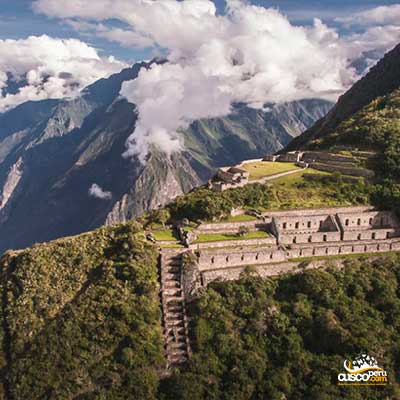
This archaeological site is also known as the “Temple of Water.” It features a complex of agricultural terraces, long stairways, and stone-carved water channels—an impressive feat of hydraulic engineering. In addition, its thirteen terraces are surrounded by perfectly polished stone walls. The main highlights are the royal enclosures, where water was worshipped.
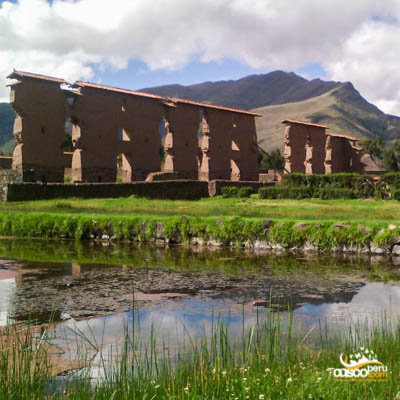
Next, you’ll visit the Pikillacta Archaeological Center, known as one of the best-preserved cities from the pre-Inca period, belonging to the Wari culture. It covers an area of approximately 50 hectares. The name Pikillacta comes from two Quechua words: piki (small or flea) and llacta (town), and it can be translated as “Town of Fleas” or “Small Town.”
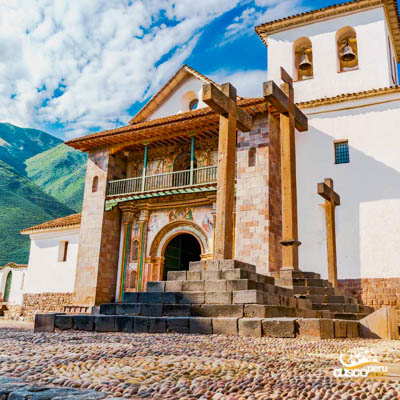
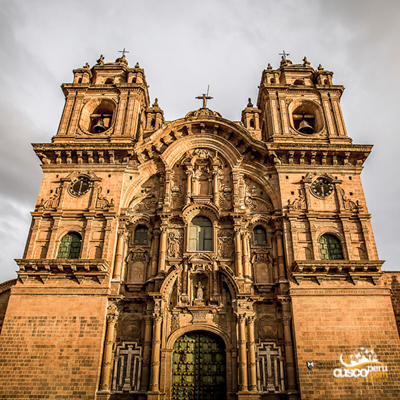
As your final stop, you’ll visit the traditional town of Andahuaylillas, located about 36 km from the city of Cusco. Here you’ll tour the incredible Sistine Chapel of the Americas, which amazes visitors with its woodwork, paintings, and colonial decorations that cover everything from floor to ceiling—showcasing the artistry of Cusco’s people.
This temple is especially striking because, in its baptistery, the archway at the entrance bears the inscription “I baptize you in the name of the Father, the Son, and the Holy Spirit, Amen,” written in Latin, Spanish, Quechua, Aymara, and Puquina.
Finally, you’ll return to the city of Cusco, where the tour ends at around 2:30 p.m.
INCLUDES:
DOES NOT INCLUDE:
RECOMMENDATIONS:
Tour to the South Valley of Cusco 5H
Entrance to all tourist sites
Group guided
Tour to the South Valley of Cusco 5H
Entrance to all tourist sites
Private guided
To start your reservation process please send us the following information:




As condições climáticas variam dependendo das cidades e da estação do ano em que você decide fazer sua viagem, a altura, a água, a troca de moeda, a voltagem elétrica e muitos outros dados a serem preparados. Esta informação irá ajudá-lo a organizar a sua viagem e aproveitar a sua estadia sem preocupações.
Pela geografia de Perú o clima é variado pelo que lhe recomendamos consultar especificamente sobre a situação climática dos lugares que vai visitar e as datas que vai realizar a viagem.
A hora peruana é GMT-5 horas e é a mesma que a hora normal da zona Este dos Estados Unidos de América.
Os cidadãos da maior parte dos países de América e Europa Ocidental não requerem de visa para visitar o Peru.
Se você é de outro pais lhe recomendamos aproximar-se ao consulado peruano em seu Pais para obter mais Informação.
A moeda oficial de Peru é o “Sol” (S/.) Dividido em 100 cêntimos. Circula em moedas de 0.10, 0.20 e 0.50 cêntimos; e de 1, 2 e 5 Soles. E em bilhetes temos de 10, 20, 50, 100 e 200 Soles.
A voltagem elétrica é de 220 volts, tem uma frequência de 60 hertz e as tomadas elétricas geralmente utilizados são de tipo A, B e C.



Happy passengers