Table of Contents
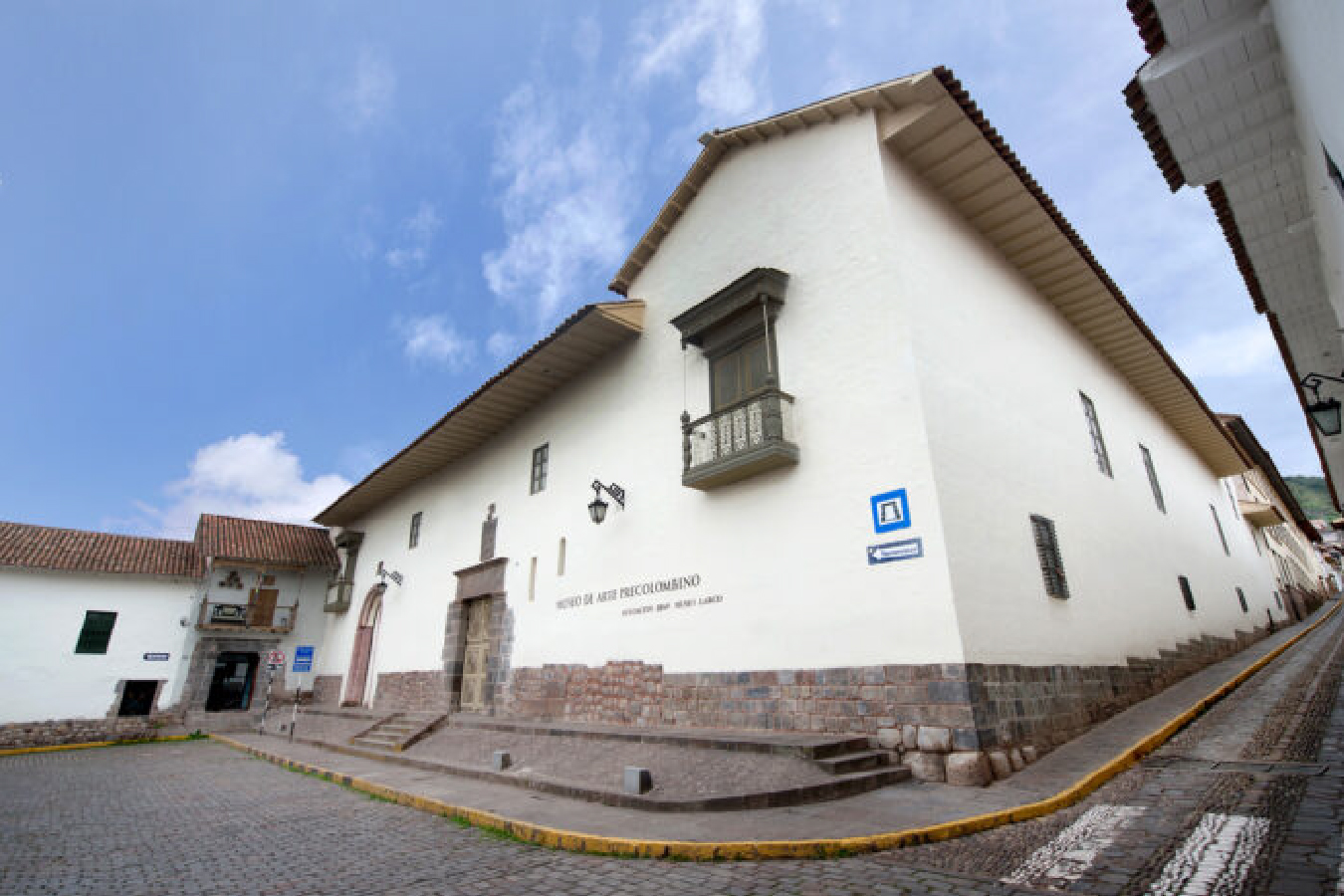
Casa Cabrera, the current home of the Museum of Pre-Columbian Art - MAP Cusco, is located in Plaza de las Nazarenas, very close to Cusco’s Main Square. According to studies cited by the museum, the space where the mansion now stands may have functioned during the Inca period as a yachaywasi, a school intended for the education of the children of the nobility.
After the Spanish foundation of Cusco, the plot was granted to Don Alonso Díaz. In 1558, the mansion was converted into the Monastery of Santa Clara. Later, in the 17th century, the property came into the possession of Don Gerónimo Luis de Cabrera de la Cerda, whose noble coat of arms is still preserved on the stone entrance.
In 1981, Banco Continental acquired the property to restore it and turn it into a cultural venue. Finally, in 2003, the BBVA Peru Foundation, in alliance with the Larco Museum in Lima, inaugurated the current Museum of Pre-Columbian Art - MAP Cusco there.
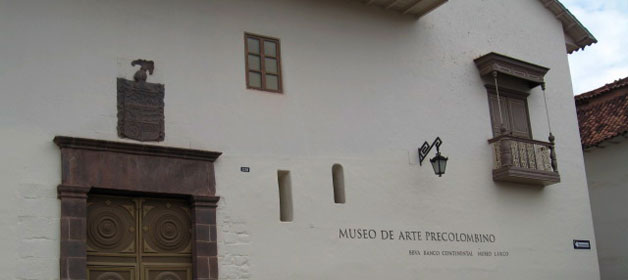
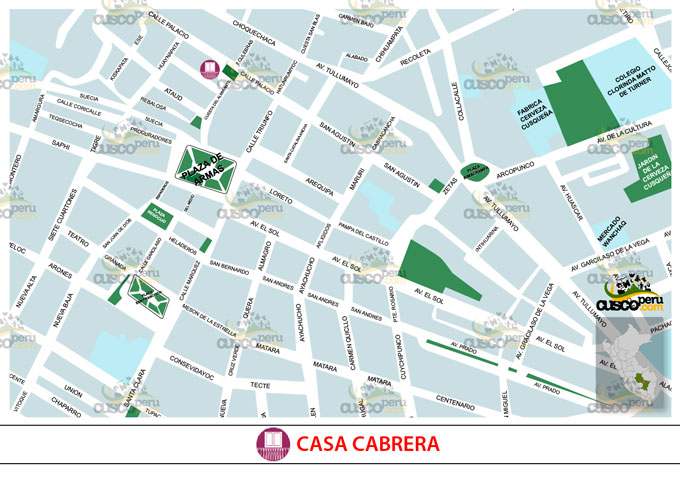
It is located at Plaza de las Nazarenas 231, in the historic center of Cusco, just a few minutes on foot from the Main Square.
Through modern museography, MAP Cusco exhibits 403 pre-Columbian and Inca pieces from the collection of the Larco Museum in Lima, selected for their aesthetic value. The exhibition brings together objects made of stone, clay, wood, marine shells, and metals, distributed across ten rooms.
In the different rooms, visitors can discover objects from various pre-Columbian cultures.
The Origins Room: a space that shows how the first inhabitants began to organize themselves to live in the Peruvian territory. Among their works, they left stone objects and ceramic pieces linked to cultures such as Paracas and Virú.
Wood Room: in this room, visitors can appreciate carved wooden works with ancestral representations of great value. These pieces were used to create oars, containers, benches, and other objects, including those belonging to the Chimú culture.
Shells Room: this section features pieces made of shell or bone, intended to preserve or reproduce mythical stories. Access to shells from distant warm seas is evidence of long-distance exchange networks and alliances.
Silver Room: this room allows visitors to learn about the symbolic value of silver, used to make ceremonial vessels, silver ear ornaments, and spiral-shaped nose ornaments worn by leaders and high-ranking figures.
Gold Room: gold held great importance within the Andean worldview, especially for its ceremonial and symbolic value. This room exhibits pieces that help visitors understand the role they played within their cultural context.
The South Room: this room presents the Paracas and Nazca cultures, which developed on the southern coast of Peru. Here, visitors can observe some of their most representative ceramic works.
The North Room: the Moche people lived on the northern coast of Peru and were recognized for their great mastery of ceramics and metalwork.
The Center Room: this space displays ceramic pieces from the Wari State, located in the southern highlands of Peru. This culture expanded through ideological influence, alliances, and military strengthening.
Before the Incas Room: before the consolidation of the largest empire of ancient Peru, the Chimú State, recognized for its black ceramics, was located on the north-central coast. On the central coast, the Chancay State developed and stood out for its white ceramics.
The Incas Room: this room presents artistic objects belonging to the Inca period, one of the most important stages in Andean history. This civilization left a great historical legacy and had Cusco as its main political, religious, and administrative center.
Opening hours: Monday to Sunday, from 8:00 a.m. to 10:00 p.m.
Prices or rates:
General admission: S/ 20.00.
Students: S/ 10.00.
Opening hours may vary, so it is recommended to check the official MAP Cusco channels before your visit.
*Admission is not included in the Cusco Tourist Ticket.

Happy passengers