
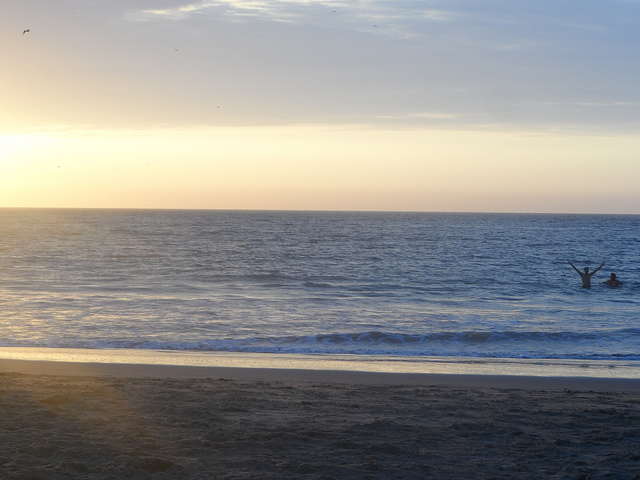
Máncora is a coastal town and the capital of the district of the same name, in Talara Province, Piura Region. It is one of the best-known beach destinations in northern Peru because of its surfing conditions, range of accommodations and restaurants, and location along the overland route connecting Piura, Tumbes and Ecuador.
The atmosphere varies depending on the area. The town center has the highest concentration of shops, restaurants, surf schools and nightlife venues, while the areas toward Las Pocitas mainly feature hotels, beach houses and places with less commercial activity.

Máncora is located in:
Máncora District, Talara Province, Piura Region.
It is located beside the Pan-American Highway North, approximately:
Distances and travel times may vary depending on the exact departure point, traffic, roadworks and vehicle stops.
From Piura
From the city of Piura, travel north along the Pan-American Highway. The distance recorded by Peru’s Ministry of Foreign Trade and Tourism is approximately 190 km, with an estimated bus journey of three and a half hours.
From Talara
Talara is located approximately 73 km from Máncora. The recorded public transportation time is close to one hour and fifty minutes, although it may vary depending on the number of stops.
Capitán FAP Víctor Montes Arias Airport is located in Talara. Before choosing this route, travelers should confirm available flights and arrange ground transportation to Máncora.
From Tumbes
The driving distance from the city of Tumbes is approximately 106 km. The estimated bus journey takes around two hours.
The main beach is located in front of the town center and has a significant concentration of tourist services. The surrounding area includes accommodations, restaurants, shops, equipment rental services and surf schools.
Peru’s Ministry of Foreign Trade and Tourism lists activities such as:
The availability of each activity depends on the wind, waves, tides and the service providers operating at the time.
The beach should not be presented as safe for swimming at all times. Currents and wave conditions may vary, so visitors must respect warning flags, signs and lifeguard instructions.
Máncora can be visited throughout the year, but the most suitable period depends on the purpose of the trip.
From December to March
These months generally have the highest temperatures and a greater number of visitors during the holiday season. The possibility of rainfall along the northern coast also increases, especially during events associated with the El Niño phenomenon.
Before traveling, visitors should check Senamhi advisories and the condition of the Pan-American Highway. Senamhi provides updated forecasts and alerts for the Piura Region.
From April to June
Rainfall generally decreases, and there may be fewer tourists than during the summer season. Sea conditions should be checked daily.
From July to October
This is the main season for humpback whale watching. Nights may feel cooler, and some days may be cloudy and windy.
November
This is a transitional month leading into the warmer season. It may be a suitable alternative before the higher number of visitors in December and January.
Use sunscreen, wear a hat and carry drinking water. Solar radiation can be intense even on cloudy days.
Check wave conditions before swimming or participating in water sports. Do not enter the sea in areas marked as dangerous.
During the rainy season, avoid crossing ravines, riverbeds or flooded roads.
Carry some cash in Peruvian soles. Although many hotels and restaurants accept cards, connectivity may fail in small businesses or services located away from the town center.
Book boat excursions and surf lessons only with identified service providers that supply appropriate safety equipment.
Avoid purchasing souvenirs made from coral, turtle shells or other protected species.

Happy passengers