
Do not forget your documents, as they are essential for your trip, such as your passport, and check whether you need a visa depending on your country of origin. We also recommend carrying a copy of your important documents and travel insurance.
The Inca Trail to Machu Picchu is a demanding route, but most travelers, nature lovers, and adventure seekers truly enjoy it. It is not an easy hike, especially for those who are not used to regular exercise or physical effort. In some sections, the Inca Trail exceeds 4,000 meters above sea level, so certain precautions should be taken.
The essential documents for your trip are your passport, identity document, and especially the document used to make the tour reservation.
The luggage you bring will depend on how long you stay in Cusco. In addition to this luggage, it is recommended to carry a small bag or backpack so you can bring your belongings with you each day.
In your daypack, you can carry the basic items you will need during the day, such as your identity documents, cash in Peruvian soles, personal hygiene items if necessary, water, and other essentials.
The size of the backpack may vary, but ideally it should be between 20 and 30 L, small and lightweight, to make your excursions more comfortable.
The porter bag is the bag where each traveler’s belongings are carried, including everything needed for the 4-day Inca Trail. This bag must weigh a maximum of 7 kg. These bags are carried by the porters throughout the entire route.
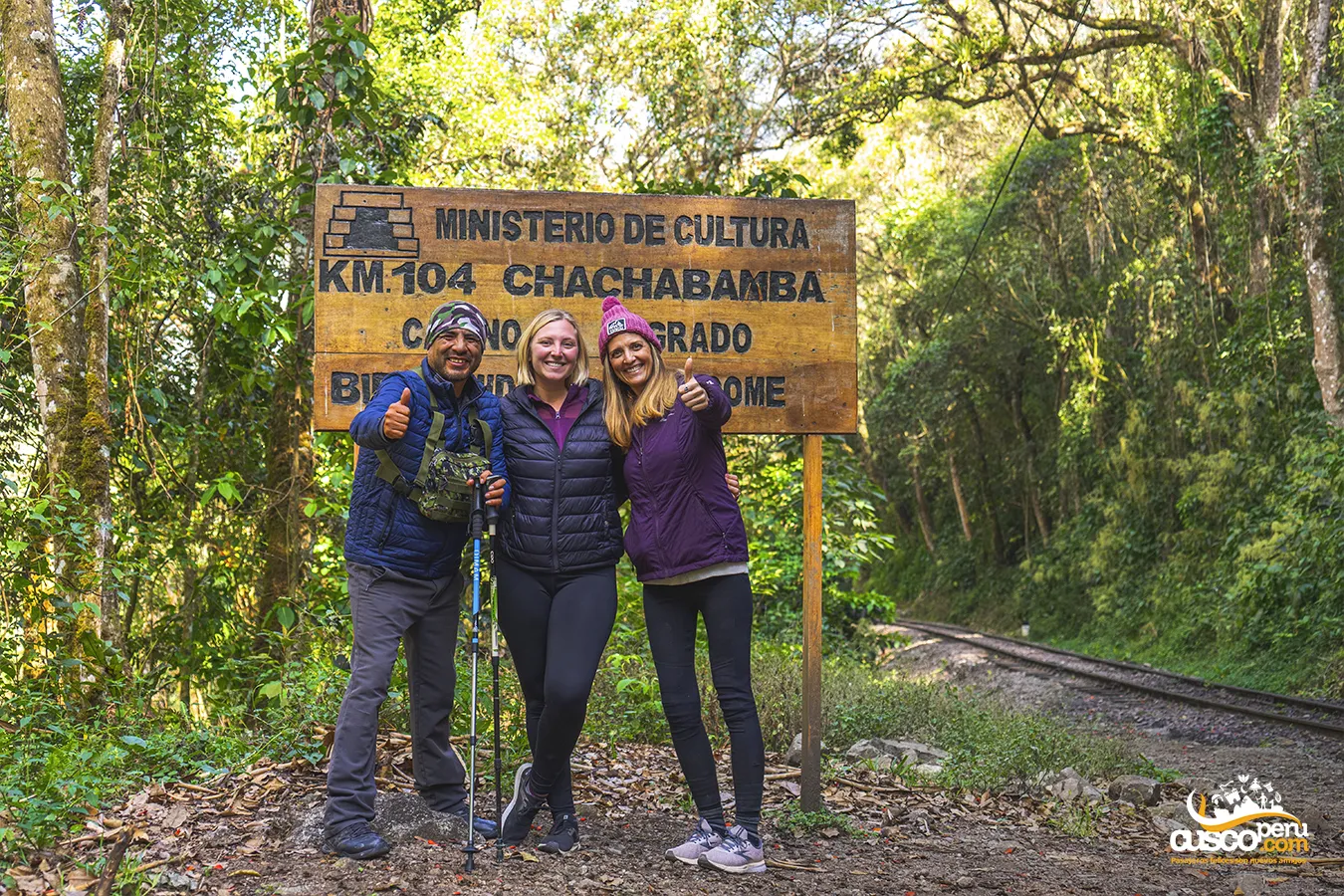
Choosing the right clothing to visit Machu Picchu is key to enjoying the experience without discomfort. The weather can change in just a few minutes, which is why it is recommended to bring lightweight, waterproof, and quick-drying clothing, as well as comfortable footwear with good grip. Dressing in layers will allow you to easily adapt to the altitude, the sun, and the Andean wind.
No matter how many days you will be hiking, the truth is that you will move from one altitude to another, which means the weather will change as you advance along the route. For this reason, the most convenient option is to bring comfortable clothing in small quantities.
For the first layer, it is recommended to wear leggings or pants, a T-shirt, and thermal or trekking socks to stay warm.
For the second layer, it is recommended to bring a warm jacket, preferably lightweight trekking pants, and waterproof clothing. There may be drizzle along the trail, and since this is very common, walking while wet will be uncomfortable and may cause respiratory discomfort.
Wide-brimmed hats are important because, at higher altitudes, solar radiation is more intense and UV rays are stronger. Pair this hat with good sunscreen.
Make sure to wear suitable clothing to visit Machu Picchu, as the weather may vary because the Inca citadel is located in the high jungle, which makes the climate warm and humid.
The footwear needed for this hike is trekking shoes with good grip that have already been broken in.
Some necessary accessories include a sleeping bag and a small but warm blanket for the nights, as they can be very cold.
Camping equipment is usually provided by the agency with which you book the tour. There will be strategic stops for resting, and you will also have a tent for two people at each campsite. If you prefer to have a tent just for yourself, this may have an additional cost.
In the case of the sleeping bag, each passenger is responsible for bringing their own. In other words, each traveler must bring a sleeping bag for this 4-day route.
This mat is made of foam or inflatable material and is placed between the sleeping bag and the ground inside the tent. Many campsites are located at high altitude, and the ground is usually cold, hard, and damp, even during the dry season. The mat protects against moisture and improves sleep quality.
Sun protection is necessary for this trek because UV rays are stronger at higher altitudes. For this reason, bringing sunscreen and a hat is essential. Insect repellent is also necessary, especially in Machu Picchu and the jungle areas where mosquitoes are more concentrated.
Considering that you will be away from home for 4 days, the necessary items for this trek include:
As you already know, during the Inca Trail you will go above 4,000 meters above sea level. If you come from a country that is almost at sea level, you should take the following precautions:
Technology is especially necessary for these excursions, where there is no electricity.
On this journey, you will see plenty of nature and unique landscapes, ideal for photographing scenery, sunrises, and archaeological sites.
A camera. With a camera, you can capture the unique landscapes of the Inca Trail, unforgettable sunrises, and its history in high quality.

There are not many expenses along the trail, but it is always necessary to carry cash in Peruvian soles and U.S. dollars. Regarding tips, there is usually a moment set aside to thank the support team on the second-to-last day of the hike, when a tip is given. The amount may vary depending on the agency, the group, and the duration of the route.
Some extras that travelers are recommended to bring include water and snacks such as fresh fruit, candies, and chocolate, which are good for recovering energy.
Cusco is mainly characterized by two seasons: the dry season and the rainy season. Some differences between these seasons are the following:
| Dry season (April–October) | Rainy season (November–March) |
| Considered the best time to travel to Cusco and Machu Picchu, especially for hikes and outdoor activities. The weather is stable and dry, with mostly clear skies. Nights are cold, especially in June and July. It is necessary to book several months in advance. | An attractive option for those looking for fewer tourists, green landscapes, and lower prices. Rain is frequent, especially between January and February, although the Inca Trail route usually closes in February. However, hotels and some tours may offer lower prices. The landscapes are greener and more vibrant, ideal for nature lovers. |

Happy passengers