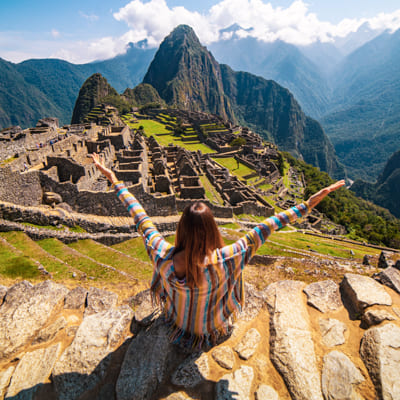

The best time to visit Machu Picchu is usually during the dry season, from May to October, when there are more sunny days and a lower chance of rain, making it ideal for enjoying the views and taking photos. However, the rainy season also has its advantages: fewer visitors, greener landscapes and, in many cases, better prices. Ultimately, the best time depends on each traveler’s preferences.
Machu Picchu is located between the Andes and the high jungle. Due to this location, the climate has two distinct seasons: the dry season and the rainy season.

The climate in the Cusco region, where Machu Picchu is located, has two distinct seasons: the rainy season and the dry season. However, weather in the Andes can be unpredictable, so occasional rain may occur even during the dry season.
Many travelers consider the dry season, from May to October, the best time to visit this world-famous destination because rainfall is less frequent. During these months, the weather is generally sunny and clear, providing excellent conditions for taking photos. However, occasional rain can still occur even during the driest months.
May marks the beginning of the high season, when the number of visitors to the Inca citadel increases. For this reason, it is important to book your trip at least two months in advance.
May: This month is considered the beginning of the dry season, as rainfall is generally less frequent, making it ideal for travelers who want to enjoy clearer skies and beautiful sunrises. Temperatures during this month range from a maximum of 28 °C (82 °F) to a minimum of 4 °C (39 °F).
June, July and August are considered high-season months because they coincide with summer in the Northern Hemisphere, making Machu Picchu a popular destination for vacations. If you plan to visit the Inca citadel during this period, we recommend booking at least three months in advance, as Machu Picchu tickets are in high demand. During these months, the days are usually warm and dry, while temperatures drop at night and winds may occur. The weather remains unpredictable, so there may still be a few rainy days.
June: This month is known for the Cusco festivities. Throughout June, various cultural events take place, including the most important celebration: Inti Raymi. For this reason, many travelers visit Machu Picchu during this period, so it is advisable to book your trip well in advance.
July: This is also a high-season month due to Peru’s Independence Day celebrations. July is also one of the most popular months for hiking the Inca Trail to Machu Picchu, so you should book this tour nearly three months in advance to secure a spot and enjoy this experience.
August: This month is known for stronger winds and generally dry conditions, which increase the chances of clear mornings at Machu Picchu. It is also a popular time for hiking routes leading to the Inca citadel.
Temperatures during these months can reach approximately 29 °C (84 °F) during the day and drop to around 2 °C (35 °F) at night. Nights and early mornings can be particularly cold, so warm clothing is recommended if you plan to go hiking.
September and October are transitional months. Rainfall gradually begins to increase, but there can still be many clear days. For many travelers, this period offers a good balance between favorable hiking conditions and slightly fewer visitors than in July and August.
In October, the chance of rainfall increases, so it is advisable to carry waterproof clothing even when the weather forecast predicts good conditions.
Temperatures during these months are around 22 °C (72 °F) during the day and can drop to approximately 4 °C (39 °F) at night, with a higher chance of rainfall.

The rainy season, from November to April, is characterized by more frequent rainfall, although there are also days with clear skies and pleasant, sunny weather. During this season, temperatures can feel cooler, while the landscape becomes greener due to the rain. There are generally fewer travelers, making it a good option for those who prefer to avoid large crowds. In addition, because it is considered the low season, it may be easier to find offers on travel services, flights, hotels and more.
In February, the Inca Trail to Machu Picchu is closed due to the rainy season and for maintenance work along the route.
During these months, rainfall is heavier and more frequent. Some days may begin with rain, and light rain can continue for much of the day.
January: This is one of the rainiest months of the season, so if you travel during this period, you should bring appropriate rain gear. Keep in mind that last-minute changes to your itinerary may occur due to road closures caused by landslides, train delays and, although less frequently, postponed flights.
February: There may be fewer rainy days than in January, but rainfall can be intense, which reduces the number of visitors to the Inca citadel. For this reason, many travelers consider it one of the less favorable months to visit Machu Picchu if stable weather is a priority. However, if you are well prepared for rain, you can enjoy a quieter atmosphere and may even experience some clear days.
March: There are generally more sunny periods and a lower chance of rain during the day. This makes March a much-awaited month for trekking enthusiasts who want to hike the Inca Trail, as the vegetation is at its greenest after the rainy season, making the journey especially scenic.
Temperatures range from a maximum of approximately 21 °C (70 °F) to a minimum of 6 °C (43 °F), and rain may occur even on otherwise sunny days.
In April, the transition toward the dry season becomes more noticeable: the weather is more stable, rainfall decreases and the landscape remains green after the previous months of precipitation. Visitor numbers begin to increase but have not yet reached the high-season peak, so there may still be greater availability for trains, hotels and entrance tickets if you book in advance.
April: This month is generally characterized by pleasant weather and fewer rainy days, as it marks the transition between the rainy and dry seasons. It is an excellent option for travelers looking for a balance between pleasant weather, green landscapes and moderate visitor numbers.
Temperatures during this month range from approximately 28 °C (82 °F) at their highest to 4 °C (39 °F) at their lowest.
During these months, there may be weeks with light rainfall. Visitor numbers are generally moderate, so it may be possible to find greater availability for entrance tickets and flights.
November: This month marks the beginning of the rainy season. Rainfall becomes more frequent, although it is not always intense, and the surrounding landscape begins to turn greener.
December: Rainfall becomes more frequent and can be heavier, but this does not prevent visitors from traveling to the Inca citadel. The last week of December usually receives a larger number of travelers due to the year-end holidays.
During these months, maximum temperatures can reach around 25 °C (77 °F), while minimum temperatures can drop to approximately 5 °C (41 °F), with both sunny periods and heavy rainfall possible.

Many travelers consider the dry season, from May to October, the best time to visit Machu Picchu. The main disadvantage is that this period coincides with higher demand, making it more difficult to find availability for hotels, flights and entrance tickets to the Inca citadel. On the other hand, the rainy season, from November to March, generally has fewer visitors, lower prices and greater availability for Machu Picchu.
Plan your visit to Machu Picchu
Choose the option that best suits your travel dates and discover different ways to experience this destination through our Machu Picchu tours.
Whatever time of year you choose to travel, you should be prepared for changing weather conditions. Here are some recommendations to help you plan your trip to Machu Picchu.
Regardless of the season in which you travel, you should always bring:
When entering the Machu Picchu citadel, the following are not allowed:
Machu Picchu is open every day of the year. If you plan to visit the Inca city during the Christmas season, we recommend booking at least three months in advance because tickets are in high demand during this holiday period.
Yes. Although there is generally less rainfall and more clear weather between May and October, Machu Picchu’s climate is unpredictable, and clouds, mist and even occasional rain can occur during the dry season.
If you travel between November and March, it is advisable to allow some flexibility in your itinerary in case weather conditions cause unexpected delays or changes.
Temperatures can feel cool both early in the morning and at night, especially during the dry season. Even if it becomes warm in the sun during the day, it is advisable to bring a warm layer and dress in layers, particularly if you visit Machu Picchu early in the morning.
During the dry season, from May to October, there are generally more clear days and a lower chance of rain, while between November and April rainfall is more frequent and the surrounding landscape tends to be greener.
The dry season, from May to October, generally provides more favorable conditions for hiking because rainfall is less frequent. July and August are high-demand months, so if you are planning a trek, it is advisable to book well in advance.

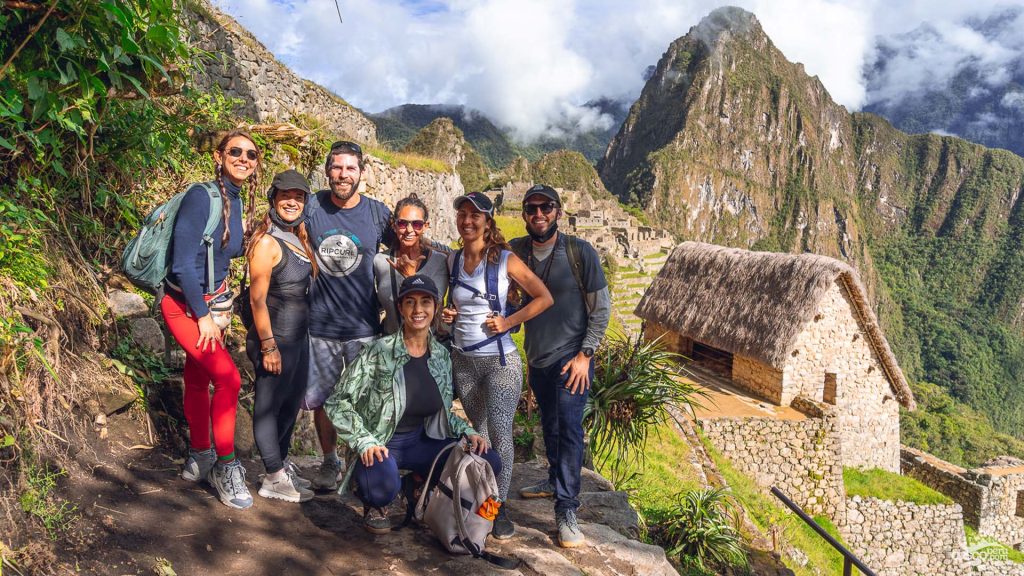
Happy passengers