NOTICE
We have received notifications alerting us that criminals are using the name and RUC of our company, CuscoPeru.com. We inform you that we do not receive payments for electronic, financial, or related services.
Do not be misled. Do not make deposits to accounts that are not linked to our RUC, and do not respond to communications that do not come from our official numbers (984 709 080).
CuscoPeru.com is a tourism operator. We do not provide any services other than tourism-related services.
The Saywite Archaeological Complex is located in the district of Curahuasi, province of Abancay, department of Apurímac. It is one of the most important archaeological sites in the region and stands out for its ceremonial character, its connection with the cult of water, and the presence of one of the most unique stone works in the Andean world: the monolith, or Saywite Stone.
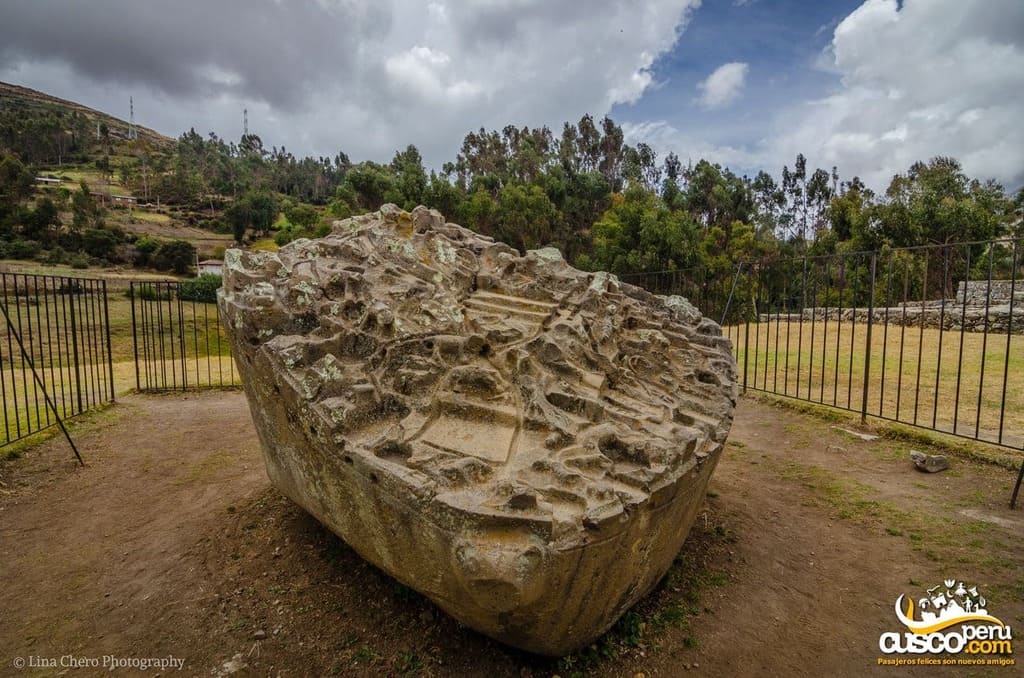
According to various interpretations, Saywite may have been an Inca ceremonial center linked to water, the fertility of the land, and the symbolic organization of the territory. Its main monolith has been interpreted as a three-dimensional representation of the Andean landscape, where mountains, rivers, canals, animals, and architectural structures are integrated.
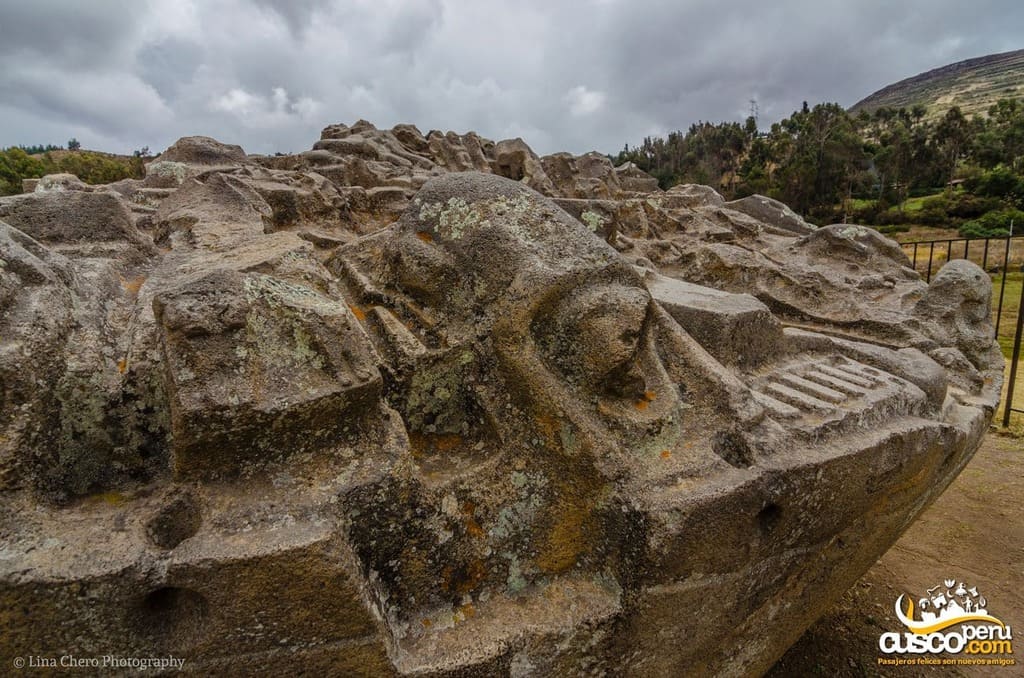
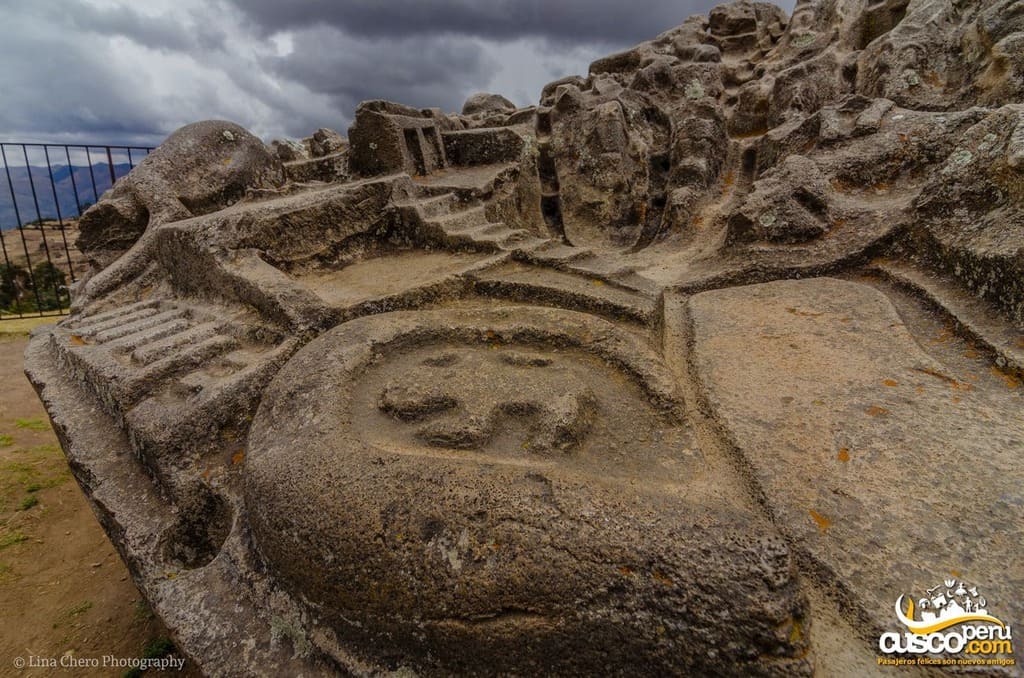
The Saywite Stone is a carved, semi-spherical rock with more than 200 figures in high and low relief. Among its representations are animals, canals, agricultural terraces, fountains, mountains, lagoons, and other elements associated with water management and the Andean worldview.
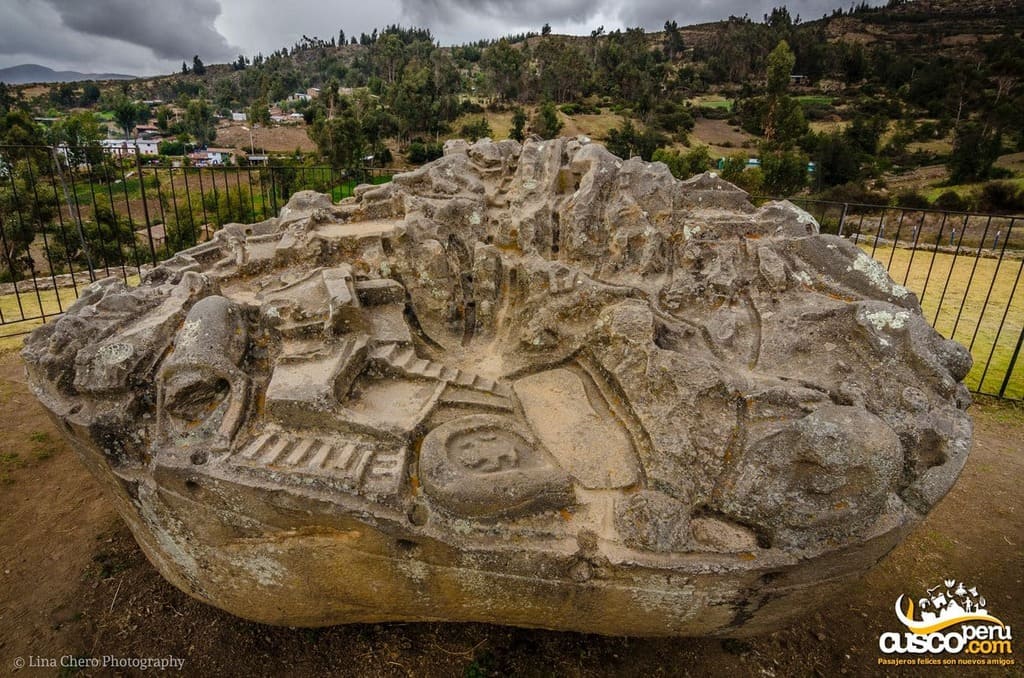
The complex is not limited to the main monolith. It also includes sectors such as Rumi Huasi, stepped fountains, ritual areas, a ceremonial usnu, and a sector linked to astronomical observations. These elements show the symbolic, ritual, and technological importance that Saywite had within the Inca world.
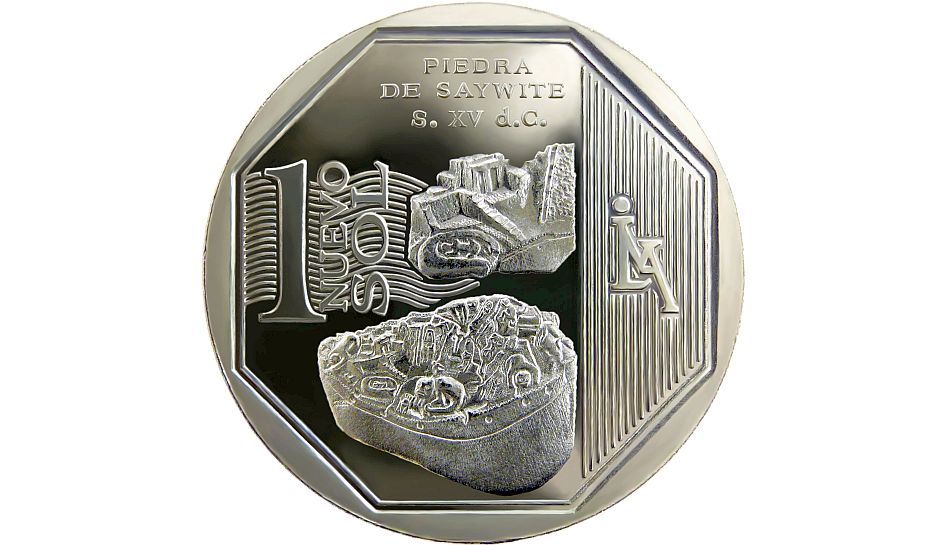
Due to its uniqueness, the Saywite Monolith was included in 2012 in the “Wealth and Pride of Peru” numismatic series issued by the Central Reserve Bank of Peru.

Happy passengers