
IMPORTANT NOTICE
We have received reports warning us that criminals are using the name and Peruvian Tax ID (RUC) of our company, CuscoPeru.com. Please note that we do not accept payments for electronic or related services.
Do not be deceived. Do not make deposits into accounts that are not linked to our RUC, and do not respond to communications from numbers other than our official contact numbers.
CuscoPeru.com is a tour operator. We DO NOT provide services unrelated to tourism.
When traveling in Peru, it is advisable to use a combination of cards and cash. Banks, ATMs, and businesses that accept international cards are available in major cities and tourist areas. However, cash may still be necessary at markets, small businesses, rural communities, and for certain transportation services.
Service availability, fees, withdrawal limits, and the currencies dispensed by ATMs may vary. Therefore, this information should be used as general guidance and verified before each transaction.
The official currency is the sol, whose symbol is S/. Each sol is divided into 100 céntimos.
Coins are available in the following denominations:
Banknotes are available in the following denominations:
On December 15, 2015, the currency officially ceased to be called the “nuevo sol” and was renamed the “sol.” On the same date, the former symbol S/. was replaced by S/.
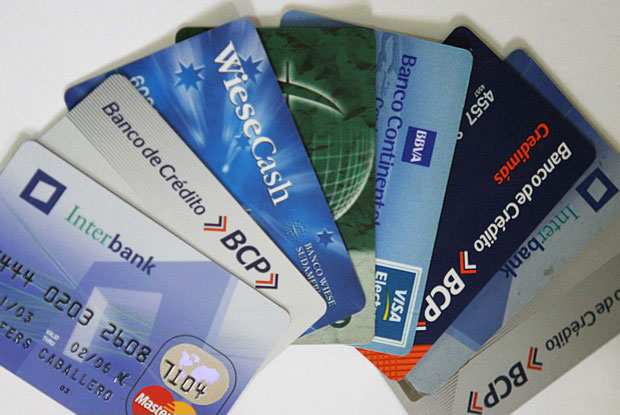
International cards are mainly accepted at hotels, supermarkets, formal restaurants, travel agencies, shopping centers, pharmacies, and tourist establishments.
ATMs and businesses may work with networks such as Visa, Mastercard, and American Express, but acceptance depends on the establishment, the payment terminal operator, and the type of card. Travelers should not assume that every card will be accepted everywhere. PROMPERÚ reports that ATMs connected to different international networks are available in major cities and may dispense Peruvian soles or US dollars.
Before traveling, it is advisable to:
Some financial institutions no longer require customers to report every trip, while others may apply additional security controls. Travelers should therefore review their own bank’s instructions before leaving their country.

ATMs are mainly found at:
Small towns and rural areas may have fewer ATMs, connectivity problems, or limited cash availability. Before traveling to a remote destination, it is advisable to withdraw a reasonable amount of money in a nearby city.
Some ATMs allow withdrawals in Peruvian soles and US dollars. However, not every machine offers both currencies, and availability may depend on the cash currently stocked in the ATM.
The sol is the currency generally used throughout the country and is the most practical option for:
It is advisable to carry coins and S/ 10 or S/ 20 banknotes. Some vendors or drivers may not have change for S/ 100 or S/ 200 banknotes.
Before leaving an ATM, bank, or establishment, count the money and check the condition of the banknotes.
Before paying in US dollars, confirm:
Some establishments may reject US dollar banknotes that are damaged, marked, torn, or from certain series. For everyday purchases, paying in Peruvian soles is usually easier.
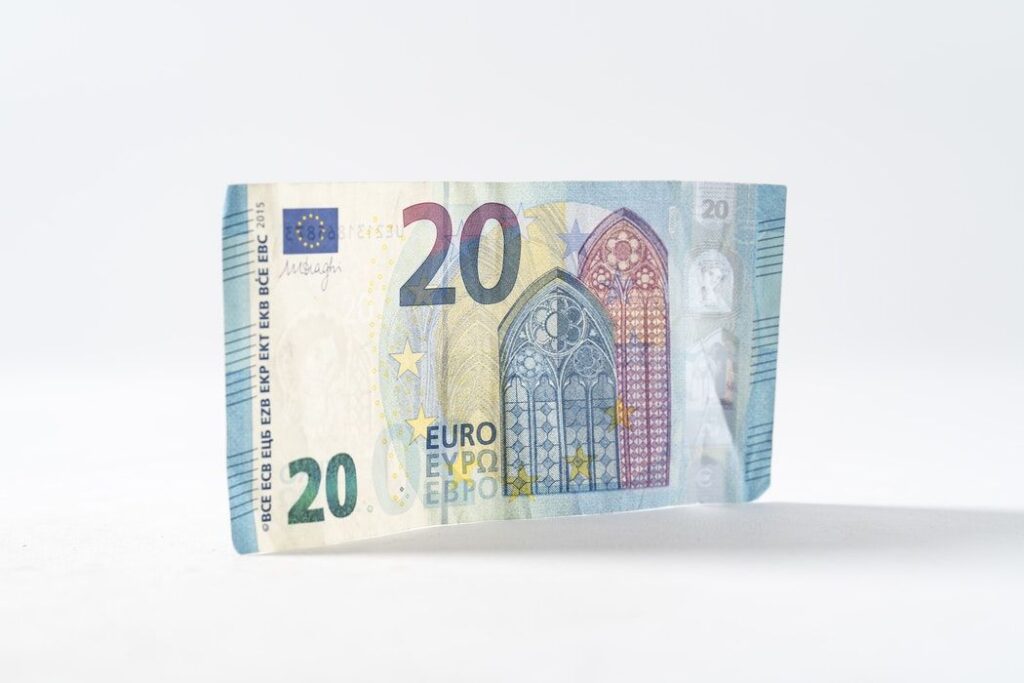
Euros and other foreign currencies are not normally used for direct payments. They generally need to be exchanged for Peruvian soles or, when applicable, US dollars at an institution that handles those currencies.
Peru’s Superintendency of Banking, Insurance, and Private Pension Fund Administrators (SBS) recommends taking the following precautions:
If assistance is needed, ask an identified employee of the financial institution.
When making a purchase:
The SBS recommends that customers never allow their card to be taken to another area and that they always cover the keypad when entering their PIN.

Happy passengers