
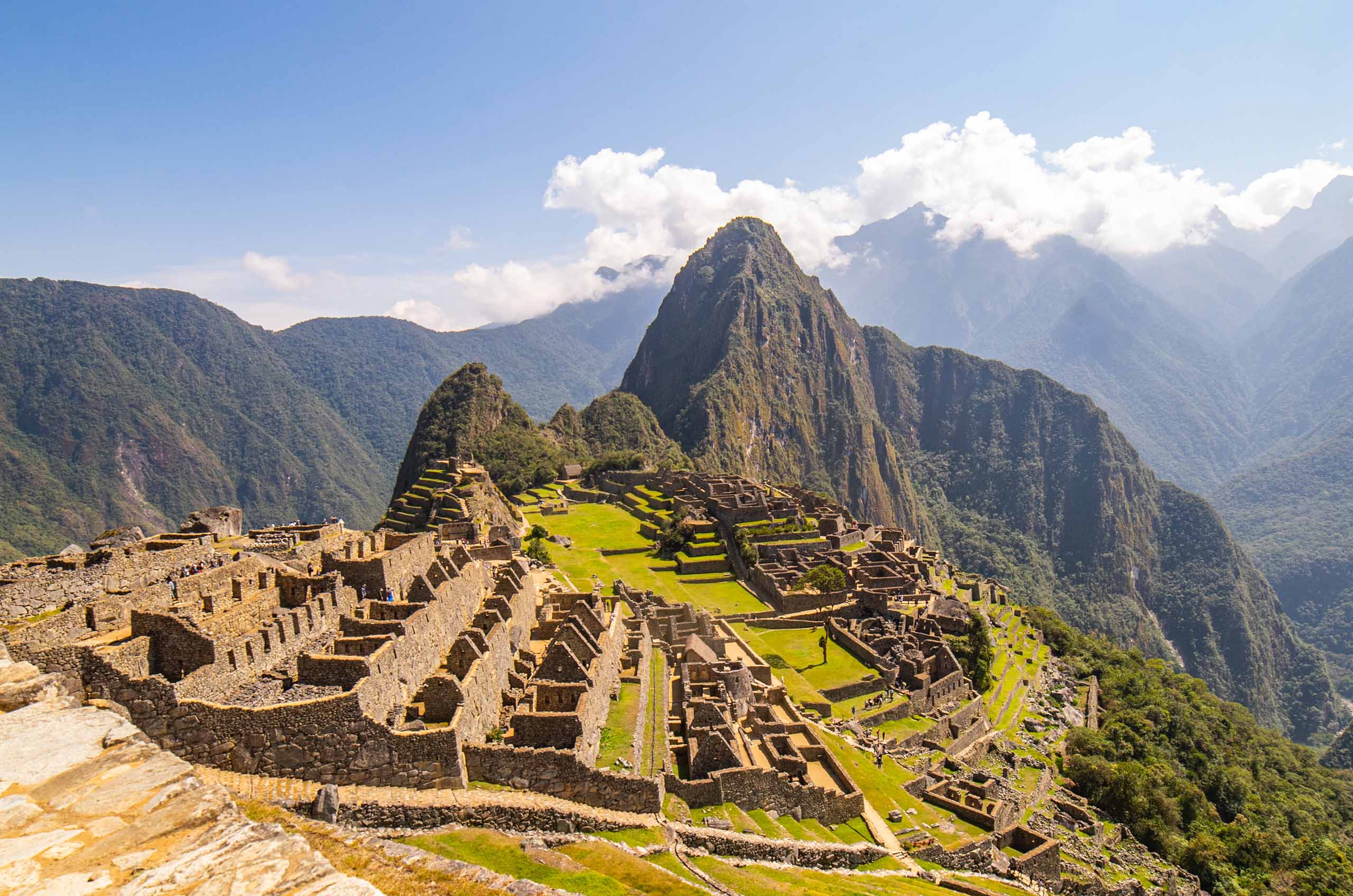
Visiting Machu Picchu at a mature age is a different kind of experience. That is why, here, we will recommend what you need for your trip, how to deal with altitude sickness, and which places you can visit in the town of Aguas Calientes, so you can relax and enjoy every part of your journey.
The journey begins long before boarding the train or bus. It begins with a decision: giving yourself an experience that is both physical and emotional. For those coming from cities at sea level, the change in altitude is an important factor. Cusco is located at approximately 3,400 meters above sea level.
Sleeping well in the days before your trip, avoiding heavy meals, alcohol, cigarettes, and staying constantly hydrated are all part of taking care of yourself. Some travelers choose to take Sorojchi Pills one hour before landing in Cusco, always after consulting a doctor, as a preventive measure against altitude sickness.
Cusco altitude: between 3,399 and 3,400 meters above sea level.
Suggested average acclimatization time: 24 to 48 hours.
Recommended prevention: Sorojchi Pills or coca tea (consult a doctor).
Avoid: alcohol, tobacco, and high-fat meals.
When the plane touches down in Cusco, a gentle transition begins. The air feels lighter, but also clearer. A transfer welcomes you calmly, like someone accompanying you home. There is no rushing, no loud voices, no urgency. Everything is arranged for rest.
The hotel is more than accommodation: it is a place to adapt. That first day is only for acclimatization. Drinking water, having a cup of coca tea, eating something warm, looking out the window, and listening to the city without needing to explore it. The body, wise as it is, asks for a pause, and we give it one.
Check-in: at a centrally located hotel or in the Sacred Valley (an option with lower altitude).
Recommended diet: light, easy-to-digest meals rich in carbohydrates, such as purées, cereals, and soft fruits.
Suggested hydration: at least 2 liters of fluids per day.
The second morning begins with a promise: the journey to Machu Picchu starts by train, and there are different train services that can be adjusted to your comfort. For travelers who prefer a calm, well-organized experience, our Machu Picchu tour packages can include transfers, train options, guided visits, and a pace adapted to your needs.
Approximate travel time: about 3 h 30 min (from Cusco via Ollantaytambo).
Altitude of Aguas Calientes: 2,040 meters above sea level.
Suggested physical activity: light strolls and walks without slopes.
Recommended rest: hotel nap and constant hydration.
The next morning, the world wakes up differently. The ascent to Machu Picchu is done by bus, and from the window, the jungle appears between the turns. The guide walks at your pace, speaks softly, and explains everything throughout the tour.
Once inside the sanctuary, the experience feels more intimate than monumental. There are places to sit, breathe, and watch the mist rise and disappear.
Altitude of Machu Picchu: 2,430 meters above sea level.
Type of terrain: subtropical Andean terrain, with uneven and humid sections.
Weather: mild and humid, with frequent changes.
Bus ascent: approximately 25 to 30 minutes from Aguas Calientes.
Average visit duration: around 2 h 30 min (with frequent breaks).
Difficulty: low to moderate, depending on the chosen route (bridges, stairways).
Rest areas: available at strategic points within the complex.
Support: portable oxygen available upon prior coordination.
Return train: 2 h from Aguas Calientes to Ollantaytambo + 1 h 30 min by vehicle to Cusco.
Optional activities: San Pedro Market, accessible museums, and workshops.
Recommendation: avoid intense walks after the trip and stay hydrated.
Upon returning to Cusco, you can visit San Pedro Market to buy souvenirs, try local food, see different handicrafts, sit at a café facing the main square, visit a pottery workshop, or enjoy a thermal bath in the valley.
If you are interested, we will be attentive to create a package tailored to your needs. At CuscoPeru.com, we believe in having more happy travelers because the most important story is not the one told by monuments, but the one each traveler lives while exploring them.


Happy passengers