
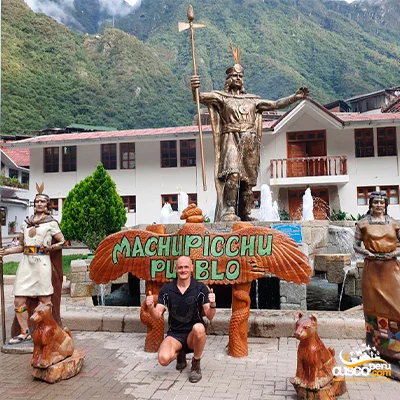
Aguas Calientes is the closest town to Machu Picchu. Located just 25 minutes by bus from the Inca citadel, it is the main access point to this archaeological site.
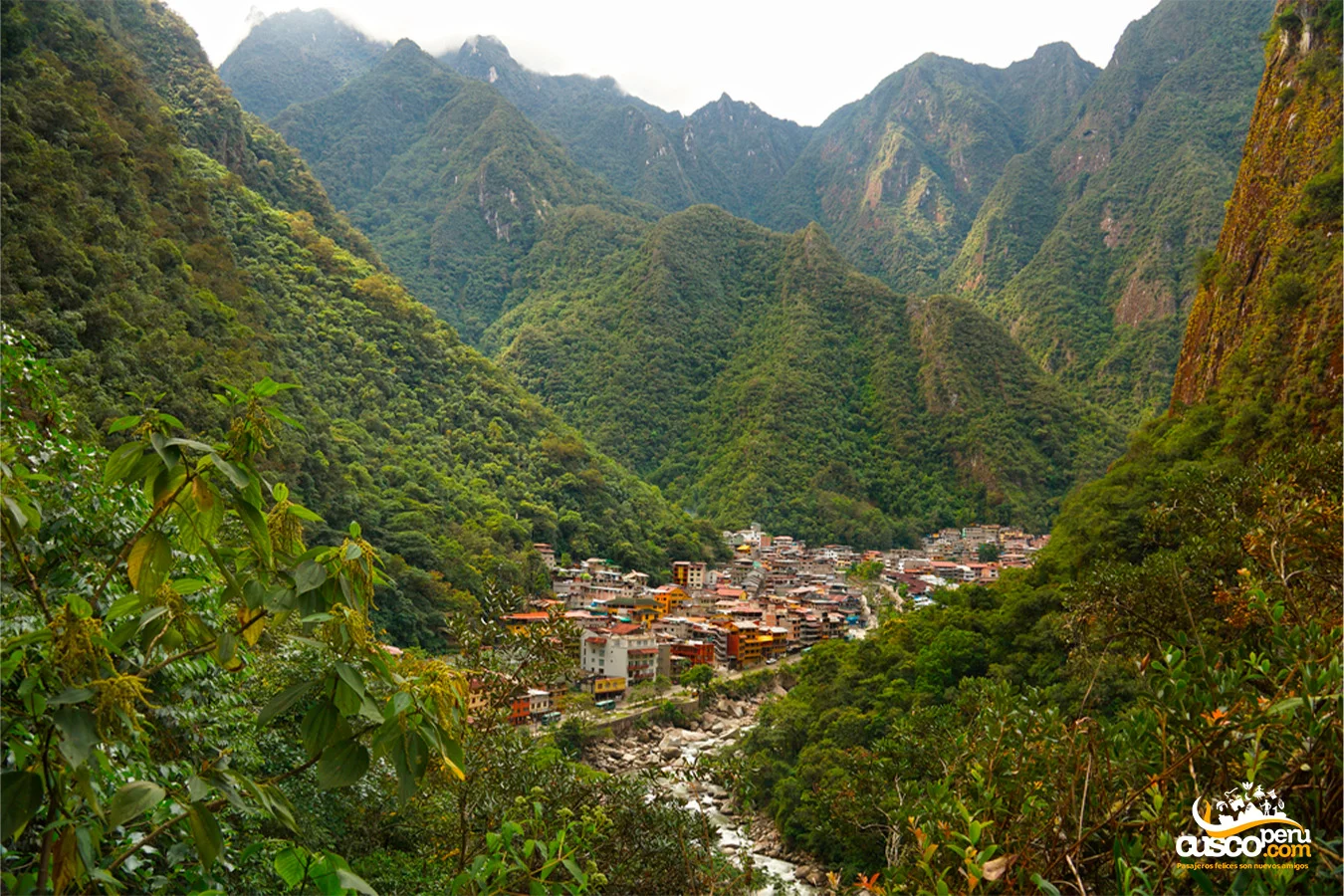
The town of Aguas Calientes began as a small railway camp known as Maquinachayoq. Families dedicated to agriculture joined this place, forming a small village in 1901. When the construction of the railway line connecting Cusco with Santa Ana, a district in the province of La Convención, was completed in 1931, the population settled in the area.
Aguas Calientes owes its name to its hot springs. In addition, because it is close to Machu Picchu, it offers several tourist attractions that some travelers may not know about.
The town of Aguas Calientes is located 112 km northeast of Cusco, at an altitude of 2,040 meters above sea level. It is located on the banks of the Urubamba River, which runs through the entire Sacred Valley of the Incas, and is surrounded by cloud forest vegetation. This town belongs to the province of Urubamba, in the department of Cusco.
The town of Aguas Calientes is approximately 3 to 4 hours away, depending on the departure point and train service.
The citadel of Machu Picchu is located 10 km from the town of Aguas Calientes, approximately 25 to 30 minutes by bus.
The weather is mild and humid, as the town is located in the cloud forest area. Temperatures range between 16 °C and 20 °C. There are two seasons: the rainy season and the dry season.
There are several ways to reach the town of Aguas Calientes:
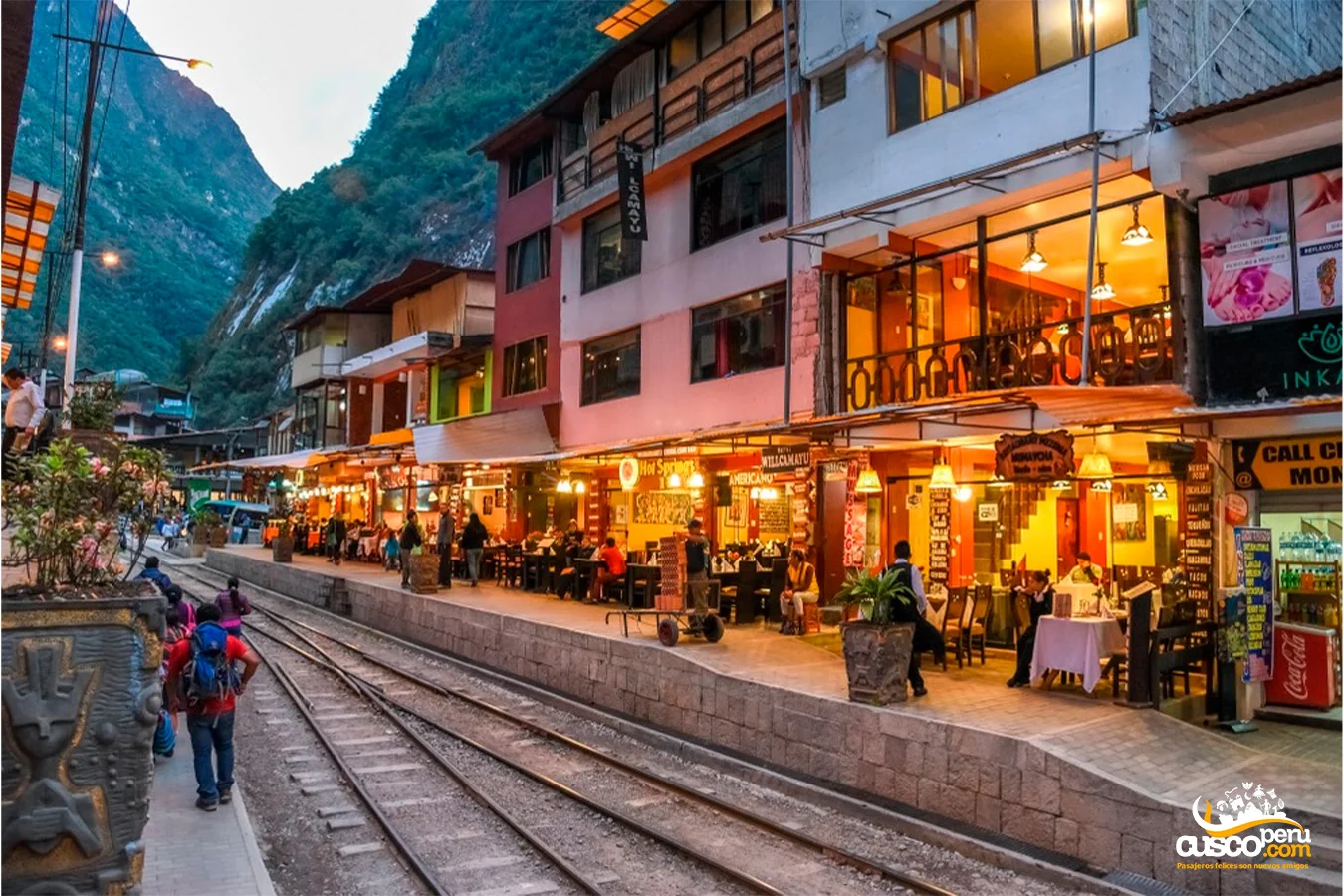
When you arrive in Machu Picchu Pueblo, you can visit several attractions before going up to the Inca citadel or during your stay.
Located at the end of Hermanos Ayar Avenue, there is a spring from which thermal waters flow, with temperatures ranging between 38 °C and 45 °C. This place is a favorite among visitors who want to relax surrounded by nature before or after visiting Machu Picchu. The town of Aguas Calientes owes its name precisely to this place.
Mandor Waterfalls
The Mandor Gardens are located 4 km from the town of Aguas Calientes, approximately a 1-hour walk away. It is a natural area full of vegetation and has a waterfall with an approximate drop of 15 meters. This space contributes to the conservation of different species of flora and fauna in the area. It also has a space for camping.
The Aguas Calientes Butterfly House is a stop you can make before or after visiting Machu Picchu. It is a space dedicated to the study of around 300 species of butterflies from the area. Located on the banks of the Urubamba River, this space not only houses butterflies but also plant species that support their life cycle.
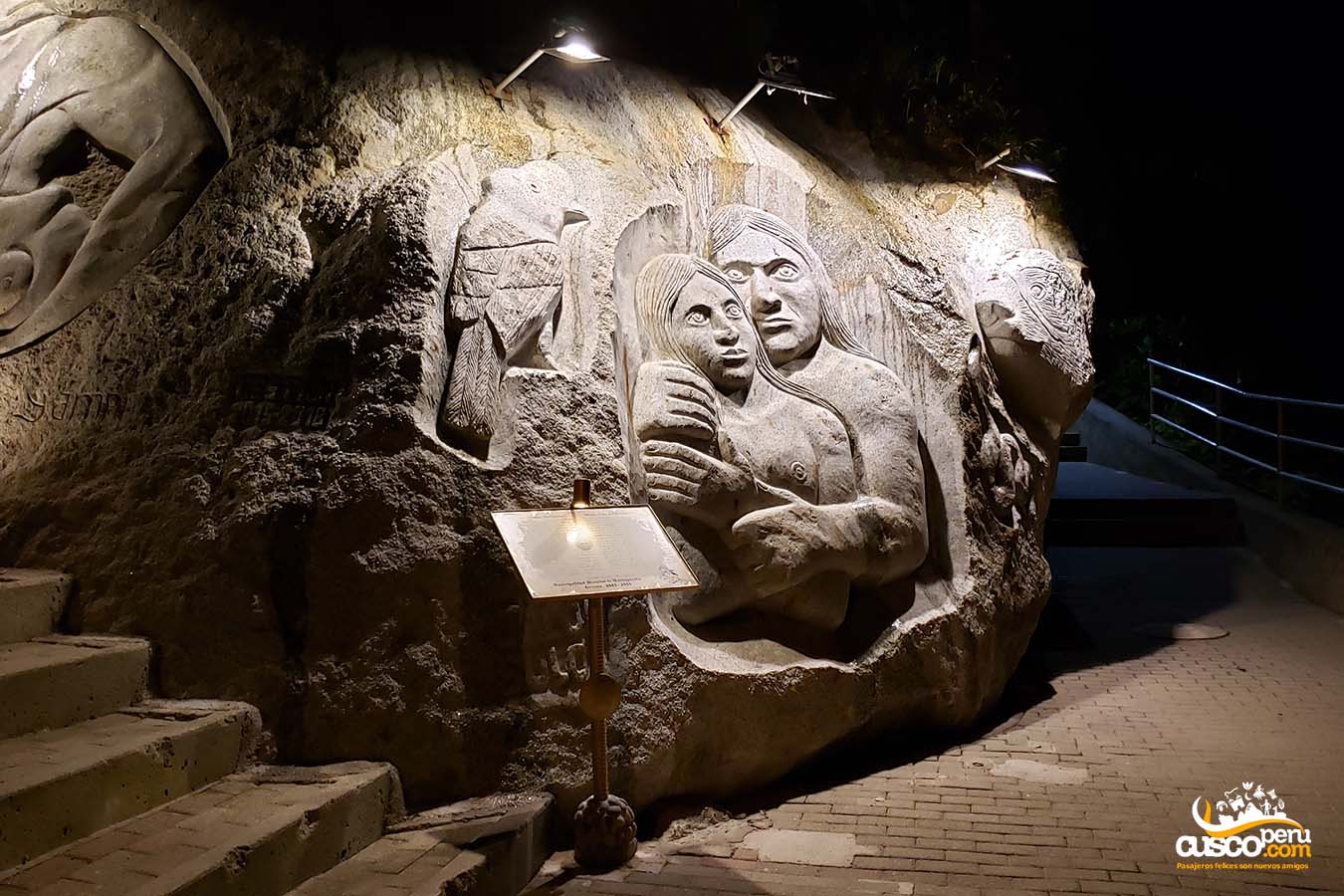
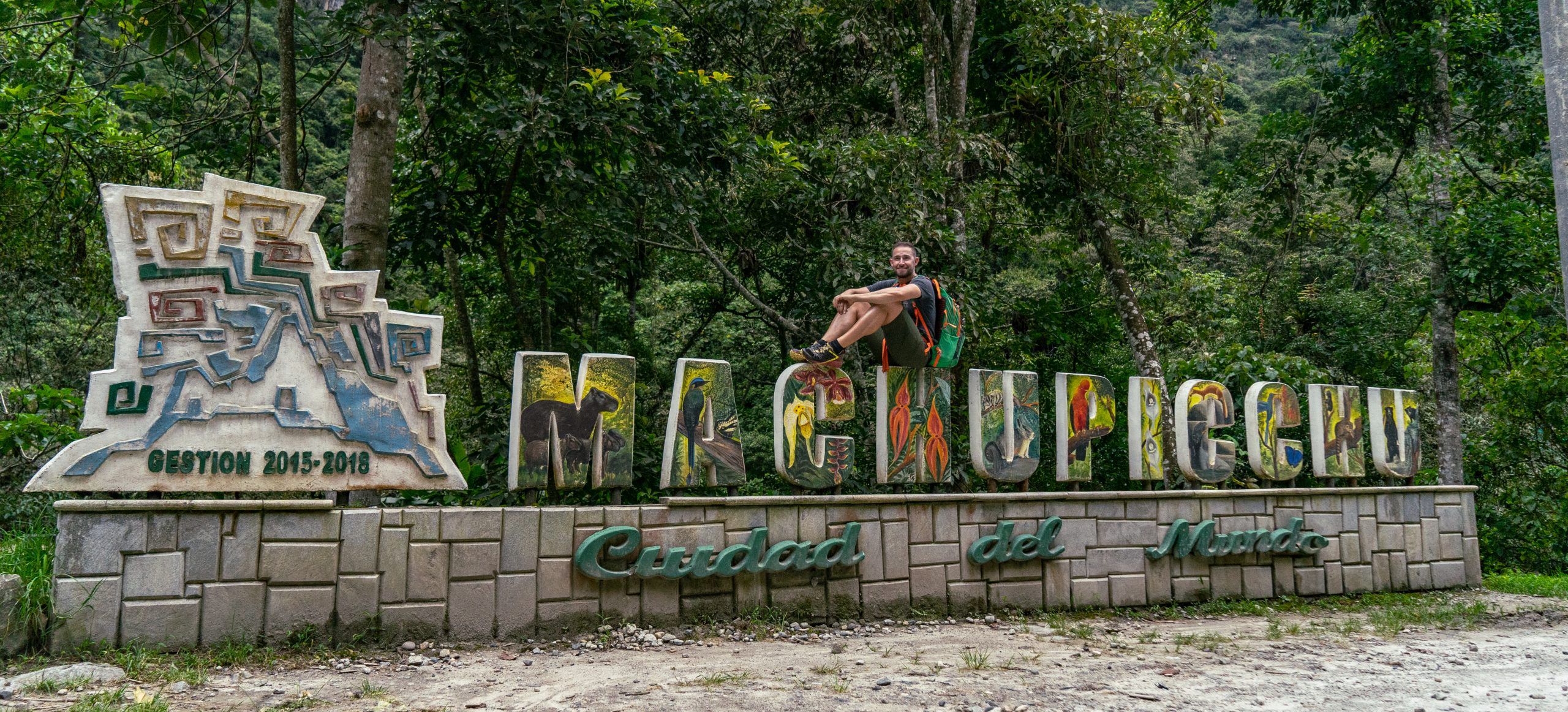
As an initiative of the local government, around 37 stone sculptures were built throughout the town, known as “Stone Chronicles.” The stone carving was done by artists from Cusco to beautify the town. All of them have Andean themes, and no ticket is required, as they are visible to all visitors in the main square and principal streets of the town.
The “Manuel Chávez Ballón” Site Museum, named after the Peruvian explorer who worked at Machu Picchu, has Inca ceramics and tools found during excavations carried out at Machu Picchu. This place reopened its doors in July 2005.
It is located on the road from Aguas Calientes to Machu Picchu, about 30 minutes on foot. It is open every day from 9:00 a.m. to 4:00 p.m. To enter this place, you must have a ticket, which you can get online.
The best time to visit Aguas Calientes is during the dry season. This season runs from April to October, when the chances of rain are lower.
To get to Aguas Calientes, you must go to a train station, usually Ollantaytambo Station, which is located about 1 hour by bus from Cusco. From there, it is a 2-hour train ride to Aguas Calientes.
Since the weather is mild during the day, it is recommended to bring light clothing. However, temperatures usually drop at night, so a warm jacket is necessary. It is also recommended to bring waterproof clothing because rain can arrive unexpectedly at any time of day.
To avoid altitude sickness, gradual acclimatization upon arrival in Cusco is recommended, along with a light diet, as heavy meals may increase the risk of experiencing this condition. This process should not take more than 2 days.

Happy passengers