
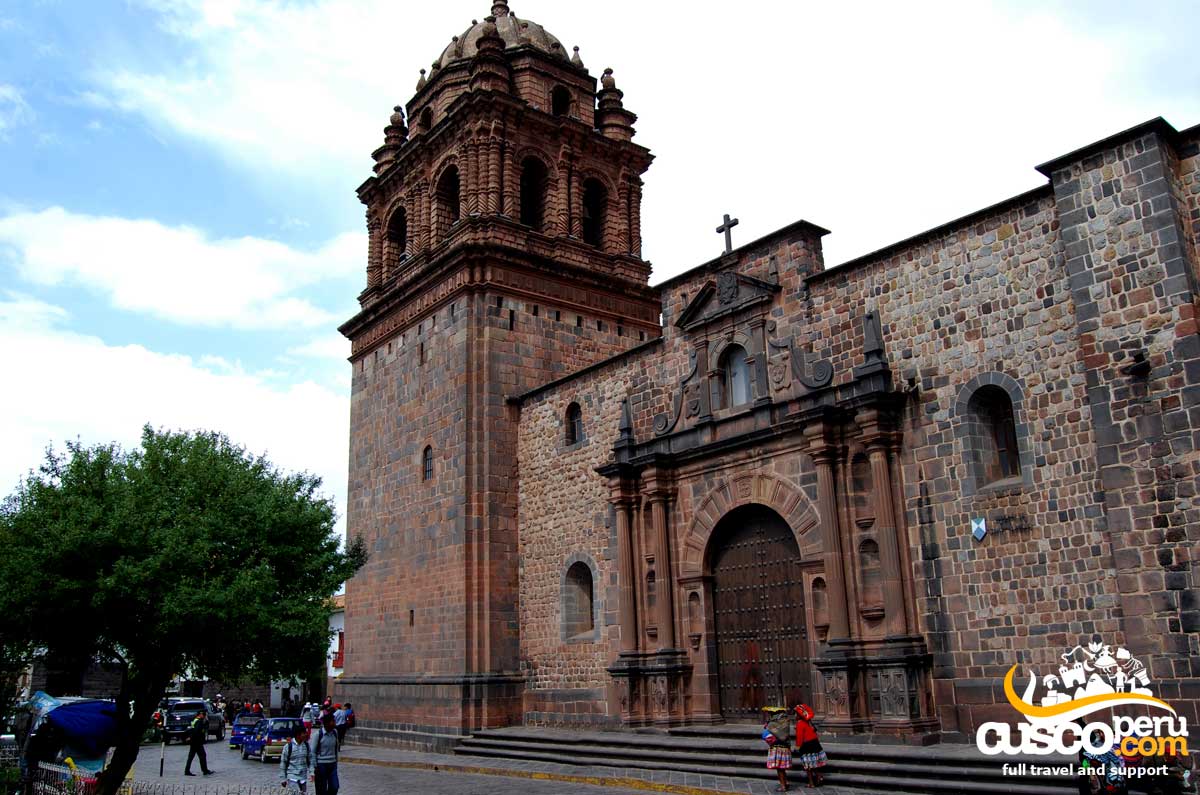
The Convent of Santo Domingo in Cusco was established on the site of the ancient Coricancha or Intikancha, the main religious sanctuary of Inca Cusco and one of the most important ceremonial spaces of the Tawantinsuyo. The Spanish occupation of the site began in the early years of the conquest, and the formal transfer of the former sanctuary to the Order of Preachers is recorded in 1538.
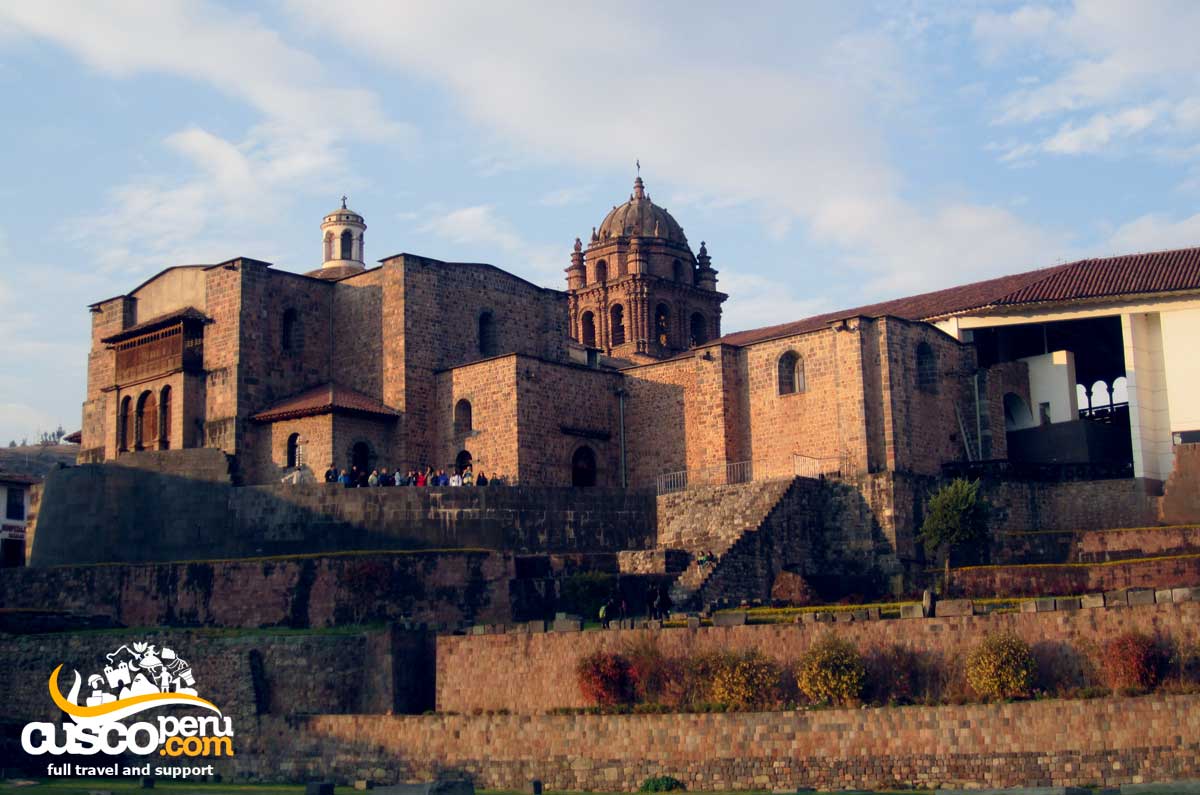
The Coricancha was a sacred precinct dedicated to the Sun god, Inti. Its finely worked and perfectly fitted stone walls remain one of the finest examples of Inca architecture. During the conquest, much of the precious metal that decorated its enclosures was removed, and the Dominican complex was later built over its structures.
After the earthquakes of 1650 and 1950, the temple and convent of Santo Domingo suffered significant damage; however, the Inca walls of the Coricancha resisted remarkably well, reinforcing their architectural and historical value.
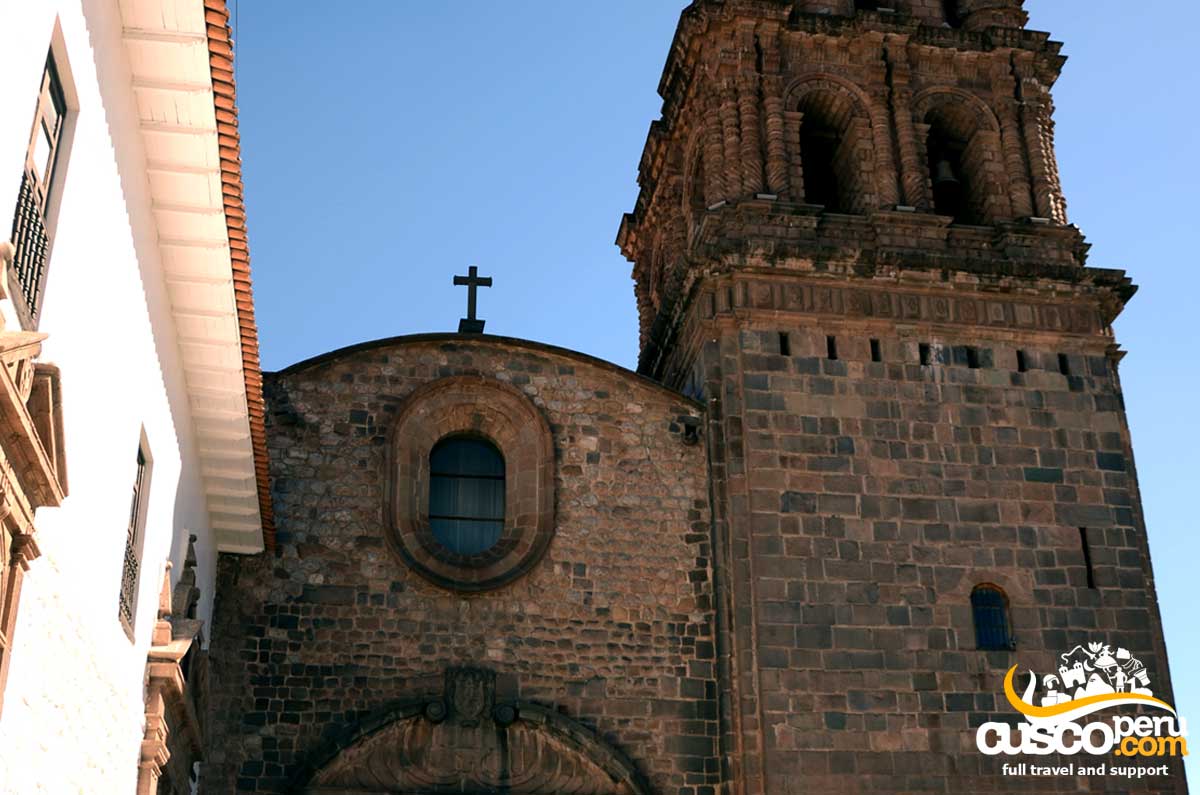
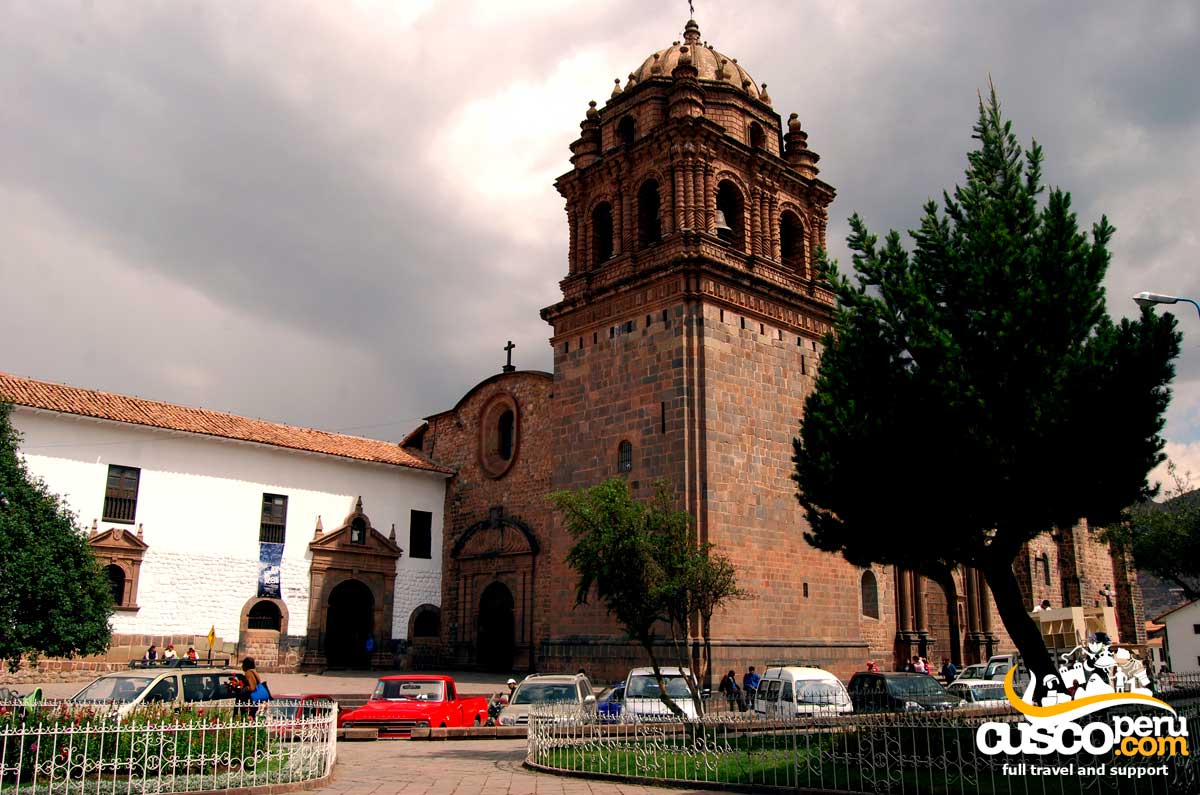
The Church and Convent of Santo Domingo form a colonial complex built on the foundations of the ancient Coricancha. Its architecture combines colonial Baroque elements with finely worked Inca stone walls, creating one of the most representative examples of architectural superposition in Cusco.
Inside, the main altar, the collection of canvases from the Cusco School of Painting, and the convent spaces integrated into the ancient Inca walls stand out. The complex also preserves cloisters, patios, arches, fountains, balconies, windows, and passageways where artistic and religious pieces are displayed.
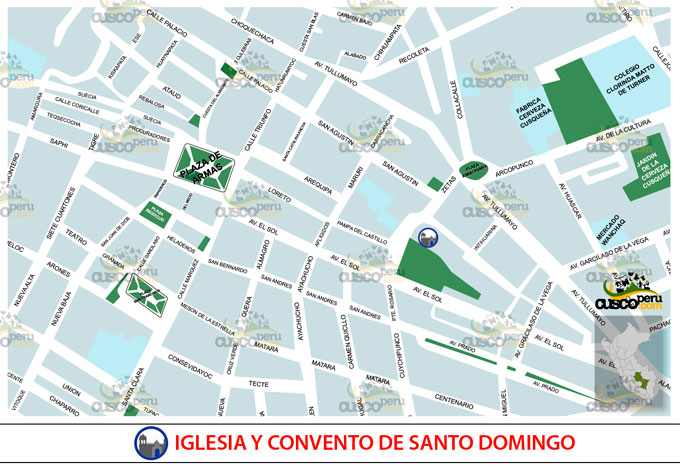
The Church and Convent of Santo Domingo are located a few blocks from Cusco’s Main Square, next to the Coricancha archaeological complex. Tourist access is through the Ahuacpinta sector.
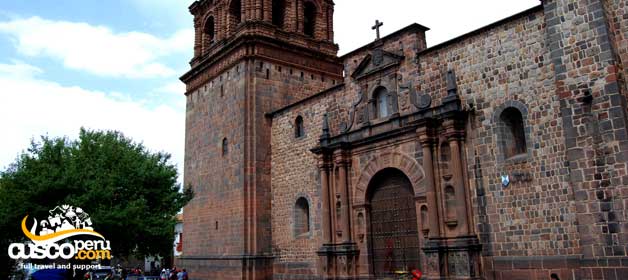
Architecture: the church and convent are integrated into the Inca structure of the Coricancha. The church features a colonial Baroque style, three naves, a façade with Plateresque features, and a bell tower of great ornamental value.
Main altar and colonial painting: the main altar is one of the temple’s most outstanding elements. Its decoration features religious images such as Saint Dominic of Guzmán, Saint Albert the Great, Saint Thomas Aquinas, and Our Lady of the Rosary. The naves preserve canvases belonging to the Cusco School of Painting.
Convent and Inca walls: many of the walls and structures of the Coricancha were reused to build the cloisters, patios, and passageways of the convent. Outside, the Coricancha garden stands out, where visitors can appreciate terraces, Inca walls, and views of the architectural complex.
Reference opening hours: Monday to Saturday, from 8:30 a.m. to 5:30 p.m.; Sundays and holidays, from 2:00 p.m. to 5:00 p.m.
Reference rate: general admission between S/ 15.00 and S/ 20.00; students from S/ 10.00, according to current conditions.
Opening hours and rates may vary, so it is recommended to verify the current information before your visit.

Happy passengers