
The church is a central point in Cusco’s religious and cultural life, as it reflects the encounter between colonial architecture, Cusco’s artisan tradition, and the ancient indigenous setting of the T’oqokachi neighborhood. Visiting it is a unique experience for those who wish to learn about the history and artistic legacy of the Cusco School.
Between 2020 and 2023, the temple underwent a comprehensive restoration that included its structures, altarpieces, mural painting, sculptures, religious furniture, and the famous pulpit of San Blas.
Table of Contents
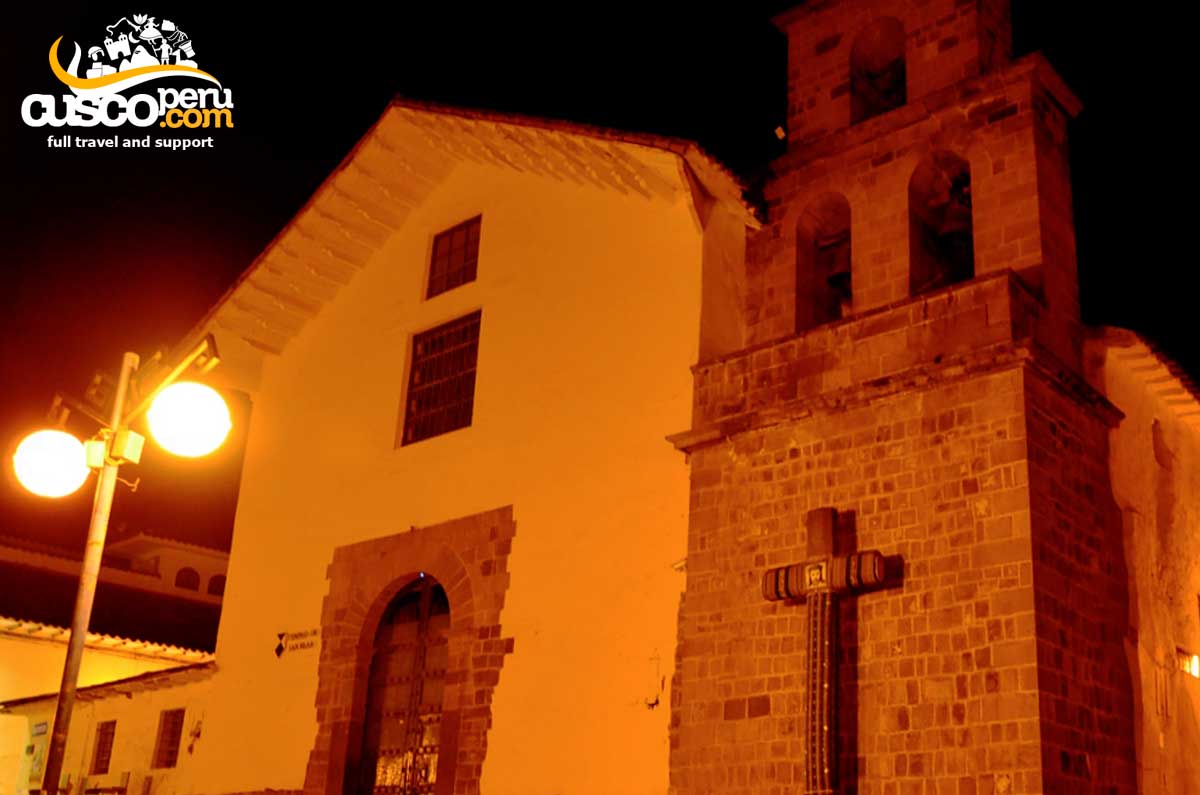
It was one of the first parishes in Cusco. Its origin is related to the 1559 ordinance issued by Viceroy Andrés Hurtado de Mendoza, Marquis of Cañete, and to the foundation or construction carried out around 1562 by Juan Polo de Ondegardo. The current church has a Latin cross floor plan and a simple façade with Plateresque characteristics.
The richness of this church lies in its important collection of paintings, its splendid main altar, and, most especially, its famous Baroque-style pulpit, carved from cedar wood and considered one of the finest examples of wood carving made in colonial America. This work dates from the last third of the 17th century and is attributed to Juan Tomás Tuyro Túpac.
The current temple was built after the earthquake of 1650, although it preserves the typical appearance of the indigenous parishes founded during the time of Viceroy Toledo.

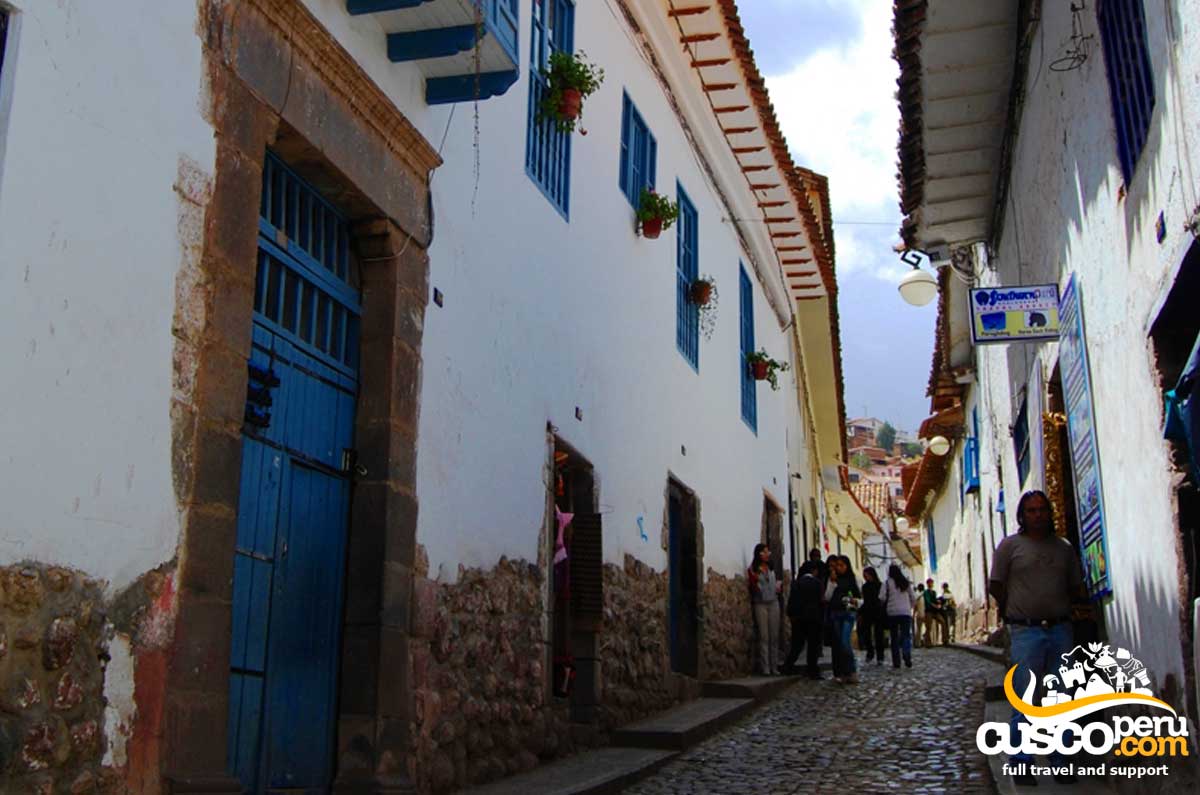
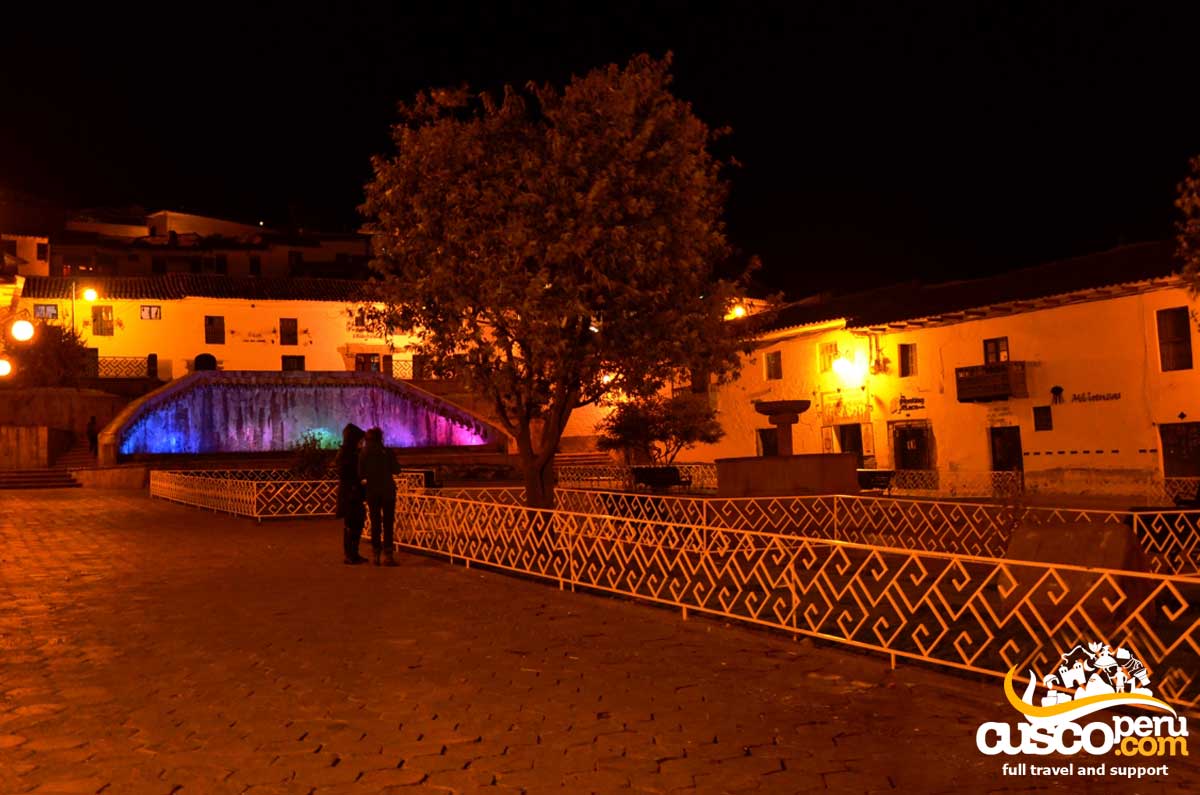
It is located in San Blas Square, in the traditional neighborhood of the same name, about a 10-minute walk from Cusco’s Main Square.
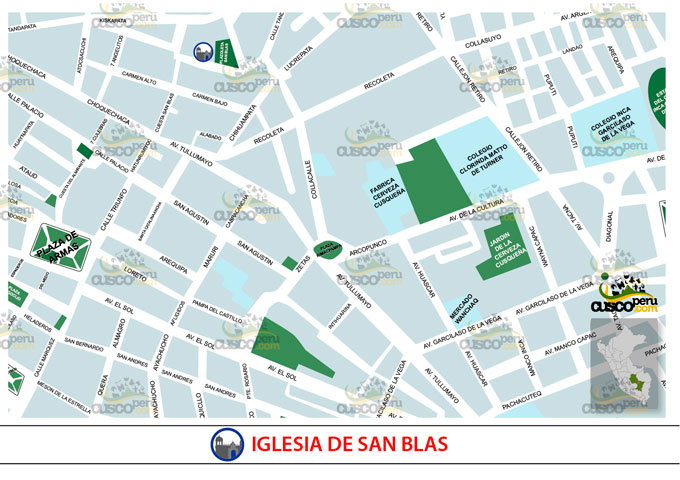
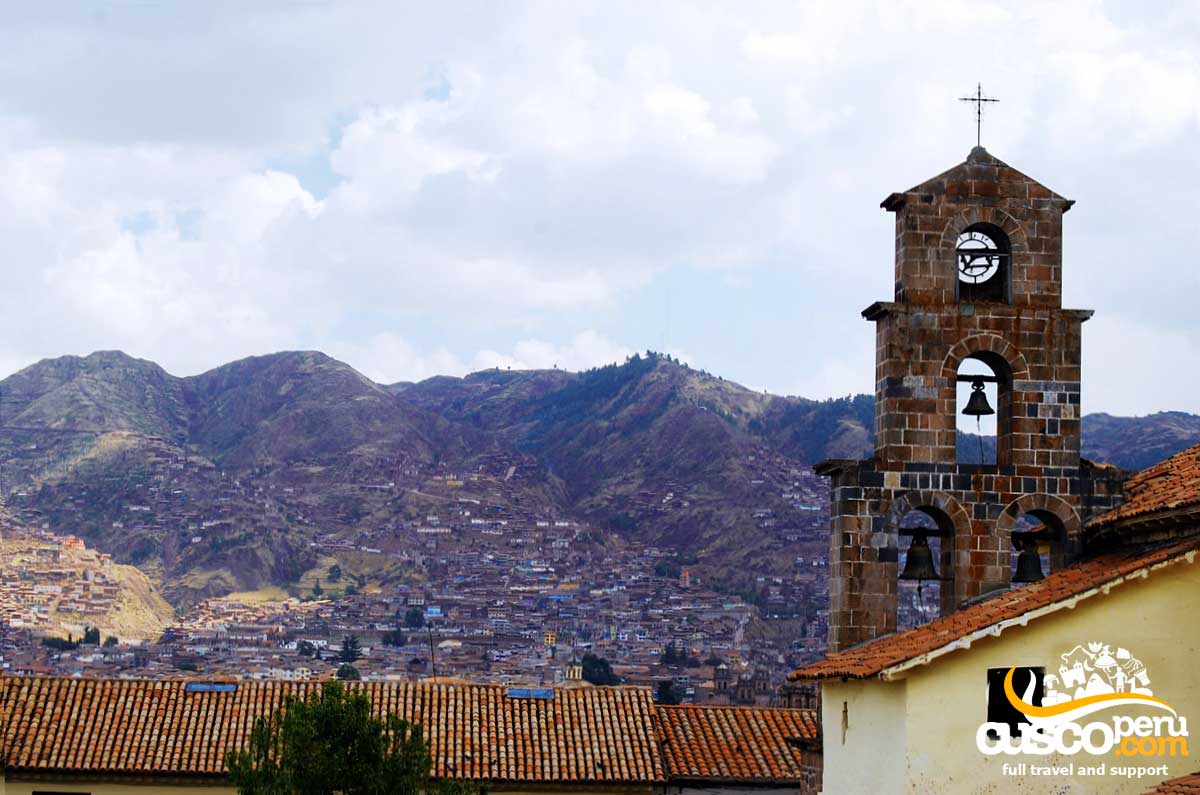
Its architecture is sober on the outside, yet contrasts with the ornamental richness of its interior, where Spanish influences blend with local native elements. The church is located in the traditional San Blas neighborhood, just a short distance from Cusco’s Main Square.
Structure: its design is simple, as is the case with several early parishes in Cusco. Among the materials used, stone and adobe stand out, both typical materials of the region that reflect the local architectural tradition.
Façade: the exterior façade is sober and modest, maintaining features of Andean Baroque style. One of its most distinctive elements is the balcony that served as an open chapel, from where ceremonies were held for those who could not enter the temple.
Interior: the main altar stands out as a masterpiece of colonial Cusco carpentry. It is carved in cedar and covered with gold leaf, featuring a highly elaborate Baroque style full of details and ornaments. In terms of ornamentation and art, the Church of San Blas has a valuable collection of paintings from the Cusco School, an artistic style that blends European Catholic iconography with indigenous influences.
Andean Baroque design: like many colonial churches in Cusco, the church’s design and decorative elements show indigenous influence, especially in the patterns and symbols used in the ornamentation.
Wood-carved pulpit
Its main attraction is the famous pulpit of San Blas, carved in cedar wood and attributed to Juan Tomás Tuyro Túpac. The work belongs to the second half of the 17th century and is considered one of the most remarkable pieces of colonial Cusco artistic carpentry.
At the top of the pulpit, visitors can appreciate the figure of Christ. The skill of the carver can be seen in the details of the human figures, especially in the facial expressions and the folds of the clothing.
Reference opening hours: Monday to Saturday, from 8:00 a.m. to 6:00 p.m.
Adult: S/ 15.00
Student: S/ 7.50
Note: Rates and opening hours may vary due to Masses, restorations, festivities, or internal regulations. It is recommended to verify the information before your visit.
Admission: tickets can be purchased individually or as part of the Religious Circuit Ticket, which includes religious sites such as the Cathedral, the Temple of the Triumph, the Temple of the Holy Family, the Temple of San Blas, the Temple of San Cristóbal, and the Archbishop’s Museum.

Happy passengers