
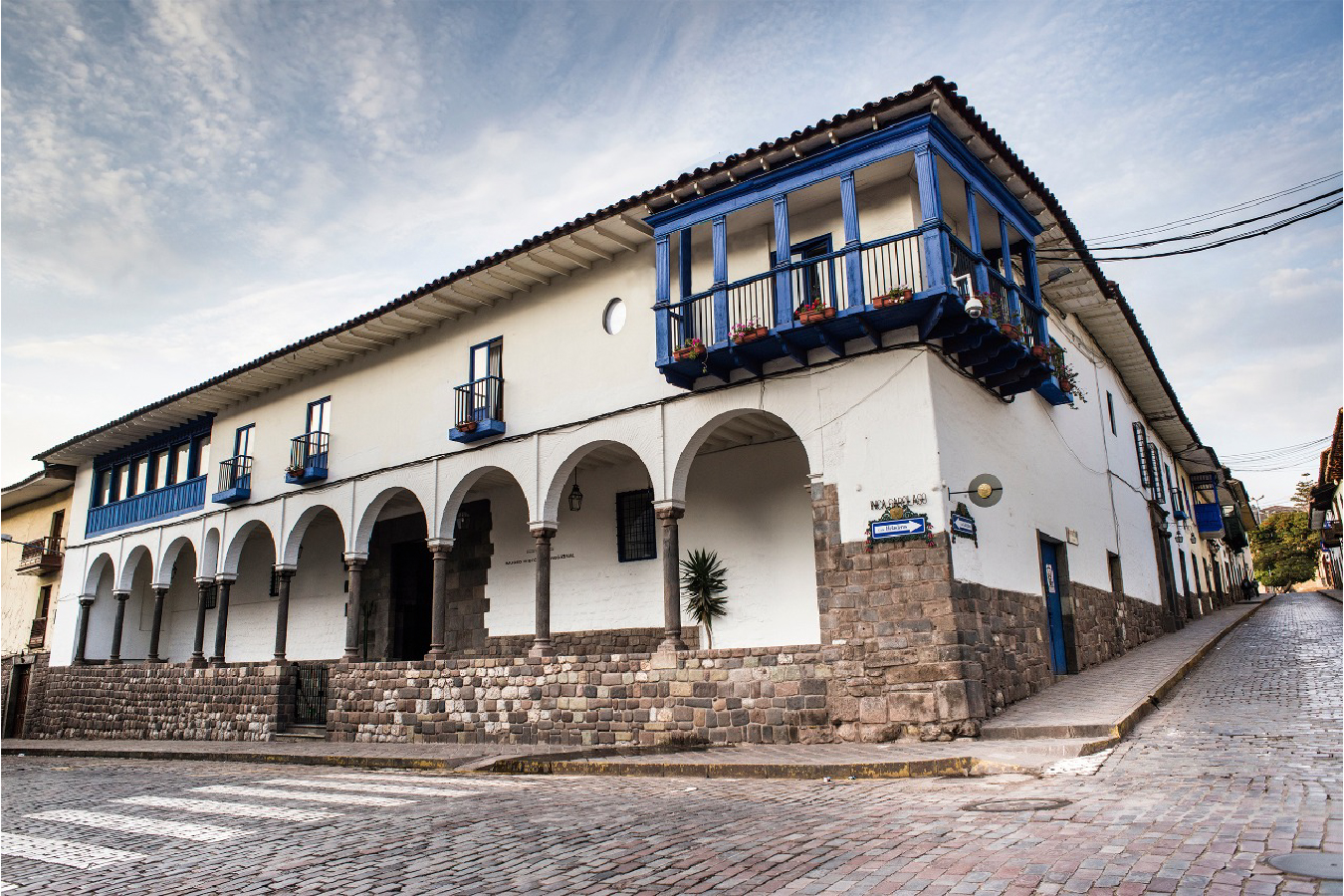
Located in the colonial mansion of the distinguished Cusco writer and chronicler Inca Garcilaso de la Vega, son of Sebastián Garcilaso de la Vega and Isabel Chimpu Ocllo, this house dates back to the 16th century and was modified in later periods. Garcilaso lived there until 1560, the year he left permanently for Spain. It was built over the Inca terraces that formed part of Plaza Cusipata. Architecturally, the building shows the influence of Andalusian civil architecture, organized around a central courtyard, with a gallery of semicircular arches, stone balconies on the eastern bay, and wooden balconies on the other bays of the second level. The building underwent restoration processes after the earthquakes of 1650, 1950, and 1986. Today, the museum is known as the Regional Historical Museum of Cusco.
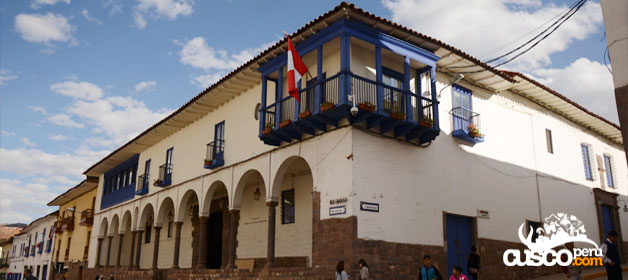
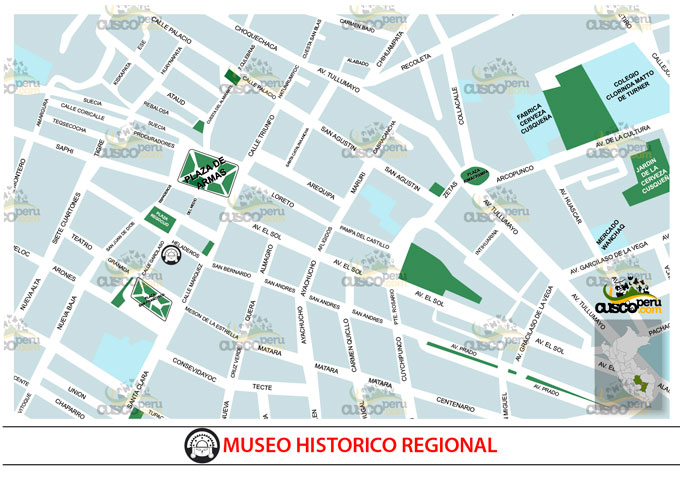
It is located on Garcilaso Street, at the intersection with Heladeros Street.
The museum offers visitors a beautiful collection of archaeological objects from pre-Inca and Inca cultures, as well as a select collection of colonial paintings that shows the remarkable achievements of Cusco artists. Its collections of pre-Hispanic archaeological cultural assets reveal Andean cultural development, covering all periods of Andean civilization: Preceramic Period, Formative Period or Early Horizon (Marcavalle and Chanapata), Middle Horizon (Wari), Late Intermediate Period (Killke and Lucre), and Late Horizon (Inca).
Regarding the viceregal, republican, and contemporary collections, the museum preserves paintings and sculptures from the so-called Cusco School, including works by Diego Quispe Tito, Pablo Chillitupa, and the Master of Almudena. It also contains notable sculptural works, including five reliefs by the Italian Jesuit brother Bernardo Bitti.
Reference opening hours: Monday to Sunday, from 8:00 a.m. to 5:00 p.m. (closed on calendar holidays)
Admission:
Admission is included in the Cusco Tourist Ticket, Circuit II, with reference rates of S/ 70 for adults and S/ 40 for higher education students within the corresponding circuit.

Happy passengers