

IMPORTANT NOTICE
We have received reports warning us that criminals are using the name and Peruvian Tax ID (RUC) of our company, CuscoPeru.com. Please note that we do not accept payments for electronic or related services.
Do not be deceived. Do not make deposits into accounts that are not linked to our RUC, and do not respond to communications from numbers other than our official contact number (984 709 080)
CuscoPeru.com is a tour operator. We do not provide services unrelated to tourism.
Peru’s official currency is the sol, whose symbol is S/. Each sol is divided into 100 céntimos.
The following coins are currently in circulation:
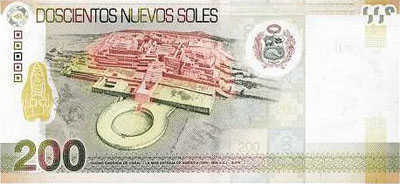
Banknotes currently in circulation have the following denominations:
These are the denominations recognized by the Central Reserve Bank of Peru.
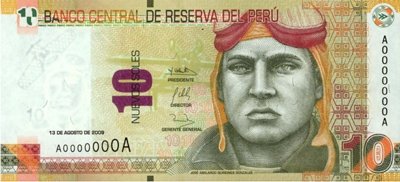
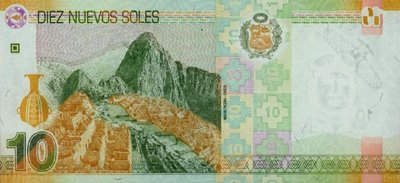

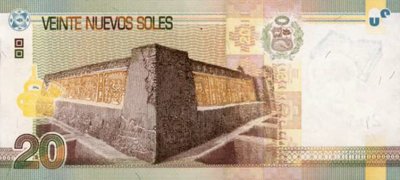
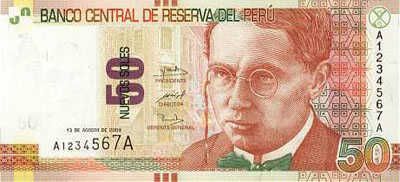
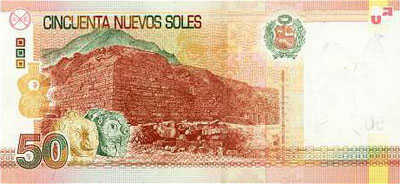
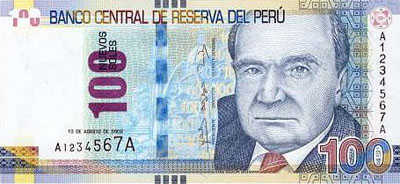
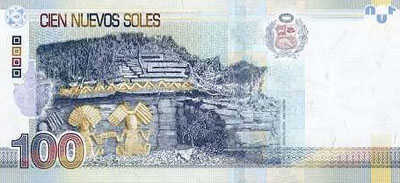
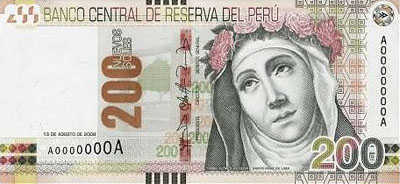
Although some hotels, travel agencies, restaurants, and tourist establishments accept US dollars, the sol is the currency generally used throughout the country.
For payments at markets, small shops, taxis, local restaurants, handicraft stalls, and rural communities, it is advisable to carry Peruvian soles, including some coins and low-denomination banknotes.
Before paying in US dollars, confirm the following:
Euros and other foreign currencies are not normally used for direct payments. Whether they can be exchanged depends on each bank or currency exchange office, so it is advisable to check in advance.
The exchange rate indicates how many Peruvian soles are paid or received for a foreign currency. There is no single rate used by every establishment, and rates may change throughout the day.
Two rates are generally displayed:
Buying rate: this rate is used when you exchange US dollars for Peruvian soles. The institution is buying your dollars.
Selling rate: this rate is used when you exchange Peruvian soles for US dollars. The institution is selling the dollars.
Before carrying out a transaction, compare the final amount you will receive and ask whether any additional fees apply.
The safest options are:
Banks and financial institutions
They may exchange foreign currency, although they can request identification and apply specific opening hours, requirements, or fees.
Registered currency exchange offices
They are commonly found at airports, in commercial areas, and in tourist districts. Before completing a transaction, check that the establishment is listed in the registry of Peru’s Superintendency of Banking, Insurance, and Private Pension Fund Administrators.
Registration is mandatory for currency exchange offices, and the registry administered by the SBS is public.
Hotels and tourist establishments
Some offer currency exchange services. Before accepting, compare the rate and ask whether a fee applies. It should not be assumed that hotels always offer a worse or better rate, as this depends on each establishment.
For safety, avoid exchanging large amounts of money in public places or with individuals whose activity cannot be verified.
The Central Reserve Bank of Peru recommends taking three actions when receiving a banknote:
Feel: feel the texture of the paper and the raised printing in certain areas.
Look: hold the banknote up to the light to check the watermark, security thread, and other visible features.
Tilt: tilt the banknote to observe color changes, the movement of certain images, and hidden features.
This procedure is known as “feel, look, and tilt.”
Check your money before leaving a bank counter, cashier, or establishment. Do not accept severely damaged banknotes or notes whose authenticity is uncertain.
Carry a combination of cash and cards. Cash is especially useful for small purchases, markets, tips, local transportation, and places located far from major urban areas.
Try to carry coins and S/ 10 or S/ 20 banknotes for small payments. Avoid using high-denomination banknotes for low-value purchases.
Before paying, confirm whether the price is stated in Peruvian soles or US dollars. The symbol S/ refers to the Peruvian sol, while US$ or USD identifies the US dollar.
When paying by card, check the amount and currency displayed on the payment terminal before authorizing the transaction.
When withdrawing money from an ATM, check the fee shown on the screen and review any additional charges that may be applied by the bank that issued your card.
Do not keep all your cash and cards in the same place. Store a separate amount for emergencies.
Request and keep receipts for significant currency exchange transactions, especially when exchanging large amounts.

Happy passengers