Table of Contents
It was and still is an ancestral tradition of the Aymara and Quechua peoples, in places we now know as Puno and Cusco.
According to the beliefs of the Andean peoples, after the longest night of the year and the coldest temperatures, Tayta Inti returns with good energy. Today, this celebration has been revalued as part of Andean identity, as a way to welcome a better year, because the Andean New Year means living well, in peace and harmony.
Each year, on this date, it begins as a symbol of spiritual and energetic renewal, marking a new agricultural cycle with the harvests. This day carries a message of balance between the spiritual and earthly worlds, leaving behind negativity and renewing goals for the coming period.
In South America, it is similar to other regions of the world, but with some differences related to geographic location. The winter solstice occurs around June 21. These dates are opposite to those of the Northern Hemisphere due to the reversal of the seasons.
During the winter solstice in South America, the sun reaches its lowest point in the sky and it is the shortest day of the year. Due to the continent’s tilt toward the south, countries such as Argentina, Chile, Uruguay, and parts of Brazil may experience shorter days and longer nights during this season.
The Andean New Year is a celebration held on June 21 in various Indigenous cultures of the Andes, such as in Cusco, because it symbolizes the rebirth of the Sun god. It is the Andean New Year, a time to live in peace and harmony, a new stage filled with good omens, and the beginning of a new agricultural and natural cycle.
The celebration is held on a large scale in two main places: the city of Cusco, better known as the "Navel of the World" in the Andean worldview, and regions of central Peru’s highlands such as Junín, where activities are also held that attract the interest and curiosity of travelers. It has also crossed borders and is now celebrated in other parts of the continent, such as northern Chile and southern Bolivia, coinciding with the winter solstice in the Southern Hemisphere.
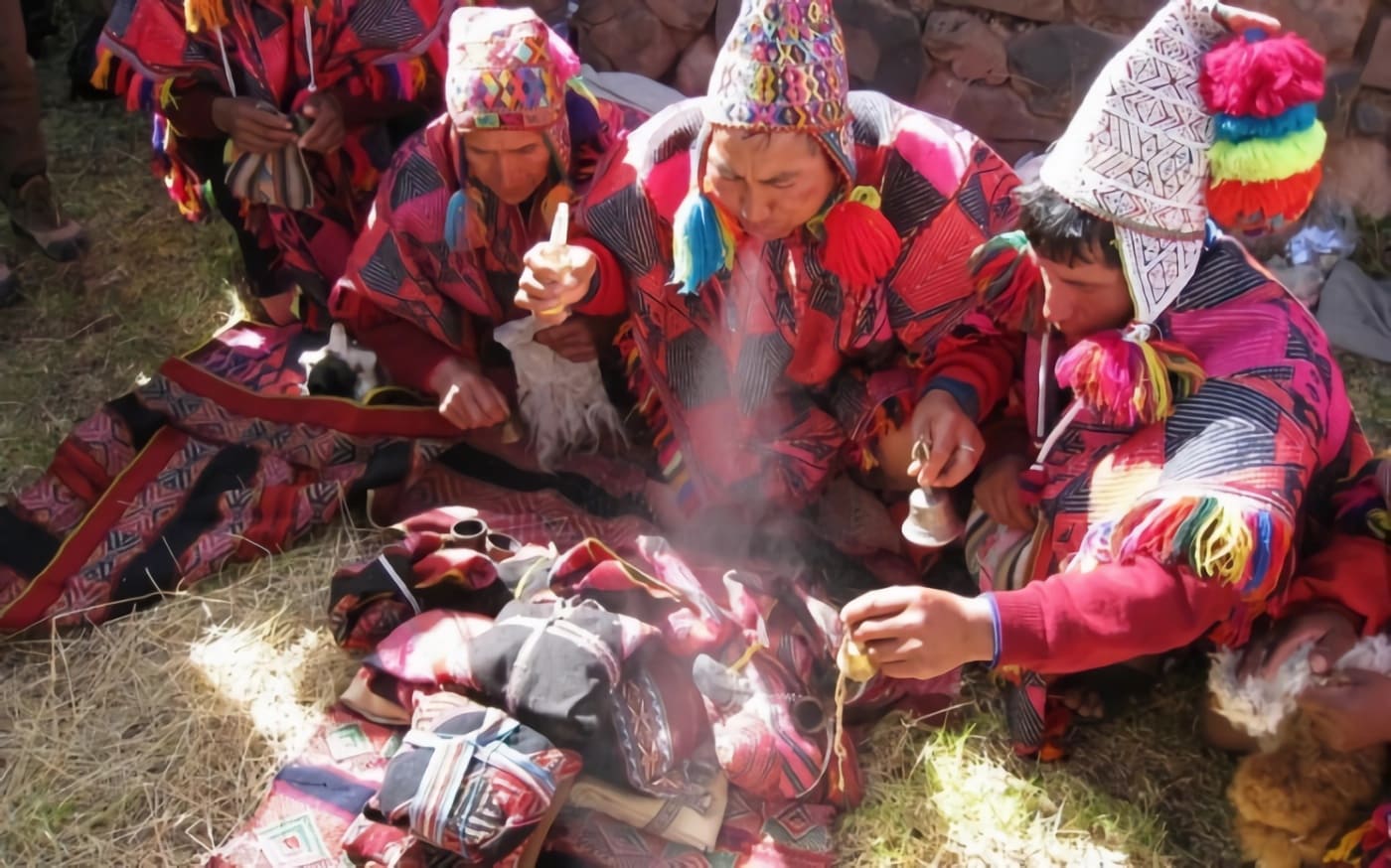
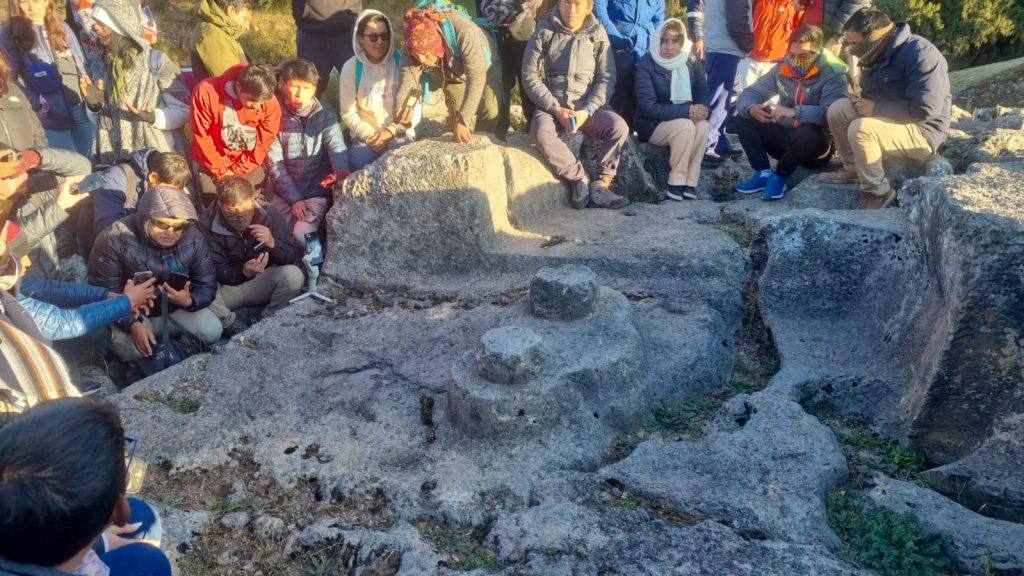
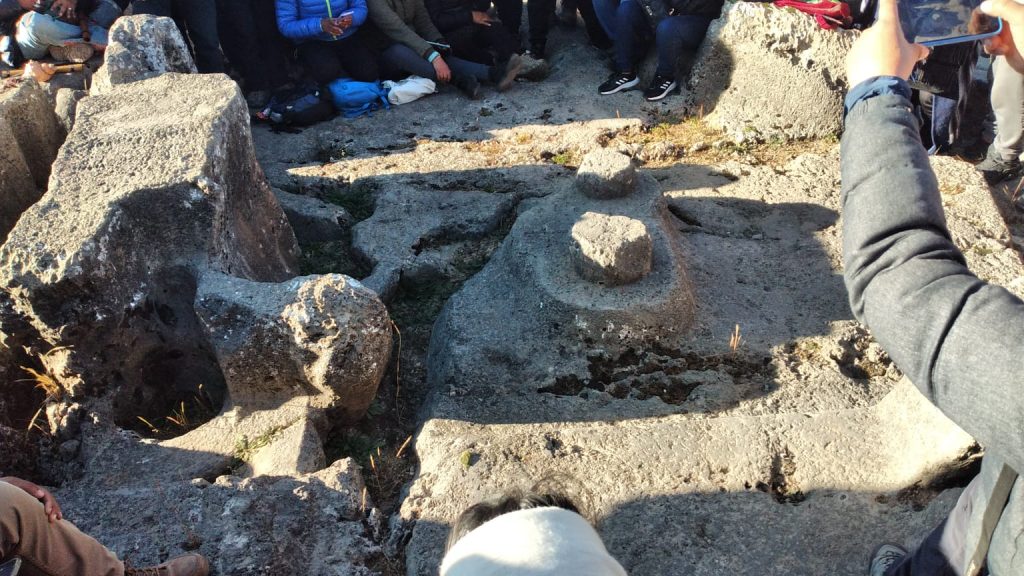
The celebration begins early, before sunrise, at ceremonial centers or viewpoints around the city such as Q’enqo, Q’oricancha, and Machu Picchu. The ritual consists of placing offerings to Pachamama, while Andean priests known as “pampamisayoq” give thanks for good harvests. Travelers from different parts of the world also take part in this ceremony, receiving the first rays of sunlight with their hands raised, in the presence of the protective apus such as Ausangate, Huanacaure, and Salkantay, along with offerings to Mother Earth.

Happy passengers