

Its origin is linked to the donation of a collection of archaeological pieces made by Monsignor Leonidas Bernedo Málaga. Over time, the museum expanded its collections thanks to archaeological research, donations from scholars, and contributions related to the regional history of Arequipa.
Today, it preserves thousands of cultural objects, including ceramics, wood, textiles, mummies, lithic objects, metals, weapons, furniture, and paintings of great historical and cultural value. Its permanent exhibition, titled “The Cultural Development of the Pre-Hispanic Arequipa Region,” presents archaeological materials linked to different periods of regional history, as well as viceregal and republican-era objects.
The museum preserves archaeological objects from research carried out in the Arequipa region, as well as donations from collectors and researchers interested in Peruvian culture. Its collection offers insight into the cultural development of the southern Andes, from the earliest human settlements to later pre-Hispanic periods.
Among its collections are ceramic pieces, pre-Hispanic textiles, mummified remains, lithic objects, metals, viceregal furniture, and paintings from the Cusco School. It also exhibits materials associated with cultures such as Paracas, Nazca, Tiwanaku, Wari, Chuquibamba, Churajón, and Inca, according to classifications presented by tourism and university sources.
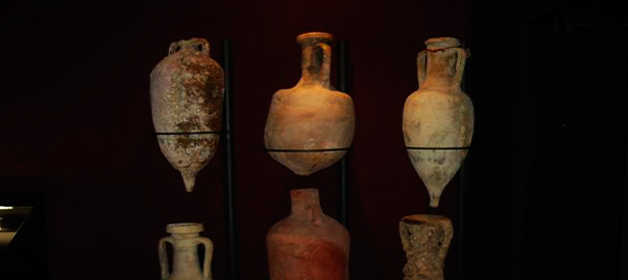
The José María Morante Maldonado Archaeological Museum is located at Álvarez Thomas 200, in the historic center of Arequipa, just a few minutes on foot from the Main Square. Thanks to its central location, it can be easily visited during a walk through the historic center.
The museum currently holds around eight thousand cultural objects, including ceramics, bones, pre-Hispanic textiles, mummies, lithic objects, metals, and more. One of its most valuable collections is the group of keros, or ceremonial vessels, known as the Yábar Collection. Below are some of the most impressive collections that can be found in the museum:
Visiting hours are Monday to Friday from 8:30 a.m. to 3:15 p.m.
Admission fees vary for adults, students, and children. Updated prices can be checked on site.
Adults: S/ 5.00
University / higher education students: S/ 2.00
Schoolchildren: S/ 1.00

Happy passengers