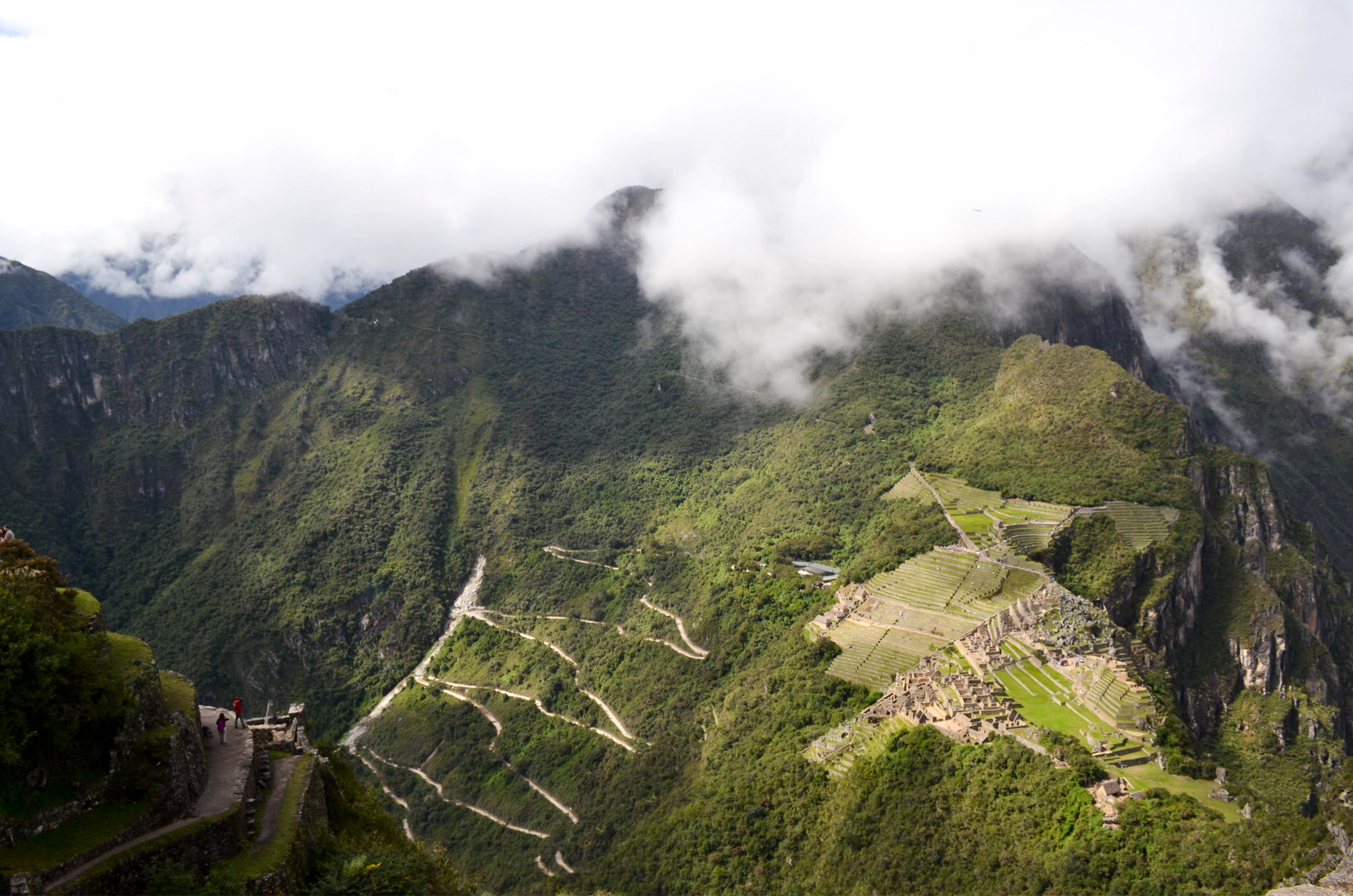
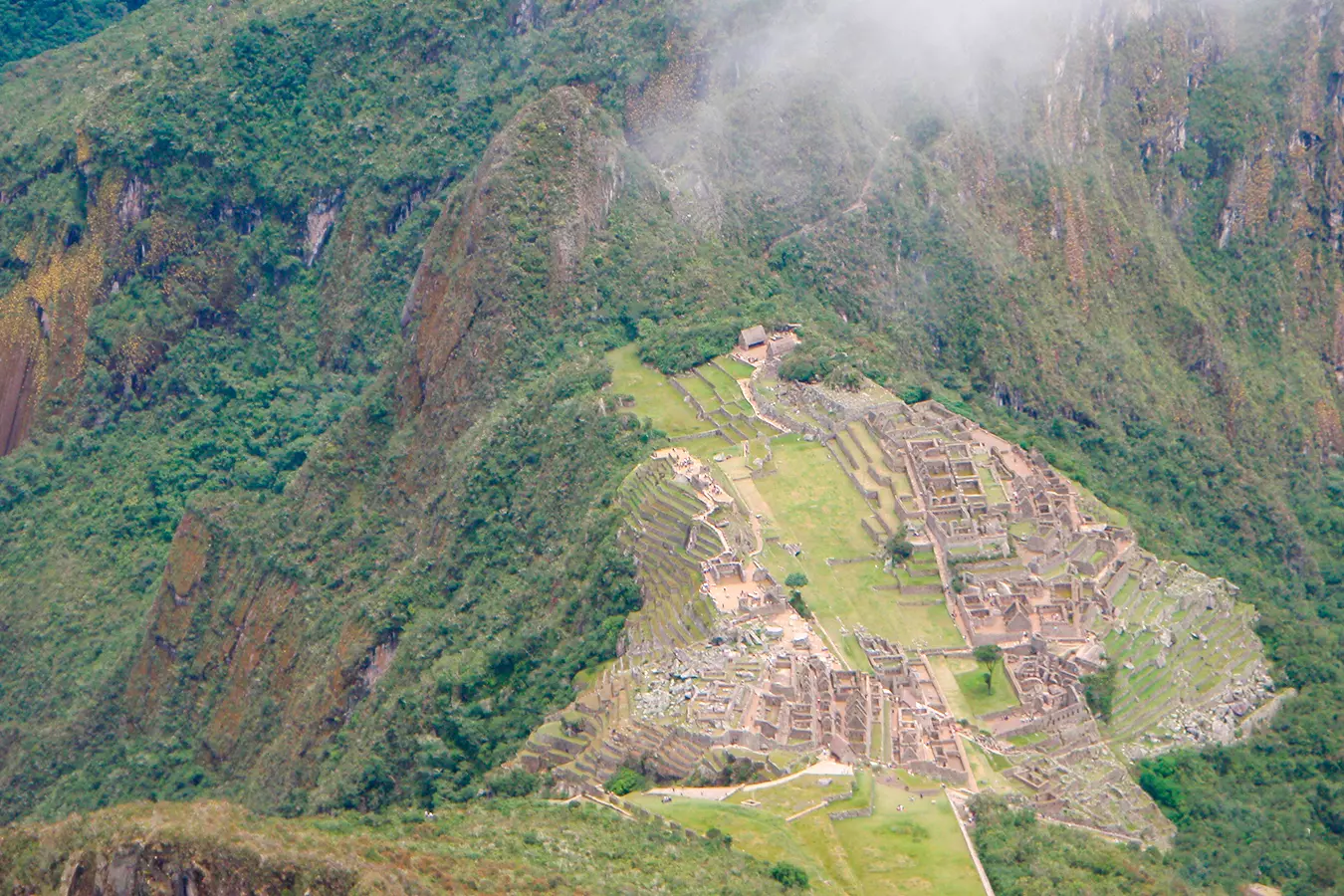
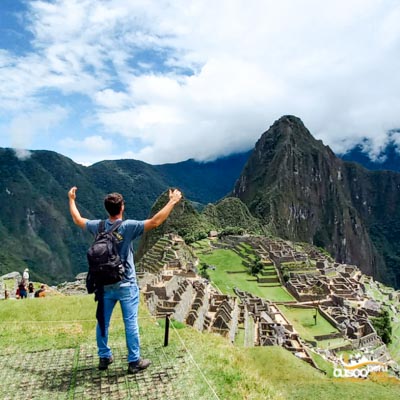
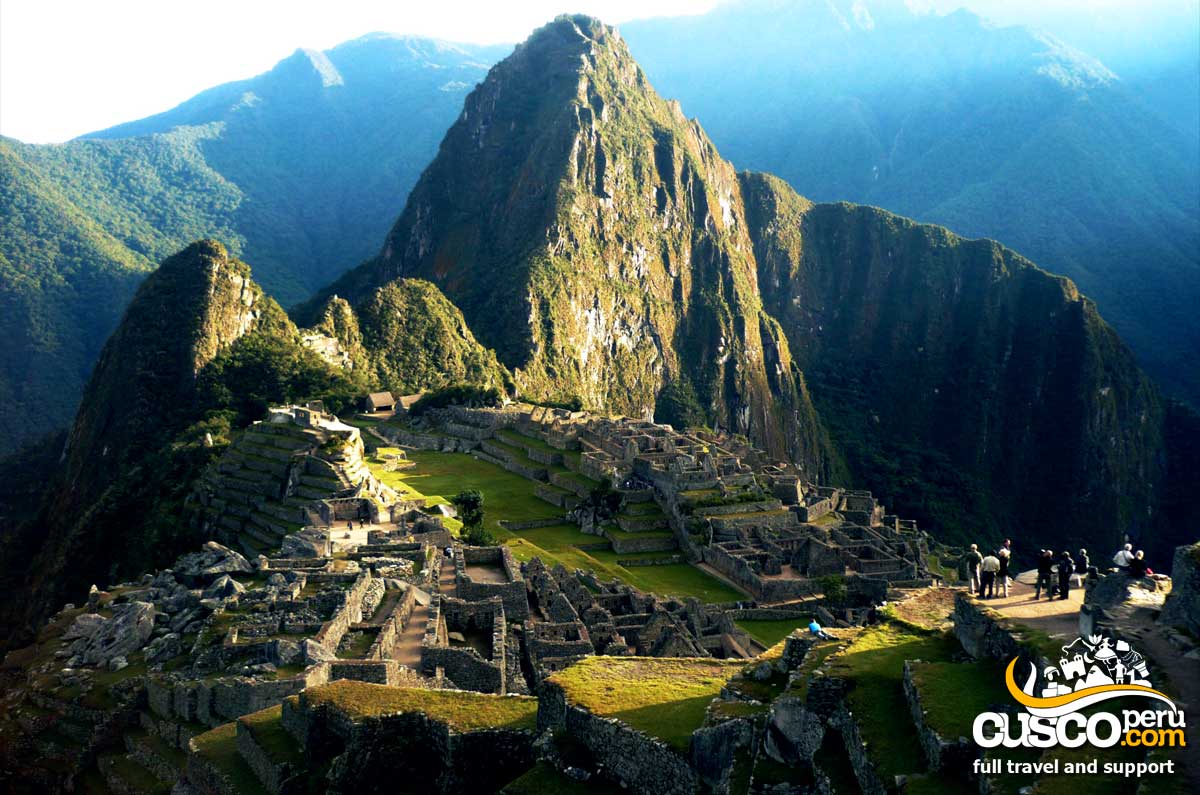
Machu Picchu es una ciudadela inca que destaca por sus logros artísticos, arquitectónicos y sus impresionantes construcciones de piedra, talladas con precisión y detalle. Una de las obras más emblemáticas de la civilización inca, construida en una montaña que desciende por la ladera del cerro hasta llegar a las orillas del río Vilcanota, antes la ruta era inaccesible a la ciudadela inca, pero hoy en día se puede visitar por 3 circuitos y 10 rutas, oficializado desde el 1 de junio de 2024.
¿Por dónde Empezar?
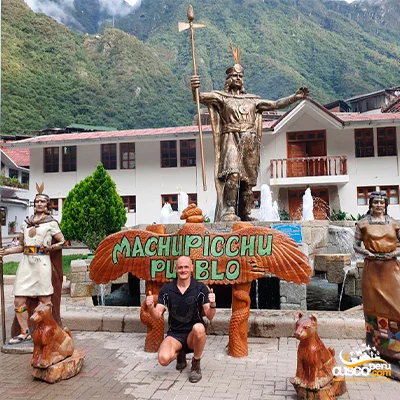
Una vez elegida la fecha de su viaje, lo más importante es planificar cómo llegar, elegir el hospedaje y decidir qué actividades hará durante su estadía. Existen múltiples opciones, pero CuscoPeru.com te recomienda pernoctar en Machu Picchu Pueblo, desayunar en el mercado de Aguas Calientes y luego ascender al Santuario Histórico de Machu Picchu.
Si quieres visitar Machu Picchu, nosotros podemos organizar su itinerario con seguridad y facilidad, contáctanos y nuestros agentes de viajes le ayudarán a organizar su itinerario a Cusco.
Si ya tienes clara la fecha de viaje y prefieres evitar la coordinación de trenes, ingresos y traslados por separado, nuestros
Tours a Machu Picchu te permiten organizar la visita de forma más práctica, con asistencia desde Cusco y opciones pensadas para distintos tiempos de viaje.
ATRACTIVOS:
Camino Inca a Machu Picchu
El Camino Inca a Machu Picchu, se ha divido en varias rutas y varios tramos, la mayoria de ellos parten del: Km 82, y Km…
Ecología en Machu Picchu
Descubre la riqueza ecológica de Machu Picchu, donde se combinan especies únicas de fauna y flora en un entorno natural impresionante.
Montaña Huayna Picchu
Huayna Picchu está ubicada hacia el norte de la ciudad inca de Machu Picchu. Subir a la montaña desde Machu Picchu demora entre 45 a…
Aguas Calientes - pueblo de Machu Picchu
Llamado antes Aguas Calientes, nació como consecuencia de la gran afluencia de visitantes que llegaba, en grupos crecientes, a visitar el complejo arqueológico adyacente y…
Montaña Machu Picchu
La Montaña Machu Picchu es una de las mejores opciones de viaje para todos aquellos amantes de la aventura y las caminatas. A pesar de…
Nuevos circuitos a Machu Picchu
sabemos que vienes de visita a la ciudad de Cusco y forzosamente no podrás recorrer la ciudad Machu Picchu porque las entradas están agotadas.
¿Cómo llegar a Machu Picchu?
Lo primero que debe hacer es llegar a la ciudad del Cusco, ya sea por vía terrestre o aérea. Una vez en Cusco, tienes dos principales opciones para llegar a Machu Picchu:
Camino Inca hacia Machu Picchu
Es una buena alternativa si buscas aventura y conexión con la historia de la ciudadela, el Camino Inca inicia en el KM 82 de la vía férrea Cusco-Machu Picchu. Este recorrido dura 4 días y 3 noches, permitiéndote transitar el antiguo camino de piedra hasta la ciudadela inca. También existe una versión más corta del Camino Inca, con una duración de 2 días y 1 noche, partiendo desde el Km 104.
Si desea realizar este camino, es necesario reservar su boleto con al menos 5 meses de anticipación, ya que las entradas son limitadas. La mejor manera de asegurar su ingreso es a través de agencias de viaje, que gestionan todos los trámites necesarios para que disfrute de la experiencia sin preocupaciones. El acceso se realiza en grupos de mínimo 10 personas y guías experimentados que lo asistirán durante todo el recorrido.
Vía Tren
Otra opción más cómoda es llegar en tren. Para ello, es recomendable que adquiera su billete con al menos un mes de anticipación para asegurar disponibilidad. Puede comprar los boletos en la estación de San Pedro en Cusco o en la estación de tren de Poroy, ubicada a 20 minutos de la ciudad. También encontrará salidas desde Ollantaytambo.
El trayecto en tren hasta Machu Picchu Pueblo (Aguas Calientes) dura aproximadamente 4 horas. Desde allí, tiene dos maneras de ascender a la ciudadela de Machu Picchu:
- En bus: Un recorrido de 20 minutos.
- A pie: Caminata de aproximadamente 1 hora y 30 minutos, sin costo adicional.
Si está interesado en alguna de estas rutas, le mostramos más información para visitar Machu Picchu:
¿Dónde Dormir?
Si planea visitar Machu Picchu, la mejor opción para pasar la noche es Aguas Calientes (Machu Picchu Pueblo), ya que es el punto más cercano al Parque Arqueológico. Encontrará hoteles que se adaptan a distintos presupuestos, desde hoteles de lujo hasta opciones más económicas. Sin embargo, es importante considerar que los hospedajes más accesibles pueden tener una infraestructura y servicios más básicos.
Si prefiere un ambiente más tranquilo antes de continuar su viaje hacia Machu Picchu es recomendable dormir en Ollantaytambo.
Muchos visitantes eligen pasar la noche en Aguas Calientes para madrugar y subir temprano al complejo arqueológico, aprovechando al máximo su visita. Si desea que lo ayudemos a elegir y reservar el alojamiento, contáctanos y encontraremos la mejor opción para ti.
📌 Machu Picchu cuenta con hoteles de distintas categorías, desde 1 hasta 5 estrellas, todos con servicios que harán tu estadía más placentera.
Información General De Machu Picchu
Antes de su viaje, asegúrese de verificar la disponibilidad de boletos para ingresar a la ciudadela de Machu Picchu. El acceso está limitado a 4500 visitantes por día en temporada regular, y hasta un máximo de 5600 en temporada alta; por lo que es recomendable reservar con anticipación. Puede adquirir su entrada a través de una agencia de viajes o directamente en: www.machupicchu.gob.pe.
Mercado artesanal
En el mercado artesanal de Machu Picchu encontrarás una gran variedad de artículos decorativos, utilitarios y souvenirs de excelente calidad, inspirados en el arte incaico, colonial y contemporáneo, haciendo de este mercado un lugar ideal para llevarse un recuerdo especial de la visita.
Tours que incluyen una visita a Machu Picchu Ubicación de Machu Picchu
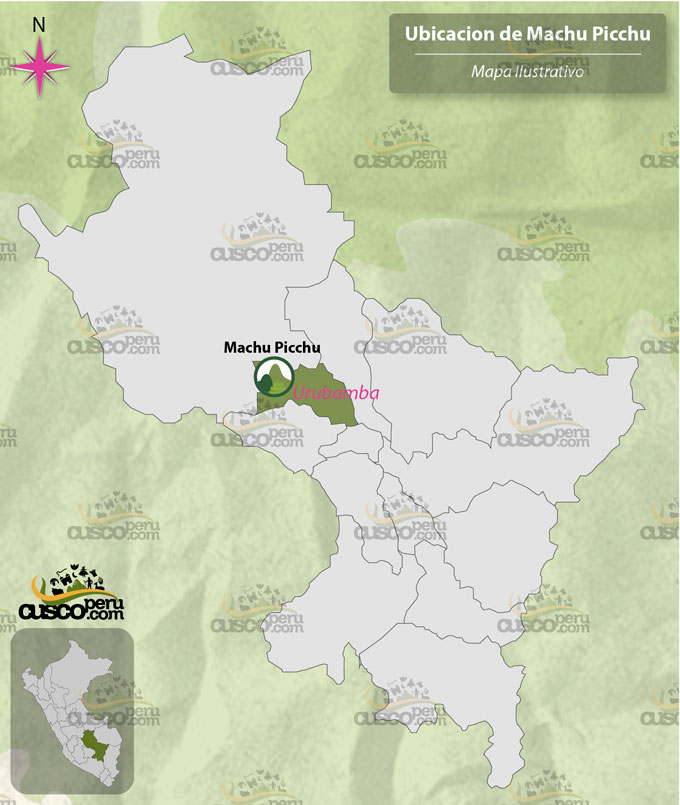
La zona arqueológica de Machu Picchu se encuentra en la margen izquierda del río Vilcanota, en la quebrada de Kusi Chaka, hasta la desembocadura del río Aobamba. Está situada en el distrito de Machu Picchu, provincia de Urubamba, en el departamento de Cusco, Perú. Se ubica aproximadamente 112.5 km al noreste de la ciudad del Cusco.
Datos importantes sobre Machu Picchu
El Santuario Histórico de Machu Picchu se encuentra en una zona subtropical húmeda, con abundante vegetación y lluvias durante gran parte del año.
Clima:
Época de lluvias (Diciembre - Abril)
Época seca (Mayo - Noviembre)
Entre los meses de abril y octubre, las temperaturas nocturnas pueden descender considerablemente. Durante las primeras horas de la mañana, la temperatura aumenta progresivamente hasta pasado el mediodía.
Altitud:
Ciudadela de Machu Picchu
Machu Picchu Pueblo (Aguas Calientes)
Precios referenciales:
Los precios mostrados son aproximados, por lo que puede haber variaciones de acuerdo al establecimiento donde los compre.
Qué hacer en el pueblo de Aguas Calientes
Estas son algunas sugerencias de lo que puede hacer en Machu Picchu.
- Después de visitar Machu Picchu, puede relajarse en las aguas termales del pueblo de Aguas Calientes ubicado a 800 metros del centro del pueblo. Lleve su toalla y ropa de baño porque hay camerinos donde podrá cambiarse.
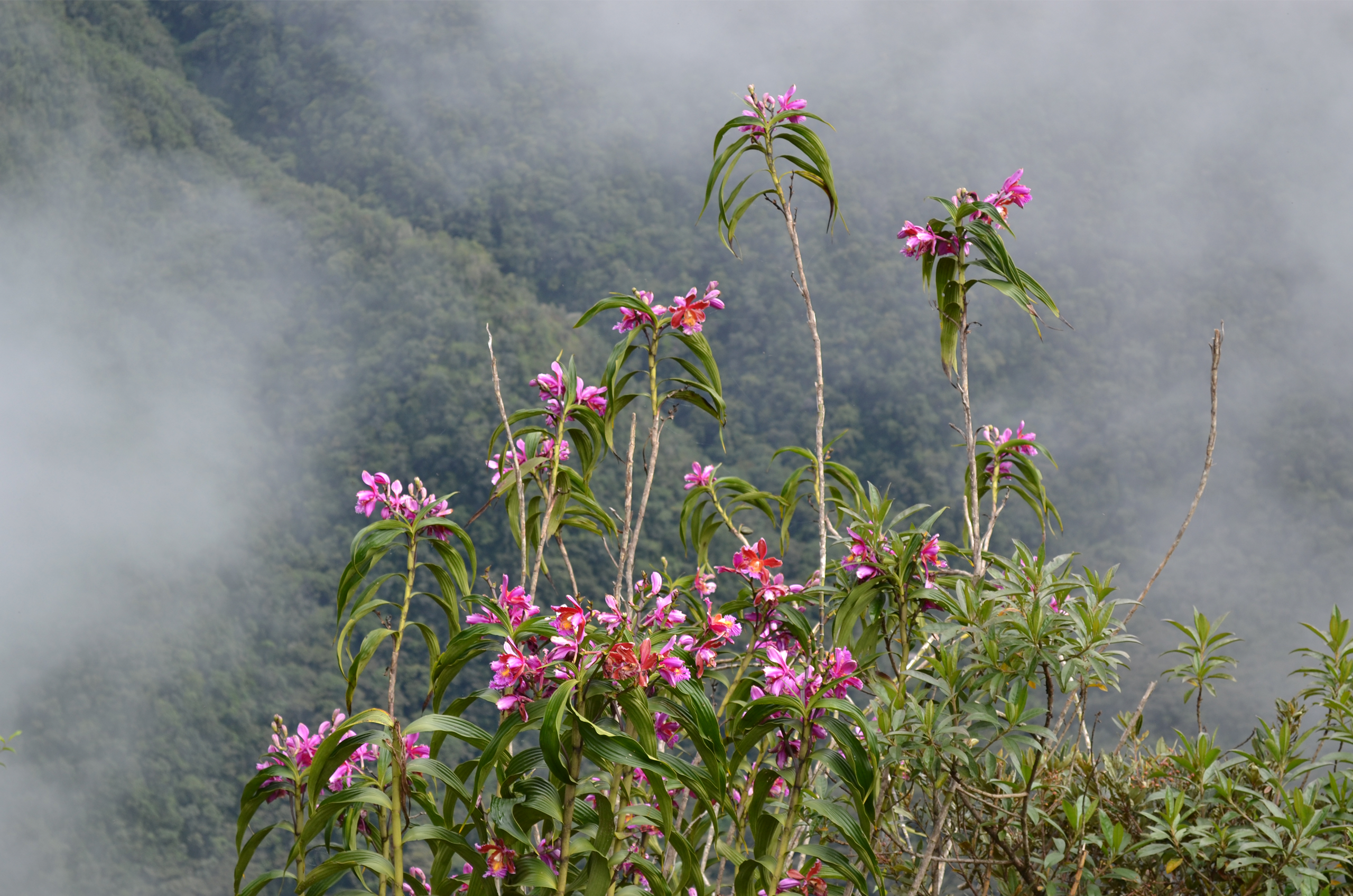
- Visitar el museo de sitio de Manuel Chávez Ballón, da una idea de integración entre naturaleza y arqueología que caracteriza al santuario. Se puede llegar siguiendo el camino señalizado por donde circulan los buses pasando el “Puente Ruinas”, se encuentra a unos 30 minutos caminando desde el mismo pueblo de “Aguas Calientes”. Este museo alberga objetos entre artefactos, herramientas de construcción, espejos y agujas. También muestra la forma en que se trabajó la cantera de piedra para la construcción de la ciudadela. Aquí podrá observar una infinidad de plantas ornamentales, medicinales y alimenticias propias del lugar. Vemos abundantes orquídeas que son uno de los mejores tesoros guardados del santuario, aquí existen más de 350 especies entre las que destacan wakankis, el zapatito de reina y la wiñay wayna.
- Escalar el Putucusi y apreciar de manera diferente la ciudadela de Machu Picchu, le recomendamos revisar si el lugar está aperturado.
- Subir al Huayna Picchu es una escalada al monte que acompaña a Machu Picchu si bien contiene importantes construcciones incas su acceso no es fácil. Podrás apreciar desde andenes construidos al borde del precipicio, la famosa silla del inca, pasajes y túneles, piedras labradas, vestigios de Inkarakay (una fortaleza colgante en media montaña) y disfrutar de una vista que incluye la ciudadela, el río Vilcanota, el Cañón y el nevado del Salkantay.
¿Listo para vivir la experiencia de Machu Picchu? Escríbenos a info@cuscoperu.com y te ayudaremos a planificar tu viaje.
Recomendaciones