It was and still is an ancestral tradition of the Aymara and Quechua peoples, in places we now know as Puno and Cusco.
According to the beliefs of the Andean peoples, after the longest night of the year and the coldest temperatures, Tayta Inti returns with good energy. Today, this celebration has been revalued as part of Andean identity, as a way to welcome a better year, because the Andean New Year means living well, in peace and harmony.
Each year, on this date, it begins as a symbol of spiritual and energetic renewal, marking a new agricultural cycle with the harvests. This day carries a message of balance between the spiritual and earthly worlds, leaving behind negativity and renewing goals for the coming period.
In South America, it is similar to other regions of the world, but with some differences related to geographic location. The winter solstice occurs around June 21. These dates are opposite to those of the Northern Hemisphere due to the reversal of the seasons.
During the winter solstice in South America, the sun reaches its lowest point in the sky and it is the shortest day of the year. Due to the continent’s tilt toward the south, countries such as Argentina, Chile, Uruguay, and parts of Brazil may experience shorter days and longer nights during this season.
The Andean New Year is a celebration held on June 21 in various Indigenous cultures of the Andes, such as in Cusco, because it symbolizes the rebirth of the Sun god. It is the Andean New Year, a time to live in peace and harmony, a new stage filled with good omens, and the beginning of a new agricultural and natural cycle.
The celebration is held on a large scale in two main places: the city of Cusco, better known as the "Navel of the World" in the Andean worldview, and regions of central Peru’s highlands such as Junín, where activities are also held that attract the interest and curiosity of travelers. It has also crossed borders and is now celebrated in other parts of the continent, such as northern Chile and southern Bolivia, coinciding with the winter solstice in the Southern Hemisphere.
The celebration begins early, before sunrise, at ceremonial centers or viewpoints around the city such as Q’enqo, Q’oricancha, and Machu Picchu. The ritual consists of placing offerings to Pachamama, while Andean priests known as “pampamisayoq” give thanks for good harvests. Travelers from different parts of the world also take part in this ceremony, receiving the first rays of sunlight with their hands raised, in the presence of the protective apus such as Ausangate, Huanacaure, and Salkantay, along with offerings to Mother Earth.
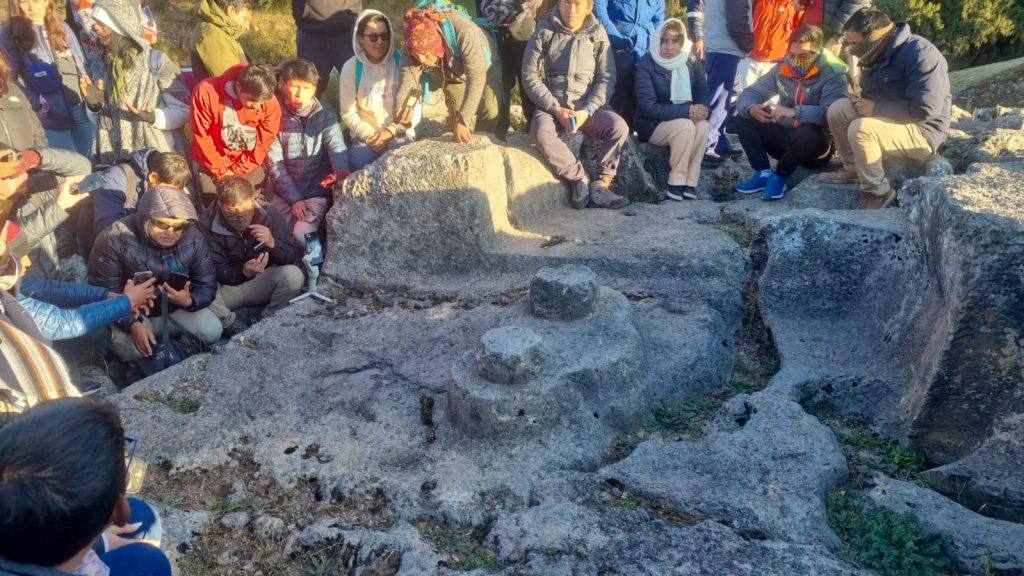
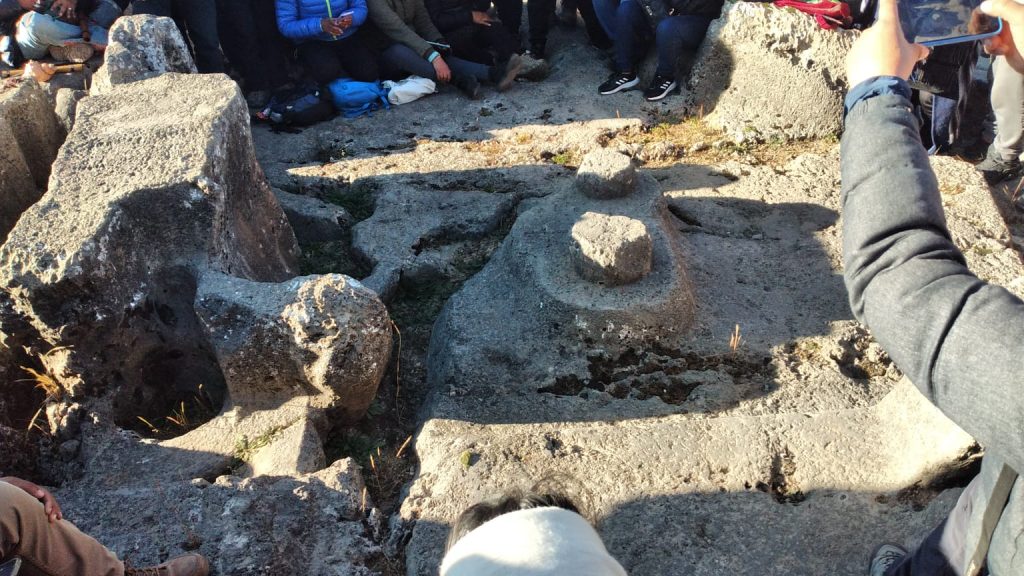
Come discover the incredible and traditional Inti Raymi in the historical capital of Peru!
The Festival of the Sun, better known by its Quechua name, Inti Raymi, is one of the main festivities in the city of Cusco. This celebration is filled with chants in Quechua, traditional dances, and colorful costumes from the Inca period.
This annual festival is held during the winter solstice and is one of the most anticipated dates in Peru.

Inti Raymi is an ancient Inca religious celebration in which worship was paid to the Sun god, or Inti, in Cusco. During the Inca period, Inti Raymi lasted about 15 days, during which sacrifices were performed and dances were presented to worship Inti. The last Inti Raymi held in the presence of the Inca emperor took place in 1535, one year before the Spanish conquest.
Today, Inti Raymi is a theatrical reenactment attended by thousands of people from Cusco and visitors from different parts of the world, who gather to take part in this important cultural and traditional expression of Cusco.
The sun was, and still is, the main object of worship in Inti Raymi, as it represents its essence and source of life. For the Inca Empire, it was the supreme god and one of the most important celestial bodies in the Andean world. In this celebration, the sun marks the beginning of a new yearly cycle, which is why offerings and rituals were dedicated to it, so that the Inca kingdom would prosper throughout the year.
The term Inti Raymi comes from Quechua; Inti means sun and Raymi means festival or celebration, so Inti Raymi translates as “festival or celebration of the sun”.
Inti Raymi was the largest and most important celebration held during the time of the Tahuantinsuyo Empire. Their religion was based on the worship of the sun, which was established in the 15th century by the Inca Pachacútec as a religious reform.
This ceremony included the acllas, the ayllus, the imperial Inca army, representatives of each suyo, and other authorities, bringing together nearly the entire population of Tahuantinsuyo.
The entrance of the Inca into the Plaza de Armas or the esplanade of Sacsayhuamán was a solemn moment. The ceremony was preceded by the acllas, who scattered flowers, and by the pichaq, men who, using straw brooms, drove away evil spirits. In his public appearances, the Inca was accompanied by his kumillo (a hunchbacked dwarf), who held the achiwa, a parasol made of colorful feathers.
During the conquest, Inti Raymi continued to be celebrated in secret. Later, the mestizo Inca Garcilaso de la Vega preserved the memory of this celebration in his work Royal Commentaries.
Different peoples of the Andes were already observing the sky, the solstices, and the equinoxes to organize agriculture. For that reason, the Incas inherited this solar tradition and took it to its highest expression during the government of Pachacútec. In addition, this celebration was also a political tool to unify the four suyos around Cusco and legitimize the Inca as the “son of the Sun”.
This celebration evolved until it became the most important festival of the empire, as a ritual of the Andean New Year and as a renewal of the pact between the Sun, the Inca, and Tahuantinsuyo. During the colonial period, the Spanish considered it an “idolatrous” rite and banned it as a public celebration. In 1944, artists from Cusco recreated Inti Raymi based on chronicles such as those of Garcilaso, and the theatrical version we know today was born.

The staging of Inti Raymi began with the proposal of Humberto Vidal Unda, an initiative to recreate an Inca ceremony, which until that time had only been a small theatricalization of an Inca celebration.
That was how, in 1944, a performance was held for the first time, which today we know as “Inti Raymi”. Likewise, June 24 of every year was established as Cusco Day.
The first Inti Raymi celebrated after the Spanish conquest featured don Faustino Espinoza Navarro, the first actor to portray the Inca, a writer and actor from Cusco and founder of the Academia Mayor de la Lengua Quechua.
In 2001, Inti Raymi was declared Cultural Heritage of the Nation and an Official Act of National Identity.
| Inti Raymi | Inca Inti Raymi | Modern Inti Raymi |
|---|---|---|
| Description | A festival full of color, dance, and devotion, as well as rites and offerings to the Sun God. | A celebration that revalues the traditions and customs of our Inca ancestors. |
| Duration | 15 days before the winter solstice | 1 day, June 24 |
| Year | 1430 - 1532 A.D. | 1944 - Present |
| Attendance | 50,000 inhabitants of Tahuantinsuyo | 100,000 to 150,000 attendees from different parts of the world and approximately 1,000 actors, including musicians, dancers, etc. |
Inti Raymi is celebrated every June 24. This day not only represents the celebration of the sun, but it is also Cusco Day, and throughout the month many performances take place, especially on the main day, June 24, with the reenactment of Inti Raymi, where hundreds prepare to deliver their best artistic performance.
In 2026, the celebration of Inti Raymi will once again take place on June 24, with music, traditional dances, and an unforgettable theatrical performance.
Today, Inti Raymi is celebrated with great color and tradition. Everything begins very early, when the entourage of the Inca and the Qoya (his wife) set out in procession.
In the gardens of Qoricancha, a ceremony greeting the sun is held with the music of quenas and drums. This is the most spiritual moment, with the sun rising over the mountains.
Later, they head toward the Plaza de Armas, where the Inca arrives carried by his warriors, and, in the same way, the Qoya, the Inca’s wife, also arrives.
From an elevated platform, the Inca delivers a speech to the people in Quechua, asking the Sun for protection and announcing prosperity. Then, the traditional dances of Cusco begin.
The most anticipated moment of the day takes place in Sacsayhuamán, the main site where the Inca, the Qoya, the priests, the warriors, and the regional delegations gather to carry out the main ceremony in honor of the sun, with a parade of the four suyos in their own costumes, feathers, and dances.
Every June 24, this Inca tradition begins in the morning. The first staging takes place at the Temple of the Sun, Coricancha or Santo Domingo; then it continues in Cusco’s Main Square and, finally, moves to the esplanade of Sacsayhuamán, where the performance lasts approximately 2 hours. It usually ends around 3:30 p.m., although it may continue for a few more minutes.
| Place | Time | |
|---|---|---|
| First part: | Qoricancha - Temple of the Sun | 9:00 a.m. |
| Second part: | Huacaypata - Plaza de Armas of Cusco | 10:30 a.m. approx. |
| Third part: | Fortress of Sacsayhuamán | 1:00 p.m. approx. |
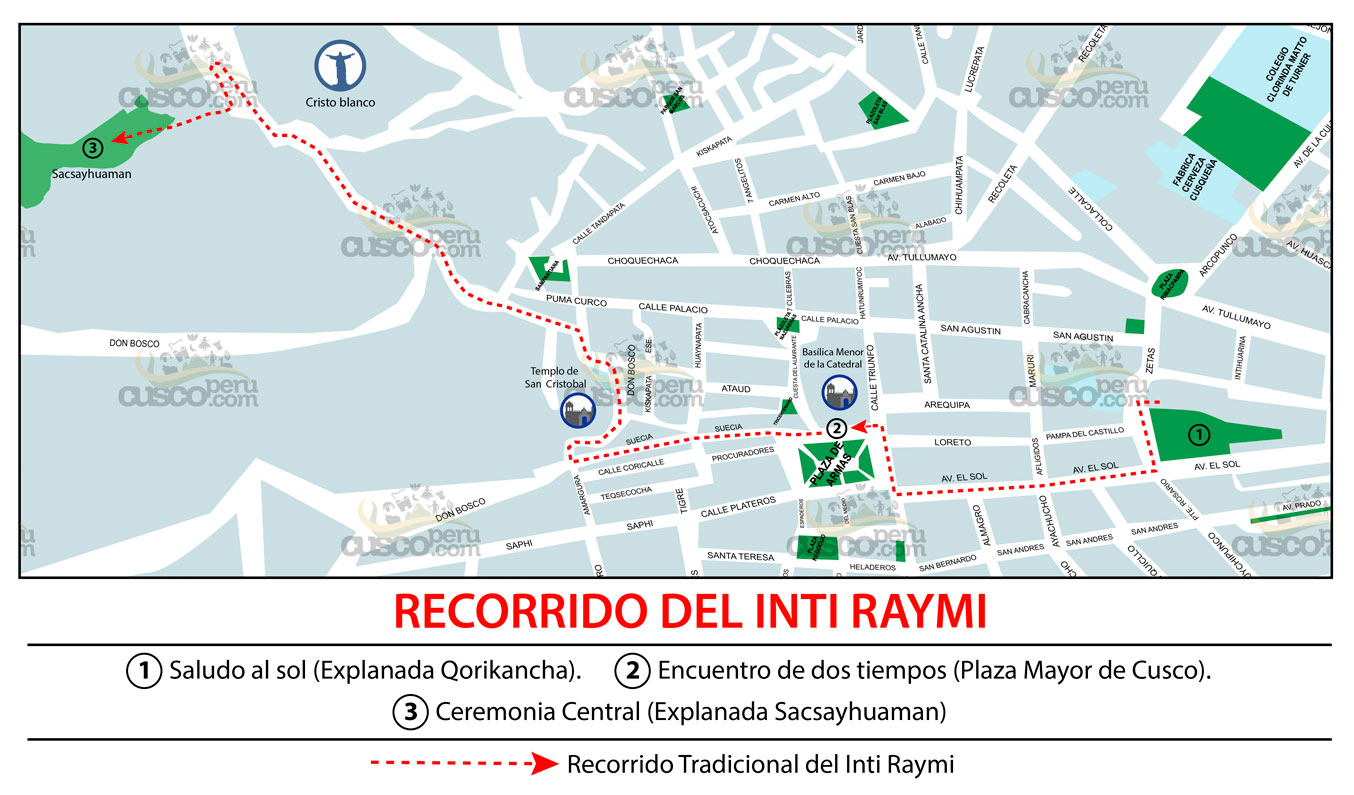
The traditional Inti Raymi route takes place across three historical settings in Cusco.
This is where the “Greeting to the Sun” ceremony takes place. Everything begins with the sound of the pututos and the entrance of the acllas, musicians, and dancers, followed by the appearance of the Inca. This first part lasts approximately 45 minutes.
This is where the ceremony called the “Meeting of the Times and Coca Leaf Ceremony” takes place, in which the Inca and his entourage stand on the great ushnu, or ceremonial platform. Most of the audience watches standing up, and this part lasts approximately 1 hour.
This is where the central Inti Raymi ceremony is held. Most of the reenactment is concentrated here, beginning with the entrance of the Qoya and the Inca, accompanied by dances, music, and chants, and then giving way to the main act. The Inca leads the offering ritual, represented by the symbolic sacrifice of a llama. This part lasts around 2 hours.
It is known that the role of women in the Inca Empire was very important and necessary, since they were a symbol of abundance and fertility.
The central female figure in the empire of the Incas was the Qoya, a figure who represented leadership and the ability to handle crisis situations in Tahuantinsuyo. She was the companion of the Inca, his advisor, and his right hand in government. When the Inca died, she took charge of the Panaca, the “noble descendants of the Inca”.
In Inti Raymi, the Qoya was a highly relevant figure, as she accompanied the Inca throughout the course of this ceremony, demonstrating sovereignty and power.

The Qhapaq Ñan was a network of Inca roads interconnected through the huacas, a road communication system among all the peoples that made up Tahuantinsuyo. This system was of great importance because, during the Festival of the Sun, it was used to reach Cusco.
If you are interested in attending Inti Raymi, we remind you that the reenactments at Qorikancha and the Main Square are free, so it is recommended to arrive early due to the large number of spectators. In contrast, for the ceremony at Sacsayhuamán, it is necessary to buy admission tickets.
The VIP area is made up of three grandstands, which offer the best views to enjoy this celebration.
The 3 grandstands offer a unique view of Inti Raymi, since the esplanade of Sacsayhuamán is a large and open place; therefore, you should not worry too much about it.
At CuscoPeru.com, with the help of our sales agents, you not only get your tickets, but also the best recommendation so you can enjoy the ceremony to the fullest, as well as complete the route calmly, with all the prior organization, transportation, and a box lunch.
The best place to watch the ceremony in Sacsayhuamán is the orange grandstand, as it is located right in front of the stage, although it is also more expensive.

On the night of the 23rd, men and women go to the rivers to purify themselves; this bath is known as "the blessed bath", because it is believed that on that date San Juan blesses the water courses and whoever bathes in them will have happiness and health throughout the year. On the 24th, the people move to the district of San Juan, where a mass is celebrated and a procession is carried out accompanied by a typical band with drums, drums and flutes. The typical dish of the date is the "juane" made with rice, chicken, eggs and olives wrapped in bijao leaves. During the Iquitos Tourist Week, dances, parades of typical groups, photographic contests and a handicraft fair are organized.
The ancient Celts called Alban Heruin to this festival and its main meaning was to celebrate the moment in which the Sun was at its maximum splendor. Actually the night of the solstice is June 21, although the Church has adapted it to the feast of St. John on June 24.
The religious festival of San Juan arrived in the Peruvian jungle with the Spanish conquistadors and coinciding with the date of Inti Raymi or Festival of the Sun, was fed with pre-Hispanic elements and rituals, becoming a popular celebration, a fusion of the native and the foreign.
This symbolizes the purification of water and joy for the gifts of nature. They are days of reflection, but also of revelry and merriment that inspire feelings of brotherhood and unity among the children of the forest.
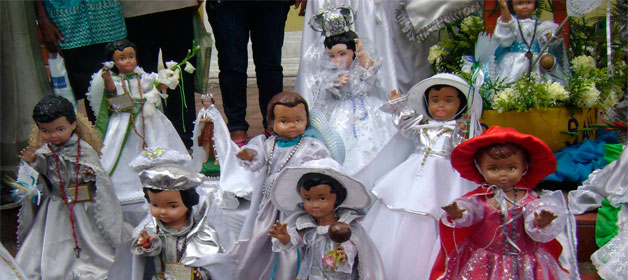
The feast of St. John is celebrated every year on June 24.
In the Peruvian Amazon The cities of Iquitos in Loreto, Pucallpa in Ucayali, Tarapoto, Juanjui, Rioja, Moyobamba in San Martin, Tingo Maria and Aucayacu in the Province of Leoncio Prado, Puerto Maldonado.
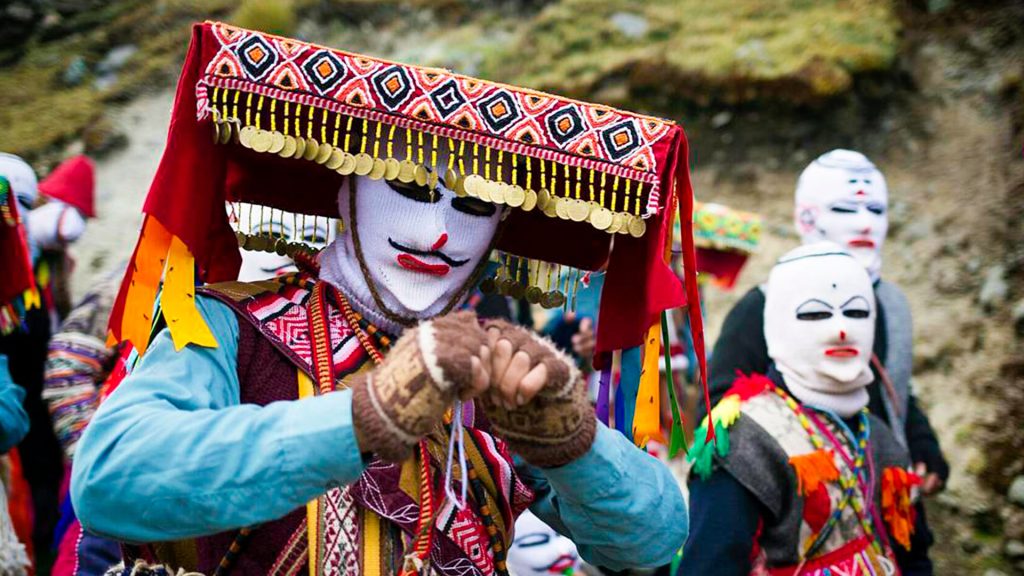
The festival of the Lord of Qoyllur Rit'i is the most crowded religious manifestation in Cusco. It is estimated that more than 10,000 people participate in the pilgrimage to the slopes of Mount Ausangate, located at 4,700 meters above sea level.
This festival was declared an Intangible Cultural Heritage of Humanity by UNESCO in 2011.
In the 18th century, the story is told of a boy named Mariano Mayta, a young shepherd sent by his father to tend the livestock at the foot of Mount Sinakara, accompanied by his older brother, who enjoyed exploring the world and often left Mariano alone. Thus, Mariano's constant solitude led him to consider leaving the cabin where he lived.
On his way, he met Manuel, a boy his age, radiant and blonde like the sun, who, after hearing his story, offered him his friendship. The relationship between the two became close, meeting daily in the same place to spend time together. They were seen on a couple of occasions by a friend of Mariano's father, who went to inform Mariano's father about the situation.
The father, intrigued, questioned Mariano, who told him about his friend and how he kept him company and helped him tend the livestock. The father rewarded Mariano with a new set of clothes for his work. This gesture piqued Mariano's curiosity, as every time he met Manuel, he always had immaculate clothing.
One day, Manuel arrived for their meeting with very worn and dirty clothes. Concerned about the sudden deterioration of his friend's clothing, Mariano set out on a journey to find a similar fabric, reaching the city of Juliaca. There he discovered that the fabric was of high quality and associated with important figures such as the Bishop.
Mariano met with the Bishop, who, curious about the boy's request, wrote an official letter to the priest of Ocongate, asking him to investigate the situation.
Upon returning to his village, Mariano delivered the Bishop's letter to the priest, who, along with a committee, set out to investigate the situation. They went to the mountain, where they found Manuel surrounded by a light that prevented them from approaching. With no other option, they returned to the village. However, determined, they returned with a new committee and surrounded the boy, but when they tried to touch him, they discovered that Manuel's body was crucified on a Tayanka branch in the shape of a cross.
All those present knelt in faith at the foot of the crucified boy; however, Mariano was shocked and desperate, seeing his friend crucified. Believing that the people who surrounded him were responsible for such an act, he could not bear the shock and died instantly, with his body remaining near that of his friend.
The news of what had happened reached the ears of the King of Spain, Charles III, who requested that the cross be brought before him to verify its authenticity. However, the ruler did not return the cross within the agreed time, causing discomfort among the population, who wanted to start a revolt. With no other options, the Catholic authorities decided to have another similar image made. This image is the one that is currently venerated in the Temple of Ocongate.
Currently, there is an image of the crucified Christ engraved on a rock, created by the Cusco artist Fabián Palomino. This image is located over the tomb of Mariano Mayta. People come to this place to light candles and perform religious acts. This image is known as the Lord of Qoyllur Rit'i, and around it, the Temple that all pilgrims now visit was built.
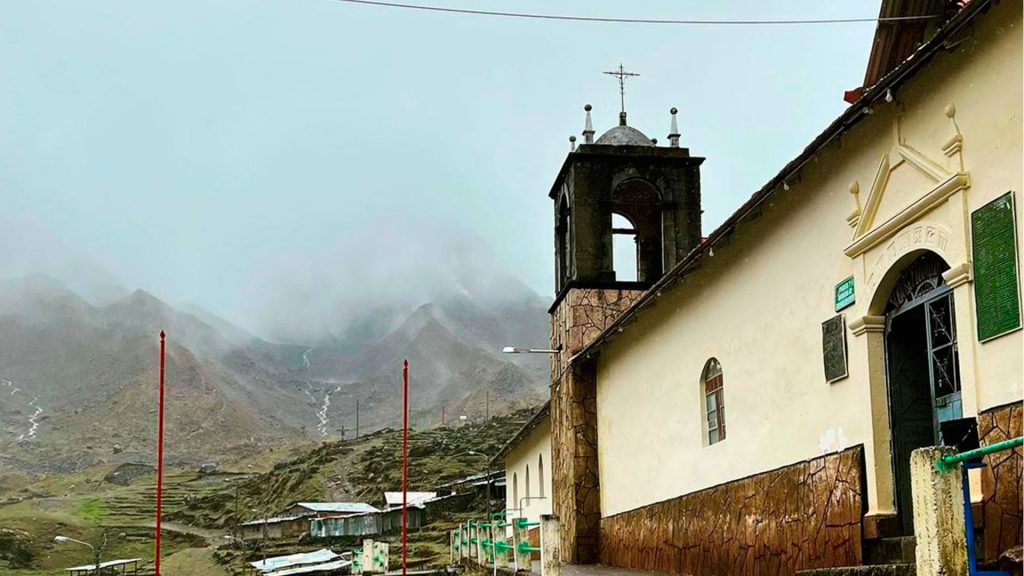
The Festivity of the Lord of Qoyllur Rit'i takes place in the Sanctuary of Sinankara on the slopes of Mount Ausangate, in the province of Quispicanchis, district of Ocongate, located at 4,700 meters above sea level, with temperatures below 0 °C.
It is one of the largest festivals in America, as the inhabitants of all Cusco send delegations representing: Cusco, Urubamba, Calca, Paucartambo, Acomayo, Canchis, Quispicanchis, and Canas. These are called “Nations” and are accompanied by musical groups and dancers who symbolize various characters from Andean mythology.
The ukukus (bears), the most popular, are the guardians of the Lord and the Apus and maintain discipline during the liturgical acts.
A group of worshippers, dressed as “pabluchas,” ascend the mountain in search of the Snow Star. Upon returning to their communities, these people carry blocks of ice on their backs to water their lands with the sacred water of Ausangate.
You can visit it throughout the year; however, the pilgrimage to the Lord of Qoyllur Rit'i takes place between May and June, approximately 40 days after Easter Sunday.
The Sanctuary of the Lord of Qoyllur Rit'i is located in the province of Quispicanchis, district of Ocongate, at an altitude of 4,700 meters.
The climate during the Festivity of the Lord of Qoyllur Rit’i is cold, with temperatures that can drop to 0 °C. The days are sunny, and during the night, the cold is intense.
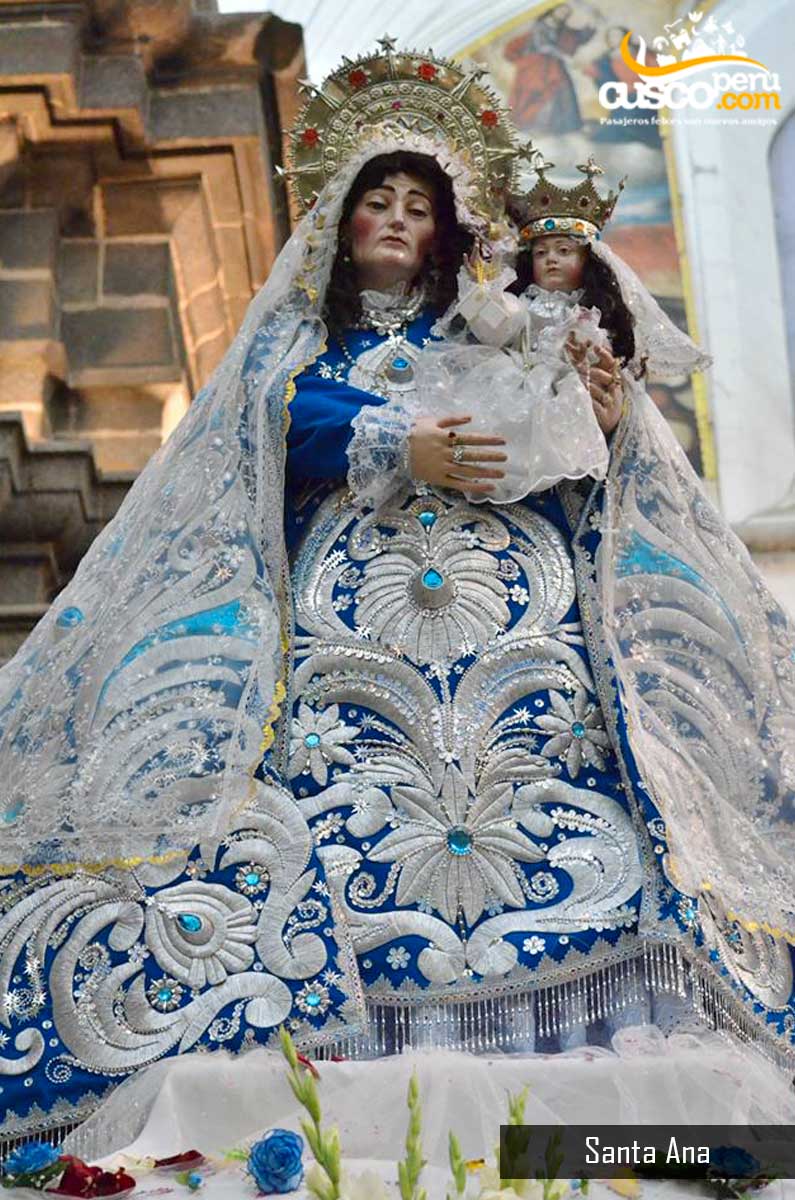
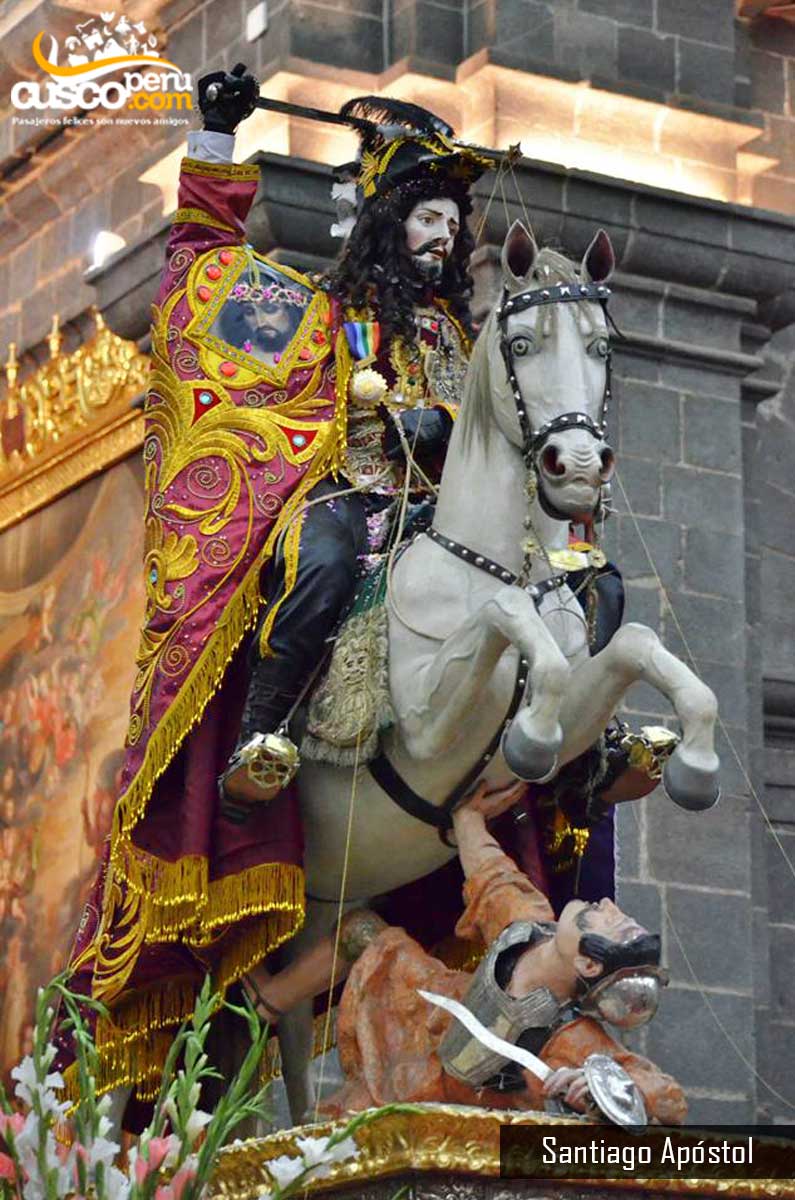
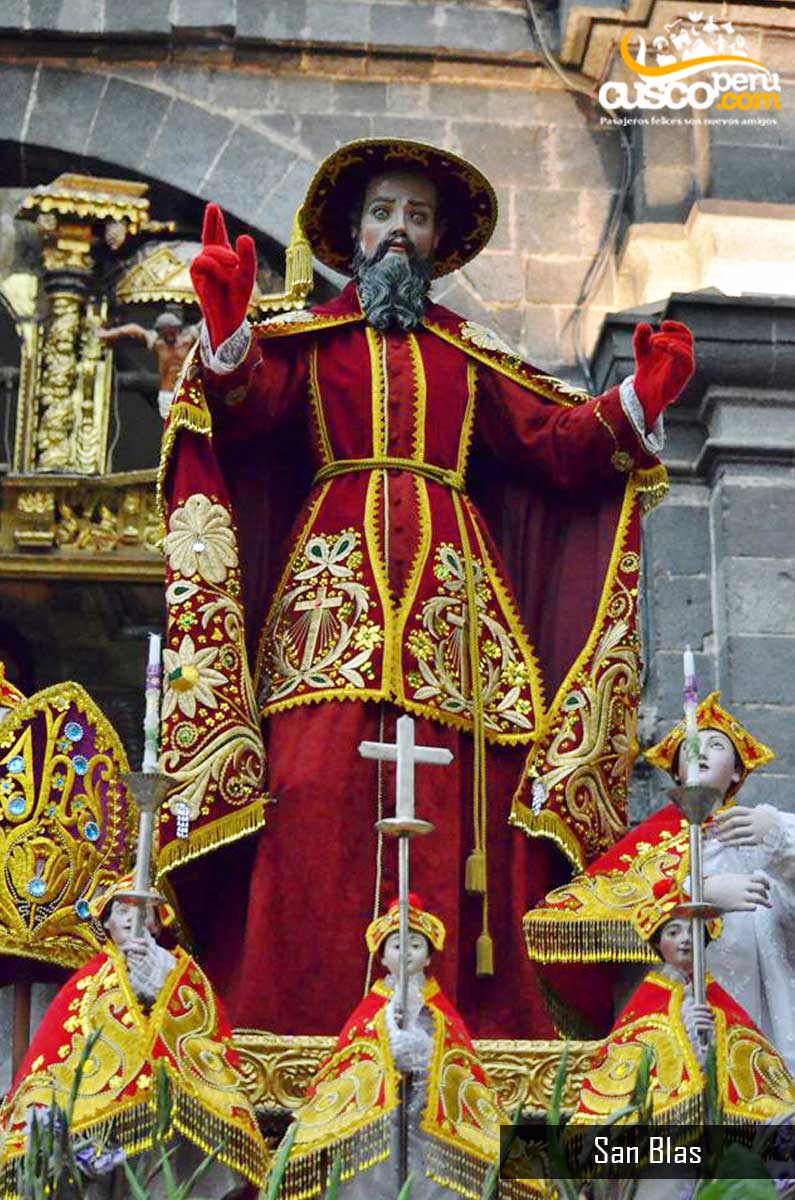
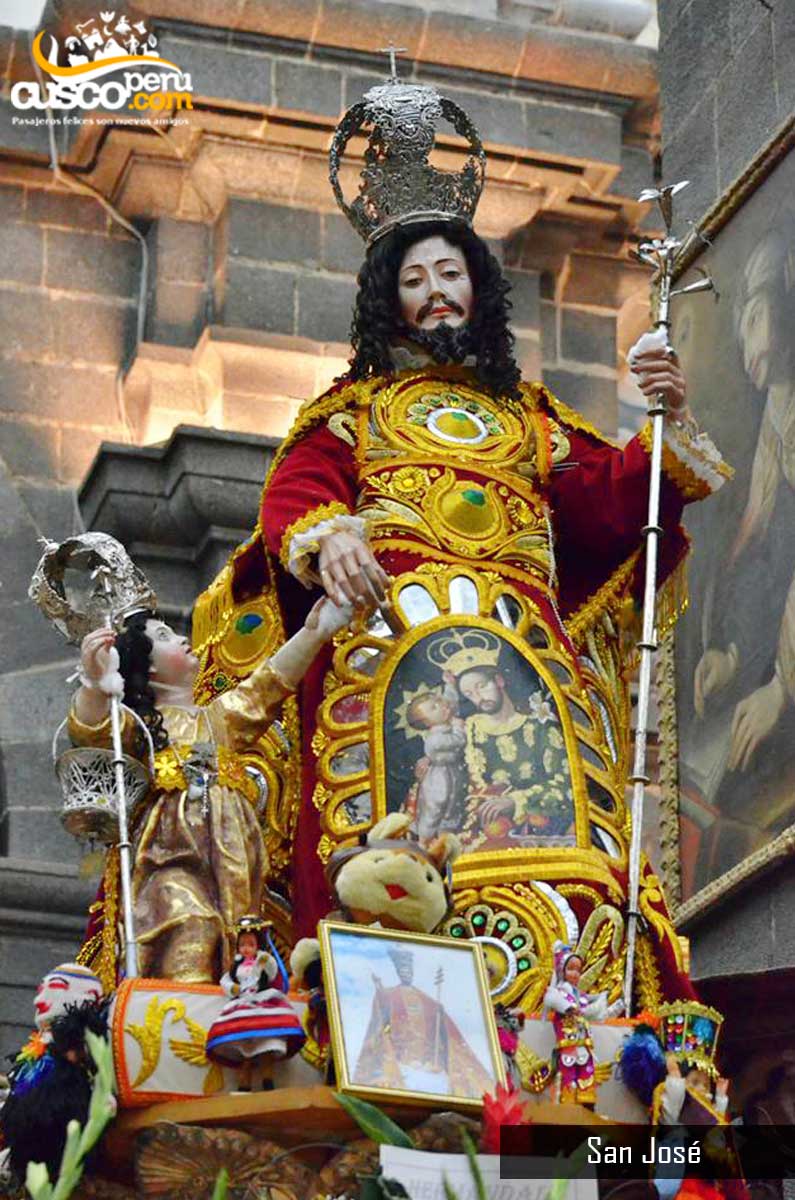
One of the festivals of the city of Cusco is Corpus Christi, which remains alive to this day thanks to the blend of religious and historical traditions, and year after year leaves a lasting memory for many domestic and international travelers. Learn more about this tradition.
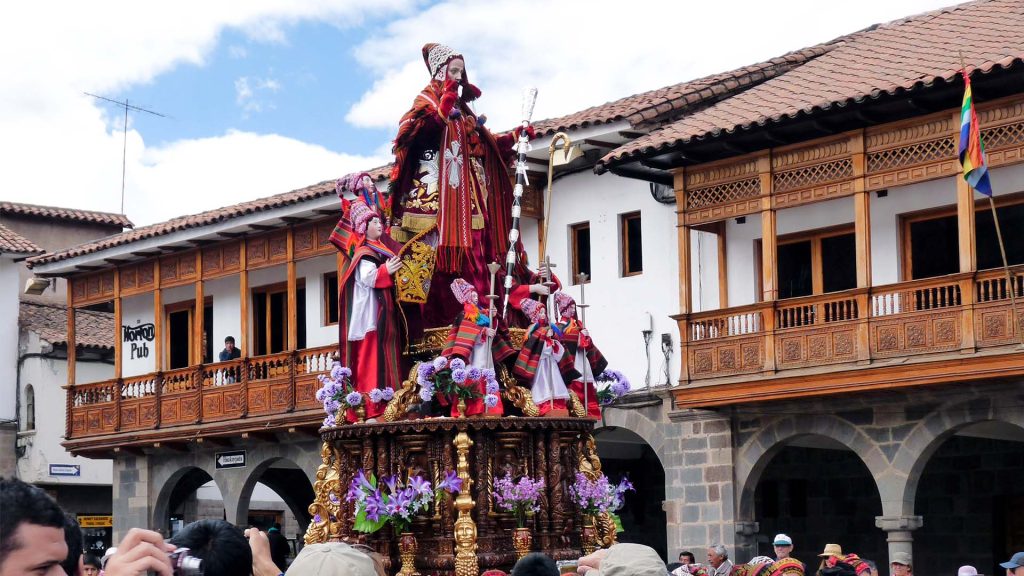
This event is understood as the celebration of the Body of Christ in the Eucharist. The festival begins with a Mass in the presence of all the saints and usually ends at nightfall, to the rhythm of music and dances.
This festival dates back to the time of the Incas, when the mallquis (mummified bodies of the Incas) were honored. Each year, the people held processions through the city as part of a cult honoring the deceased. These processions ended in massive gatherings where ceremonial banquets were served, with abundant food and the traditional aqha, now known as white chicha, consumed as an act of reverence to their deities.
With the arrival of the Spanish, this tradition underwent a change due to the introduction of Catholicism and their religion, since they believed that carrying out these acts dishonored their culture and religion.
The religious authorities of that time decided to put an end to this tradition, which they considered “pagan,” forcing the revered remains to be replaced by images of the Virgin and several Catholic saints. This is how, in Cusco, this tradition began, and today it still endures and is already part of Andean culture.
There are some events connected to this celebration, such as the earthquake of May 21, 1950, in the city of Cusco. During that time, there were difficulties carrying out the procession of the saints because the families affected by the earthquake were taking shelter in the square. Despite the situation, the route was adjusted so the procession could take place normally.
Another important event was the death of Archbishop Luis Vallejos in 1982. The ecclesiastical hierarchy ordered the procession that year to be suspended; however, the mayordomos rejected the proposal. The procession took place as usual, but with some changes reflecting the mourning that was being experienced at that time.
Many people from Cusco and visitors eagerly await this season to witness the procession. In the city of Cusco, you will find some activities regulated by the lunar calendar, including “Holy Week,” the festival of Señor de Quyllurit'i, and the Corpus Christi procession.
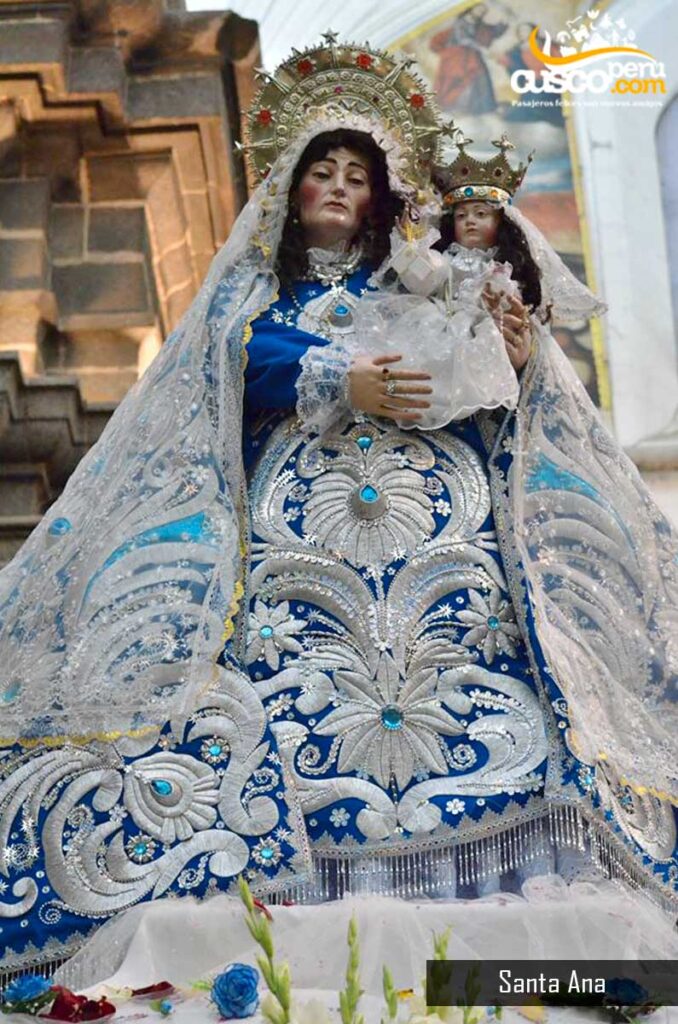
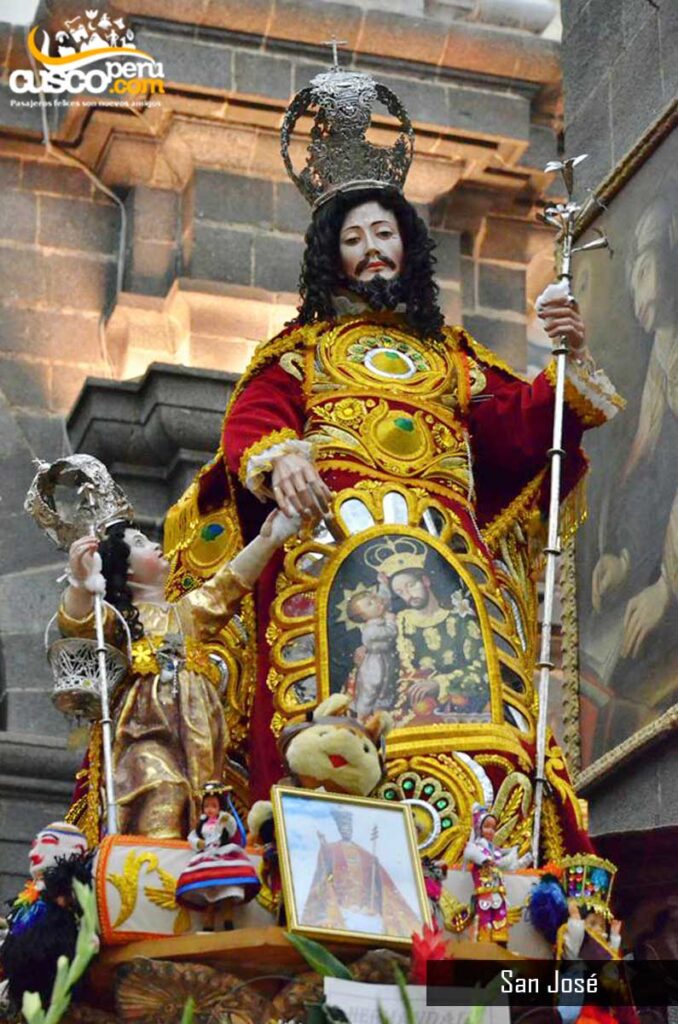
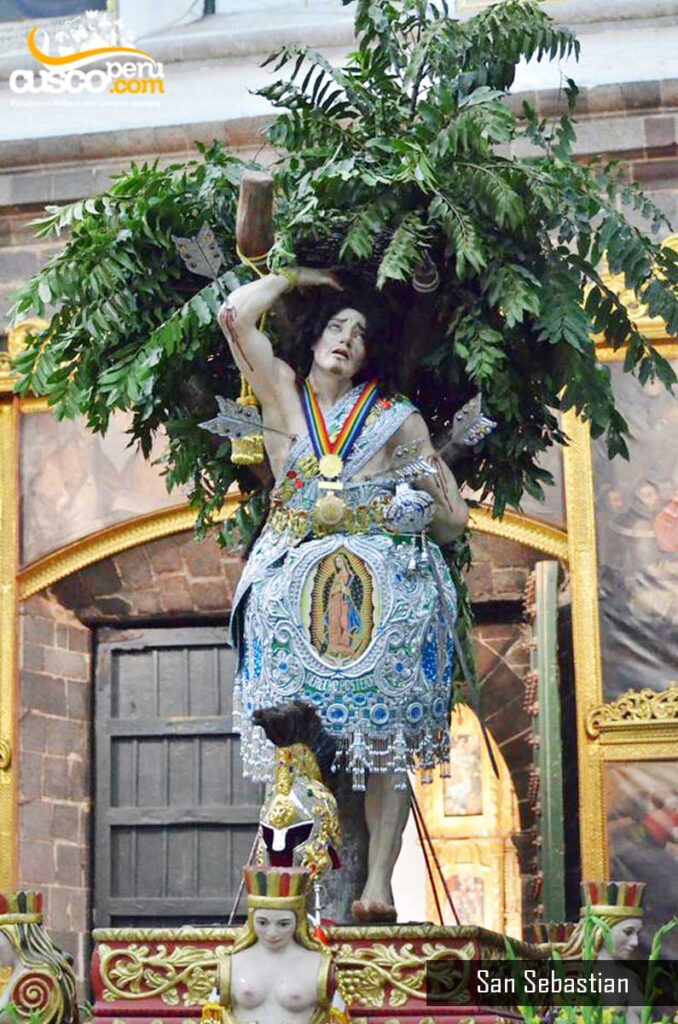
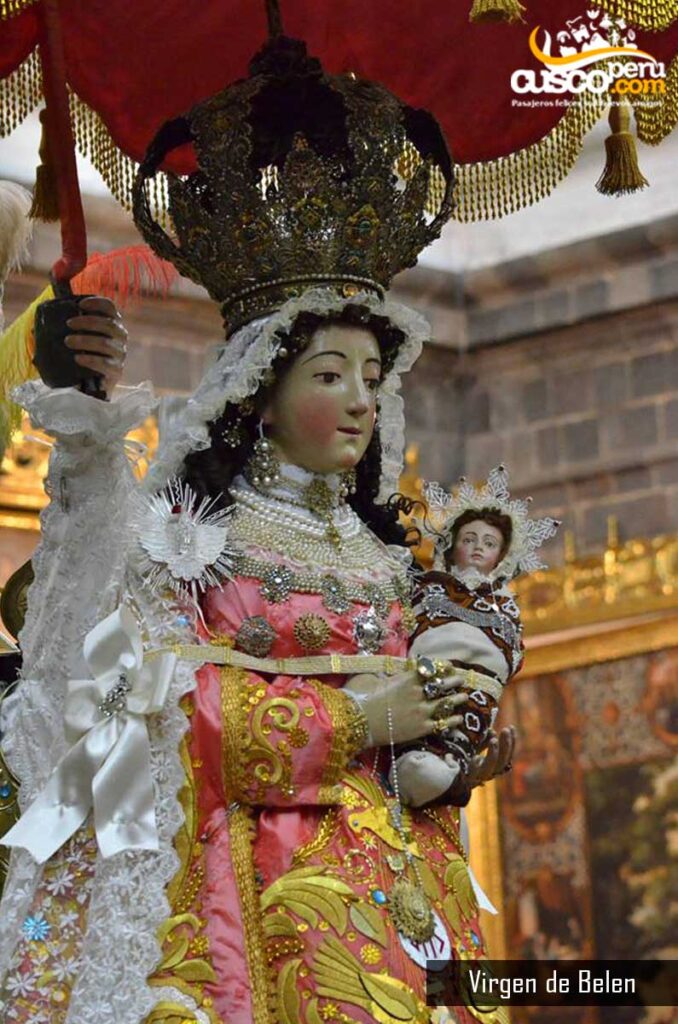
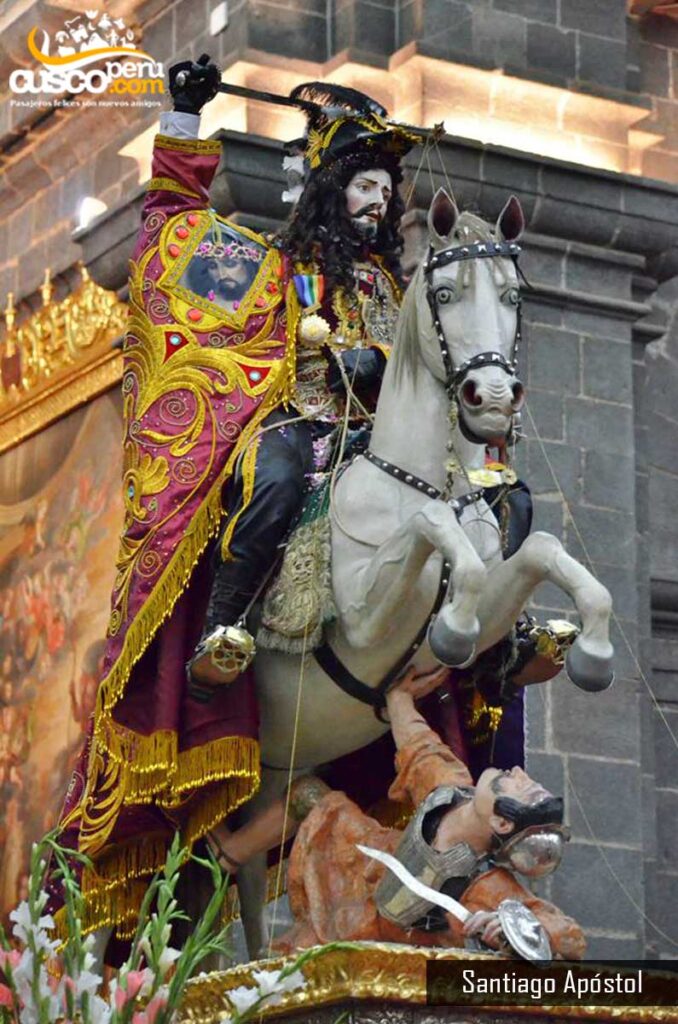
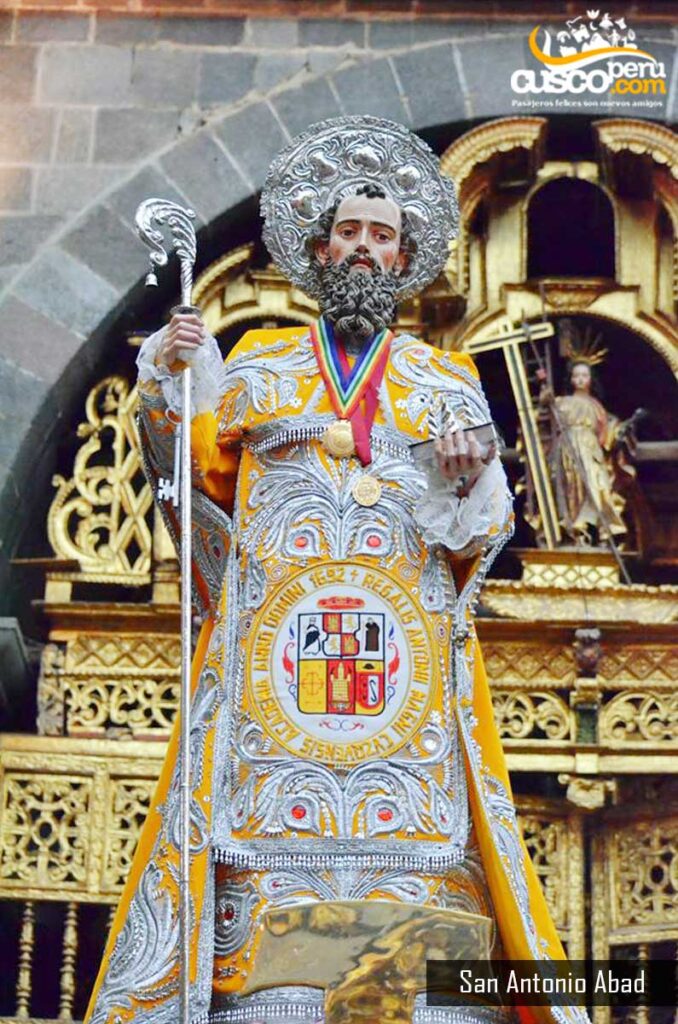
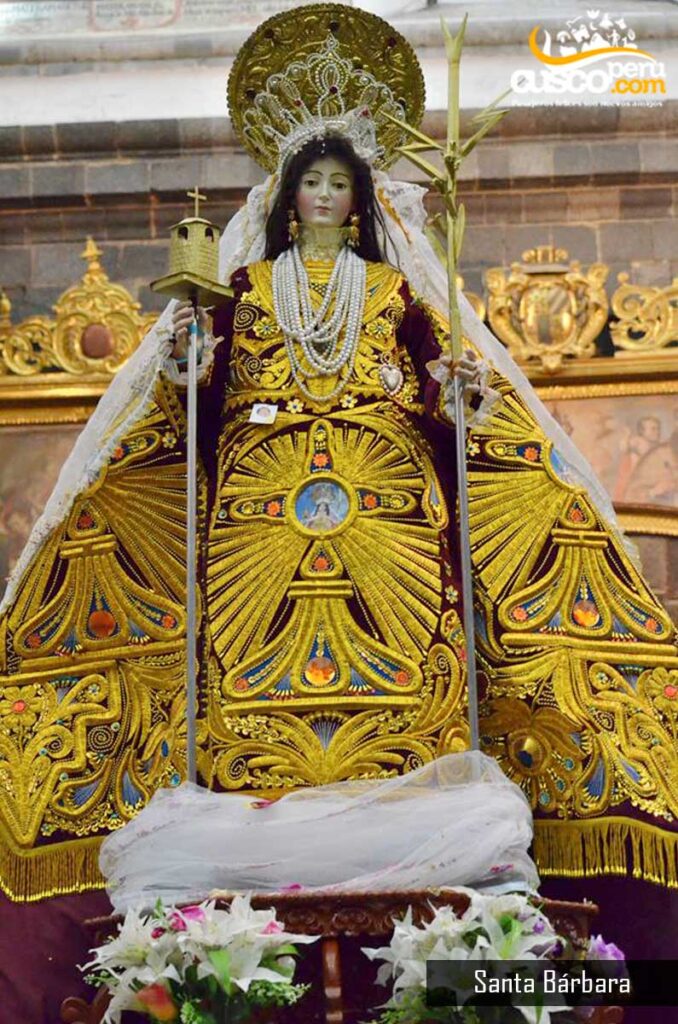
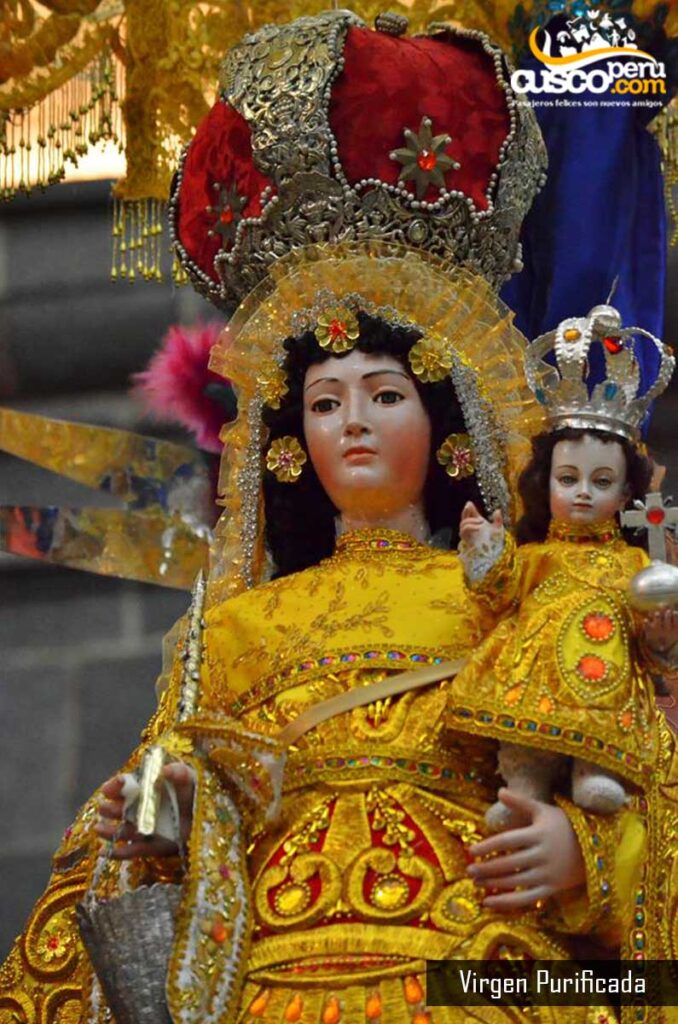
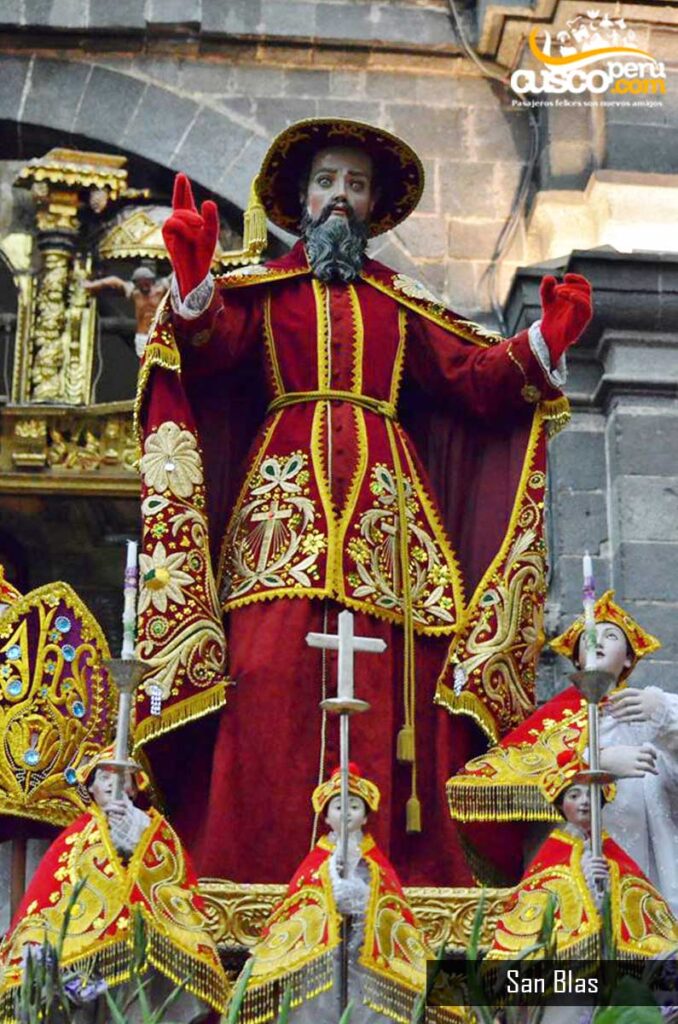
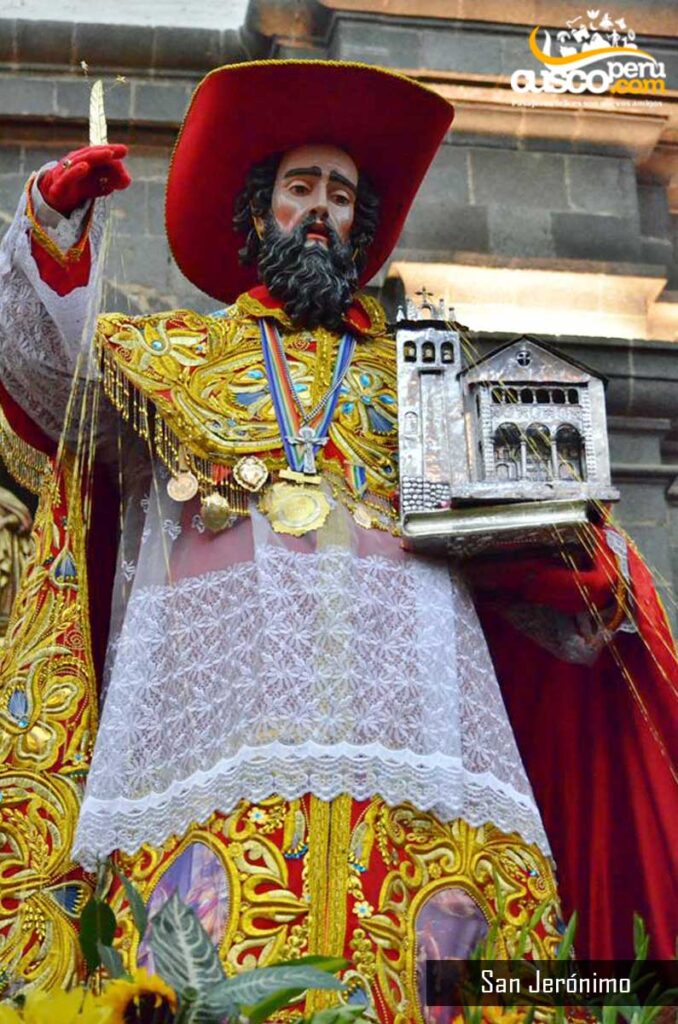
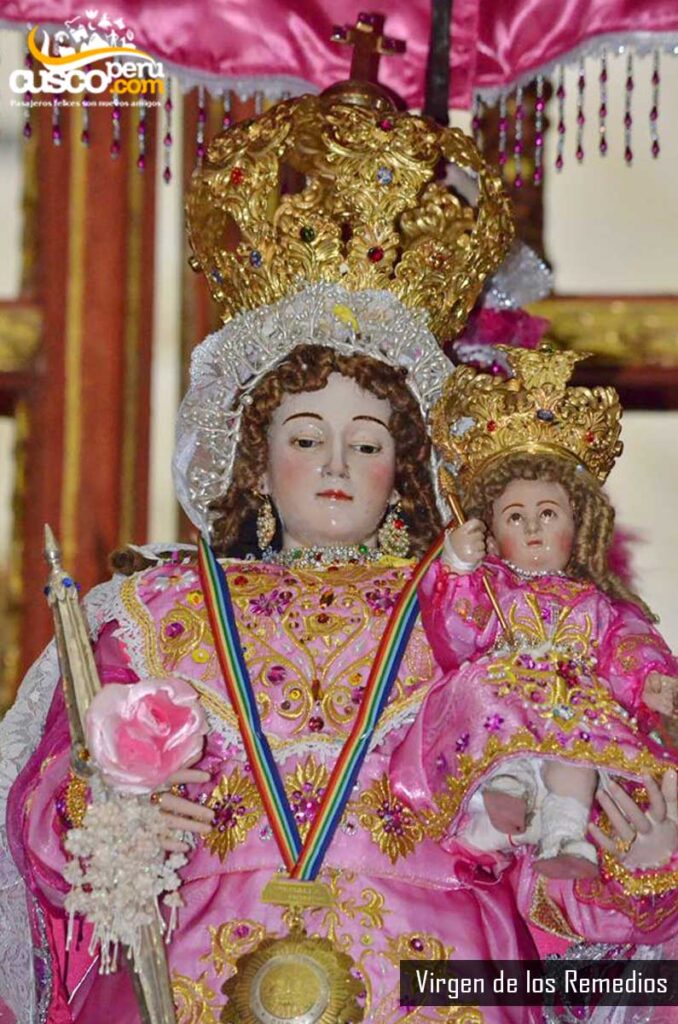
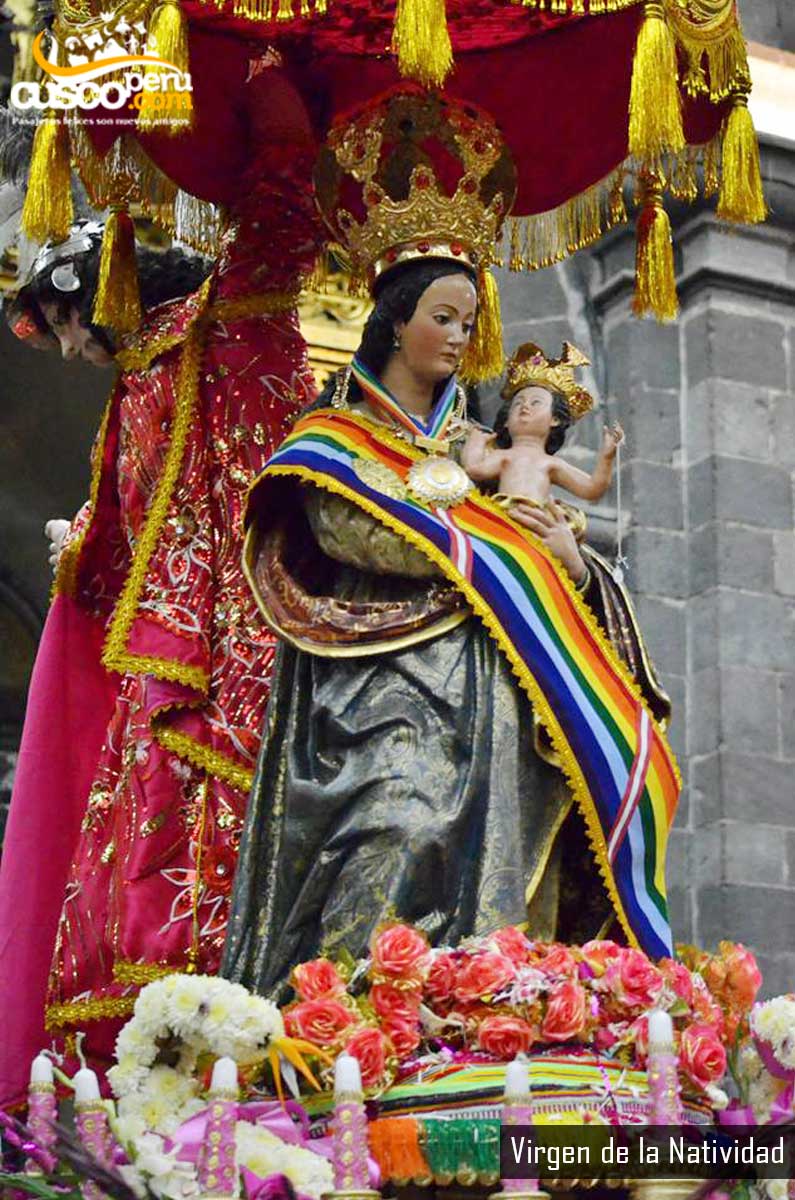
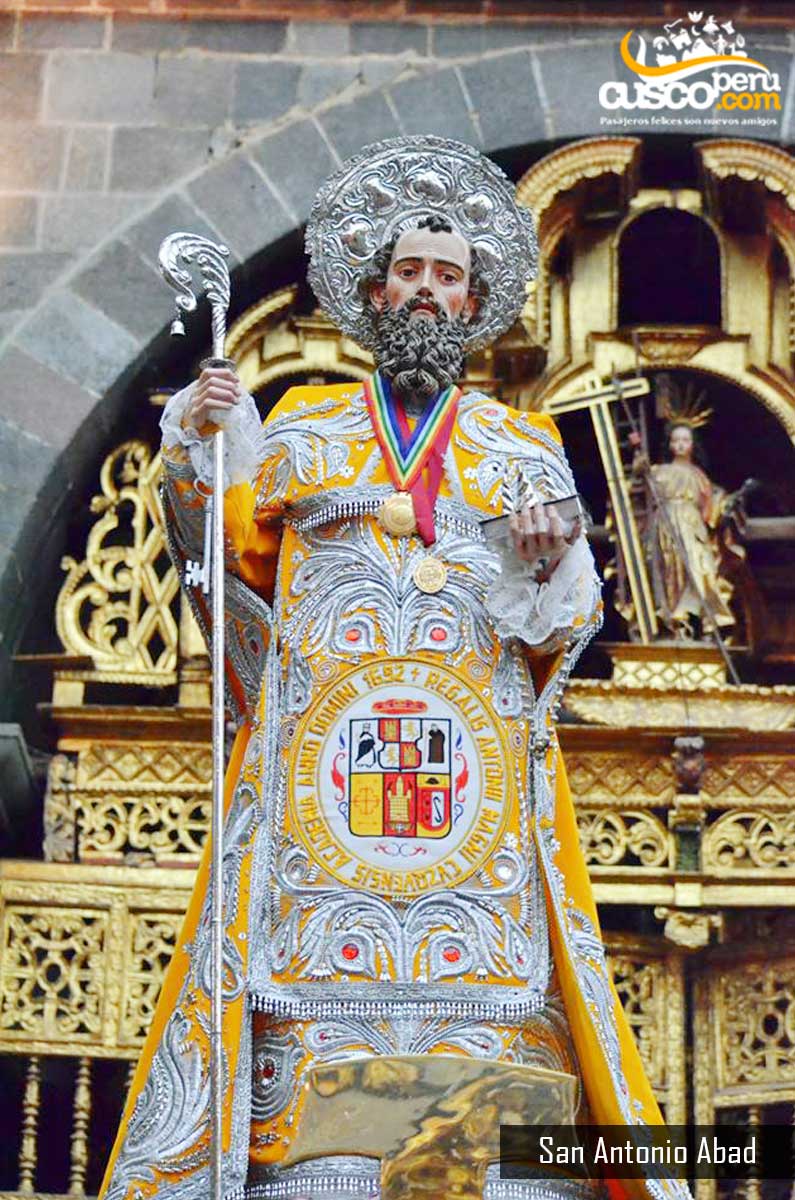
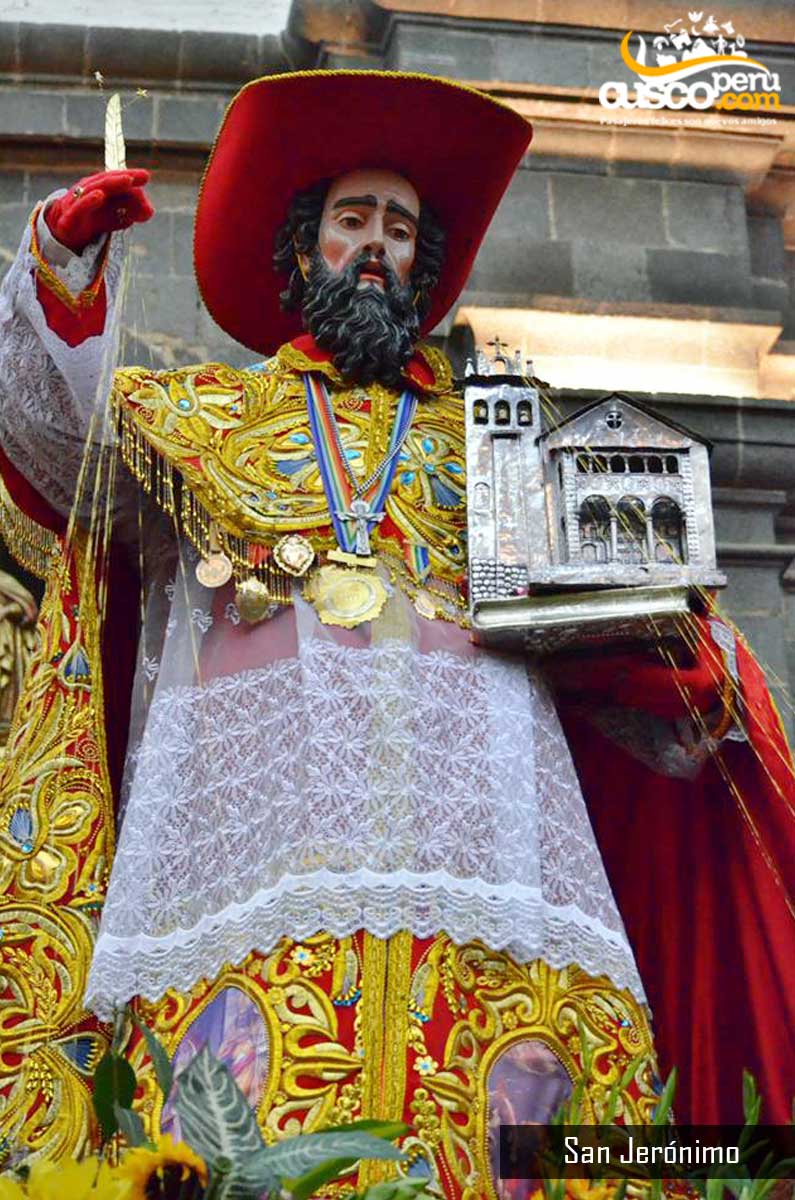
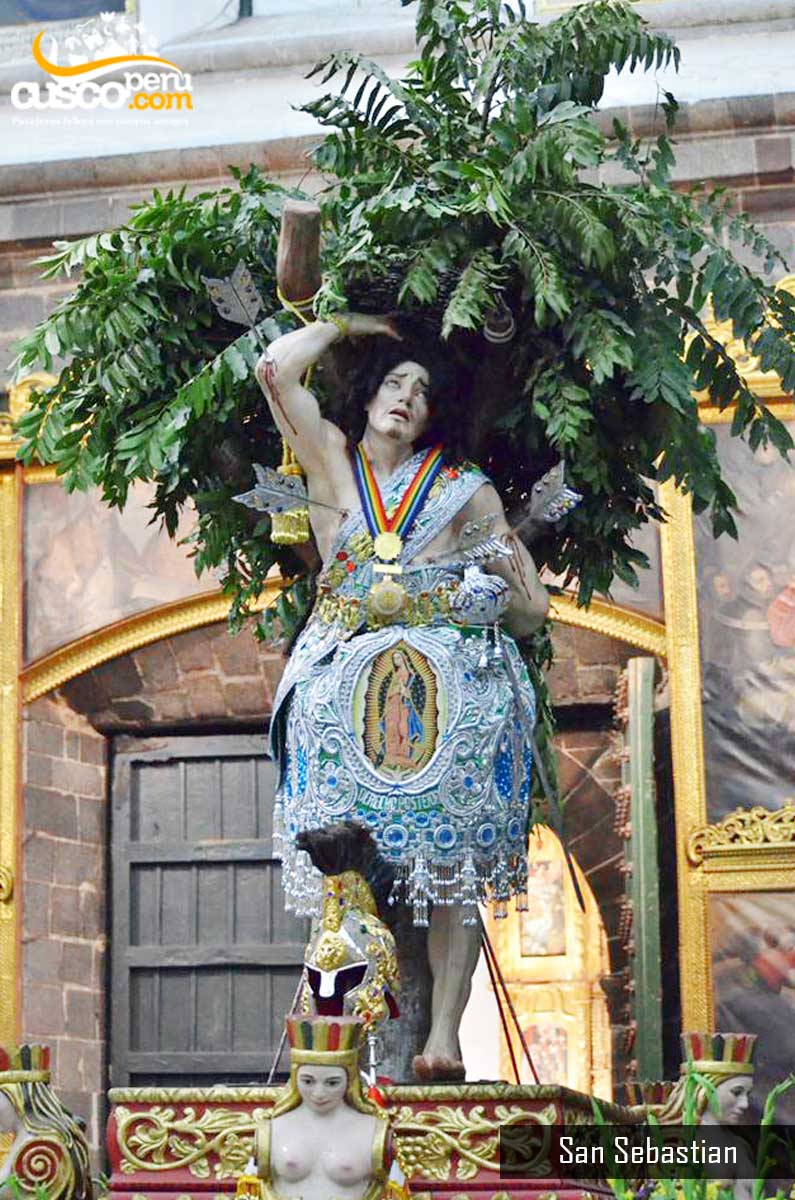
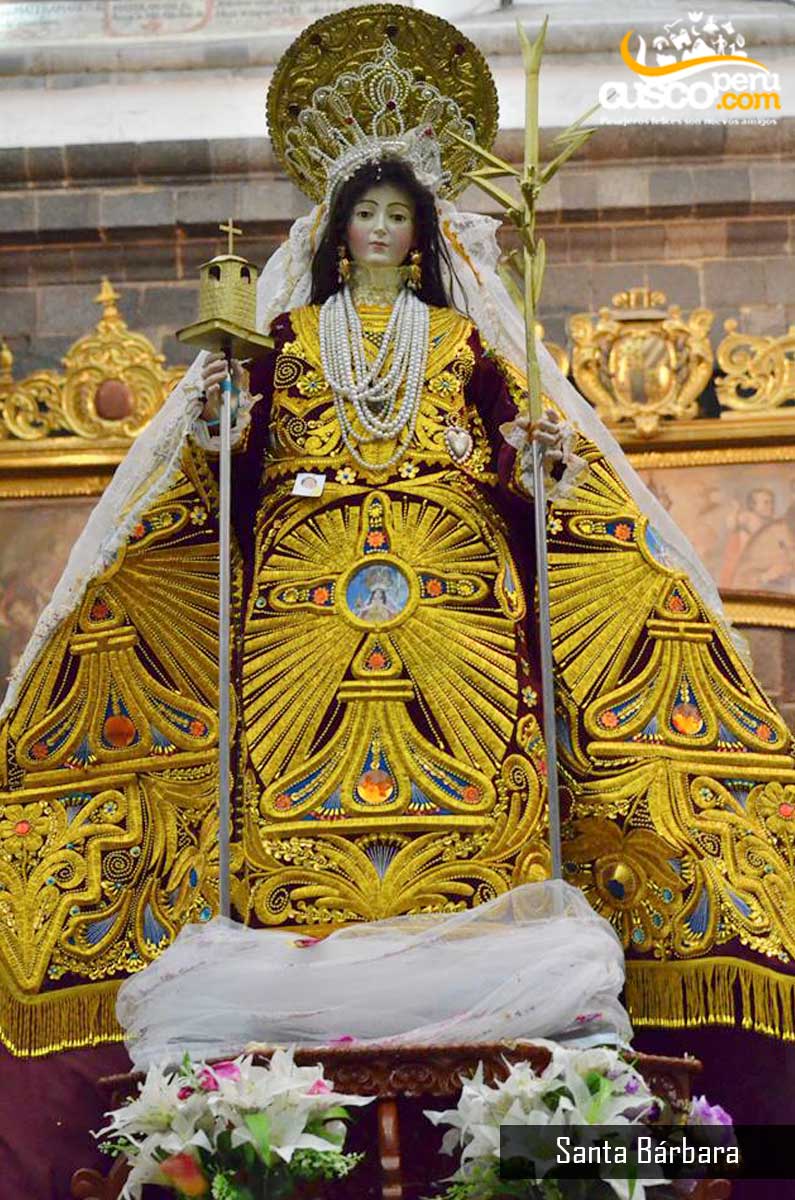
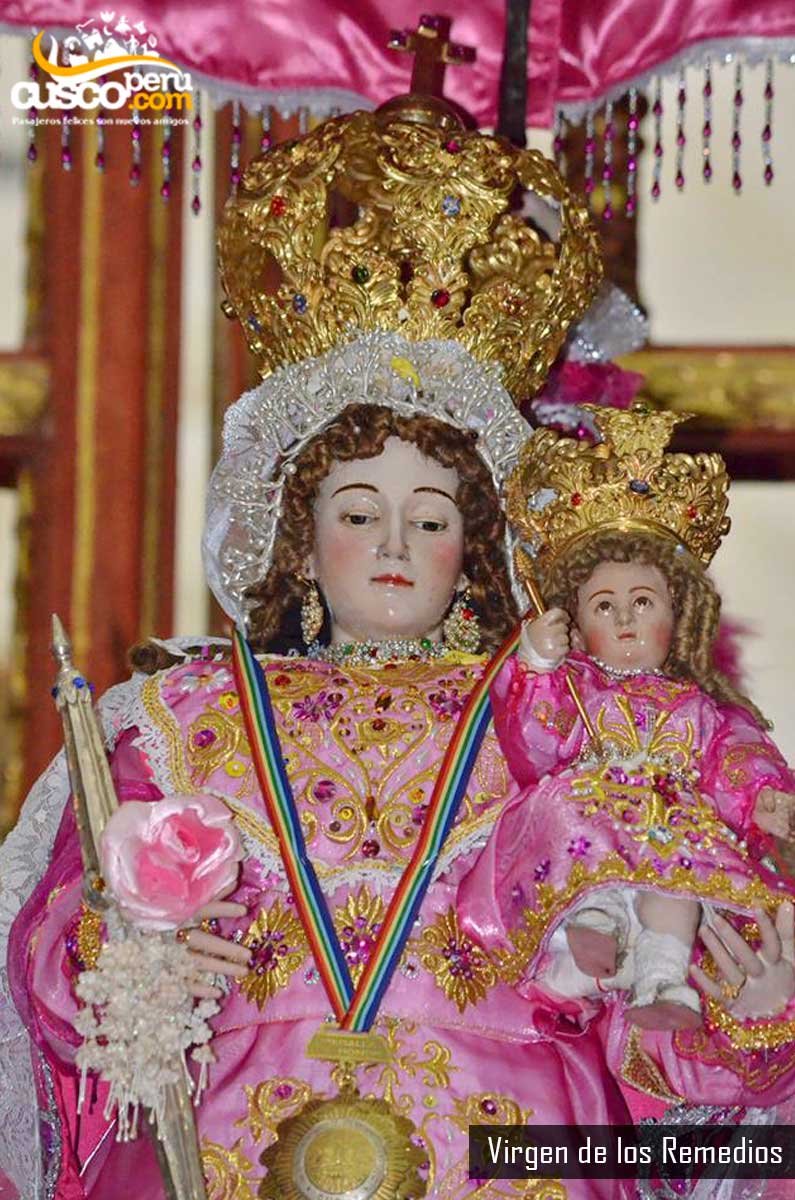
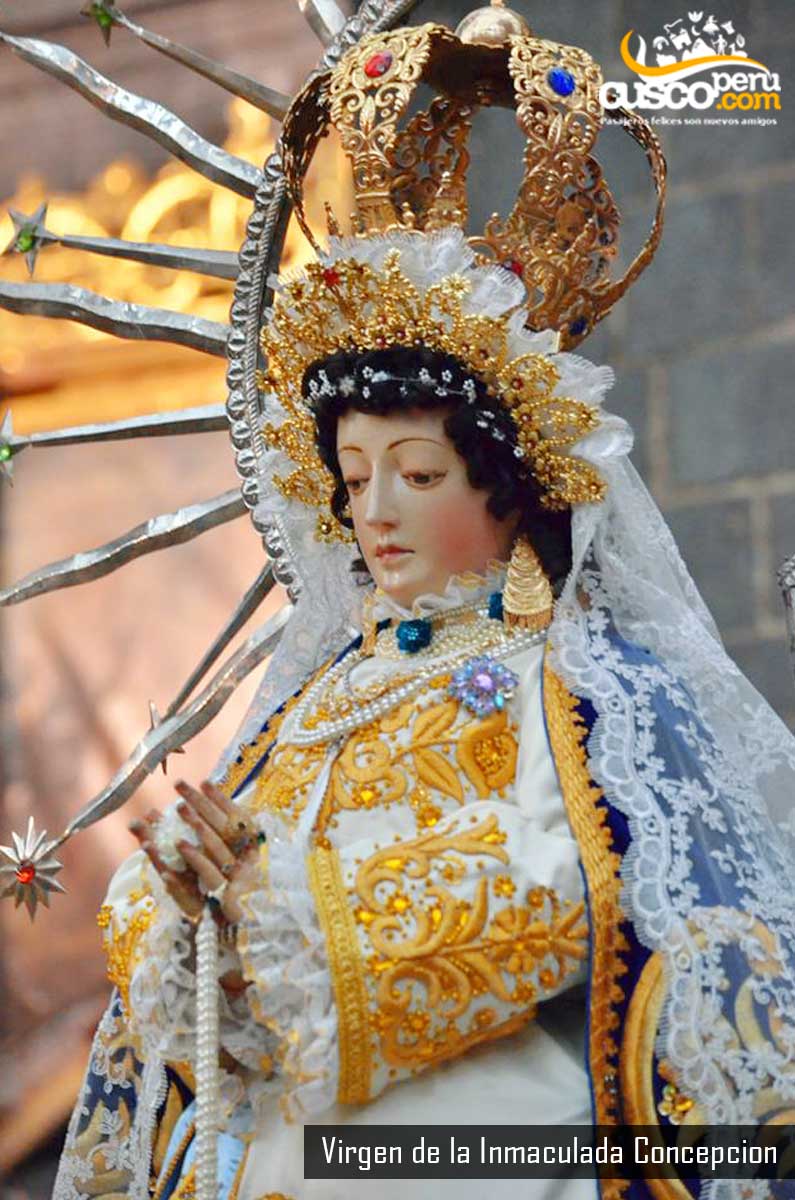
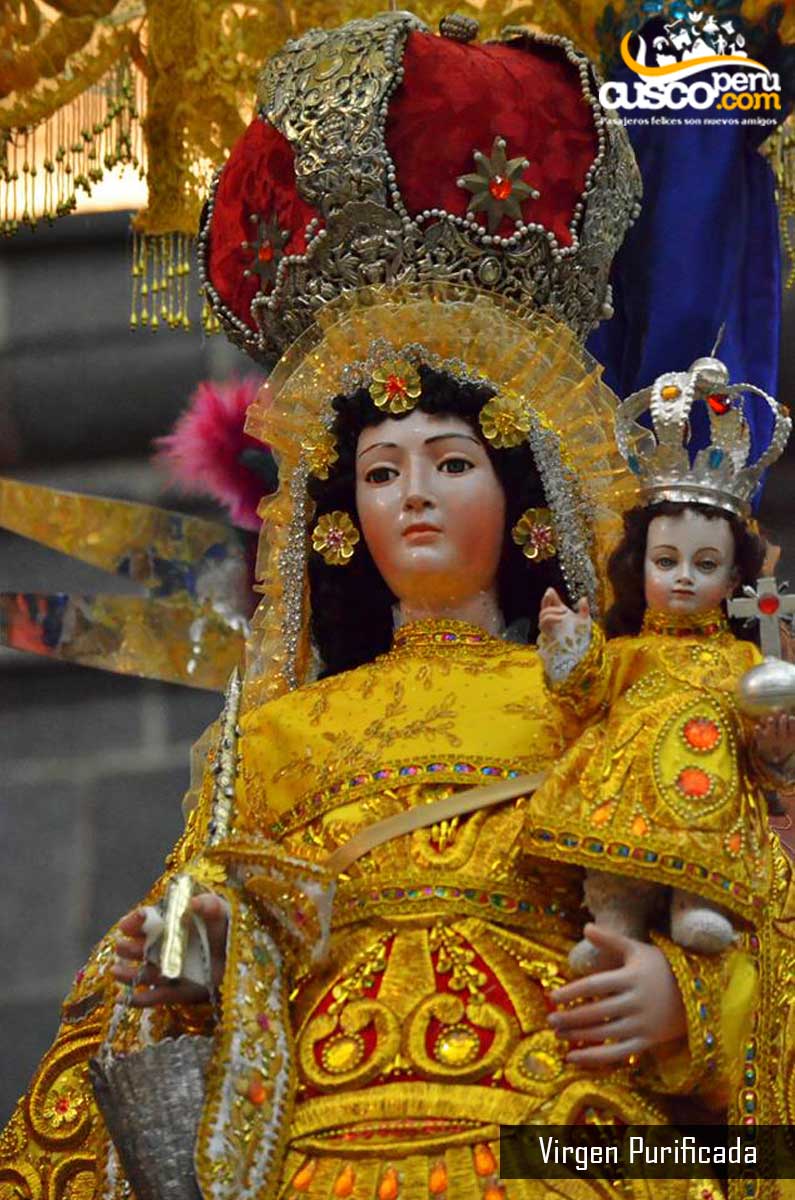
The festival begins on Wednesday, one day before the main procession, with each saint leaving his temple. Each saint is accompanied by a procession that includes the mayordomos or “carguyoq,” in some cases the district mayor, a band of musicians or “q'aperos,” and especially the faithful who voluntarily decide to accompany their saint.
All the images participating in this great procession gather in front of the temple of Santa Clara, then begin their way to the Cathedral in Cusco’s Plaza Mayor; it is said that the images must arrive at a specific time and in the traditional order.
The statues of the saints are taken to the Cathedral and remain inside until the following day, which is the main day of the procession. According to popular belief, gatherings take place among all the parish images during the nights they remain in the cathedral.
The main day of this festival is a time of great activity for the mayordomos, since they are responsible for ensuring that the celebration unfolds according to tradition and the expectations of the faithful devoted to each religious image. A clear example is the clothing of each image, because every year it must appear in its finest garments for this festival, which draws thousands of people from different parts of the city of Cusco.
The people in charge bring out their saint or virgin from the Cathedral Basilica and the procession begins. The Plaza Mayor fills with many devotees and people from different places.
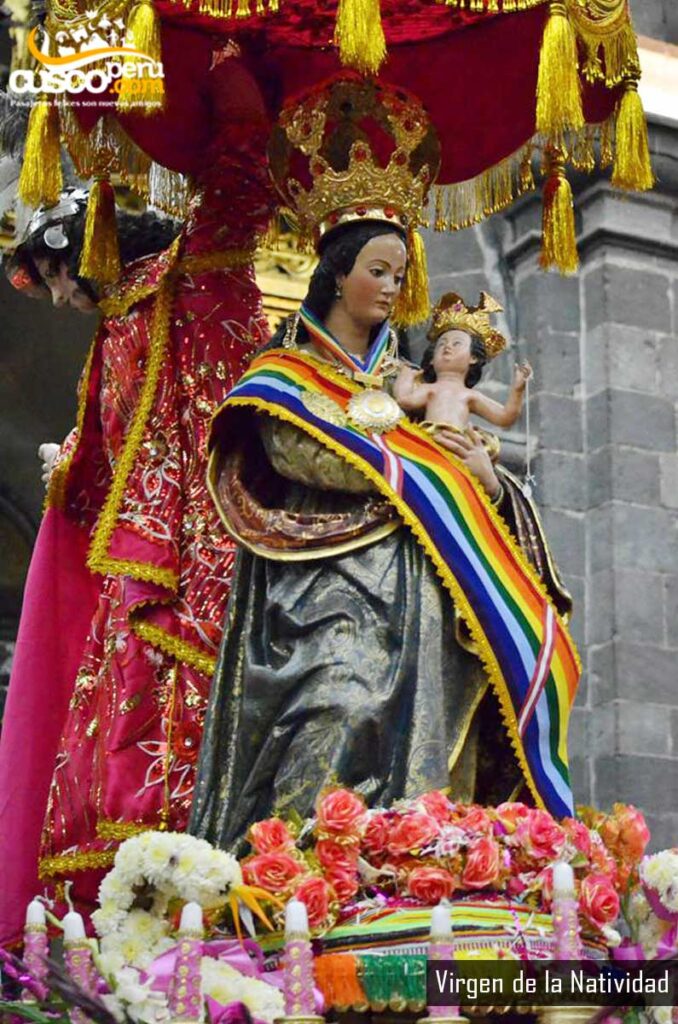
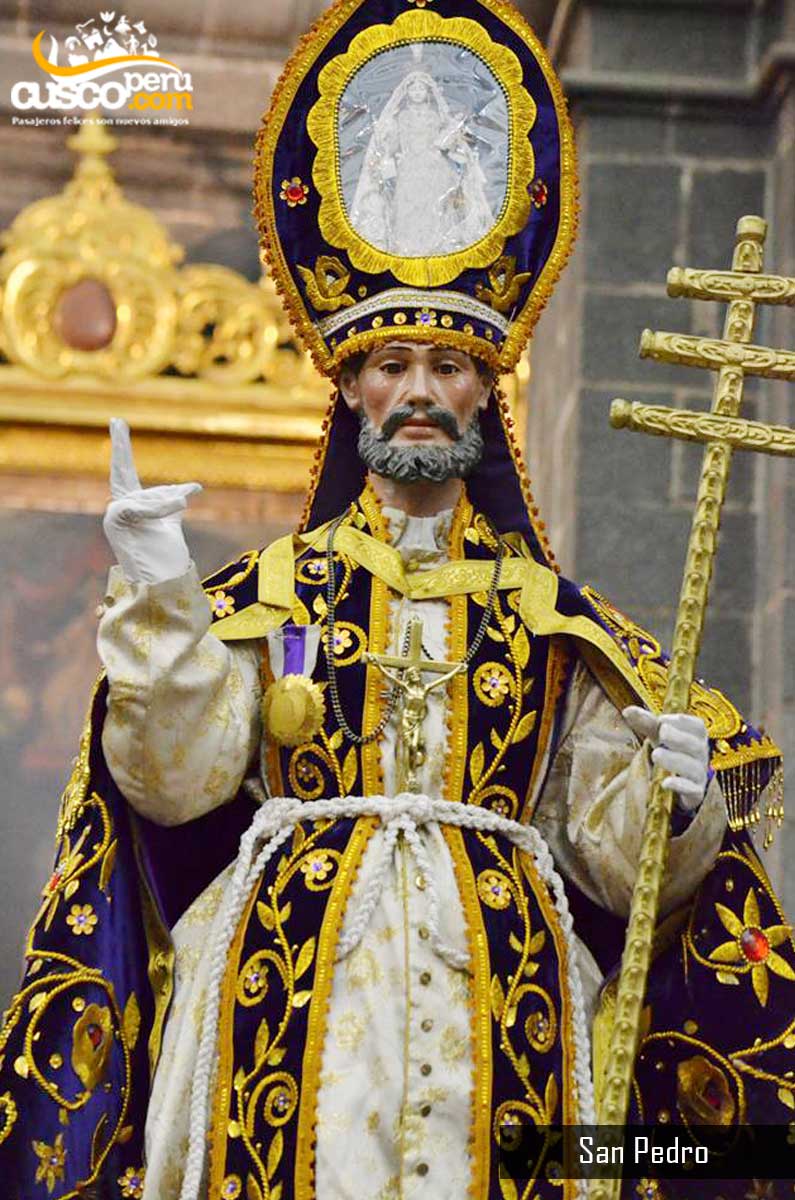
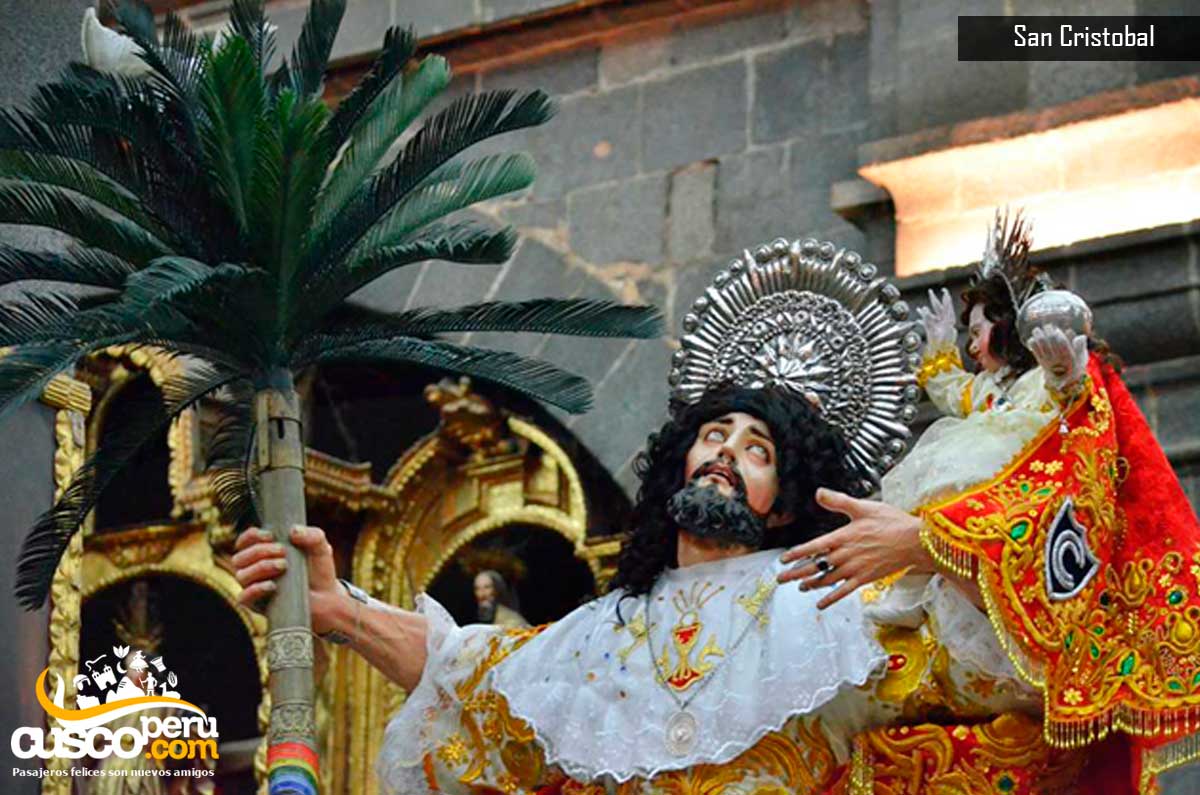
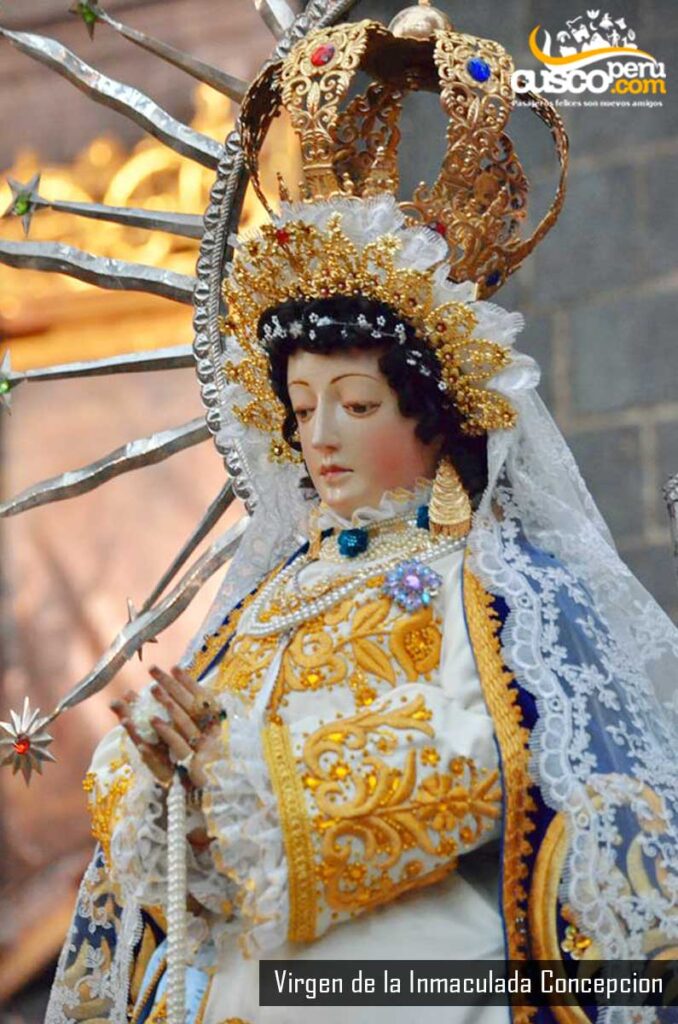
The order in which the saints come out is as follows:
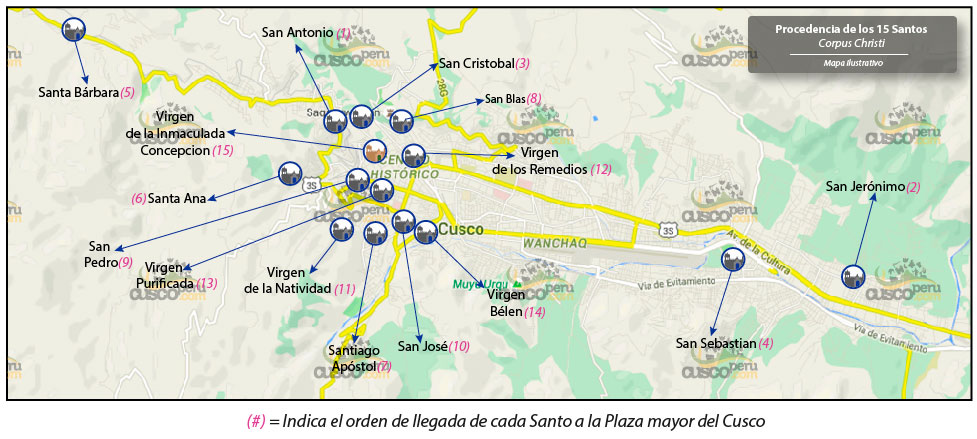
The mayordomos hand out gifts to attendees during the procession, distributing items such as postcards, souvenirs, and more. The procession ends at approximately 5:00 p.m., after all the saints return to the Cathedral, where they remain until the following Thursday, when the faithful, the mayordomos, the mayor, and other people take their saints back to the temple they came from.
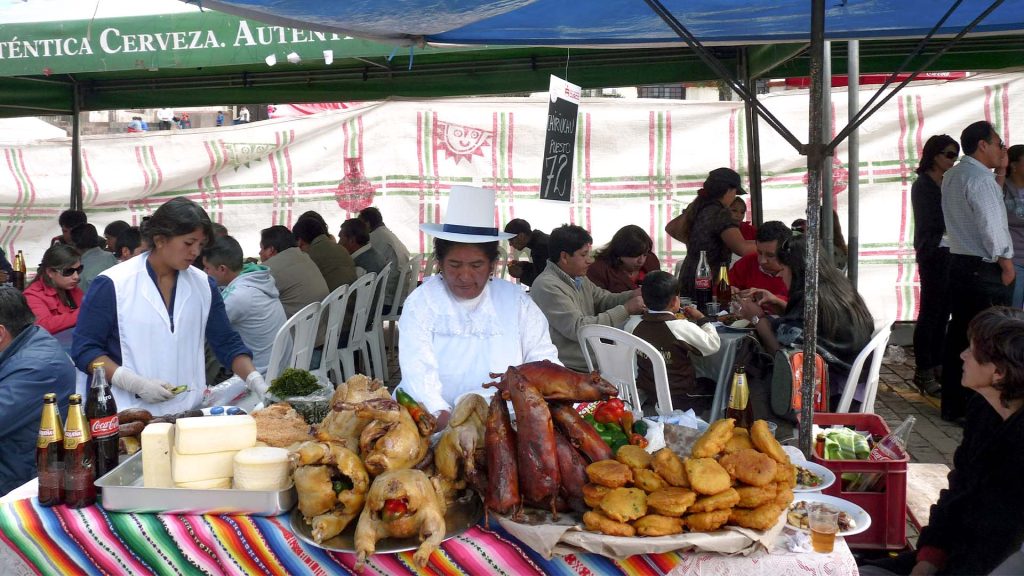
The traditional dish of this festival is known for being cold and spicy. It is a mix of 10 ingredients such as roasted guinea pig, cau cau (fish roe), boiled hen, cecina (dried meat), cochayuyo (seaweed), chorizo, toasted white corn, cheese, sliced rocoto, and the torreja, which has a fluffy texture and is prepared with a combination of ingredients such as corn, squash, and a little hen broth to give it a distinctive flavor when served.
According to some accounts, its creation is said to date back to Inca times, specifically to the aynis, a system of family reciprocity labor, since at the end of the daily workday, the best from each household was shared, forming a mixture of foods from different sectors and creating a delicious banquet.
This dish represents Inca culture because it was offered to the Sun god, a warm being; for that reason, it had to be eaten cold, and coincidentally its Quechua name comes from this: chiri = cold, and uchu = food; if we interpret it in English, it would mean “cold food.”

Happy passengers