

In the Peruvian highlands, there are two climatic seasons: the dry season, from April to October, characterized by sunny days, very cold nights, and no rain, which is usually the most recommended time to travel; and the rainy season, from November to March, when rainfall is abundant.
In the north lies Cajamarca, with its cool climate and pre-Columbian history, inviting visitors to discover its hot springs and delicious cuisine. Áncash has a mountain region surrounded by snow-capped peaks and offers a cool climate. In La Libertad, the climate ranges from warm to cool in the mountains.
In the center lies Huánuco, with a temperate climate and attractions such as the Kotosh Archaeological Complex; Pasco, with its cold high-altitude climate and the city of Cerro de Pasco; Junín, with its cool and rainy climate, is home to the Biosphere Reserve; and Huancavelica, with its cold mountain climate, colonial history, and highland landscapes.
In the south lies Ayacucho, with its temperate climate and rich artisan tradition, which dazzles visitors with its colonial churches and deep religious fervor. Apurímac, with its temperate climate, offers adventures in the Apurímac Canyon. Cusco is known for its mild climate and archaeological sites. Puno, meanwhile, surprises travelers with its cold climate and the mysterious Lake Titicaca. Arequipa, with its sunny and dry climate, captivates visitors with its colonial architecture and the impressive Colca Canyon.

These are temperate lands stretching across both slopes of the Andes, at an altitude between 2,300 and 3,500 m.a.s.l., with temperatures ranging from 10 °C to 20 °C.
At an altitude between 3,500 and 4,000 m.a.s.l., it has a cool, dry climate. Its average annual temperature ranges from 7 °C to 11 °C, while precipitation comes in the form of rain and hail, especially between January and March.
Located between 4,000 and 4,000 m.a.s.l., it has a cold, dry, frigid climate with average annual temperatures between 0 °C and 7 °C, as well as a strong thermal variation between sun and shade, and between day and night.
Located between 4,800 and 6,768 m.a.s.l., it is characterized by below-freezing temperatures most of the time, constant solid precipitation, and a very dry atmosphere.

In the Peruvian highlands, the seasons of the year are characterized by two main periods: the rainy season and the dry season. These seasons are closely linked to the climatic changes experienced across the highland region throughout the year and are very important for tourists planning to visit the country.
Rainfall is abundant and can cause heavy and prolonged rain in the Peruvian highlands. These rains are vital for maintaining the vegetation and biodiverse ecosystems of the highland region, but they can also cause landslides and river overflows, affecting access to some areas and tourist activities.
It is important to keep in mind that the rainy and dry seasons in the Peruvian highlands may vary slightly depending on geographical location and altitude.
During this season, rainfall decreases considerably and the region experiences a drier and more stable climate. Days are usually sunny and temperatures are cooler, creating ideal conditions for exploring the Peruvian highlands and enjoying outdoor activities such as trekking, climbing, and cultural tourism.

Most travelers prefer the dry season since they can enjoy more activities and the landscape with sunny days and cool nights; however, it is also high season, so you will see many tourists. If you would like quieter days and slightly emptier tourist attractions, the rainy season is the best alternative.
What is the weather like in the Peruvian highlands? Learn here about the different climatic conditions of tourist cities such as Cusco, Arequipa, Puno, Cajamarca, Huaraz, and Ayacucho, ranging from subtropical climate to high-mountain cold.
Cusco, located in the Peruvian Andes, enjoys a cool temperate climate throughout the year, with average temperatures between 10 °C and 20 °C. During the day, temperatures are usually warm, while at night they drop. Rain is more frequent between November and March. Discover more about Cusco.
Arequipa, known as the White City, has an arid and dry climate. Daytime temperatures usually range between 20 °C and 25 °C, but can reach up to 30 °C in summer. Nights are cool, with temperatures around 10 °C. Rain is infrequent and mainly concentrated between January and March. Discover more about Arequipa.
Puno, on the shores of Lake Titicaca, has a cold and dry climate due to its high altitude. Daytime temperatures range between 5 °C and 17 °C, while nights are much colder, with temperatures below 5 °C. Rain is more common between December and March, while the rest of the year is drier. Discover more about Puno.
Huaraz, in the Cordillera Blanca, has a cool mountain climate. During the day, temperatures range between 15 °C and 20 °C, but can drop below 5 °C at night. Rain is more frequent between December and March, while the rest of the year is drier.
Cajamarca has a subtropical mountain climate. Daytime temperatures usually range between 15 °C and 20 °C, with cooler nights around 10 °C. Rain is heavier between November and March, with January and February being the rainiest months.
Ayacucho has a temperate and dry climate. Daytime temperatures usually range between 20 °C and 25 °C, with cool nights around 10 °C. Rain is uncommon and mainly concentrated between January and March.

Discover the natural and cultural richness of the highlands of Cusco, from its mountain ranges and snow-capped peaks to its archaeological legacy and the Andean culture that defines the region.
The Peruvian highlands are home to archaeological sites that offer a window into the fascinating past of this region. From ancient Inca cities to pre-Inca archaeological sites, these places are must-see destinations for those who wish to explore the historical and cultural richness of the country.
These are just some of the fascinating archaeological sites that can be found in the Peruvian highlands. Each one offers a unique experience for travelers, combining history, culture, and nature.
It is located southeast of the city of Cusco, in the Vilcanota mountain range. The temperature in the morning is very cold, ranging from -3 °C to 0 °C; during the day it usually ranges from 5 °C to 20 °C; and at night, the temperature drops again, between 0 °C and 10 °C. July and August are the coldest months. The name Rainbow Mountain, of Quechua origin, refers to the tones displayed by the mountain. According to research, the mountain’s colors are due to the presence of minerals. Among the mountain’s colors are the following:
The Peruvian highlands are home to snow-capped peaks that draw travelers’ attention because of the beauty of their landscapes.

The Peruvian highlands are home to some of the country’s most impressive volcanoes, offering spectacular landscapes for adventurous visitors.

Would you like to explore these landscapes and archaeological sites in comfort and safety? At CuscoPeru.com, we offer personalized tours to Machu Picchu, Rainbow Mountain, Humantay Lake, and other highlights of the Peruvian highlands. Our itineraries are designed to adapt to the climate and your interests, guided by local experts. [Learn more about our tours here].
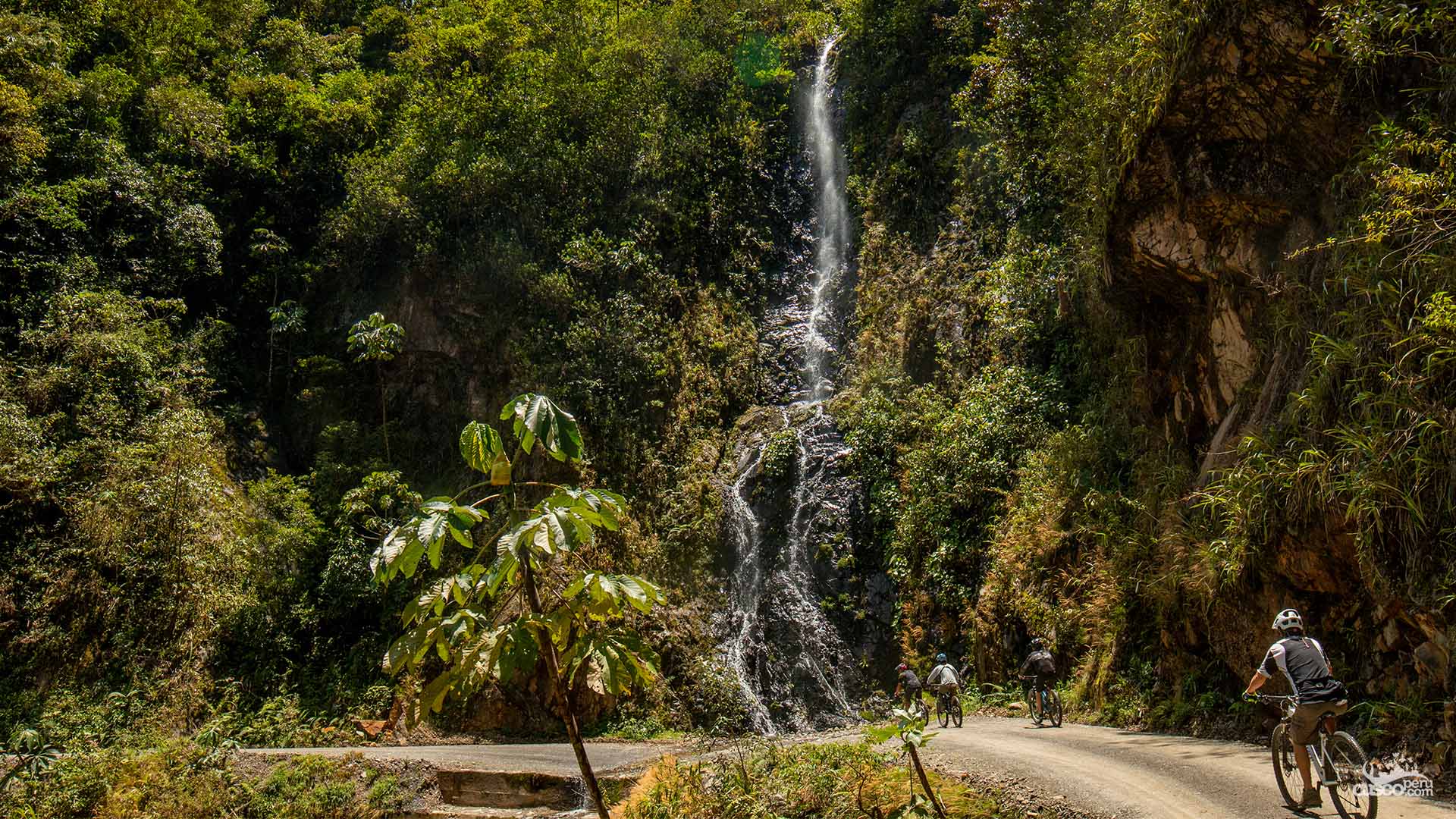
The vast Peruvian jungle, crossed by the mighty Amazon River, can be divided into two very distinct zones: the high jungle or mountain fringe, located above 700 m.a.s.l., and the low jungle, below 700 m.a.s.l.
The climate of the Peruvian jungle is hot and humid, relatively constant throughout the year. This jungle climate favors biodiversity and allows tourist activities almost all year round.
The jungle region of Peru is made up of 5 departments: Loreto, Amazonas, San Martín, Ucayali, and Madre de Dios, each with its own characteristic climate.
In the north is Loreto, the largest department; it has a tropical climate and abundant jungle. Amazonas, being close to Ecuador, has a warm and rainy climate that accompanies its lush forests. San Martín has a warm climate, a place for people who prefer this type of weather.
In the center we have Ucayali, which has a warm and very rainy climate, where you can visit many waterfalls.
In the south is Madre de Dios, which has sunsets sometimes accompanied by light rains.
The seasons of the year are not very noticeable; however, they can be identified thanks to rainfall.
In addition, there are 2 intermediate seasons:
The Peruvian jungle divides its extension into two zones: high jungle and low jungle. This causes each to have different temperatures.
In the high jungle, the maximum temperature can reach up to 26 °C, while the minimum can drop to 12 °C. Between May and August, temperatures can drop to 8 or 12 °C.
The low jungle, on the other hand, has an average temperature that can rise to 31 °C and drop to 15 °C.
Humidity in the high jungle is between 80% and 90%, while in the low jungle humidity levels reach up to 75%. This climate is characterized by abundant rainfall, with the high jungle being more humid than the low jungle. In general, humidity in the jungle is very high throughout the year, being a key characteristic of the Peruvian jungle climate that influences the visitor experience. Humidity is constant but intensifies during the rainy season.
The Amazon jungle of Peru records the highest rainfall from November to April, a period in which 80% of the region's rainfall is concentrated. The low jungle has rainfall exceeding 1000 mm/year. The high jungle has abundant rainfall, between 2600 mm and 4000 mm, with maximums exceeding 8000 mm/year.
Between April and October, rainfall is less frequent, rivers decrease their flow, and roads are easily passable. The rainy season, on the other hand, between November and March, is characterized by frequent showers (at least one per day) that can cause deterioration in land access routes.

It is a climatic phenomenon characterized by a sudden drop in temperature, rainfall, and winds. It is caused by the entry of cold air masses from the south of the continent between May and August, mainly affecting Madre de Dios, Ucayali, Huánuco, San Martín, and Loreto. Therefore, during this time, it is recommended to wear warm and waterproof clothing that covers the head, face, and ears.
Throughout the year it is tropical, warm, and very humid. The normal temperature usually ranges around 32°C and drops to 22°C at night. There is not much difference between summer and winter, but there are usually days of high humidity, where the heat feels even stronger and this means less rainfall.
It can then be said that the city has a warm and humid climate, with abundant rainfall and two marked seasons that differ according to the water levels of its rivers.
It is a place where it is very hot throughout the year due to its location and surrounding vegetation, with an average temperature of 27 °C. The climate is divided into two seasons: the first is summer, marked by the absence of rain during July, August, and September. Temperatures can reach up to 34°C, and it is very likely that the heat sensation is even higher. During these months, due to the absence of rain, river flow decreases and the water is much clearer.
In winter, Tarapoto is not very cold; rainfall occurs constantly between January and April. For residents, it can be uncomfortable, since even if it rains for just a few minutes, a large flow of water forms in the streets. There are days when the rain lasts all day; this only happens when the rain is light and the drops are smaller than usual. The temperature during this season is usually around 24 °C.
It is a tropical place between warm and humid. Rainfall is scarce between June and August, and there is a rainy season between December and March.
The climate throughout the year ranges between 18 °C and 32 °C and rarely drops below 13°C or rises above 36 °C. The best time to visit Puerto Maldonado is from late May to early September.
Pucallpa is a warm, humid, and moderately rainy city. Minimum temperatures reach 22°C and maximum temperatures reach 33°C, so it is recommended to bring light clothing, stay hydrated, use sunscreen, and carry a light rain jacket.
In general terms, Pucallpa usually feels hot and humid with frequent rainfall throughout the year.
Throughout the year, the climate in the Peruvian jungle is generally stable and offers favorable conditions for tourism at any time, although very rainy days are also likely.
When visiting the Peruvian jungle, it is essential to bring the right clothing to adapt to the varied climate. Here are some suggestions:
Ready to explore the Peruvian jungle safely and comfortably? Discover our guided tours led by local experts who will take you to the most fascinating corners of the Peruvian jungle. [discover more here]

Peru’s coast is warm in summer and has clear skies, while in winter it has refreshing winds and drizzle. The climate of the coastal region is influenced by the presence of the Andes to the east, together with the cold Humboldt Current that reaches its beaches, which gives the area its dry character.
Peru’s coast is made up of 11 departments, each with its own characteristic climate. The departments that make up the coast of Peru are: Tumbes, Piura, Lambayeque, La Libertad, Áncash, Callao, Lima, Ica, Arequipa, Moquegua, and Tacna, all with a privileged view of the Sea of Grau, the name given to Peru’s maritime territory.
On the northern coast, we find Tumbes, with its tropical climate and white-sand beaches; Piura, with its sunny days; and Lambayeque, with its pre-Columbian history and temperate climate. La Libertad enjoys sunny weather during most of the year.
On the central coast, Áncash is located, featuring an arid coastal climate along the shoreline and a cold climate in the highlands. Callao has a warm and humid climate. Lima offers a mild and misty climate. Ica is known for its impressive sand dunes and arid climate.
In the south lies Arequipa, the White City, which welcomes visitors with its colonial architecture and temperate climate. Moquegua is the main producer of olive trees and has a temperate, desert climate. Tacna, the heroic city, has a desert climate.
It can be said that Lima has a desert, temperate, and humid climate. Unlike other regions, this city has milder temperature variations throughout the year.
Its average annual temperature is around 19 °C; the high is around 25 °C and the low is approximately 15 °C.
The climate is characterized as warm, dry, and mild throughout the year, with temperatures ranging between 17 °C and 23 °C, and it has desert traits. Trujillo has two seasons: summer, which runs from December to April, with temperatures that can exceed 25 °C, and winter, which runs from June to September, when there is more fog and high humidity, with temperatures that usually range between 17 °C and 21 °C.
Piura has a tropical and dry climate, with an average annual temperature of 24 °C. In summer it exceeds 35 °C, and its maximum temperature can reach up to 40 °C when the El Niño Phenomenon occurs, while the drizzle season lasts from January to March.
Ica is a desert and hot city. Its summer runs from January to March and can exceed 30 °C, while its winter lasts from June to September, with a temperature of around 18 °C; it is mild during the day and cold at night.
Paracas has a sunny climate with strong winds, and its annual temperature ranges between 13 °C and 27 °C.
Tumbes has a warm, tropical, and dry climate, considered the hottest on Peru’s coast due to its proximity to the equator and its seasonal drizzle period from November to April. Its temperature ranges between 21 °C and 33 °C.
On the coast of Peru, the seasons of the year are fairly mild, but each one has features that make it identifiable.
In addition, there are 2 seasons considered transitional:
It is important to keep in mind that, throughout the year, the climate on Peru’s coast is generally stable and offers favorable conditions for tourism at any time.
A cold ocean current that flows northward along the western coast of South America; it cools the coastal air, creates high aridity in deserts such as Atacama, and causes morning fog, creating a beneficial marine ecosystem.
On the coast of Peru, the seasons of the year are fairly mild, but each one has features that can be identified.
In addition, there are 2 seasons considered transitional:
On the coast of Peru, the temperature varies according to the region and the time of year. During summer, temperatures can reach 30 °C, while in winter they can drop to around 15 °C.
These variations offer a wide range of climate experiences for tourists visiting the country. It is important to keep these differences in mind when planning outdoor activities and selecting the right clothing to make the most of your trip.
Humidity on Peru’s coast is usually very high and ranges between 70% and 90% throughout almost the entire year. The period of highest humidity occurs in winter, reaching 100% in Lima and Callao, with the presence of light drizzle (garúas), foggy skies, and colder conditions. Garúas predominate between April and October on the central coast, such as Lima, and in the south.
On the coast of Peru, rainfall is scarce during most of the year. However, in some areas, such as Tumbes, a more marked rainy season is experienced. It is important to keep these patterns in mind when planning your trip.
Although Peru’s coast is generally dry, it is possible to encounter some rain, especially in certain regions and during certain times of the year. It is advisable to carry a light umbrella or a raincoat in case of unexpected rain, especially if you plan to visit areas more prone to precipitation.
On the coast of Peru, winds play an important role in the climate. Southern winds often bring cooler and more humid conditions, especially during winter. These winds can affect outdoor activities and coastal navigation.
On the other hand, during summer, winds are usually milder, creating more pleasant conditions for enjoying the beaches and other outdoor activities, such as paragliding. It is important to keep this in mind when planning your trip to Peru’s coast, especially if you plan to take part in activities such as surfing or sailing.
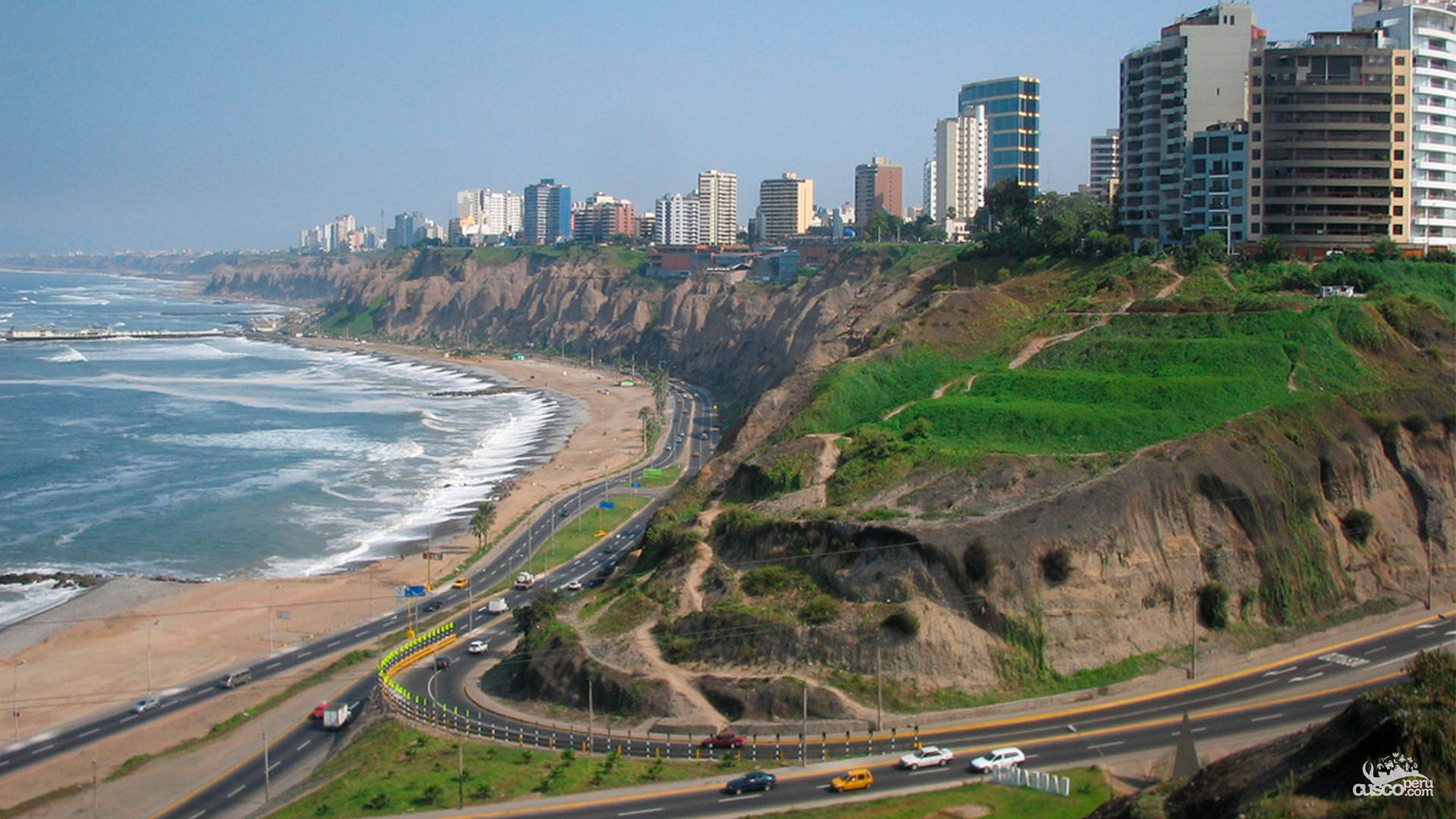
It is the warming of sea waters off the coast of Peru and the climatic changes it generates at the regional and global level, bringing drizzle, especially in Tumbes, Piura, Lambayeque, La Libertad, and Lima.
We recommend visiting Peru’s coast during the summer, when the weather is hot and sunny, so you can enjoy the beaches, especially in the north (Piura and Tumbes), and do more activities during the day.
Throughout the year, the climate on Peru’s coast is generally stable and offers favorable conditions for tourism at any time.
When visiting the coast of Peru, it is essential to bring appropriate clothing to adapt to the varied climate. Here are some recommendations:

Happy passengers