This Sunday, June 23 will be held the festival "Viva Cusco 2013" which will have for the first time in the Imperial City to the University of Salsa: El Gran Combo de Puerto Rico, the Caribbean group will be accompanied by La Novel, Ray Callao and Choconga.
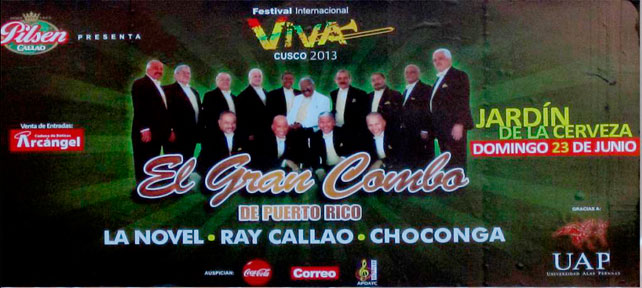
The group promised to make the whole 'Imperial City' dance, and also announced that they will visit Machu Picchu, which will be the protagonist of the cover of their new production.
On August 1, Pachamama Day is celebrated in the high Andean communities of Ecuador, Peru, Bolivia, Chile, and Argentina. The Andean region is characterized by a culture rooted in pre-Inca and Inca traditions, expressed through its festivals, customs, and traditions.
Many people have a deep bond with Mother Earth, known as Pachamama in Quechua. For this reason, every August 1, they perform an offering ceremony to Pachamama, who represents the earth and all of nature, which provides us with the place and resources we need to live.
The Incas held her in the highest respect. She was one of their deities, just like Inti, the Sun God. Before certain festivities, they would usually perform a ceremony of gratitude for her. It was the time for the earth to eat, drink, and smoke; the time to give back much of what she had given them.
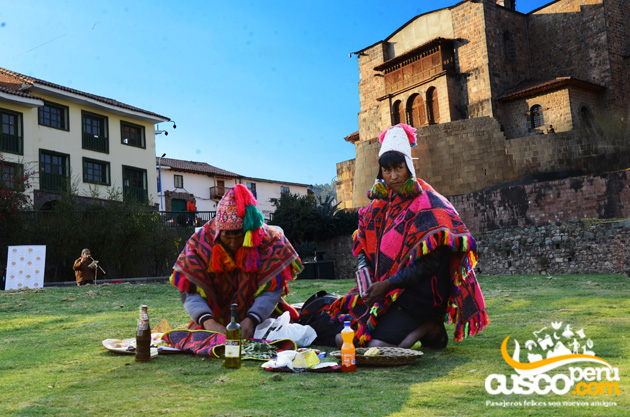
To understand the meaning of the Quechua word “Pachamama,” we must first break it down into two parts: “pacha,” which means earth, world, universe, or time, and “mama,” which means mother. Together, these two terms mean “Mother Earth” or “Mother World.”
Everything that exists on our planet, especially in the Andean world, has life. From people to stones, mountains, rivers, plants, and trees, everything is alive. Nothing is inert in the Andean world. The stars, the universe, the moon, and especially the sun are also alive.
Most high Andean communities have had, and still have, a deep dependence on and connection with agriculture. August is the month when they prepare to welcome the new harvests. On Pachamama Day, the Andean people seek to give back to the earth everything they have received from her, expressing gratitude and asking for the coming harvests to be abundant and prosperous as well.
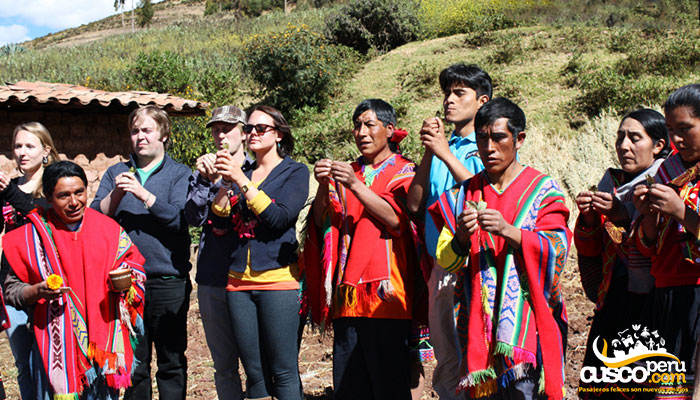
Today, many local people perform this ritual to give thanks and also to prevent situations that may not be beneficial. According to local tradition, the offering may include coca leaves, coins, a lliclla, which is a traditional blanket with Inca motifs, food, and other elements.
Men from the countryside, housewives, workers, farmers, children, authorities, neighborhood boards, and other organizations take part in the Pachamama Day festivities.
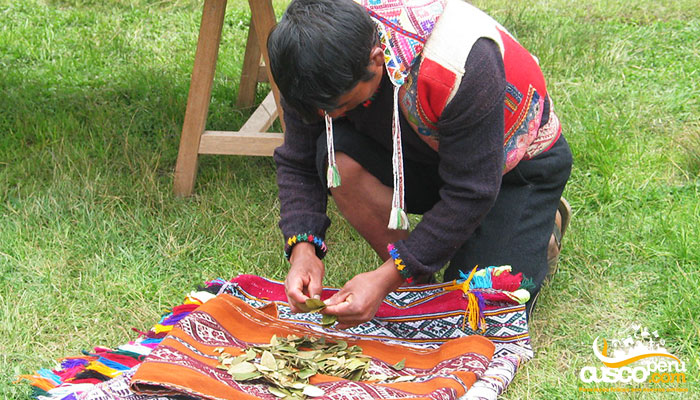
As part of the Pachamama Day celebrations, men and women from high Andean communities gather on August 1 in a ceremony that includes, among other things:
At the end of the ceremony, wood or firewood is placed in the hole. Everything prepared is wrapped in the lliclla and finally consumed by fire, before being covered with earth. Throughout the ceremony, people drink beer, eat various traditional dishes, and celebrate with dances and music.
Pre-Inca civilizations, such as the Moche, Chimú, Chanka, Tiahuanaco, and peoples of the jungle, among others, shared with the Incas the belief in a single entity that represented both God and nature. The Incas understood this, and it became one of the pillars of their success in spreading this type of belief throughout their empire.
According to the Inca worldview, space or time was divided into three planes:
Hanan Pacha: This expression means “the world above.” It was the celestial world, reserved for those who had been righteous during their lives and could access it through a bridge made of hair. In this upper world lived the most important gods, such as Wiracocha, which we will explain further below.
Kay Pacha: This expression means “the present world, the here and now.” It is the world where humans, animals, and some deities live, such as Pachamama, Mama Sara, and Pariacaca.
Uku Pacha: This expression means “the world below, the world of the dead.” In this world, according to Andean mythology, lived unborn children, the dead, and everything beneath the surface of the earth or sea. They believed that caves, springs, and other openings in the earth’s surface were actually portals or connecting lines between Uku Pacha and Kay Pacha.
Inca religiosity included divinities linked to nature, the stars, mountains, water, and fertility; in other words, they believed that the creator god and nature were part of the same entity. Although they developed a textile-based system for accounting and administrative records, made up of a main cord with hanging colored threads and knots, called “khipus,” they did not develop alphabetic writing. For this reason, most of their traditions and myths have been passed down orally, from generation to generation.
As mentioned above, Inca religion was pantheistic, meaning it believed in a single entity that represented both creation and nature. However, Wiracocha was one of the most important creator deities within certain Andean and Inca traditions.
Andean culture is rich in tradition, culture, and art, present in its most important cultural expressions, such as the tribute to Pachamama. We invite you to discover this and much more with our team of professionals at CuscoPeru.com.

Location: Plaza de Armas, Cusco
Every January 6, this ceremony is held in the Plaza de Armas of the city of Cusco. The event begins with songs performed by local choirs in honor of Christmas and the Child Jesus.
Likewise, the traditional dismantling of the Cusco nativity scene takes place, a symbolic act led by the city’s main authorities.
The Municipal Festivities Company of Cusco (EMUFEC) organizes the award ceremony and recognition of the winning exhibitors of Santurantikuy 2026, Cusco’s most representative traditional Christmas fair.
The work of the artisans who win the Cusco Nativity Scene Contest is also recognized. They participate every December 24 in this competition that celebrates creativity and cultural identity.
Location: San Sebastián District, Cusco
From January 19 to 25, the traditional district of San Sebastián, one of the oldest in Cusco, celebrates its patron saint, San Sebastián, with devotion, music, and color.
The streets fill with traditional dances and folkloric comparsas that parade to the rhythm of Andean music, creating a festive atmosphere that captivates both locals and visitors.
A cultural experience that blends faith, identity, and joy in the very heart of Cusco.
Location: Cusco
Cusco begins February with fun, color, and playful mischief with the traditional Celebration of the Compadres, a date that strengthens bonds between godparents, close friends, and festive companions, celebrated with humor and popular creativity.
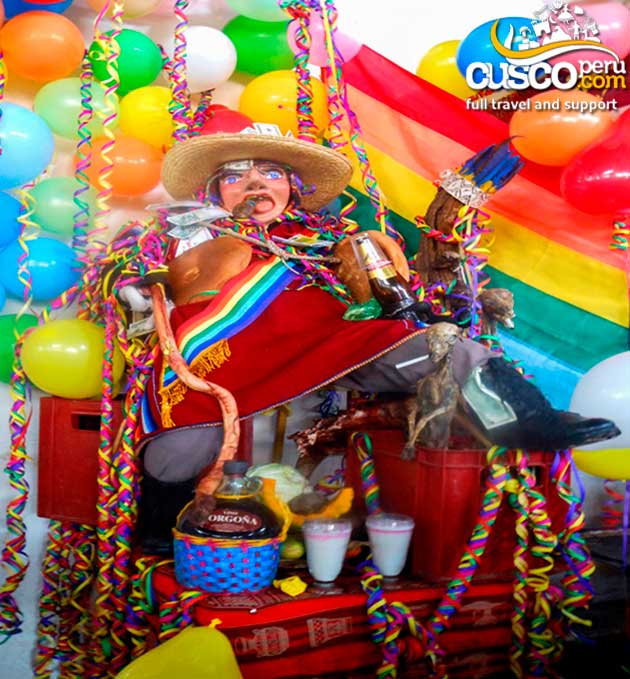
On this day, it is common to see rag dolls placed on balconies, posts, and squares. These figures, usually male, represent public figures, politicians, or neighborhood residents, caricatured with wit and messages that mock everyday situations or social issues.
The city comes alive with music, laughter, foam, and colorful paint, in a festive atmosphere that marks the beginning of Cusco Carnival, one of the most authentic and participatory celebrations in Peru.

Location: Cusco
Then comes the turn of the comadres, women united by a special bond, whether as godmothers, close friends, or festive companions. This celebration honors them with music, foam, streamers, and plenty of color.
As part of the tradition, rag dolls are made and placed on balconies, posts, markets, and squares. These figures represent well-known female characters and become a satirical expression full of humor and social criticism, in true Cusco style.
Location: Plaza de Armas and streets of the Historic Center
Considered one of the most joyful and participatory festivities in Cusco’s calendar, Cusco Carnival transforms the city into a celebration of color, dance, and popular games. Although the celebration lasts several weeks, the main day is lived with special intensity.
From the Thursday of Compadres until February 22, the great farewell to Carnival, the city vibrates with comparsas, parades, traditional dances, live music, and games with water, foam, and paint. The Plaza de Armas becomes the epicenter of collective joy.
Location: Throughout the city of Cusco and its provinces
One week after Carnival Sunday, the Kacharpari takes place, a ceremony that marks the closing of the festivities. In Cusco’s historic center, there are dance performances, music, and a sample of delicious local gastronomy.
This dish, typical of Carnival, becomes the star of Cusco tables. Timpu or puchero is prepared with beef, potatoes, sweet potatoes, rice, chickpeas, corn, and other vegetables. It is a delicious dish to share with family or friends during these dates.
In various neighborhoods of Cusco, the traditional yunza is celebrated, a festivity in which a tree decorated with gifts is planted. As the music plays, participants dance around it and, taking turns, strike the trunk with an axe.
The most exciting moment comes when the tree falls. Whoever brings it down will be responsible for organizing the yunza the following year. It is a joyful custom that brings together symbolism, cooperation, and community.

Location: Plaza Mayor, Lima
In Peru’s capital, the official ceremony is held to mark the beginning of the Festivities of Cusco and the road toward Inti Raymi, evoking the greatness of the Tahuantinsuyo and the continuity of its legacy.
The announcement is made by the provincial mayor before the Peruvian public, national and international media, and the general audience. This event marks the starting point of a season of cultural celebrations that reflect Cusco’s living identity before the world.
Holy Week is one of the most important religious celebrations in Cusco’s calendar. Lived with deep faith and tradition, it brings together thousands of devotees who fill churches, streets, and squares with symbols of reflection, gratitude, and hope.
Everything begins with Palm Sunday, when families go to churches carrying crosses woven from palm leaves, which are blessed during Mass. These crosses are later placed in homes as a sign of protection and spiritual renewal, marking the beginning of a week of reflection and popular devotion.
On Holy Monday, one of the most important acts of the week takes place: the Procession of the Lord of the Tremors, Sworn Patron of Cusco.
On Holy Thursday, the Last Supper is remembered, and many Cusco families keep the tradition of preparing twelve different dishes in honor of the twelve apostles. This custom may also take place on Good Friday, depending on each household’s beliefs and practices.
Good Friday is a day of reflection and silence. The crucifixion and death of Jesus are commemorated with special Masses, Stations of the Cross meditations, and moments of deep reflection throughout Cusco.
Holy Saturday marks the transition toward hope, in an atmosphere of reflection while awaiting the resurrection. Finally, the festivity culminates with Easter Sunday, a day of celebration for the triumph of life over death. Bells ring joyfully and Masses are celebrated throughout the city.
During this week, Cusco experiences a unique fusion of Catholic faith and Andean tradition. It is a truly unforgettable spiritual and cultural experience.
Location: Historic Center of Cusco
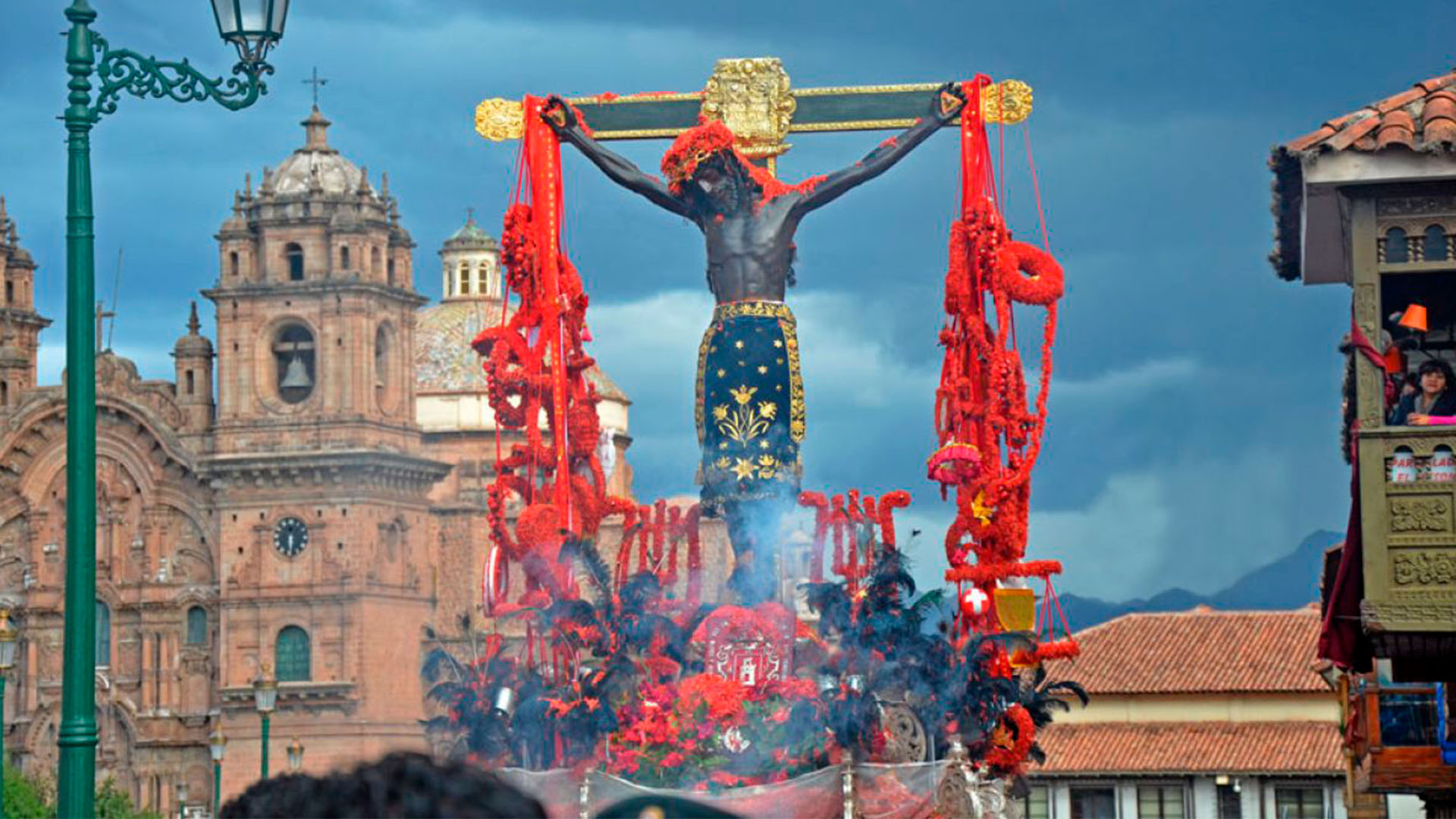
Holy Monday, the central day of Holy Week in Cusco, is experienced with special intensity. On that day, the image of the Lord of the Tremors, Sworn Patron of the city, solemnly travels through the main streets of the historic center in a procession filled with faith and emotion.
During the route, balconies are decorated with flowers and cloths, while people offer prayers, songs, and bouquets of ñucchu, an intense red Andean flower that symbolizes the blood of the crucified Christ. This flower, traditionally used in the procession, is a distinctive element of this Cusco celebration.
At nightfall, around 7:00 p.m., the Plaza de Armas becomes the spiritual heart of the city. Thousands of people gather to receive the Lord’s blessing, in one of the most moving moments of Cusco’s religious calendar.
Ñucchu (Salvia oppositiflora) is an ancestral flower that grows in the highlands of southern Peru. With its bright red color and delicate shape, it has been adopted by Cusco devotees as a symbol of devotion and sacrifice. Its use in the Procession of the Lord of the Tremors is a living expression of the union between Andean spirituality and Catholic tradition.
Location: Traditional neighborhoods of Cusco
Cruz Velacuy, or Vigil of the Cross, is one of the most heartfelt religious festivities in Cusco’s traditional neighborhoods. This celebration blends Christian devotion with Andean beliefs in a symbolic act of respect and connection with the apus, or sacred mountains.
During this date, crosses, which are often brought down from the heights, are placed in chapels or central neighborhood spaces, where they are watched over throughout the night with prayers, dances, songs, typical food, and a strong sense of community gathering.
Location: Urubamba, Sacred Valley of the Incas
In the spiritual capital of the Sacred Valley, Urubamba, one of the region’s most heartfelt Catholic festivities is celebrated. The Lord of Torrechayoc, represented by a cross decorated with jewels and fine textiles, receives the homage of devotees with Masses, processions, dances, and traditional dishes. The main altar is located in the neighborhood of the same name, just 10 minutes from the town center.
For several days, religious fervor and popular joy fill the streets with fireworks, brass bands, and traditional dances, in a unique communion between faith and living culture.
Location: Streets of Cusco’s historic center
The city fills with energy during the Qosqo 10K Hatun Phaway Grand Race, a sporting event that opens the celebrations for Cusco’s Jubilee Month.
Local, national, and international runners cover 10 kilometers along a route that passes through emblematic places in the imperial city, promoting physical activity, healthy tourism, and cultural integration. This is both a competition and a collective experience that celebrates life, movement, and the Cusco spirit in all its splendor.
Location: Plaza de Armas, Cusco
With an ancestral ceremony in honor of Mother Earth, the Festivities of Cusco officially begin.
This day marks the start of the Jubilee Month with a ritual of gratitude to Pachamama, a sacred symbol of fertility and abundance in the Andean worldview. Organized by EMUFEC (Municipal Festivities Company of Cusco), the event is staged in the heart of the historic center, the Plaza Mayor, and brings together thousands of attendees, both locals and visitors from around the world.
With coca leaves, chicha de jora, and floral offerings, the spirit of Cusco renews its deepest bond with the land that sustains it.
Location: Apu Ausangate, Sinakara Valley
More than a festivity, it is a profound spiritual experience. Every year, around 90,000 pilgrims undertake a sacred journey toward the Ausangate snow-capped mountain, one of Cusco’s most revered apus. The route begins with a vehicle journey, followed by a hike that ends in Sinakara, a natural sanctuary surrounded by mountains.
June 2 is the central day, when devotion reaches its highest point with ritual dances, chants, and ceremonies that intertwine Catholicism with ancient Andean beliefs. Organized by the Council of Pilgrim Nations and the Brotherhood of the Lord of Qoyllurit’i, this event was recognized by UNESCO as Intangible Cultural Heritage of Humanity.
The pilgrimage reaffirms the spiritual bond between human beings, the mountain, and their ancient customs.
Location: Plaza de Armas, Plaza San Francisco, Cusco
The Corpus Christi entrance procession in Cusco is one of the most important and visually striking celebrations in the Andean festive calendar. Every year, on the eve of the main day, 15 images of saints and virgins pass through the streets toward the Cathedral of Cusco, in a parade of music, dance, and devotion that attracts both locals and tourists from around the world. This celebration is a Catholic tradition enriched by Andean beliefs, becoming a unique spectacle.
Location: Plaza de Armas, Cusco
Corpus Christi 2026 keeps alive one of Cusco’s oldest and most emblematic religious traditions. Every year, thousands of faithful devotees and travelers gather to witness the great procession of fifteen images of saints and virgins, carried on shoulders from the city’s main churches to the Cathedral of Cusco. Each brotherhood organizes bands, dances, and offerings that accompany the route, creating an atmosphere of deep devotion and faith.

Location: Plaza San Francisco, Cusco
This festival is a tribute to flavor and memory. Chiriuchu, which in Quechua means “cold chili,” is much more than a traditional dish. It is an ancestral fusion of ingredients that represents the richness of Peru’s ecological zones.
It is traditionally served during this time of year and includes ingredients such as cochayuyo, cooked hen, alpaca jerky, Cusco sausage, fish roe, cheese, cancha (toasted corn), rocoto pepper, seaweed (kori), and corn fritter. A feast of flavors with pre-Hispanic and colonial roots that delights every palate.
Location: Plaza Mayor of Cusco
Eight days after Corpus Christi, the sacred images go out in one final procession to say farewell to the people of Cusco. Tradition says that, during those days, the saints “have been talking” about the behavior of their devotees.
The Octave represents the closing of this festivity before each image returns to its church. It is a solemn farewell that reaffirms the deep connection between Catholic faith and Cusco’s cultural identity.
Location: Plaza Mayor of Cusco
As part of Cusco’s Jubilee Month, the city’s universities pay tribute through an artistic parade full of identity. Each institution presents traditional dances and allegories that reflect its commitment to Andean culture and its bond with the community.
A parade that showcases young talent, regional pride, and the vitality of a culture that remains alive in every generation.
Location: Plaza Mayor of Cusco
Color, rhythm, and tradition take over the Plaza de Armas during this vibrant parade. Dozens of public and private educational institutions in Cusco come together to honor the city through traditional dances. Each group displays native costumes, ancestral choreographies, and cultural expressions that reflect the diversity and richness of Andean peoples.
Location: Plaza Mayor of Cusco
EMUFEC presents the Cusco 2026 Lights and Sound show, a visual and musical experience that lights up the Cathedral of Cusco with light displays, live music, and fireworks.
For approximately four hours or a little longer, thousands of attendees, both locals and tourists, enjoy an unforgettable evening framed by the festive spirit of the Jubilee Month. This is one of the most anticipated events in Cusco, combining technology, art, and emotion. The show begins in the afternoon and ends at around 10:00 p.m., although the schedule may vary.

Location: All of Cusco and Andean regions in general
On June 20, when the sun reaches its lowest point in the sky of the Southern Hemisphere, Andean peoples celebrate the Andean New Year, or Machaq Mara in Aymara, in connection with the Winter Solstice. It is a sacred moment of renewal and hope: the rebirth of the sun, Inti, source of life, after the longest night of the year.
In the Andean worldview, nature and time are deeply connected. For this reason, this day marks the beginning of a new agricultural, spiritual, and communal cycle. At dawn, communities gather in ceremonial spaces, often in high places such as mountains or temples, to receive the first rays of the sun with outstretched arms as a sign of gratitude and a request for blessings for the new year.
This ancient rite, now experienced with renewed pride in places such as Cusco, Puno, Bolivia, and other Andean regions, is also an act of cultural resistance and a tribute to the legacy of the ancient peoples of the Tawantinsuyu. In many cases, it is complemented with dances, offerings to Pachamama, or Mother Earth, and rituals.
Locations: Qoricancha, Plaza de Armas, Sacsayhuaman
Inti Raymi is one of the most important and traditional events in Cusco, celebrated every June 24. It is the central day of Cusco’s Jubilee Month and one of the most significant ceremonies in the Andean calendar.
Inspired by the ancient Inca rite in honor of Inti, the Sun god, this event marks the winter solstice, a key moment in the Andean agricultural cycle. Ancient inhabitants believed that the sun needed to be honored to ensure abundant harvests and the well-being of the empire.
The staging is divided into three main acts, which take place in the most sacred settings of ancient Qosqo.
First act: Qoricancha
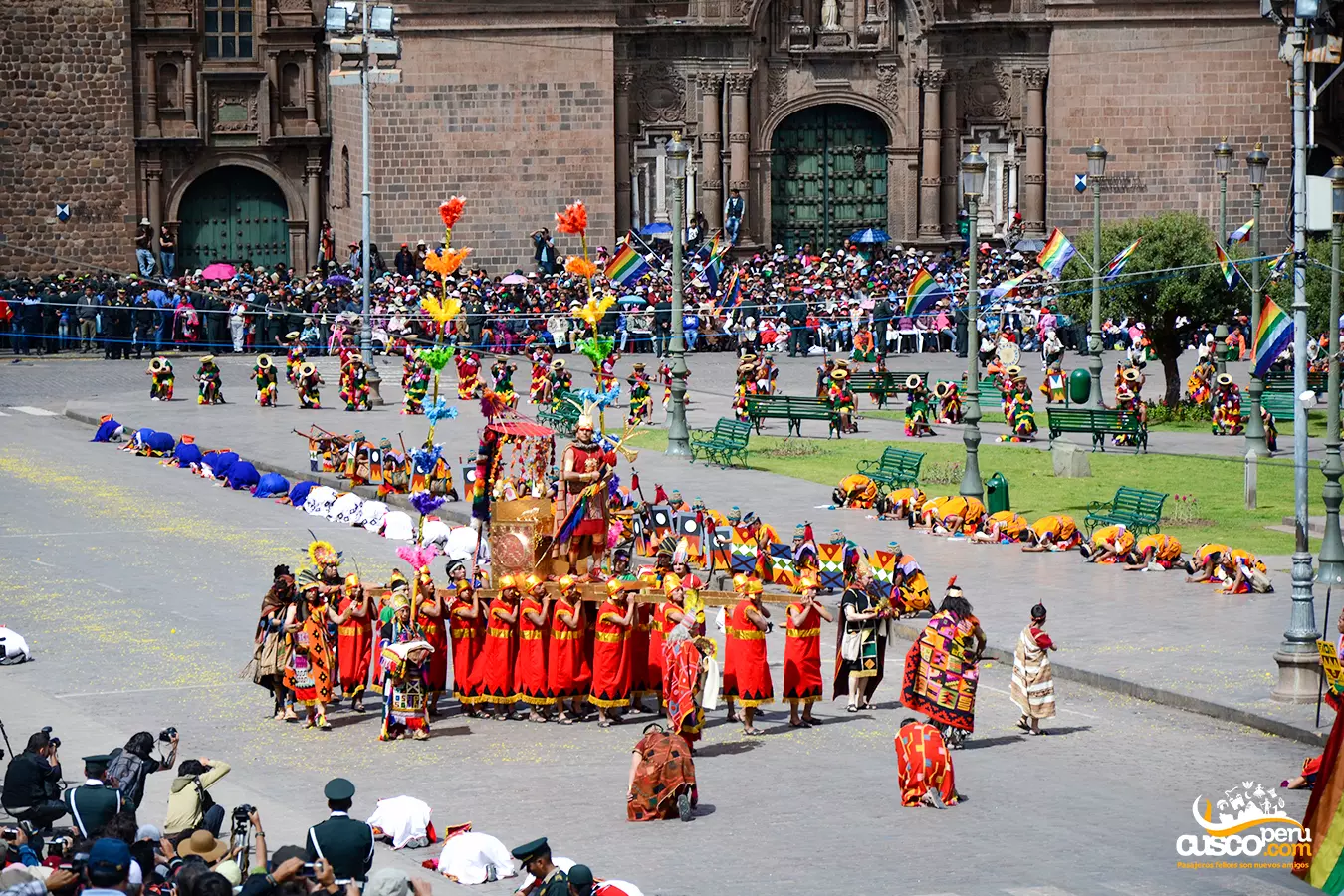
The ceremony begins at the Temple of the Sun, Qoricancha, with the appearance of the Sinchi, the General Commander of the Inca army, and his troops. They are followed by the Acllas, women chosen for their grace and wisdom, considered the most beautiful in the empire.
The Tika Taqaqkunas also participate, scattering flowers along the ceremonial path where the Inca and his wife, the Qoya, advance. All of this is accompanied by the sound of quenas and pututos, traditional instruments that evoke the sacred power of music. This first act lasts approximately 30 minutes.
Second act: Plaza de Armas of Cusco
The royal procession moves to the historic Plaza de Armas, where the Sinchi, the imperial army, and representatives of the four suyos of the Tahuantinsuyo are presented: Chinchaysuyo, Contisuyo, Antisuyo, and Collasuyo.
The Inca and the High Priest of the Sun make a symbolic offering on an altar placed in the middle of the square, with the aim of ensuring good harvests, balance, and prosperity for the empire.
This act lasts approximately 40 minutes and stands out for its solemnity, symbolic strength, and visual majesty.
Final act: Sacsayhuamán
The culminating act takes place at the archaeological complex of Sacsayhuamán, one of the most impressive constructions of the Inca legacy. Here, the largest gathering of musicians, dancers, priests, and representatives of the four regions of the empire takes place, each entering with their own dances.
Various offerings are performed, including the symbolic sacrifice of a llama, considered the main rite of the ceremony. The final scene is crowned by an emotional announcement by the Inca in the Quechua language, wishing good fortune for his people and reaffirming the bond between the earth, the sun, and the spirit of the Andean people.
Location: Paucartambo, Cusco
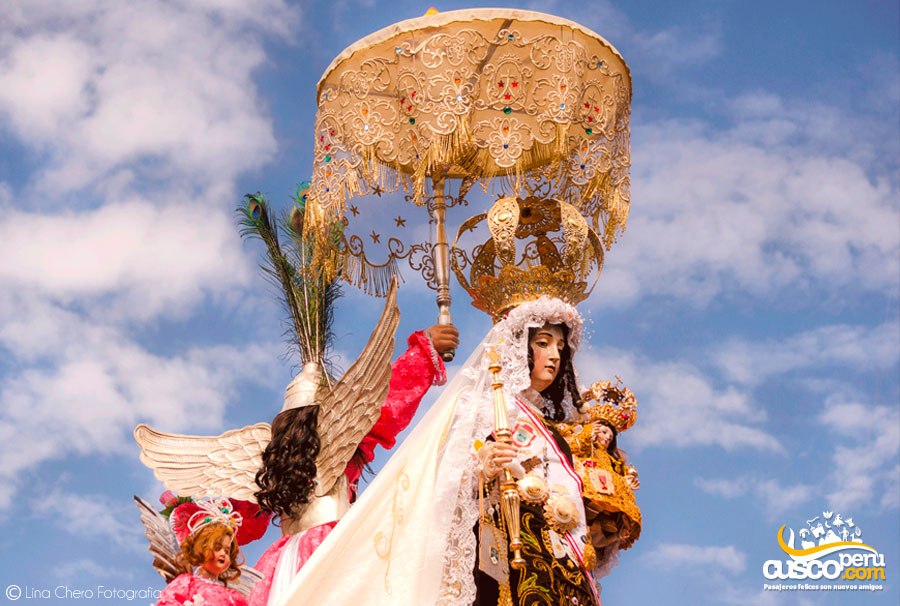
During these days, Paucartambo becomes an epicenter of faith, culture, and color. Every July 16, the festivity of the Virgin of Carmen, affectionately known as “Mamacha Carmen,” is celebrated. It is considered one of the most important folkloric celebrations in Peru, after the Virgin of Candelaria in Puno.
Thousands of devotees and visitors travel from Cusco, on a journey of approximately two hours or a little longer, to pay homage to the town’s spiritual patroness. The streets fill with comparsas, brass band music, and a solemn procession that moves through the heart of the town. More than a dozen dance groups represent characters with their own costumes and choreographies, especially the famous saqras, figures with demonic masks that interact playfully with the public, representing the eternal struggle between good and evil.
In recent years, this festivity has crossed borders thanks to its spirituality, deep Andean-Christian symbolism, and the vibrant spirit felt in every corner of the town. It is a transformative experience that combines devotion, oral tradition, ritual dance, and folk art in a highland setting.
Location: Plaza de Armas of Cusco
Cusco joins the entire country in celebrating the anniversary of Peru’s independence with an impressive civic-military parade. Every July 28, educational institutions, government entities, police forces, and military units parade through the Plaza Mayor in honor of the homeland, under the gaze of local authorities and citizens.
The day begins with a Mass at the Cathedral of Cusco, followed by the solemn raising of the Peruvian flag. Marching bands, dress uniforms, and civic fervor fill the historic center, remembering the legacy of freedom that unites all Peruvians.
Location: Plaza Regocijo, Cusco
Cusco Invita is a gastronomic event organized by EMUFEC and open to the public. It is a tribute to Peruvian flavor in the historic capital of Peru, with the participation of outstanding local chefs and the support of cultural institutions.
During this celebration, Plaza Regocijo becomes a space full of flavors, where visitors can taste emblematic dishes of Cusco and Peruvian cuisine.
The festive atmosphere is completed with live music, traditional dances, and an ambiance that celebrates Peru’s culinary diversity.
Cusco, recognized as one of the country’s most important gastronomic destinations, opens its kitchen to the world in this encounter of tradition, creativity, and flavor.
Location: All of Cusco
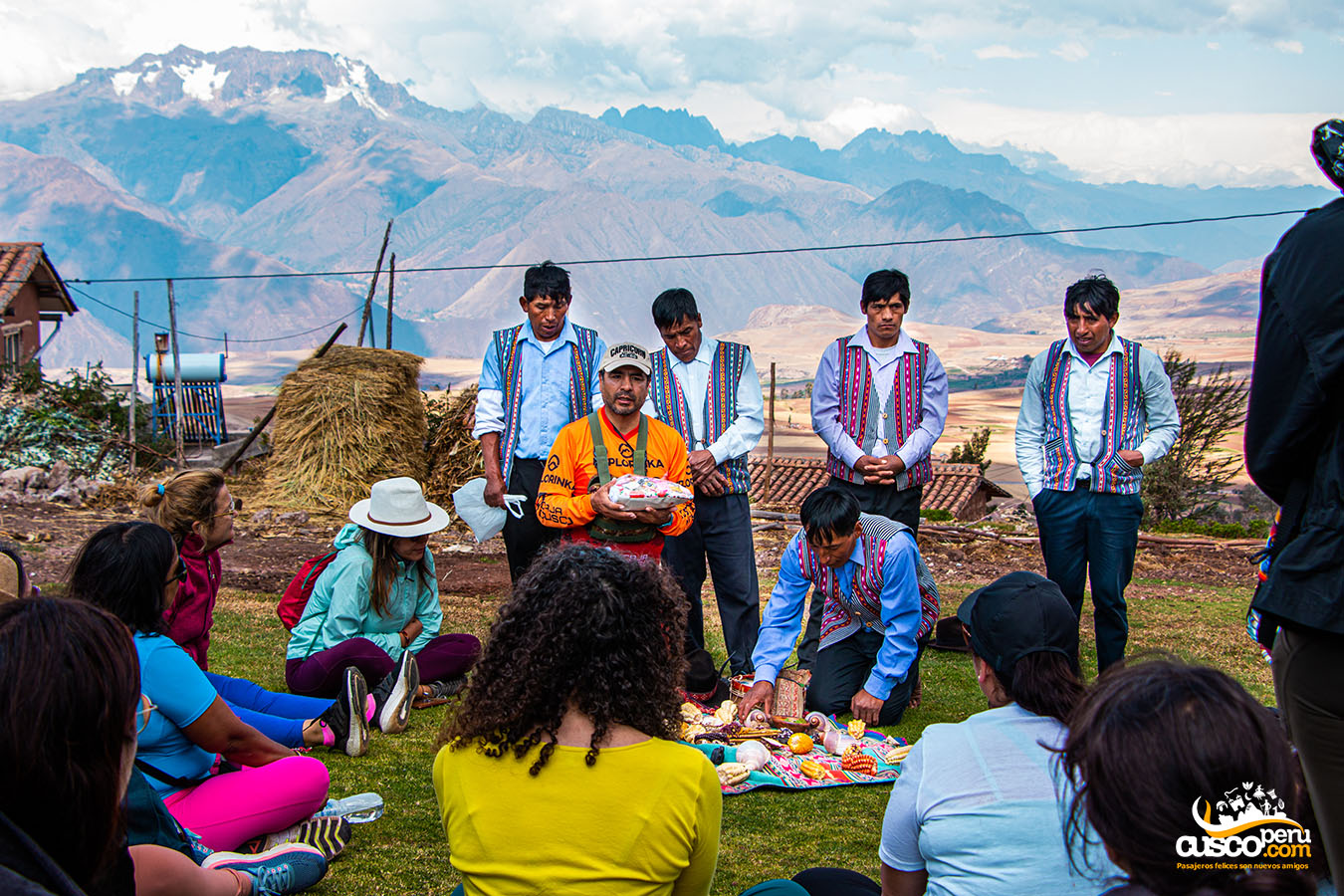
August 1 marks a sacred date in the Andean calendar: the Day of Pachamama. Since ancestral times, the peoples of the Andes have made offerings to Mother Earth, giving thanks for what they have received and asking for abundance for the new agricultural cycle.
In Cusco, this tradition remains alive both in homes and institutions, where symbolic ceremonies are carried out with deep spiritual respect. Offerings include chicha de jora, coca leaves, cigarettes, candies, sometimes port wine, and other ritual elements passed down through generations.
This custom reaffirms the spiritual bond between the earth, human beings, and the universe.
Location: Plaza San Cristóbal, Cusco
Devotion to the patron saint of transport workers is celebrated with joy in Plaza San Cristóbal. On this day, the church courtyard fills with music, dances, and religious expressions. The celebration includes cultural activities, Masses, food fairs, and craft exhibitions, in an atmosphere that brings together tradition and community.
The orchestras, the color of traditional costumes, and popular faith transform this event into a vibrant day honoring the holy protector of the road.
Location: Calca and Pisaq, Sacred Valley
Known as Mamacha Asunta, the Virgin Asunta is the patroness of Calca and one of the most beloved Marian icons of the Sacred Valley. Her festivity is celebrated with joyful dances, lively choreographies, and expressions of popular faith that attract both local visitors and national and international tourists.
The streets fill with comparsas, fireworks, and great devotion, in a setting surrounded by mountains and tradition. It is a celebration that combines the sacred and the festive, leaving an unforgettable experience for those who participate.
Location: Taray, Calca, Pisac, Tinta (Canchis)
The festivity in honor of the patron saint San Bartolomé is celebrated with songs, dances, and traditional music performed with bandurrias and quenas.
This traditional celebration takes place mainly in the district of Tinta, from August 22 to 26, and is also observed in other towns of the Sacred Valley.
It is a festivity that stands out for its rural and community essence, where dances, faith, and a sense of belonging come together in a lively tribute.
Location: Plaza de Armas of Cusco
Patroness of the Americas and the Philippines, Saint Rose of Lima is honored with a civic-religious ceremony in Cusco’s Plaza Mayor. Civil, military, police authorities, and institutions that recognize her as their patroness participate in a parade that combines solemnity and religious pride.
This festivity, celebrated throughout the country as a national holiday, stands out in Cusco for the presence of the Peruvian National Police and other law enforcement bodies, which pay tribute to their holy protector.
Location: Almudena Neighborhood, Cusco
Almudena, one of Cusco’s oldest and most traditional neighborhoods, fervently celebrates the Virgin of the Nativity, one of the city’s most beloved images. The festivity begins on August 29 with the traditional flower entrance, a procession that starts at Plaza San Francisco and reaches the Almudena Temple, filling the streets of the historic center with color and fragrance.
On the main day, September 8, solemn Masses, music, and traditional dances accompany the procession of the Virgin through the Almudena neighborhood. It is an emotional celebration where faith and tradition come together in one of Cusco’s oldest corners.
Location: San Salvador District – Sanctuary of Huanca, Cusco
Every September 14, thousands of devotees travel to the Sanctuary of the Lord of Huanca, in the district of San Salvador, 48 km from the city of Cusco. The image of the martyred Christ is a symbol of healing, faith, and hope, and gathers pilgrims from all over Peru and abroad.
Many faithful complete the walk as an act of penance or gratitude. The route, surrounded by nature and spirituality, becomes an encounter of collective faith. The sanctuary, nestled in the mountains, is one of the most important pilgrimage centers in the country.
Location: Mollepata, province of Anta
The Lord of the Exaltation is venerated with great devotion in Mollepata, where communities from across the province of Anta gather every year. This festivity, deeply rooted in popular feeling, brings together hundreds of pilgrims who arrive from different areas of Cusco to take part in Masses, processions, and celebrations with music and dances.
Location: Plaza of the San Jerónimo District, Cusco
From September 28 to October 2, The festivity in honor of San Jerónimo, patron saint of the district of the same name, is one of the most representative religious celebrations of the month. Not only residents of San Jerónimo take part, but also comparsas and delegations from neighboring districts of Cusco.
The program includes folkloric dance competitions, music festivals, art exhibitions, and food fairs that showcase the best of local culture.
During the celebration, you can also taste emblematic dishes such as the traditional chiriuchu and enjoy ancestral drinks such as chicha de jora.
Location: Historic Center of Cusco and districts such as San Sebastián and San Jerónimo
Although the main festivity of the Lord of Miracles is celebrated on October 28 in Lima, in Cusco the activities begin on October 1 with the opening Mass of the Purple Month and the blessing of habits. The central day in Cusco is October 18, with processions through several streets of the city, including visits to institutions and penitentiary centers. The closing of the Purple Month takes place on October 31 with a special Mass.

Location: Historic Center of Cusco
Although criollo music originated in Lima, specifically in Barrios Altos, the celebration of this musical expression has also taken root in Cusco. Every October 31, the historic center fills with coastal music, traditional dances, and cultural activities that pay tribute to the criollo spirit.
Open-air concerts, marinera performances, and exhibitions of traditional Peruvian food come together with Cusco’s heritage in a day that honors one of the most authentic expressions of national identity.
Location: Oropesa, Cusco
A celebration that brings together Catholic and Andean traditions with deep tenderness and symbolism. During this date, homes and cemeteries in Oropesa fill with altars dedicated to the deceased, decorated with flowers, candles, fruits, sweets, and the emblematic t’anta wawas: breads shaped like children, horses, or other figures that represent the cycle of life.
The atmosphere is festive and family-centered, with tables filled with roast suckling pig, Cusco corn tamales, and other traditional delicacies. In squares and markets such as Plaza Túpac Amaru, food stalls offer these flavors that bring generations together.
Location: Cusco and rural communities
Continuing the celebrations of All Saints’ Day, the Day of the Dead is an intimate day when families honor their deceased loved ones. Altars are built in homes with objects, photographs, and the favorite foods of the departed, as it is believed that they return to share with their loved ones. This tradition is especially meaningful in Cusco’s rural communities.
Location: Plaza de Armas of Cusco
During the days leading up to Christmas, the Plaza de Armas becomes a large Andean market that celebrates faith and folk art. Santurantikuy, commonly translated from Quechua as “buy me a little saint,” is a traditional fair that brings together hundreds of artisans from Cusco and other provinces, who display their finest creations: nativity scenes, religious figures, textiles, ceramics, carved wooden objects, and Christmas ornaments.
Beyond shopping, it is an opportunity to experience Christmas in an Andean way, where spirituality, creativity, and tradition come together in one place.

Location: Plaza de Armas of Cusco
On the night of December 31, the Plaza de Armas becomes a great stage where locals and travelers gather to celebrate with music, dances, rituals, and fireworks.
At midnight, Andean tradition comes alive as people walk in circles around the square to attract good omens and positive energy. It is not only about changing the calendar, but about renewing the spirit in a city that vibrates with history, faith, and hope.
As part of the most popular rituals, many people also perform flowering baths, prepared with herbs, flowers, and essences meant to cleanse negative energy and attract well-being. Others choose to wear yellow underwear, a symbol of good luck and abundance for the year ahead.
In recent days Google Street View vehicles have been seen touring the streets of the city of Cusco, this as part of the data collection for the city to be part of the service that Google offers through Street View.
Google has been collecting images in Peru since December 2012 and since August 14, 2013 the Street View functionality of Google Maps was enabled for Lima, Trujillo, Chiclayo, Arequipa, Piura, among other cities.

The cars used by Google have 15 lenses that capture 360-degree photographs. It also has motion sensors, a hard disk drive, a computer and lasers that capture 3D data to identify distances in the images provided by Street View.
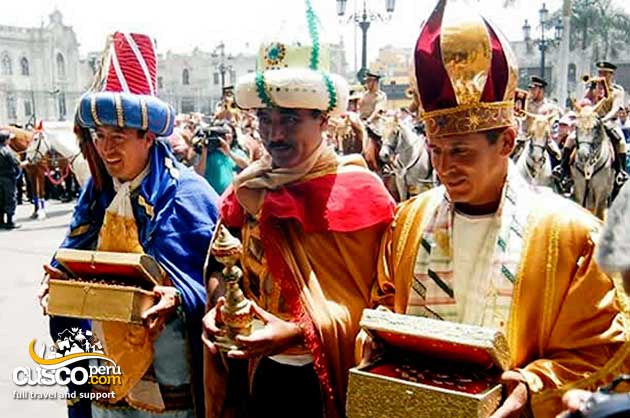
The Catholic celebration known as the "Epiphany of the Lord or Adoration of the wise men" is best known in Peru and its regions as "The descent of Kings", "Easter of Kings" or "The visit of the Kings." This Catholic festival evokes the three wise men Melchior, Gaspar and Baltazar, who traveled from the East to Bethlehem, guided by a star in order to honor and bestow offerings to the future King of the Jews called Jesus.
After Christmas and the celebration of the New Year, these festivities culminate with the traditional "Bajada de Reyes", which is currently staged in several squares, temples and towns of Cusco as part of a custom that still remains in force. In various squares of the districts of Cusco families gather and sell the traditional clothes of the Niño Manuelito, in the middle of nice fairs full of color and hullabaloo that take place days before and until January 6th.
On the other hand the members of the Association of Artists, Artisans and Producers "Niño Doctorcito de La Merced", organize, like every year, to carry out this fair with the aim of marketing the garments of colors and sizes, shoes, clothes, capes, among other things to dress the "Niño Manuelito" as part of the memory of the last days of the Christmas celebrations.
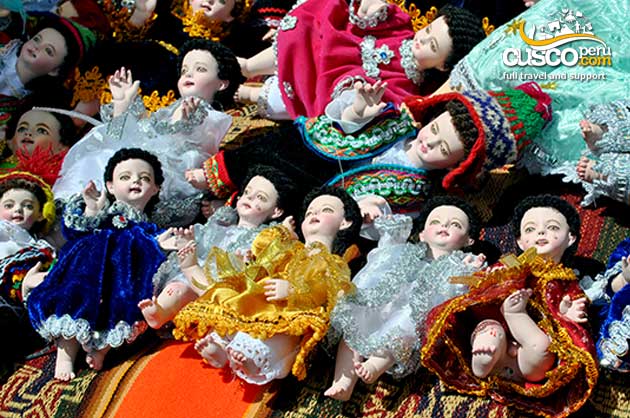
In the same way the artisans from Cusco and its provinces make garments with characteristics typical from their regions, they show all their creativity and imagination to dress the "Niños Manuelitos" with original attires such as the hats that are used in traditional dances, "ojotas" (a kind of sandals) instead of shoes, christmas hats, among other clothing that are handmade crafted. During the Bajada de Reyes many families from Cusco use to take their Niños Manuelitos to the temples to be blessed by the priests after participating in the eucharistic celebration.
On the other hand, we can remember and refer to the celebration of "Bajada de Reyes Magos" in the countryside communities, wich as part of their religious traditions is celebrated in very traditional ways. We mention the San Pedro district from the Canchis province, where a particular "Reyes Magos Race" is held, in wich the youth of the community participate in this event to demonstrate their strength and agility.
One way or another, the people from Cusco celebrate their various religious holidays and customs in a particular way rooted to traditions that express, in this case, a very profound faith, that comes with lots of hubbub, dances, music and color, as well as with the flavors and aromas of the traditional and delicious local cuisine that can be found on the tables of the locals during this significative and religious period of the year.
Cusco transforms at the end of each year into a stage full of history, rituals, and one-of-a-kind celebrations. If you’re wondering where to spend New Year’s in Peru, this article will give you all the info you need to live it fully—on purpose and with heart.
Spending New Year’s in Cusco is a transformative experience that blends tradition, energy, and emotion in a single moment. In this sacred corner of the Andes, saying goodbye to the old year and welcoming the new one becomes a journey between the spiritual and the festive, between the ancestral and the modern.
Dear travelers, in the lines ahead you’ll find helpful details about the most popular celebrations, traditions, and customs for welcoming the new year in Cusco.
In the Andes, the arrival of the new year is marked by ancient rituals that connect the body, spirit, and earth. At sunrise or sunset on December 31st, many people take part in a florecimiento bath—a traditional ceremony to cleanse negative energy and attract blessings. With clear intention, these baths can also be done at home. All you need are rose petals (or any flower petals), aromatic herbs, and fresh water. Your body is cleansed, and with it, your intentions for what’s to come.
Other meaningful traditions include wearing yellow, red, or green underwear—each color attracting luck, love, or prosperity respectively—eating 12 grapes at midnight (one wish per grape), or burning palo santo and copal to cleanse your space and welcome in new energy. These rituals are deeply rooted in Cusco homes, but they’re open to all travelers who wish to join with curiosity and respect.
To energetically cleanse a space, you can do a sahumo (a kind of herbal smoke ritual) using boiled plants of your choice. Popular options include rosemary, chamomile, eucalyptus, or muña (Andean mint). One plant that’s especially revered by locals is rue (ruda). Gently sweeping your home with a bundle of rue—as if using a feather duster—symbolically clears out negativity and invites in good fortune.
Once this energetic cleanse is complete, you can enhance the vibe with spiritual waters. These include Agua Florida (the most popular, made with flowers, citrus, and spices), Rose Water (gentle and harmonizing, great for body baths), or Cinnamon Water (attracts prosperity and sweetness). These waters can be sprinkled in spaces or over the body. Their use is intuitive—just pour a little into your palms, breathe in deeply, and let yourself reconnect or clear your mind.
In December, Cusco’s main plazas and historic center streets turn into rivers of color and energy. From early morning till late at night, public spaces fill with street vendors setting up stalls or simple blankets on the ground, offering just about everything: yellow clothes to attract prosperity in the new year, toys, traditional sweets, shoes, affordable clothing, artisan crafts, silver jewelry, local snacks, and good-luck charms. The smell of burning incense and scented candles mixes with the buzz of last-minute gift-hunting, festive decorations, and shoppers looking for meaningful trinkets.
Beneath this seemingly chaotic atmosphere pulses the spirit of a city that keeps pushing forward, come rain or shine. This holiday hustle is more than commerce—it’s a reflection of a grassroots economy that never gives up. Every smile, every “¡llévelo caserita!” and every bargain made carries the hope of closing the year with dignity and looking ahead with optimism. In the midst of all the festive chaos, you can feel the unstoppable drive of Peru’s most valuable workers: the vendors.
As night falls, the city lights up with music, dancing, and nonstop movement. Cusco’s Plaza de Armas becomes the heart of the celebration. Live bands, traditional dances, and a buzzing mix of tourists and locals create an electric atmosphere. You’ll likely run into groups of dancers performing huaynos, tinkus, or carnavales accompanied by charangos, quenas, and drums. These ancestral sounds fill the night with joyful energy that brings everyone together.
At midnight, fireworks light up the sky, and thousands of people run around the plaza in circles—a beloved tradition said to attract travel and movement in the year ahead. Year after year, both local and international travelers flock to this unforgettable celebration. Couples, groups of friends, and solo travelers alike leave home behind to ring in the new year right here—dragging their suitcase for good luck or holding hands with the love of their life.
Some say just one lap around the plaza is enough. Others believe spending New Year’s Eve here, surrounded by people from all over the world, is everything. In past years, fireworks were used extensively; although now there are regulations, some people still purchase and light them.
Beyond the historic center, Cusco’s traditional neighborhoods also celebrate in their own way. Places like San Blas, San Pedro, or Santiago come alive with neighborhood fairs, live music, homemade fireworks, and shared community dinners. The San Pedro Market is a must-visit if you want to feel the soul of the people—amid fruits, bread, laurel leaves, and Andean herbs, families shop while exchanging warm wishes with total strangers.
Food plays a big role in welcoming the new year. Many homes prepare oven-roasted pork, tamales, panetón with hot chocolate, or crispy pork (chicharrón) for breakfast on January 1st. Out on the streets, you’ll find anticuchos, boiled corn with cheese, or traditional picarones (fried squash donuts drizzled in syrup). Eating during the New Year is also a ritual—each flavor carries a wish, and each toast is filled with shared hope.
Why pork? Because unlike chickens or turkeys that scratch backward, pigs root forward when they eat. It’s seen as a symbol of progress and moving ahead. So, enjoying pork at New Year’s is a way to wish for growth, success, and dreams fulfilled in the year to come.
Whether you're in the mood for a peaceful dinner or a full-on dance party, Cusco has something for every vibe. Restaurants like MAP Café, Cicciolina, or Limo offer special menus with views of the plaza, while boutique hotels host dinner shows with folk dances, toasts, and symbolic rituals.
If you’re looking for more action, clubs like Chango, Fallen Angel, or bars like República del Pisco throw all-night parties mixing Peruvian beats with international hits. This small but vibrant city has something for everyone.
Beyond the festivities, Cusco and the Sacred Valley are favorite destinations for those looking to begin the year with meaning. You’ll find meditation retreats, despacho ceremonies to Pachamama, energy-cleansing baths, and gatherings with Andean masters. Some travelers climb to places like Sacsayhuamán, Pisac, or Moray to greet the first rays of the New Year sun—charging their soul with light.
As the navel of the world, Cusco is home to energy centers and sacred huacas, both in the city and its surroundings. These are places where one can recharge for the days ahead. Traveling with spiritual intention is a powerful way to reconnect with yourself and the natural world.
• Book in advance, especially lodging and dinner reservations—it’s peak season.
• Dress warmly—December nights can be cold, even in the middle of the action.
• Wear something yellow—it’s part of the local tradition for attracting good luck.
• Be cautious with fireworks in public spaces.
• Respect local rituals and traditions—join in with an open mind, attentive heart, and a lot of respect.
• Stay hydrated and take care of your health, especially if it’s your first time at altitude.
• Many central streets close to traffic on New Year’s Eve—plan to walk or arrange transport ahead of time.
A Fresh Start in the Heart of the Andes. New Year’s in the Andes—especially in Cusco—is unforgettable. It’s something you feel with your body, carry in your soul, and treasure forever in your heart. In every street, every gesture, and every glance, a new story is beginning… and a new energy is rising with strength and hope.
New Year’s in Cusco is a deep kind of rebirth. A portal where the old and the new embrace each other, where traditions dance with dreams, and where the traveler stops being a spectator and becomes part of the living heartbeat of everything that’s happening around them.
THE JOY, THE COLORS AND THE FLAVOR OF THE CUSQUEÑOS CARNIVALS
February begins with a beautiful month as the others, with days of rain and plenty of sunshine. It is characterized for many reasons, but primarily for its festivals with lively dances, typical food, colorful costumes and locations as a meeting to celebrate the customs and traditions of the residents of Cusco and visitors.
One of the most representative parties of Cusco festivals are carnivals; the week begins with celebrations for party compadres and comadres, where people celebrate the bonds of friendship. Then, children, youth and adults have to live with joy and great intensity carnival party that becomes the party of all. In Cusco, mainly in the provinces of the Sacred Valley, carnivals are living in different communities; with colorful dances, abundant cotillion (confetti of many colors), white flour and water. As part of the Cusco gastronomy families in housing are busily preparing to develop the "T'impu" or "T'impusca" which becomes a traditional dish tasted like hot lunch.
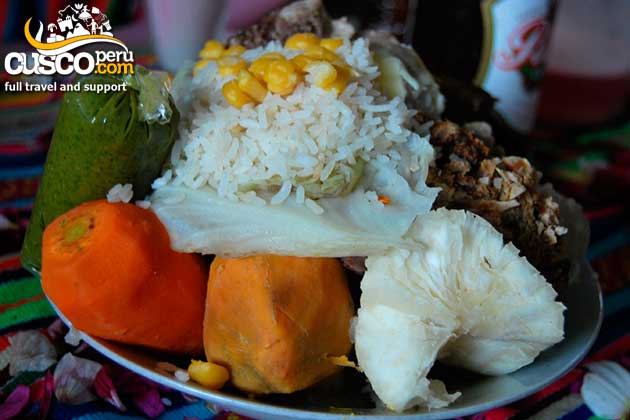
This favorite dish during carnival time; it is prepared in a huge pot, which are steamed, lamb, accompanied by beans, tubers and legumes of the region, the highlands and jungle of Cusco; among which are the potato, cassava, white maize or "choclo" the moraya, sweet potato, virraca, among other traditional ingredients.
This delicious lunch box is served on two plates, one containing a hot soup and pleasant, ideal to consume while the typical rain falls this month; and the other dish containing the solid ingredients steamed. Tradition demands accompany these delicious dishes, with a generous serving of spicy chili or commonly called "uchucuta" flavor.
Prior to the celebration of carnivals in Cusco, which is two weeks before it takes place the day of the compadres and comadres on the most popular neighborhoods in the city. During this traditional festival is commonly seen on the doors of houses and electric lighting poles; They are hanging rag dolls, representing popular characters or to the neighbors, in an intent to satirize.
Meanwhile in the provinces of Cusco, mainly in the Sacred Valley, located on the shores of the Vilcanota River; residents of rural communities dressed in their traditional costumes, with bright colors, to move to the city. We also recall that in the villages of the Andes, Carnival parties constitute a significant date which encourages and suggests formalizing romances among young people, and elsewhere is also favorable for date with veneration to thank "Pachamama "or Mother Earth, for the fruits granted.
Other districts in the Sacred Valley, celebrate carnival celebrations with peculiar dance as "yunza" between single and married; which involves dancing around a tree, which previously has been hanging in its branches, gifts and balloons. While women and men dance around the tree, one by one they cut down the tree trunk with an ax until the tree falls to the floor and the dancers can pick up the gifts. In the towns of Coya, Pisac and Urubamba Valley thereof; this date is preponderant and especially its traditional meaning.
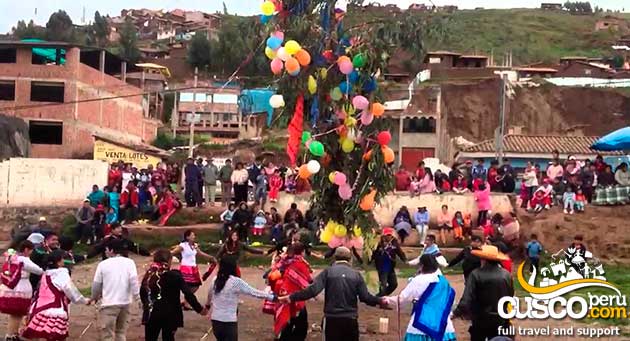
Among joyful passacaglias and food festivals where also the T'impu or "pot" is sold, in squares and streets. February 22 takes place commonly called "Carnival auction or eighth" accompanied by a cheerful gazelle in the Plaza de Armas, a party that brings together the winners of the dances of different communities, who around the music of the huaynos and festive songs, play with water, flour and colored paper streamer inevitable at this date, to express their joy.
This unique and lively form of cultural expression, enclosing identity and strong roots to traditional customs; Cusco celebrates the carnival, a festival of joy, cuisine, dance and music, which gathers every year to its inhabitants and visitors from all over the world.
August is known as the month of winds and kites, an object people use to fly and whose origins date back to ancient China.
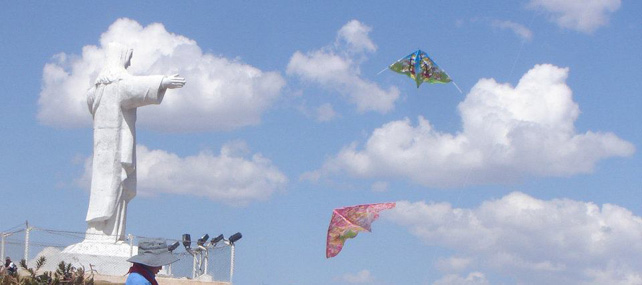
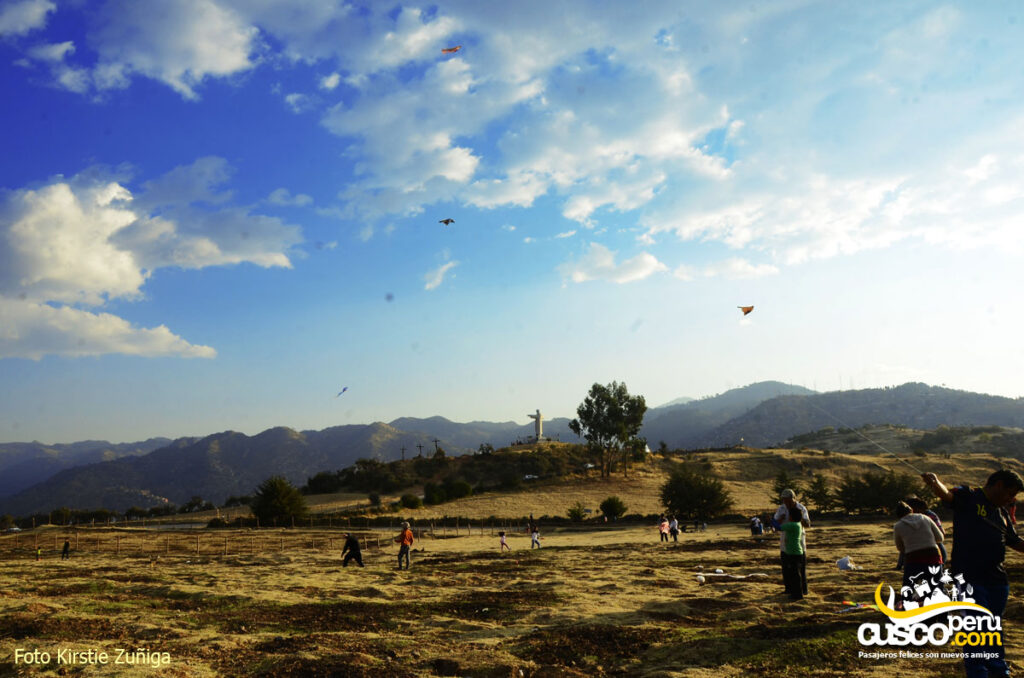
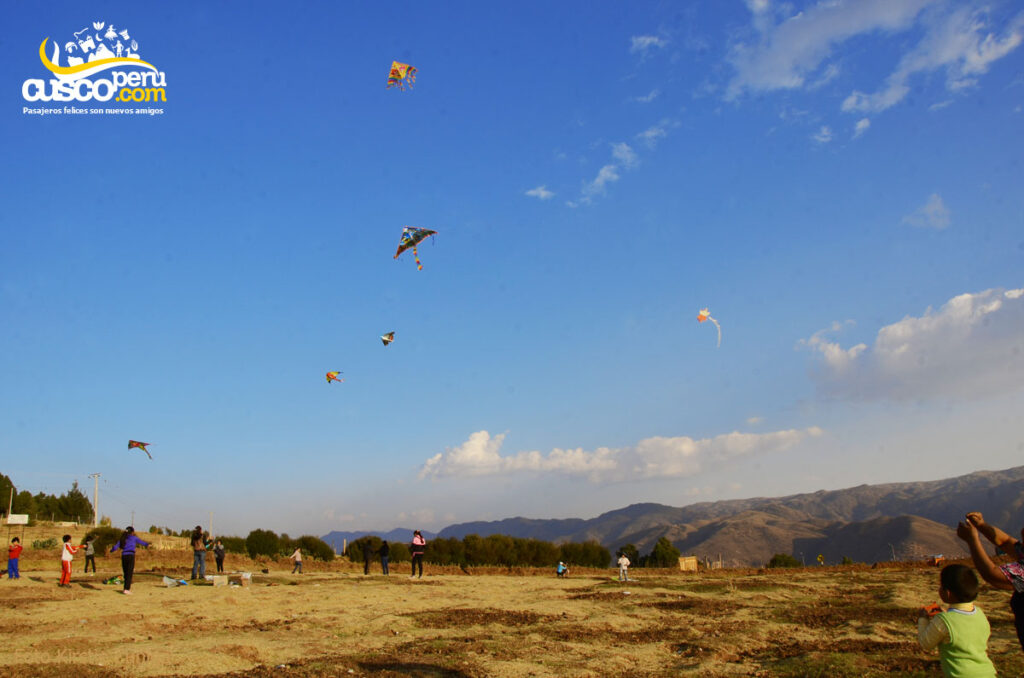
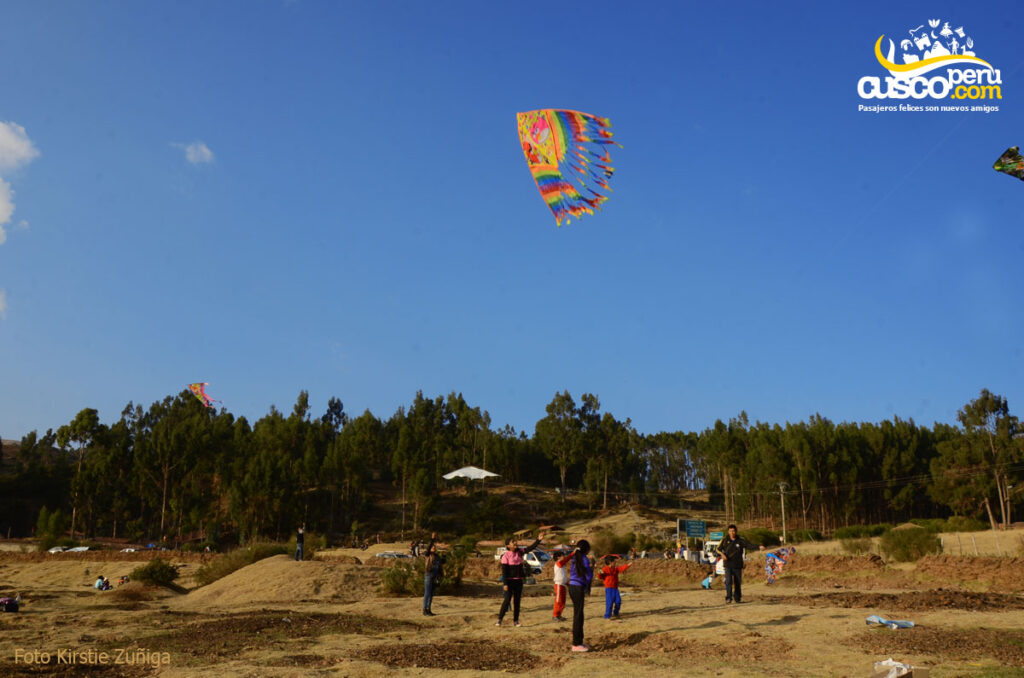
This month is part of the dry season and is characterized by strong winds, sunny days, and cold nights. During this period, entire families gather outdoors to fly kites under clear skies and with less rain. The archaeological park of Sacsayhuamán, located in the city of Cusco, is a place where people of all ages enjoy their free time.
Their origin is in China, where they had an important use during wars, either to communicate with other people or to frighten the enemy. Their name comes from the southern word “serp,” which means “snake.” In the 18th century, their use became widespread in areas such as aerial photography, weather forecasting, sea rescue, and radio transmission.
It is believed that the tradition arrived through cultural exchange processes after Spanish colonization and through the global circulation of popular objects and games.
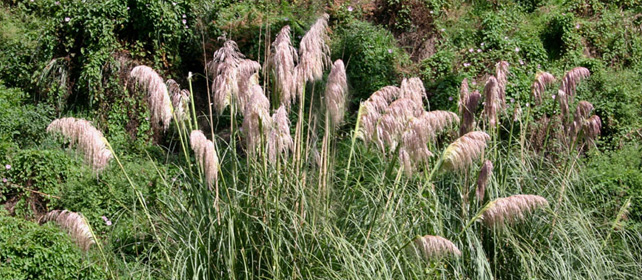
Years ago, kites were made by hand, as it was difficult to find prefabricated kites like the ones that are common today. The most common practice was to look for “nihua,” which at that time was abundant on the outskirts of the city, to create any imagined design.
It is a plant that grows on the banks of rivers and streams throughout the Peruvian highlands. It is characterized by strong yet lightweight stems, making it an ideal material for kite frames. Traditionally, Cusco residents use nihua to form the structure of kites, replacing modern materials such as plastic or metal.
Sacsayhuamán is not the only place to fly kites. There are other places to enjoy a family afternoon, including:
Thanks to its clear skies and sunny days, August allows visitors to enjoy different activities such as exploring the historic center, visiting viewpoints, nearby archaeological sites, and taking excursions to the Sacred Valley or Machu Picchu.
Yes. During this month, Cusco usually has cold mornings and nights; however, in the afternoon, it can feel quite pleasant in the sun. Temperatures vary between 2 °C and 20 °C.
It is usually considered a good month to visit Machu Picchu because it is part of the dry season, which means there is usually less rain, better visibility, and clearer skies.
You can find kites in different places around the city. However, the busiest area is usually Cusco’s city center, including popular markets for travelers such as San Pedro and nearby shops.
Upon arriving in the city of Cusco, located at 3,399 meters above sea level, you may feel the effects of soroche, or altitude sickness. However, altitude sickness is usually manageable. For this reason, the first thing you should do is rest during your first day, give yourself a few days to acclimatize, stay constantly hydrated, eat carbohydrates, and avoid foods high in fat, as well as alcohol and tobacco.
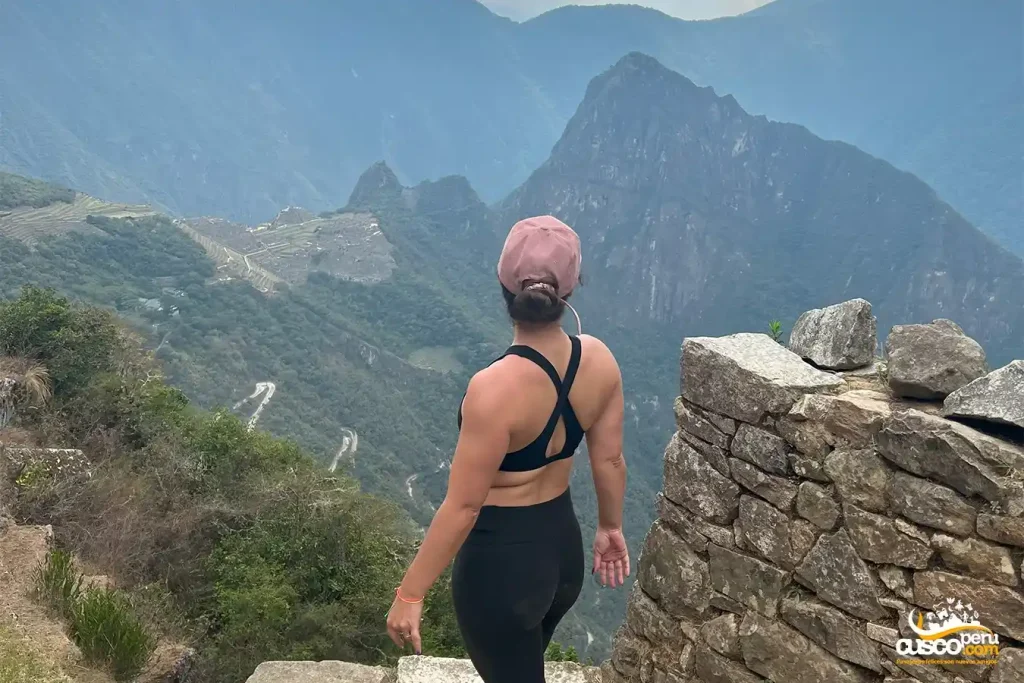
Acute mountain sickness (AMS), also known as soroche, is caused by lower atmospheric pressure at high altitudes. This directly results in less oxygen being available to the body, causing symptoms and warning signs.
One of the organs most affected by the reduced oxygen supply is the brain. Common symptoms of soroche usually include:
More serious symptoms may include:

Cusco is full of winds, August is the perfect month to dust off our kites and fly them. And they aren´t just elements of fun and freedom. Kites were used many years ago, back in 1200 a.J in China as elements of communication and signaling between military bases. But we will not talk about history and use more stories that were lived in Cusco.
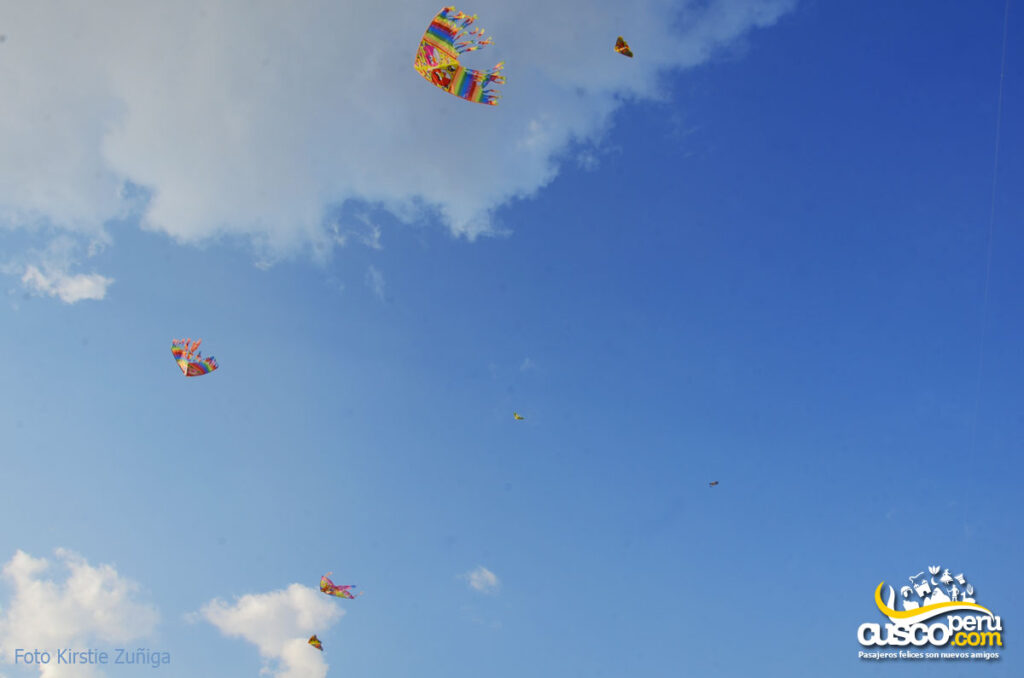
Formerly our elders made their own kites with local materials. Using the NIWA (a plant with strong stem with low weight), then they were on the highest areas of our city. The meeting point used to be the pampas near to Sacsayhuaman, everyone's favorite place. There, the running wind felt it was the perfect place to fly kites with friends and family.
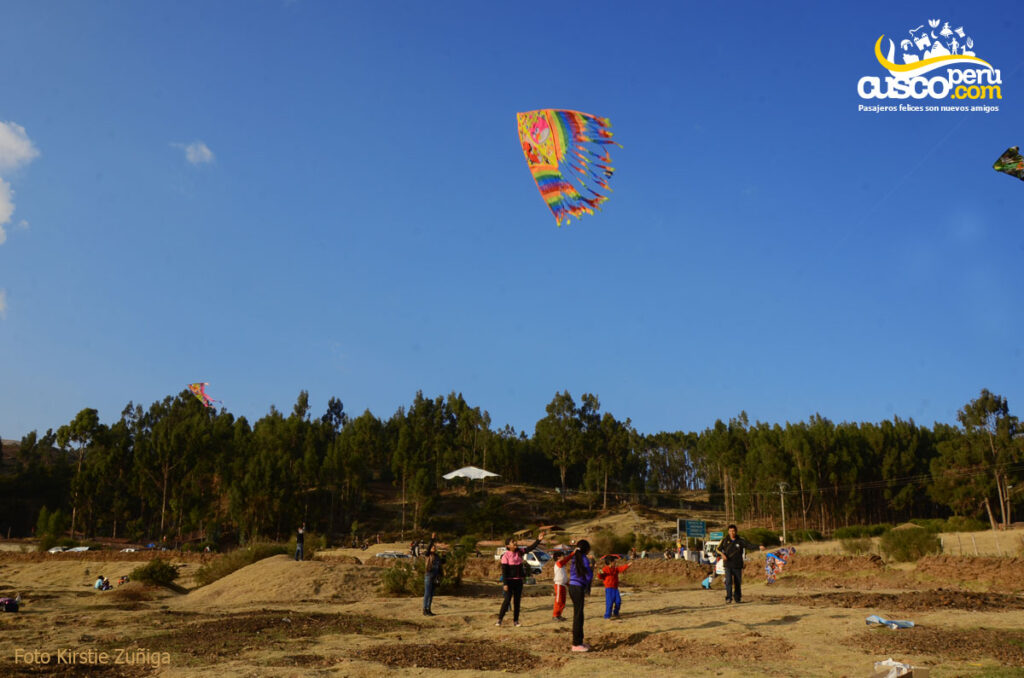
August is the month of kites, dozens of children and their families gathered at Sacsayhuaman are given to start the fun. Plans start at 4 pm. The winds in this area are luxurious, and already by 5 pm all begin to take out their kites.
To make the frame cross kite. Then with the wick all corners of the cross joined ensuring they are well connected and fastened. Finally you put the lining paper kite on the entire framework, which for the momento, will be a rhombus. Using rubber in all parts of paper left over and our kite join this list. If you want you can add a tale to give more life to your kite.

Over time kites were always present in our childhood and youth. But this does not stop there because many adults like kiting with the smallest.
Raise your kite, elevates your soul.

Happy passengers