According to the eighth edition of the Lonely Planet Peru travel guide, Machu Picchu, the floating islands of Lake Titicaca, the Cordillera Blanca, colonial Arequipa and Manu National Park offer the top five experiences for travellers.

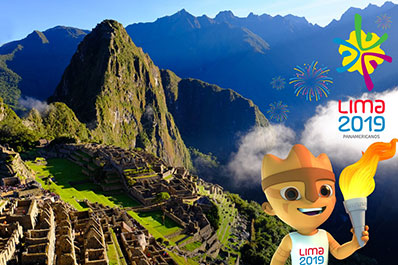
The Peruvian capital Lima will host the Pan American and Parapan American Games Lima 2019 to be held from July 26 to August 11. Approximately 6,700 athletes will participate in this competition in 39 sports and 61 disciplines.
The Pan American Games are held every four years and are the most important competition of the American continent, with the participation of 42 countries such as USA, Canada, Trinidad and Tobago, Peru, Belize, Aruba, among many others.
This is the first time that the Peruvian capital hosts this event, which will be held in 14 districts and different venues such as the National Sports Village or VIDENA, the Sports Complex of the district of Villa Maria del Triunfo, the National Sports Village of the District of Callao, the Sports Complex of the district of Villa el Salvador, among others.
Organization
The body responsible for planning the Pan American Games is the Pan American Sports Organization, known as PASO, which is governed by the statutes of the Olympic Charter. PASO brings together the Olympic Committees of the entire American continent and is responsible for the selection of new venues every four years.
History
The Argentine capital Buenos Aires was the first venue of the Pan American Games in 1951. In that first edition, 18 sports were disputed in 18 different disciplines and 2513 athletes from 21 countries participated.
Unlike other sports competitions worldwide, the Pan American Games allow the participation of nations that do not have official recognition, as happened in 2011 with the Netherlands Antilles, which had been dissolved as a nation the previous year, 2010. The participation of the Netherlands Antilles was made using the PASO flag.
The Para Pan American Games allow the participation of people with mobility impairments and takes place immediately after the Pan American Games.
The first edition of the Para Pan American Games was held in 1999 in Mexico with the participation of 1000 athletes from 18 countries in four disciplines: wheelchair basketball, Para athletics, Para swimming and Para table tennis. This year, approximately 1890 athletes from 33 different countries are expected to participate in 17 sports and 18 disciplines.
While the competitions are being held from July 26 to August 11, most of the athletes, as well as their coaches and sports delegations, are staying at the Pan American Village. This complex serves as a place to stay as it has rooms, health clinics, cafeterias and even places for religious purposes.
This allows for the comfort of the athletes during the competition and allows them to focus on their respective sporting objectives.
Below is a list of all the countries participating in the Lima 2019 Pan American Olympic Games as well as their acronyms or competition codes:
The following are the sports registered in the Olympic calendar:
The country that has historically won the most medals in this American competition is the United States.
The ultimate goal of the Pan American Games as well as the Para Pan American Games is to facilitate the integration of the different countries and cultures present in the American continent through sports.
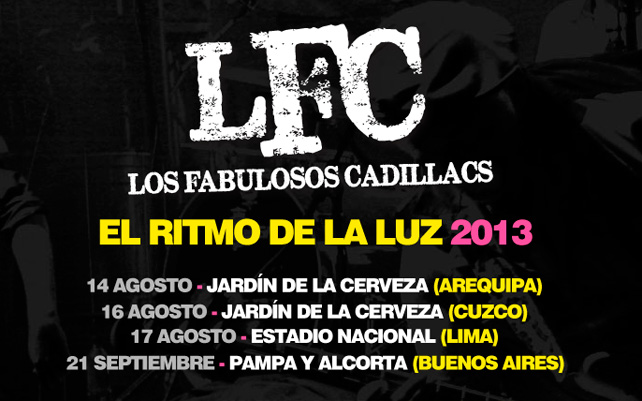
Los Fabulosos Cadillacs return to Peru to perform concerts in Arequipa, Cusco and Lima on August 14, 16 and 17, respectively. The rock band from Buenos Aires returns to Peruvian soil as part of their tour "El ritmo de la luz", with which they celebrate their 30 years of career.
The band will be joined by renowned artists such as: The Wailers (a group that accompanied Bob Marley) and Uruguay's No Te Va Gustar (considered one of the most important bands in their country).
Tickets on sale from Saturday, July 6 at the Boticas Arcángel chain of drugstores.
VIP: S./ 180.00
Preferential: S./ 60.00
general: S./ 30.00
Prices valid until Thursday, August 15.
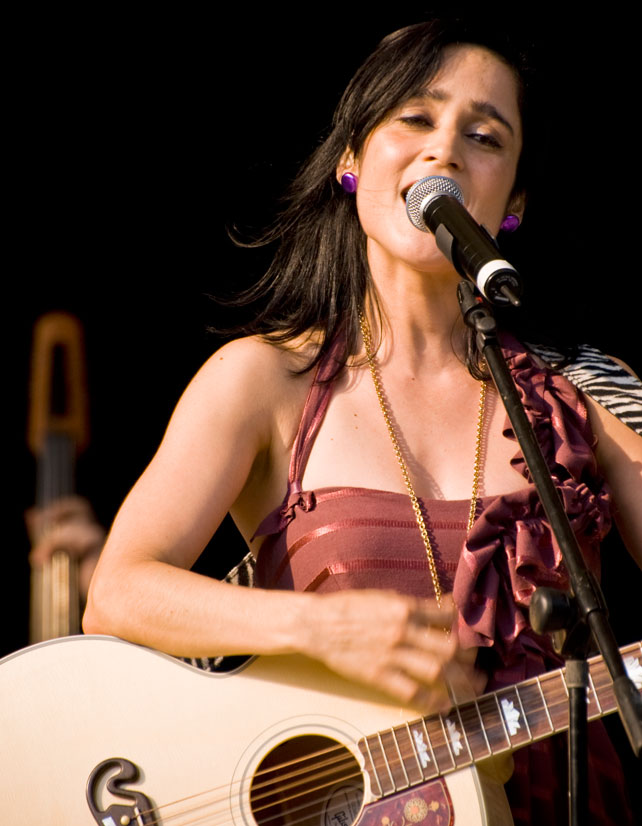
Julieta Venegas performed on July 5th at the Beer Garden, as part of her Peruvian tour that includes cities such as Arequipa and Lima. The renowned Mexican singer-songwriter captivated the hearts of Cusco with her talent and charisma in an emotional concert held in the picturesque setting of "Jardín de la Cerveza" in Cusco. Before an enthusiastic and passionate audience, Venegas offered an evening full of emotions and melodies that resonated in the historic walls of this ancient city.
With her unmistakable musical style that fuses pop, rock and folkloric elements, Julieta Venegas managed to create a unique atmosphere, transporting attendees to a world of deep lyrics and contagious rhythms. The setting framed by the beauty of Cusco and its rich history added a special touch to the experience, creating an intimate encounter between the artist and her audience.
Julieta Venegas' concert in Cusco became a magical night where music and passion merged into a single feeling. The applause resounded in the ancient alleys, celebrating an evening that will remain engraved in the memory of all those present as a unique moment of connection and emotions shared through music.
Gian Marco announced his concert in the city of Cusco for October, 2025. The Peruvian singer-songwriter, along with his band, will perform at Hotel Tambo del Inka.
The concert in Cusco was part of his 2025 Peru Tour, which also includes stops in other cities such as Huancayo, Piura, Chiclayo, Trujillo and Arequipa.
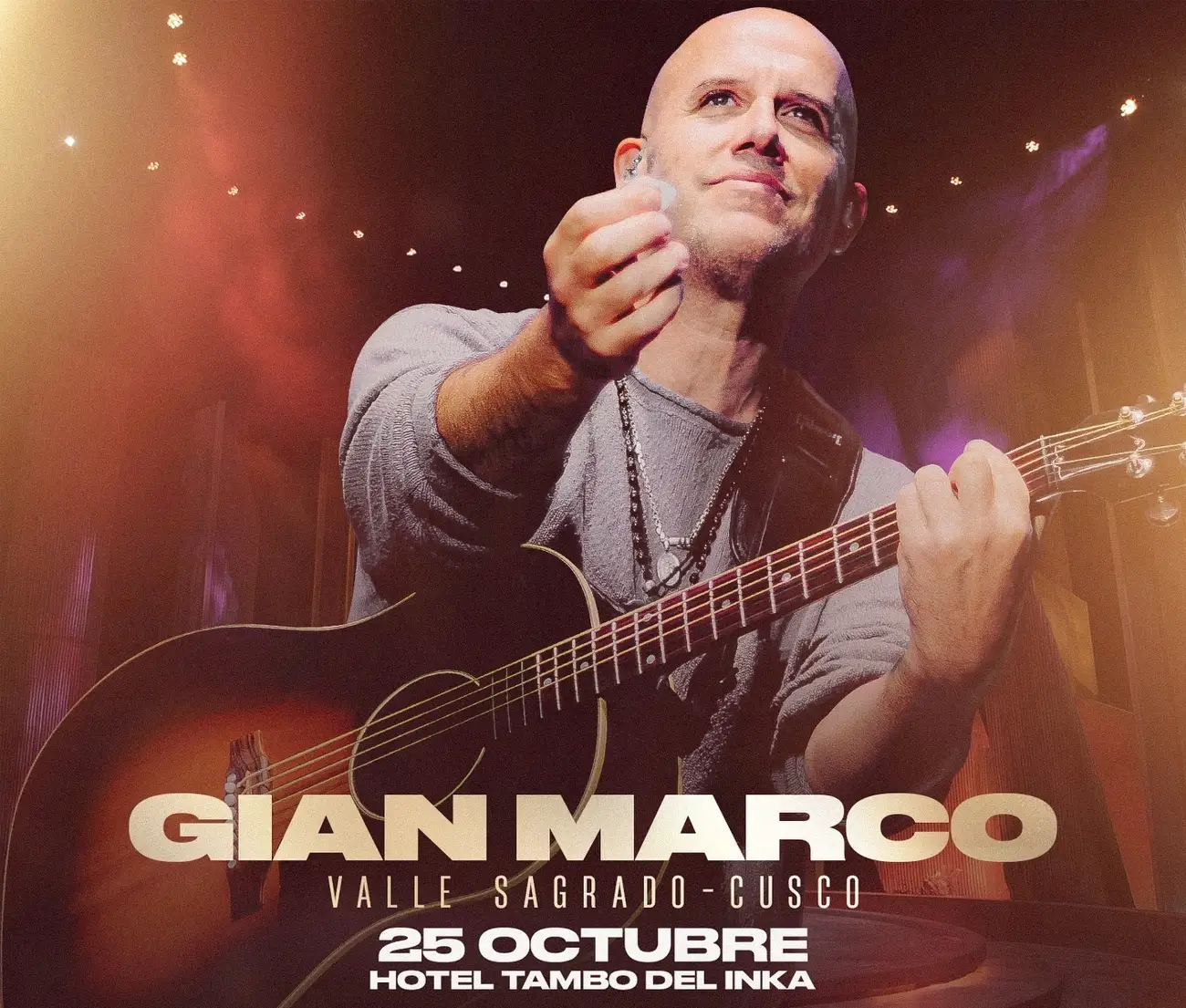
The show was scheduled for october 25 at 20:00 p.m. at the Hotel Tambo del Inka.
Cusco’s gastronomy offers you a variety of flavors that are part of the history and culture of the region.
The exquisite and varied cuisine of Cusco is characterized not only by its flavor and the combination of Andean products from the region, but also by being one of the most representative expressions of southern Andean culture in Peru, and Chiri Uchu is undoubtedly the most outstanding dish of Cusco.
However, for us Cusqueños, gastronomy goes beyond this emblematic dish. There are many other dishes and foods that taste like tradition and family to us, offered by numerous traditional restaurants located in different parts of the city and prepared by Cusqueños.
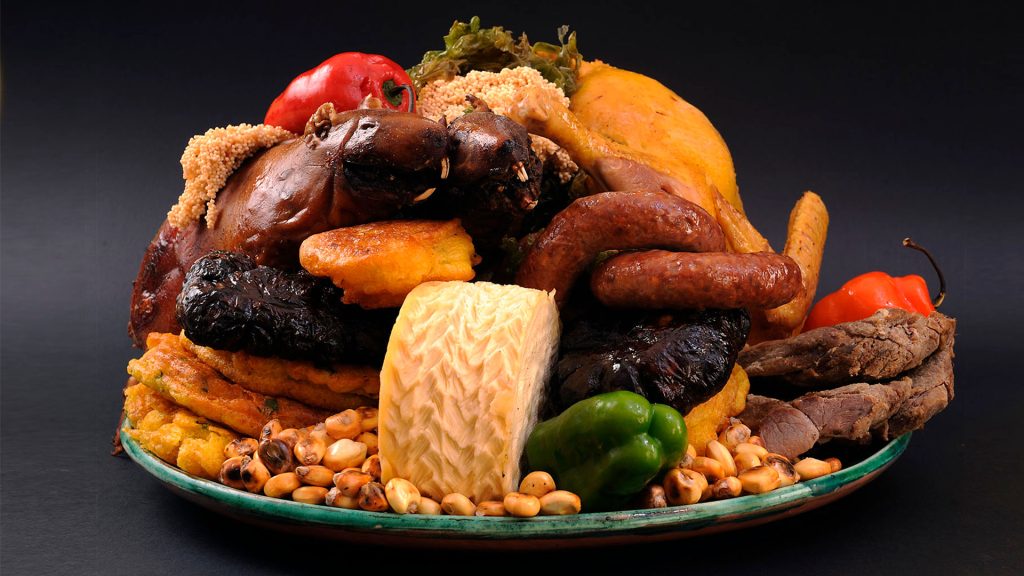
When a visitor asks about Cusco’s traditional food, the answer is always the same: “try Chiri Uchu”; and there is no need to wonder why, since this dish is known for being a delicious combination of flavors.
It is called "Chiri Uchu" in Quechua, which in Spanish means "cold chili pepper." This name is due to the fact that the ingredients of the dish are served cold, which makes it special in Cusco’s gastronomy.
A traditional dish especially enjoyed on important dates, adobo comes from colonial heritage and local tradition, and over time it became a tradition among locals. Cusqueños consider it an energizing meal.
Adobo contains pork marinated in chicha de jora, with rocoto, herbs, and its traditional pan huaro. To achieve the stew, it is cooked slowly until it develops a thick, reddish broth.
This dish is characterized by being spicy, and some locals use it to recover after a celebration, popularly considered a “hangover cure.”
It is a traditional food with roots in the pre-Inca history of the Andes and is currently a representative dish of the imperial city. Roasted guinea pig is made with a guinea pig seasoned with huacatay, salt, garlic, and traditional spices. Then it is baked until it reaches a crispy golden finish.
Guinea pig is served with baked or boiled potatoes and salad, although there are variations in the side dishes. It is a dish served in picanterías, family celebrations, or important events.
It is one of the ancient dishes of Cusco, with pre-Columbian roots, created by Cusqueño farmers who needed a hearty meal for long days working in the fields.
It is characterized by having a thick broth with abundant ingredients, combining lamb or beef, charqui (dried meat), chuño and moraya (dehydrated potatoes made using an ancient Andean method), fresh potatoes, broad beans, peas, carrots, wheat hominy, mint, oregano, parsley, and cumin.
It provides warmth, energy, and immediate fullness, and is considered a remedy for altitude sickness because of its comforting nature.
A traditional dish highly valued by Cusqueños and little known by travelers, although its preparation varies, it consists of fresh turnips slowly cooked together with sangrecita, well-cooked mote, potatoes, and sometimes lamb or mutton.
You can find nabo jaucha in the central San Pedro Market and traditional picanterías; it is very nutritious and is valued for helping fight anemia due to its iron content.
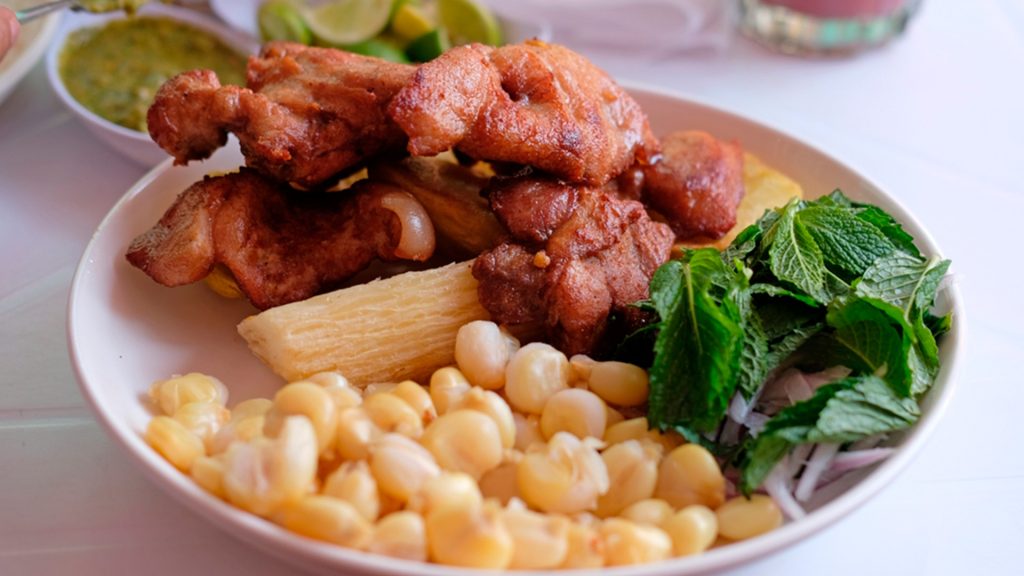
Any day, especially on weekends, about an hour by car from the historic center, you can visit the district of Saylla, known for its many local food restaurants, especially for its famous pork chicharrones.
It is one of the places where families and friends come to enjoy an exquisite lunch. Upon arrival, on both sides of the highway, you can see signs advertising hot chicharrones, ready to be tasted; places to choose from, with large green areas and recreational spaces that make you forget the city routine for a moment.
Saylla chicharrón is known for its irresistible flavor and simple preparation.
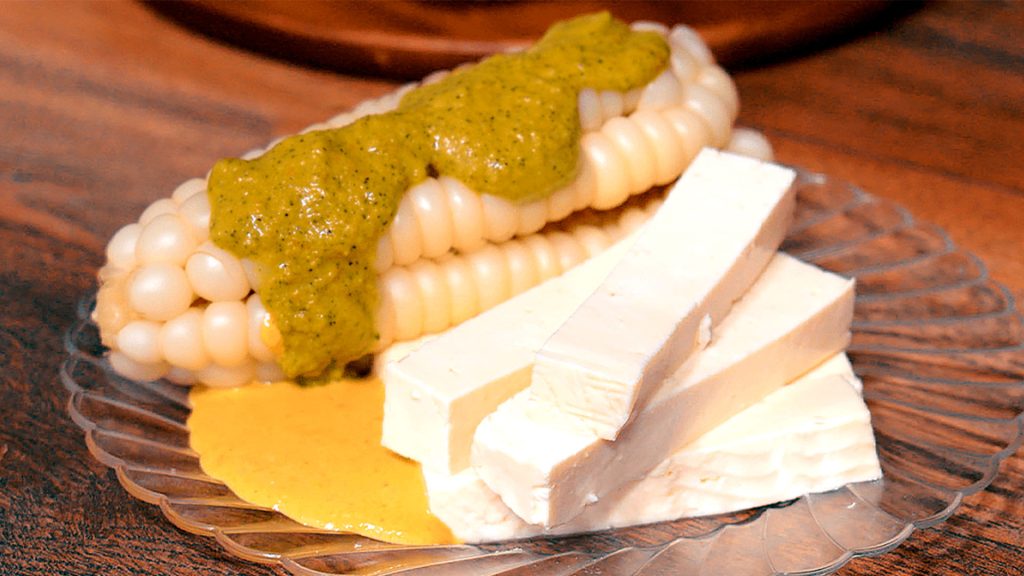
If you visit the Sacred Valley of the Incas, do not forget to try the delicious Cusco-style corn with cheese. An Andean dish that combines tender corn and fresh cheese, it is cooked by the women who work the fields in large pots by the roadside. The corn is served with the well-known “uchucuta,” a spicy sauce made with rocoto, yellow chili pepper, huacatay, peanuts, fresh cheese, and milk.
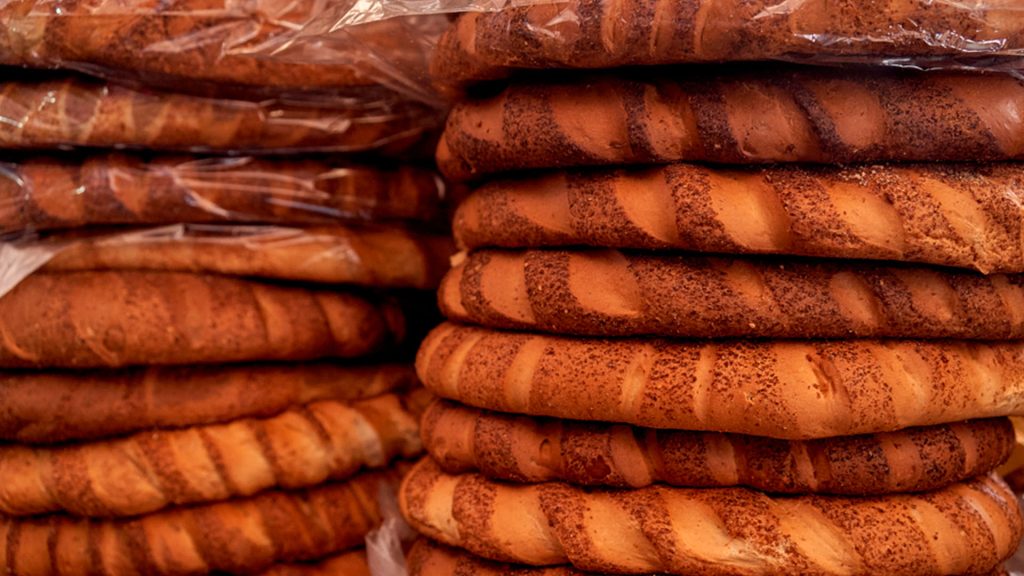
“Pan chuta” is a type of bread from the district of Oropesa, located just a few minutes from Cusco. For Cusqueños who live away from Cusco, one of the things they miss the most and that fills them with nostalgia is Oropesa bread, or ‘Chuta’.
Not every city in the world offers the luxury of enjoying bread made with regional ingredients, a pleasant flavor, and artisan baking. You can find it at San Pedro Market or in Oropesa. This type of bread is a must-try.
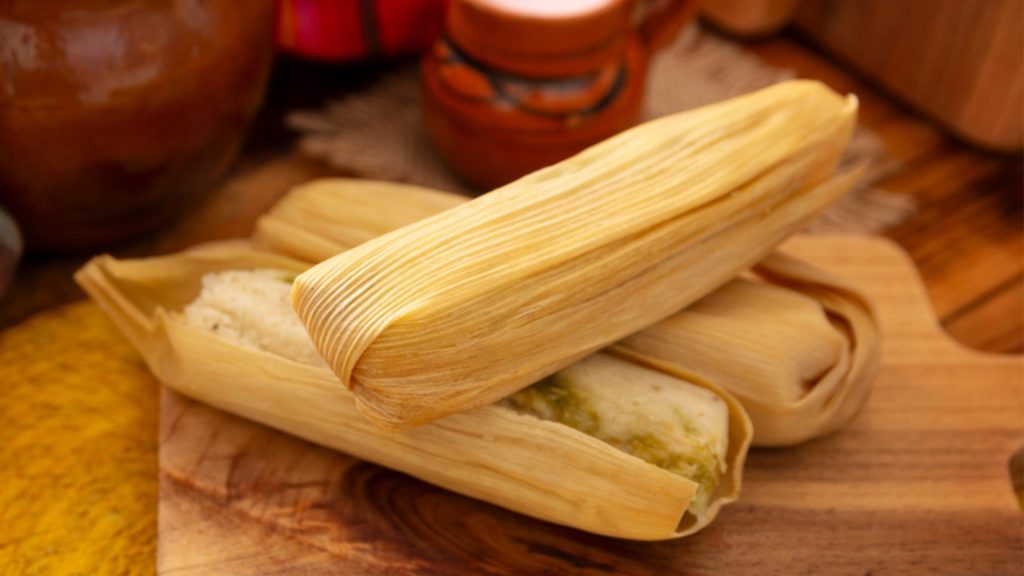
Do not confuse them with Creole tamales; although they are made on the coast, in the highlands, and in the jungle, each preparation is different and uses ingredients specific to the region.
The Cusco tamal can be either sweet or savory, and it is made with fresh white corn from the Sacred Valley of the Incas, along with other traditional ingredients from the region.
An ancient drink with pre-Inca roots that was and still is used as a ceremonial offering to Pachamama. During the Inca Empire, chicha played a role in ceremonial and social events such as Inti Raymi.
Chicha de jora is a fermented drink. Its preparation is artisanal and can take several days. It contains germinated yellow corn that is boiled for several hours; then the liquid is strained and left to ferment for 3 to 4 days. To know if it is properly fermented, the drink should have foam on top when served.
Haba bean punch is a traditional drink prepared during religious folk festivals, such as Cruz Velacuy, an event that pays tribute to all the crosses in the city of Cusco. It is a drink valued for its energizing properties and for the warmth it provides during festivities and cold seasons.
This is the most emblematic market, visited by travelers and locals alike, where you will find aisles full of souvenirs, textiles, handicrafts, traditional food stalls, and fresh juices.
San Blas is known as the artisans’ neighborhood, and its small market is no exception. In the surrounding area, you will find art galleries, artisan workshops, and, of course, stalls selling traditional Cusco dishes.
It is a modest market compared to others, with a relaxed atmosphere where you can enjoy a coffee or a snack while admiring the works of local artists.
This July 28 is the main day of the celebrations for the national holiday in Peru, this due to the declaration of independence made by Don Jose de San Martin in 1821.
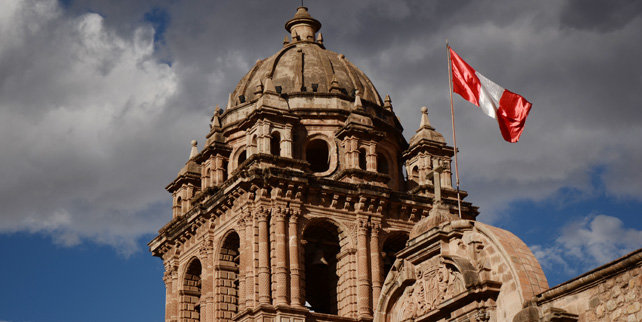
The celebrations are held in all cities of the country, even in remote villages. The most common events are: The feathering of the houses and buildings, civil-military parades in major cities, serenades, concerts and fairs.
The main celebrations begin the evening of 27 with serenades and Creole folk music in various squares and parks. The dawn of the 28 is celebrated Te Deum ceremony at the Cathedral of Lima, where he assists the President, then there is the presidential address at the congress of the republic. On July 29 the act most remarkable is the Great Military Parade.
In Cusco you can see the flag of the houses, buildings and even monuments as center acts also have school parades and parade with dances. Furthermore, Cusco presents for these dates, the large influx of domestic and foreign tourists.
As part of the celebrations this year include the launch of the video called "Blanquirrocola" by the Brand Peru, which you can view Here.
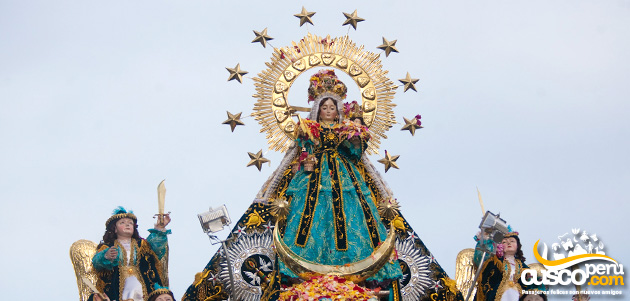
FAITH, RELIGIOSITY, DANCE, MUSIC, COLORS AND THE JOY THAT IS EXPERIENCED IN THE FEAST OF THE VIRGIN OF CANDELARIA
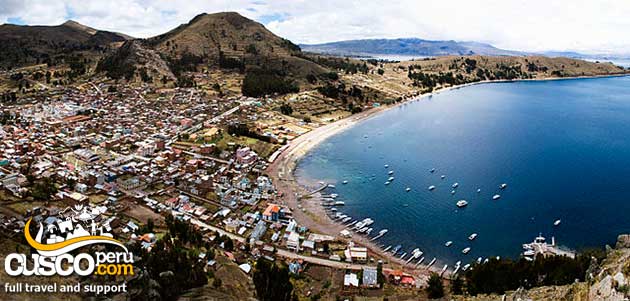
Puno, the folkloric capital of Peru, is located between the foothills of the beautiful Andean mountains and ends abruptly on the shores of Lake Titicaca. Also in this region is celebrated the "Festivity of the Virgen de la Candelaria", which was declared Intangible Cultural Heritage of Humanity by UNESCO on November 27, 2014.
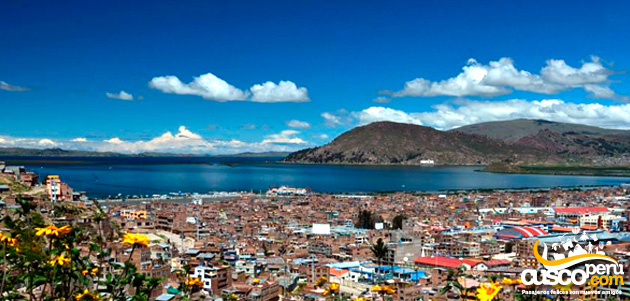
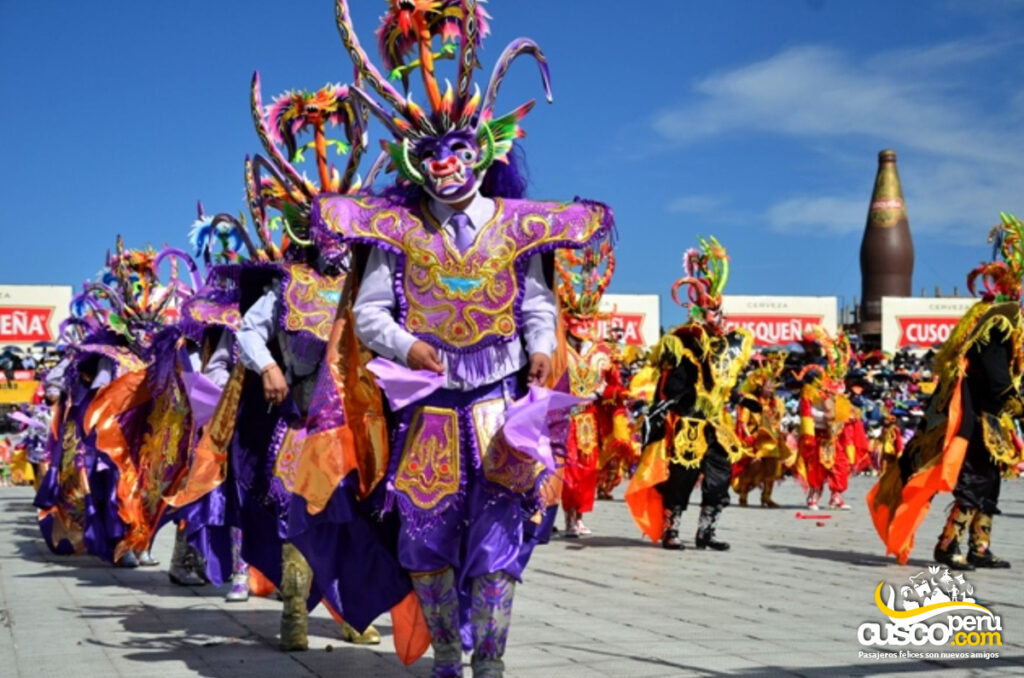
The month of February is expected to receive no less than 90,000 visitors between nationals and foreigners; who live with intensity, joy and devotion the feast of the Mamacha (Mamita) Candelaria. In this popular festival, groups of dancers congregate between men and women of different ages with colorful costumes of lights, accompanied to the rhythm and sound of the rhythmic music bands, which come from different parts of our country and the brother country of Bolivia.
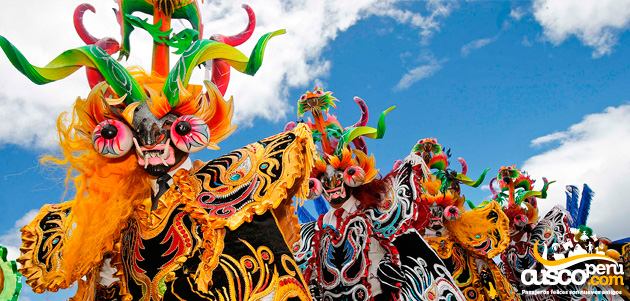
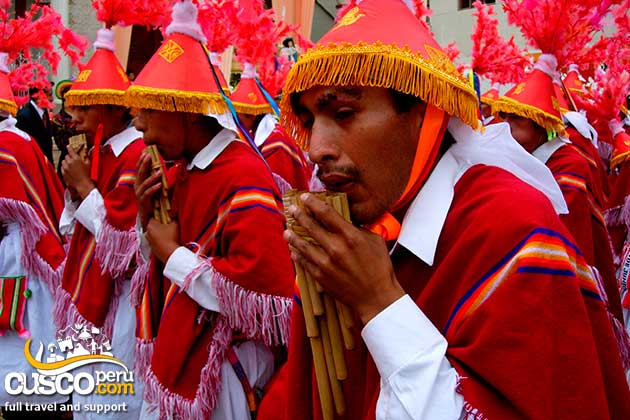
The days following the beginning of the festivities, fairs and parties are held in the most popular neighborhoods, where people drink and dance to the rhythm of the music and dances of Puno, during the day and night. And at night, panpipes and other percussion instruments are playing all over the streets, amidst a fusion of beautiful sounds, typical of the festival.
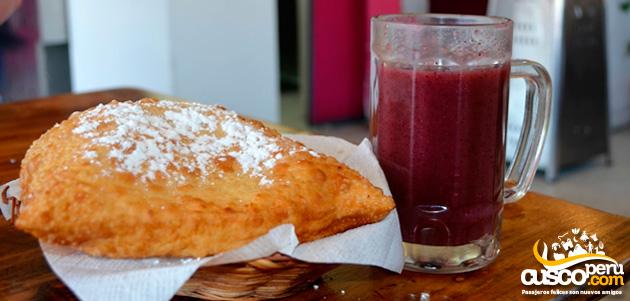
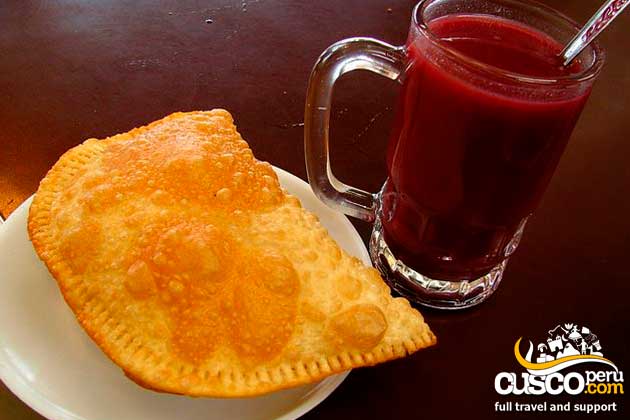
Meanwhile, street vendors are offering various snacks such as anticuchos de corazón, empanadas, punches, emollients and for the cold a traditional Api, which is a drink made mainly of purple corn, water, sugar and cinnamon.

The region of Puno, known as the folkloric capital of Peru, is located in southeastern Peru and is a city that captures travelers’ attention with its beautiful traditional garments and colorful costumes.
In the month of February, as every year, the people of Puno experience with intensity and joy a celebration with religious overtones that inspire and uplift the hearts of thousands of devotees and visitors from all over the world. With great anticipation, numerous dance groups prepare themselves, made up of men and women dressed in colorful costumes of light, parading through the long streets of the city and dancing joyfully to the rhythm and sound of the harmonious marching bands. Each year, the Festival of the Virgen de la Candelaria is expected to welcome no fewer than 85,000 visitors, both domestic and international.
Dozens of groups of dancers gather from seven in the morning at the stadium or sports field called Enrique Torres Belón, in Puno, to take part in this huge and popular celebration through the well-known competition of traditional dances from across the region.
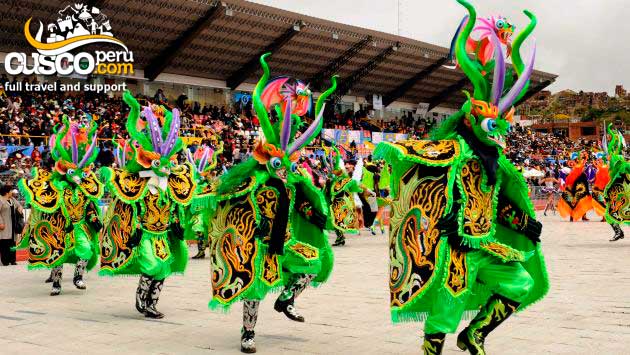
This traditional festival was recognized in November 2014 as an “Intangible Cultural Heritage of Humanity,” a recognition granted by the United Nations Educational, Scientific and Cultural Organization (UNESCO). It is a celebration that Peru honors with pride.
Puno is immensely rich in dances, music, customs, and legends. It is celebrated for its varied and colorful folklore; it is possibly the richest region in Peru in customs, where its highest expression is manifested in the Festival of the Virgen de la Candelaria.
During the first days of February, the streets of Puno fill with devotees, dancers in colorful costumes, tourists, and visitors who pay tribute and homage to the patron saint of the city, the “Virgen de la Candelaria,” also known as “La Mamacha Candelaria.” Puno is filled with faith and lives its “carnivals” intensely, becoming one of the largest religious celebrations in the country from colonial times to the present day.
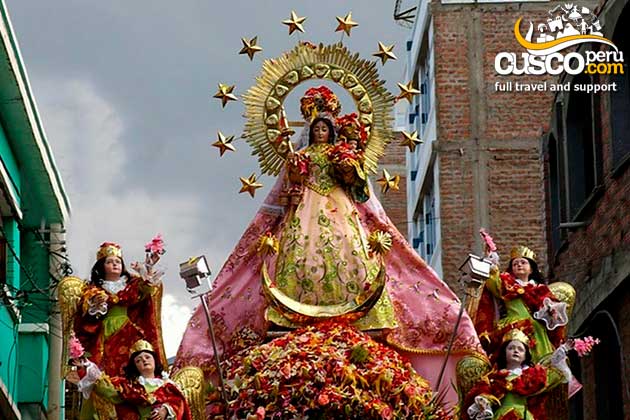
“Mamacha Candelaria” is accompanied by a crowd that prays, gives thanks, and asks for miracles. She is honored with prayers and altars prepared in her honor.
The Festival of Candelaria lasts sixteen days and begins on February 2 with a Eucharistic celebration at the temple in the central square of Manuel Pino Park, along with the gathering of dance groups and musicians, amid people arriving from all over the world to witness this spectacular religious celebration.
Once the Eucharistic celebrations have concluded, the joy of experiencing a religious event that keeps the people spiritually alive and very close to their “Mother” becomes evident with the beginning of the dances, accompanied by the marching bands that begin to parade through the streets of the city, while the image of the Virgin, patron saint of the people, is carried on a litter in procession through the streets of Puno by her faithful devotees. In the days following the beginning of the festivities, fairs and celebrations are held in the most popular neighborhoods, where people drink and dance to the rhythm of Puno’s music and dances during both day and night. The climax of the celebration takes place on February 9 and 10, when hundreds of groups show respect and veneration to the image of the “Virgen de la Candelaria” with their joyful dances throughout the procession.
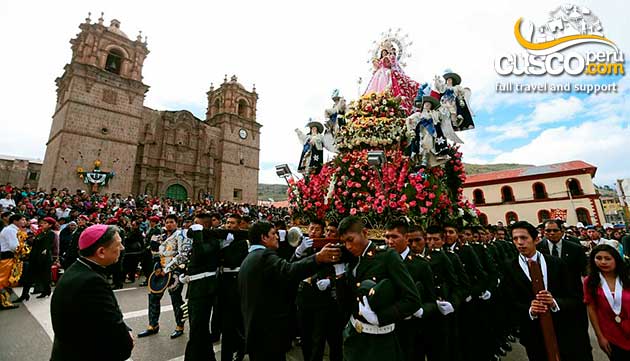
As night falls on February 2, the city streets remain blocked because the Virgen de la Candelaria begins her route alongside the women dancers who wave their colorful garments, while the faithful devotees pay tribute to the “Mother” of the people by throwing flower petals.
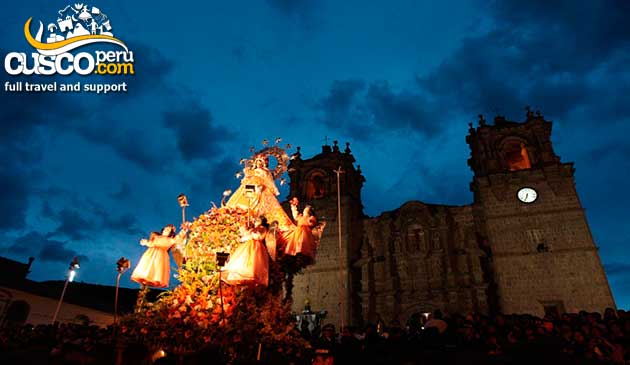
The faces of the faithful are gradually being moistened with holy water that the priest pours over the pilgrims. During the procession, hundreds of white candles are lit, illuminating the streets of Puno, and the beloved Virgin is carried toward the Cathedral of Puno. At times, a gentle rain accompanies the steps of the faithful and the visitors, but it does not prevent the climactic act from continuing on its course.
Meanwhile, street vendors offer the well-known “anticuchos de corazón” and other delicious snacks such as meat and cheese empanadas. On the other hand, it is very common to see street stalls and some establishments selling the traditional purple “Api,” a drink made mainly from purple corn, water, sugar, and cinnamon. However, each seller gives their “Api” a personal touch, with aromas of anise or fruits such as pineapple or orange. “Api” is a hot drink of Bolivian origin that is commonly consumed to combat the harsh cold climate of the highlands. The closeness between Peru and Bolivia has allowed for a strong influence of customs and traditions between the two countries, visible in the expressions that strongly shape their identities through music, dance, and gastronomy. Delicious hot “Api” is commonly accompanied by a large and delightful cheese empanada.
By midnight, panpipes and other percussion instruments are sounding throughout the streets in the midst of a fusion of beautiful sounds typical of the celebration. Groups of dancers leap about while waving handkerchiefs.
“Did you know that the Virgen de la Candelaria wears more than 50 beautiful and striking dresses?” Every year, her outfit is changed, and she is dressed in a new and beautiful one. On the other hand, nearly half of the musical bands are brought from Bolivia. We are pleased to see how this neighboring country, with its music and traditions, also joins this extraordinary celebration in an effort to express its love and faith for Puno’s patron saint and to share its dances and music with its sister country.
There is no shortage of colored lights illuminating the city of Puno, and they are part of an unforgettable experience that fills the place and its visitors with joy.
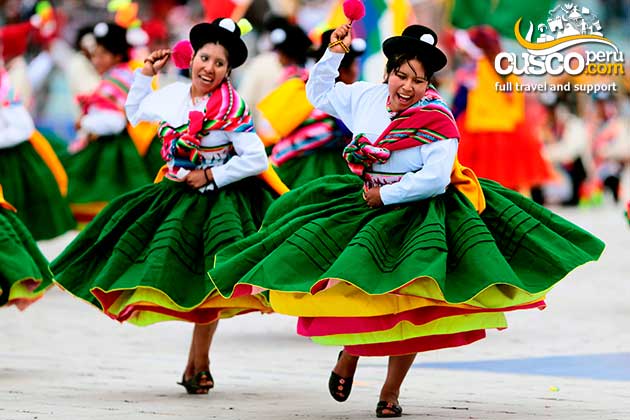
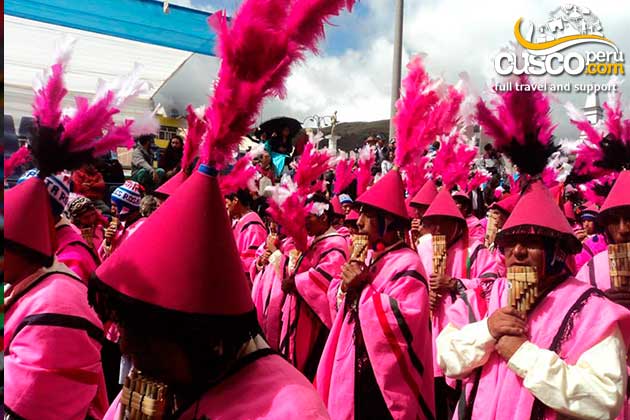
The following day, sometimes the sun shines and at other times the rain appears; the procession continues until part of the day has passed. In the afternoon, before night falls, the dance groups and troupes once again begin to parade through the streets of the city, and people gather along the surrounding areas and sidewalks to watch the dancers pass by, applauding them and shouting with joy. The Aymara women, wearing enormous hats covered with feathers and natural flowers, dressed in a distinctive way with fifteen heavy colorful skirts, perform the “waka waka” dance amid striking choreographies, followed by groups of older men dressed in illuminated costumes and cheerfully carrying wooden rattles in their hands, sounding in time with the bands. At the same time, groups of dancers disguised as gorillas, birds, and women wearing sequined bodices in bright colors and short skirts with very high heels continue dancing. Between one dance and another, the Sikuris appear, represented by groups of approximately 50 to 60 musicians who advance while energetically playing the panpipes to the rhythm of the dances and the sound of bass drums and drums. Mamacha Candelaria continues to be carried on a litter by her faithful devotees in the middle of a celebration that surrounds the population with great joy and the feelings inspired by their Patron Saint.
The dance competition takes place at Enrique Torres Belón Stadium, where it was held on Sunday, January 31 and February 1, 2026, while the competition in traje de luces took place on February 8, and the parade and veneration of dances on February 9 and 10.
In this way, it will be essential for your eyes to see, for your ears to listen, and for your senses to awaken as you plan your trip and pack your bags to visit Puno in the month of February every year. The music, the dances, the colorful and illuminated costumes, the regional gastronomy, and other customs, mixed with the feelings of faith, devotion, and the immense love that the faithful feel for the Virgen de la Candelaria, are experienced through an unforgettable journey in the folkloric capital of the Americas, Puno, a destination you cannot miss or leave out of your travel itinerary through Peru.
The Lord of Huanca is the image of the martyred Christ that causes great fervor and devotion among the Catholics of Cusco and Peru. Every year in the month of September the faithful go to Huanca, a place located about 50 km from the city of Cusco and that according to the devotees, is the place that God chose to live.
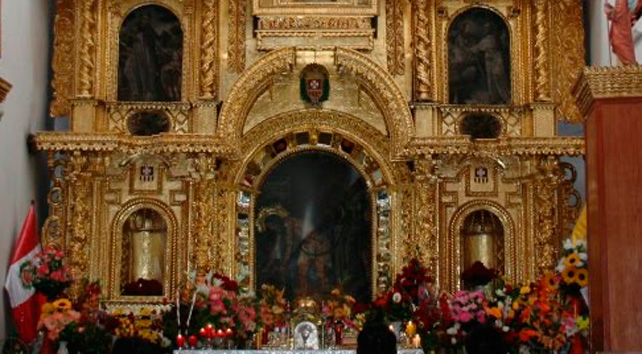
From the city of Cusco, there are two ways to get to the sanctuary of Señor de Huanca. The most common route is by the Cusco - Oropesa - San Salvador highway, the trip takes approximately 50 minutes.
Another way to reach the Señor de Huanca is with a hike that lasts between 4 and 5 hours, for which you will have to start from the district of San Jerónimo in the city of Cusco.

Happy passengers