The official currency of Peru is the Sol (S/.) divided into 100 cents. It circulates in coins of 10, 20 and 50 cents, 1, 2 and 5 Soles and in bills of 10, 20, 50, 100 and 200 Soles (Beware of counterfeit coins and bills).
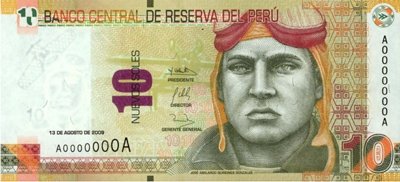
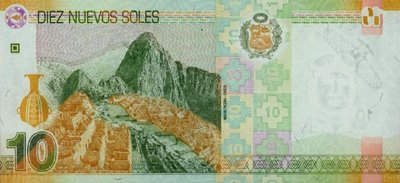

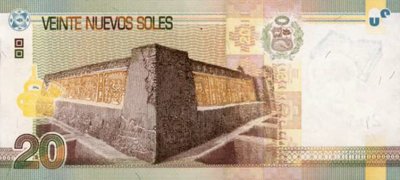
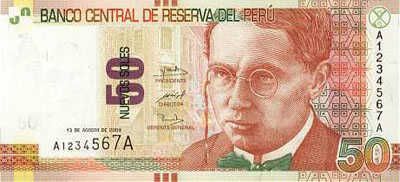
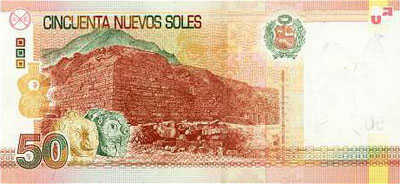
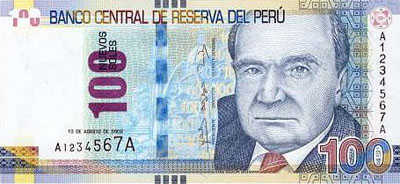
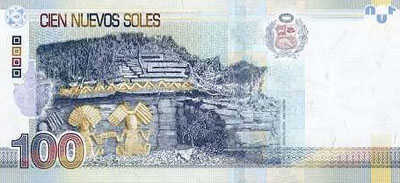
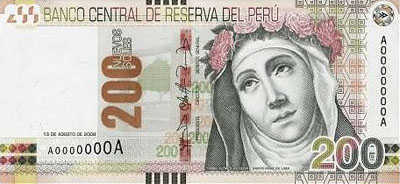
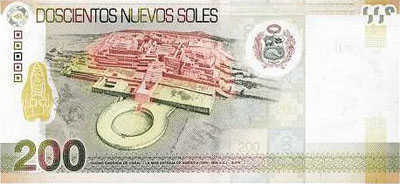
The dollar is accepted by most people and commercial establishments in Peru. There are 4 ways to exchange dollars: In hotels, in banks, in exchange houses and with independent money changers on the street.
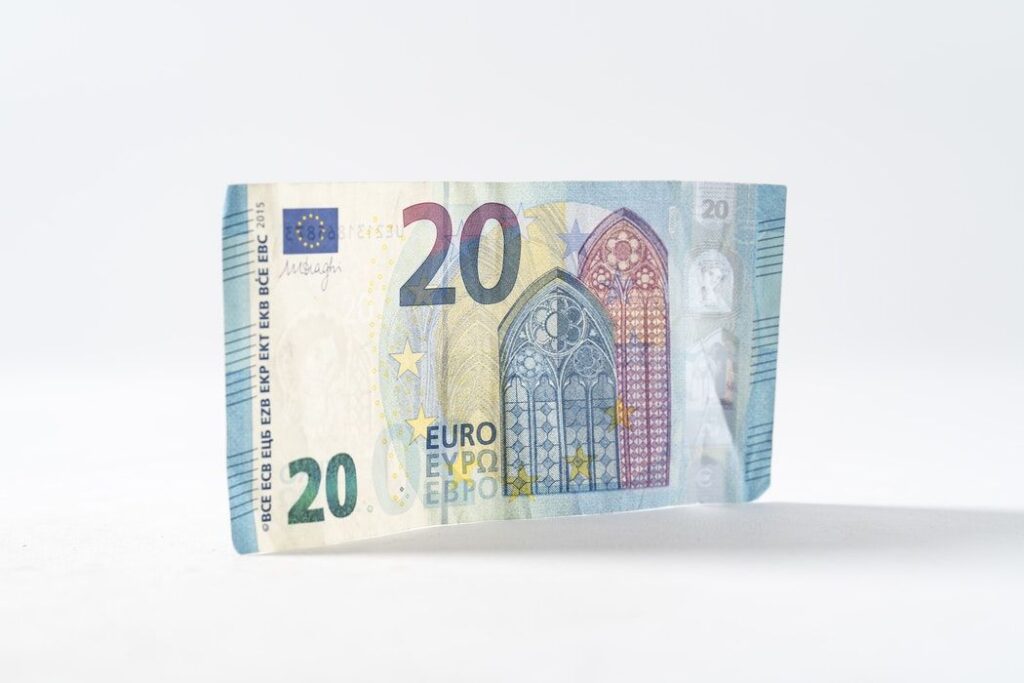
It is advisable to change in legal exchange houses, as they are safer than the independent money changers in the streets and pay more than hotels and banks. The exchange houses work basically with US dollars and Euros, if you wish to change another type of currency, please consult with your travel agency.
The Saywite archaeological site is located in the district of Curahuasi, province of Abancay, department of Apurimac.
Saywite is geographically very close to two important citadels: Machu Picchu and Choquequirao.
For the Inca culture, Saywite may have been a ceremonial center where water was worshipped, but it must also have been a "training" center where Inca hydraulicians learned the different engineering options for coastal and highland conditions.
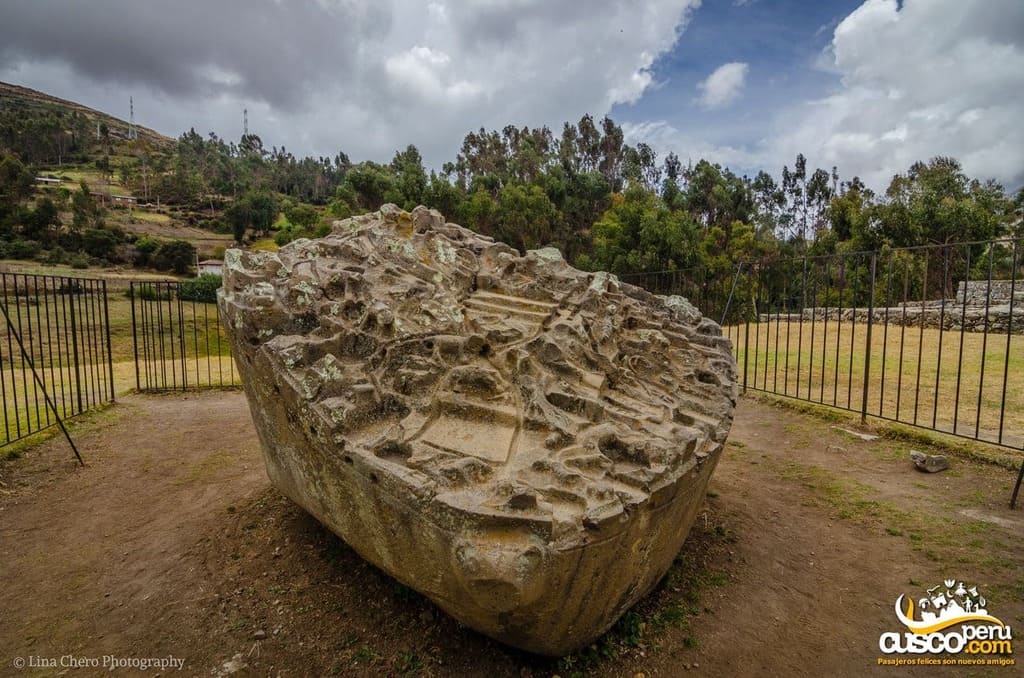
For some scholars, it is an original representation of the cosmic vision of the Inca culture, which has left sculpted and perennialized some of its most notable religious conceptions on the problems of water and land fertilization.
It is a model of the cosmic world of the Incas, associated with water, the fertility of the land and the forces involved in its existence.
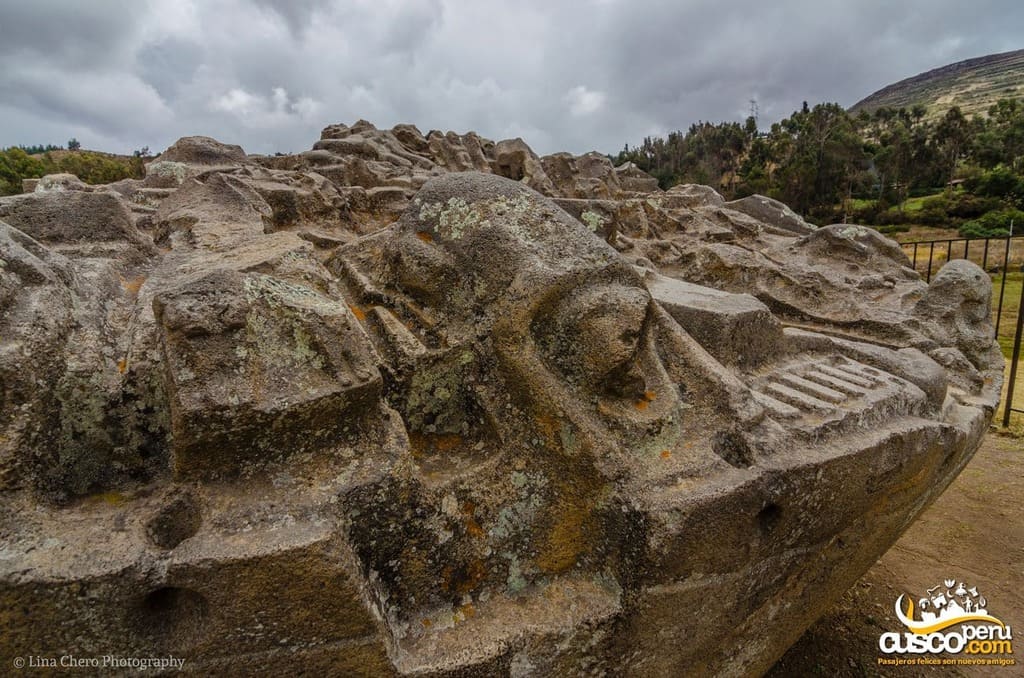
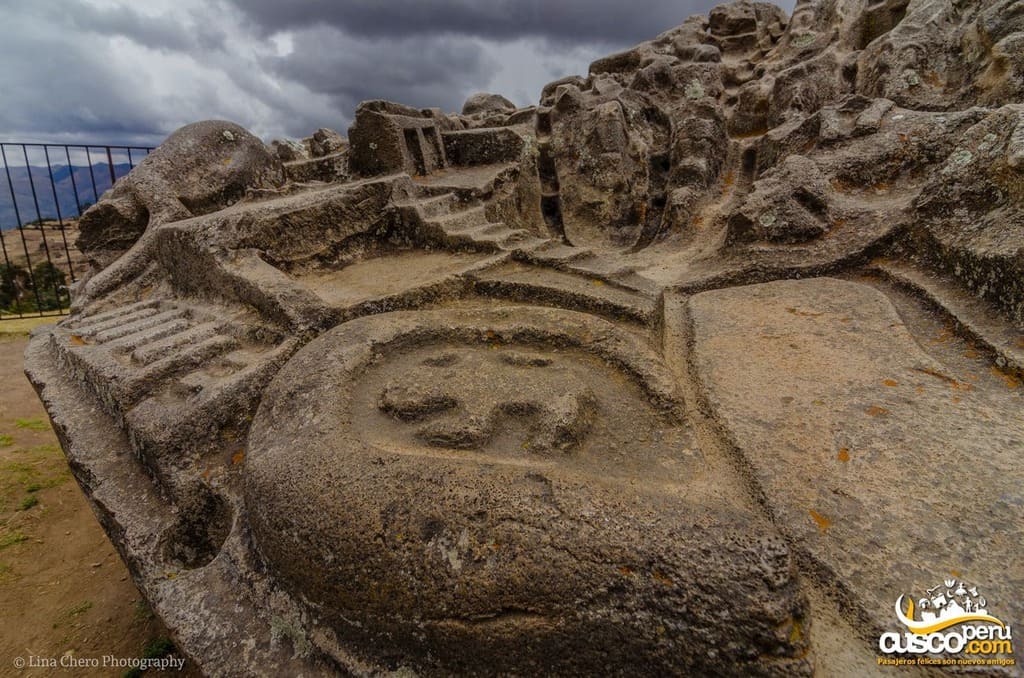
The Andean world conceived life as a whole, nothing was isolated and the use they made of their resources was based on respect for their divinities, the stars: the Sun and the Moon (Inti and Quilla) and the natural resources: soil and water (mamapacha and yacumama) and even inanimate beings were venerated as a sign of respect for the Andes: the hills (apus). They had an integrated vision of how to manage resources and a sample is the Saywite monolith, where they represented the main hydraulic structures that we find as vestiges of their great knowledge of the basins associated to the divinity and their vision of the world.
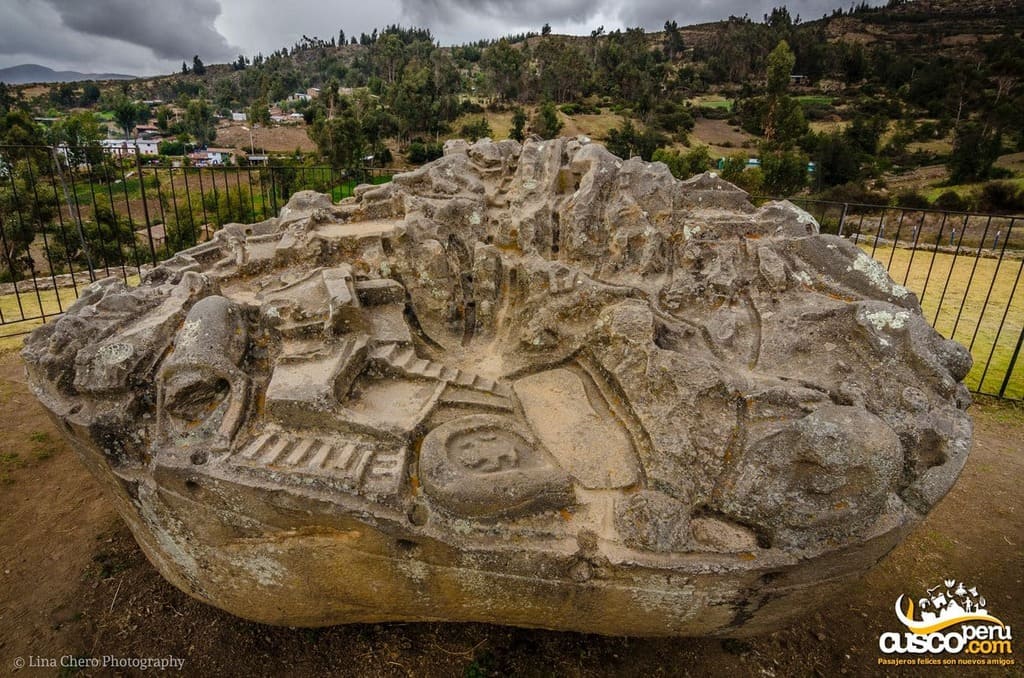
The Saywite monolith is "a symbolic source", represented in a lithic block in which there are more than 208 figures carved in high relief between animals and structures, adapting to the natural sinuosities of the rock itself.
One more example of the Inca genius, which makes us think that these places, like Moray, were training centers and training in the use of technology for a privileged caste that made possible the execution of the great hydraulic works that they have left us as a sign of their wisdom that science today has not yet surpassed.
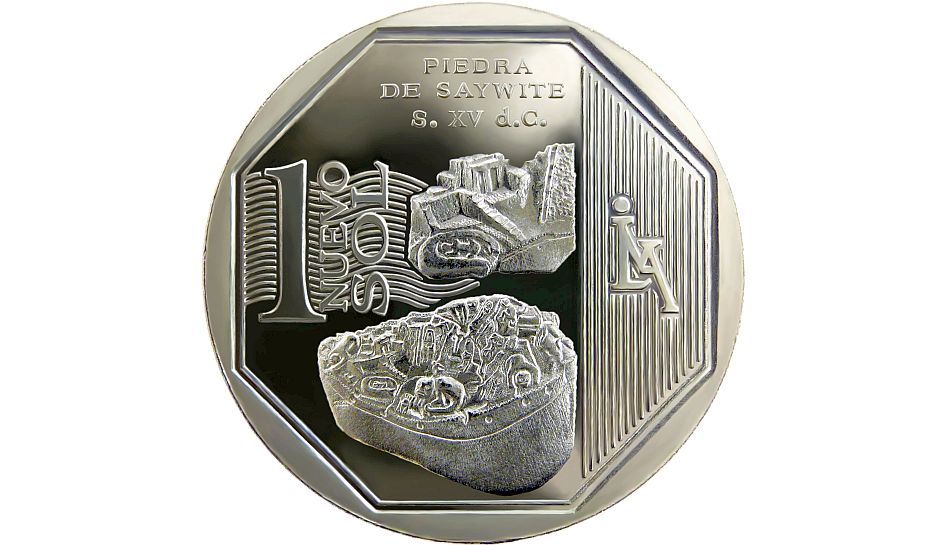
The Saywite monolith is represented on the 2016 collector's coins produced by the Central Reserve Bank of Peru.
The Peruvian financial system is composed of 64 financial institutions: 15 banks, 10 finance companies, 13 Cajas Municipales de Ahorro y Crédito. Of which Continental, Interbank, Banco de Crédito and Scotiabank appear in the list of the 25 best banks in Latin America. These banks also have the widest national coverage and work with the best known cards worldwide, such as Visa, Master Card, Diners Club and American Express.
Most restaurants, hotels and establishments accept credit cards. The use of traveler's checks is limited since only certain banks and hotels can charge them, check with the establishments to find out if they are accepted.

Happy passengers