
Traveling to Peru and not doing the 4-day Inca Trail hike means missing out on an incredible experience Machu Picchu has to offer. This route is perfect for connecting with nature and the rich history it holds. The fact that at the end of the hike you will have a magnificent view of the wonder of the world, Machu Picchu, simply adds to its value. Join me in this amazing story that invites you to embark on this extraordinary adventure and enjoy unforgettable experiences in Cusco.

The 4-Day Inca Trail Hike
The Inca Trail is one of the best hikes in the world, giving you the chance to explore a route created by the Incas over five centuries ago. It is an experience that transforms the lives of those who undertake it.
The Inca Trail to Machu Picchu begins at kilometer 82 of the railway that runs between Ollantaytambo and Aguas Calientes. During the trek, you will pass through ruins and Inca archaeological remains that are over 500 years old.
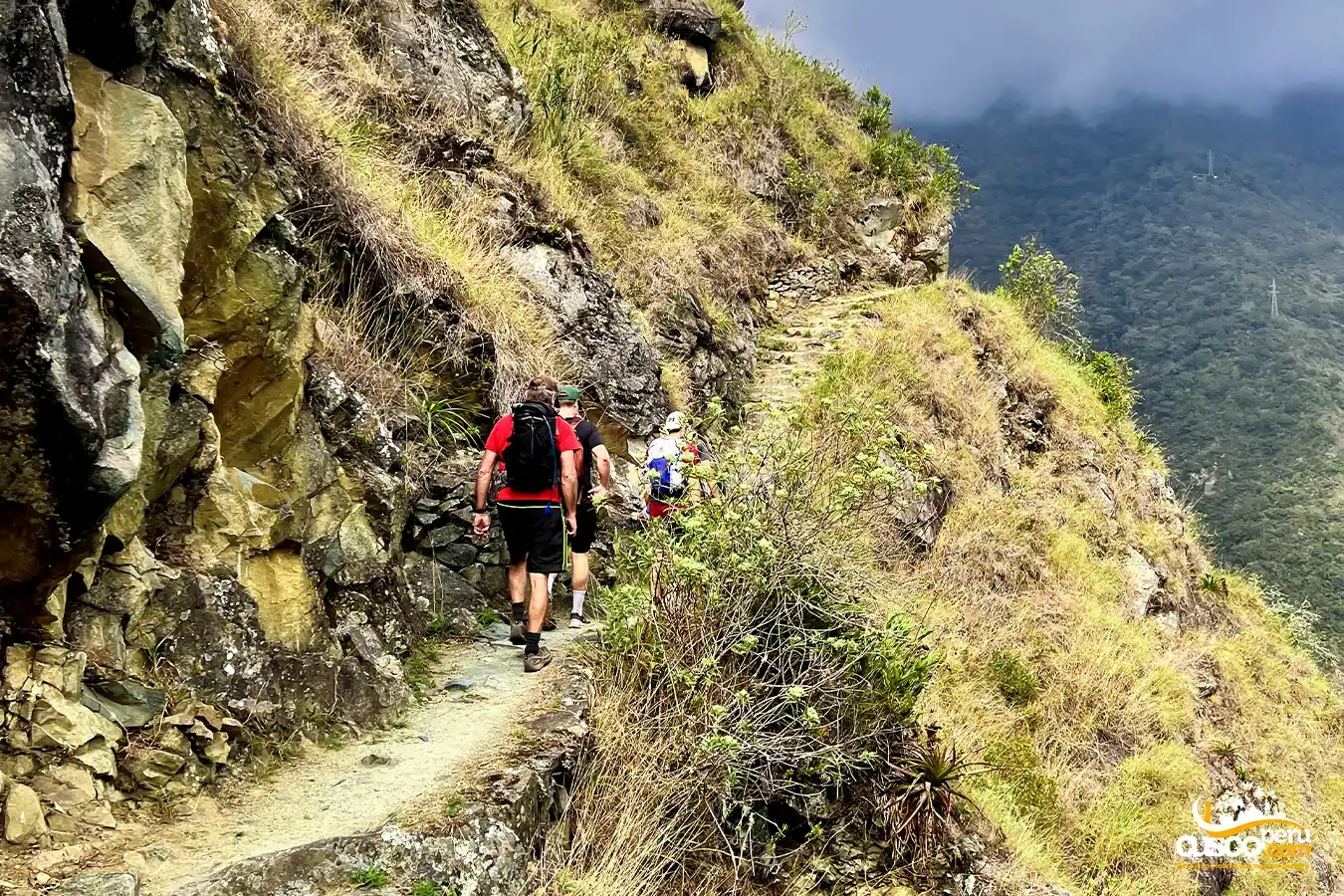
You will make your way through the high Andes mountains, walk across cold plains over 3,000 meters above sea level, and finally enter the warm subtropical jungle, arriving at the Inca citadel of Machu Picchu through the Sun Gate.
One of the most remarkable features of Inca architecture is its incredible connection with the surrounding environment. It is remarkable how Inca engineers built their observatories, towers, dwellings, roads, stairs, bridges, and other structures, respecting the slopes, shapes, and natural contours of the hills and rivers, creating masterpieces that have remained almost intact to this day.
Access to the Inca Trail must be with a certified guide and organized through a licensed agency, usually in groups of more than four people.
A day before the hike, the CuscoPeru.com staff will contact you to finalize details and make sure you are ready for the adventure.
Early in the morning, we will pick you up from your hotel with the guide to start the journey. We will have a 1 hour and 30 minutes trip to Ollantaytambo, where we will have breakfast and you will have time to make any last-minute purchases.
We will head to Piscacucho, also known as KM 82, where the hike begins. At the first checkpoint, we will present the permits and passports of each traveler to verify that everything is correct.
We will start by crossing the Vilcanota River and walking for approximately 2 hours until we reach the village of Miskay, a village that still maintains Inca traditions. We will rest before visiting Patallacta, the largest archaeological site in the area. We will continue walking for approximately 4 hours to Huayllabamba, surrounded by Andean landscapes and accompanied by the view of the "La Veronica" snow-capped mountain.
We will arrive at the first camp in Huayllabamba around 5:00 pm, where the campsites will be ready for us to settle in. We will have a brief rest before dinner. Afterward, we will prepare to sleep. At this camp, the temperature can drop to -5°C.
This first day is a good warm-up for the following days, as it is the easiest hike of the entire journey.
Early in the morning, we will witness an incredible sunrise and start the day with a good breakfast to give us energy for the climb ahead.
We will begin the ascent to the Warmiwañusca Pass, also known as the “Dead Woman’s Pass.” This is the highest point on the Inca Trail and where travelers often experience altitude sickness. Our travel team is prepared for such situations, carrying medication, oxygen, and all the necessary equipment for such situations.
After a rest at the top, we will descend to Pacaymayo, located at 3,600 meters. During the descent, we will be surrounded by a great diversity of flora and fauna. In Pacaymayo, we will enjoy a delicious lunch to recharge our energy for the afternoon.
The camp in Pacaymayo will be ready to welcome us and offer us a well-deserved rest. It is important to be prepared for cold nights, as temperatures here often drop to around 4°C.
After a good breakfast at 6:00 a.m., recharge your strength for a day of challenging hikes and historical discoveries, starting with a climb to Runkuraqay, located at 3,750 meters. This one-hour climb will be the first challenge of the day. We will continue ascending for another hour to the Runkurakay pass, the second highest point on the Inca Trail, at 3,950 meters, offering panoramic views of the surrounding mountains and valleys.
We will descend for 45 minutes to Sayaqmarca, at 3,650 meters, where we will explore its architecture and enjoy the views. Then, we will walk for 25 minutes to Chakiccocha for a delicious lunch. Replenished, we will embark on the last hike of the day: a one-hour climb to Phuyupatamarca, another impressive Inca site at 3,600 meters.
We will then descend for two hours on a gentle trail to Wiñay Huayna, our final camp at 2,680 meters. Relax and enjoy the surroundings, knowing you have completed the incredible Inca Trail. At 6:30 p.m., we will have a farewell buffet, and if you feel energetic, you can visit the captivating archaeological site of Wiñay Huayna, just 5 minutes from the camp.
Our final destination the next day is Machu Picchu, the highlight of this incredible journey on the Inca Trail and one of the most fulfilling experiences it has to offer.
On our last day, we will start early with breakfast at 6:00 a.m. and head to Inti Punku, the Sun Gate, to enjoy the breathtaking views of Machu Picchu and the surrounding Andes. This entry point of the Inca Trail offers an excellent opportunity for panoramic photos.
From the Sun Gate, we will descend to Machu Picchu for a 2-hour guided tour of the historic sanctuary. Our guide will take us through the temples, ruins, and hidden spots, revealing the stories and significance of each place.
After the guided tour, we will have free time to explore Machu Picchu at our own pace. Those seeking more adventure can climb Huayna Picchu or Machu Picchu Mountain (tickets not included) or enjoy Aguas Calientes, exploring the town, visiting the local museum, or relaxing in the hot springs.
Finally, we will descend to Aguas Calientes by bus and take the train back to Ollantaytambo, followed by a bus trip to Cusco. The day ends with the satisfaction of having explored one of the world’s most impressive wonders and with memories that will last a lifetime
When entering Peru, make sure your passport is valid for at least six months from your date of arrival. If your passport expires during your stay in Peru, you must check the procedure and corresponding cost with your country’s embassy or consulate.
Peruvian regulations include entities that oversee tourism activity. One of them is the National Superintendence of Migration, the entity responsible for immigration control throughout the country. For this reason, here are some documents you should keep in mind before entering Peru.
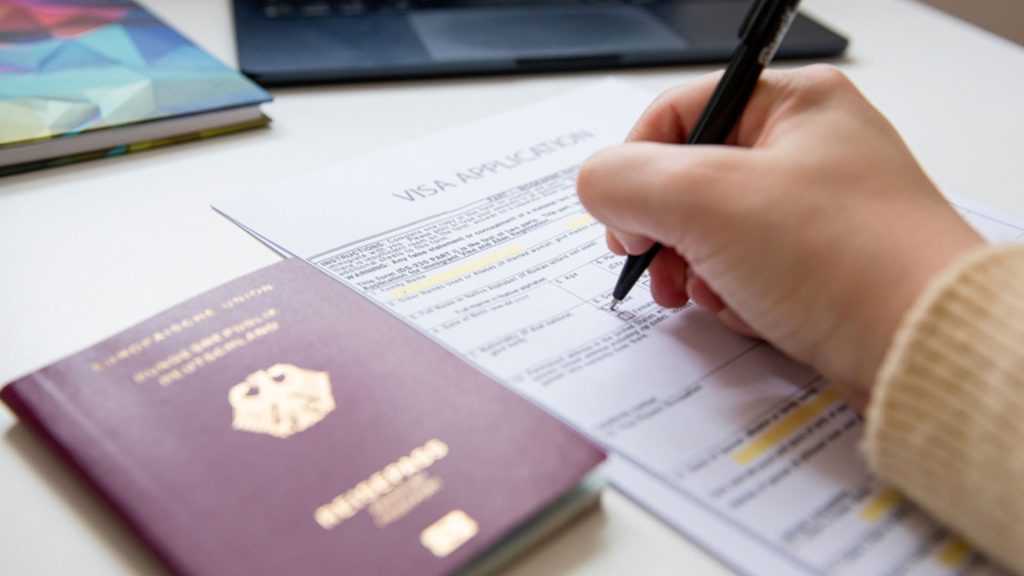
Currently, to enter Peru you need a valid passport with at least six months of validity from the date of entry. A tourist visa is not required for some foreign citizens, as this depends on their country of origin. Citizens of South America, North America, New Zealand, and Australia do not need a visa. For more information, we recommend visiting the official portal of the Ministry of Foreign Affairs or the Consulate of Peru.
If your country is on the list of those that require a tourist visa, here are some of the requirements generally requested when applying for one at Peruvian consular offices abroad:
Please note that the consular officer may request additional documentation to support the traveler’s application. If you wish to stay longer in Peru for reasons such as business, study, or work, you must apply for the corresponding visa at the Peruvian consulates.
The passport is one of the essential documents for any traveler, since it contains detailed information about the identity and nationality of its holder. It also allows international travel and free movement between countries.
If your passport is full of travel stamps but has not yet expired, check with your country’s embassy or consulate to see whether it should be renewed or replaced.
All visitors to Peru are issued the Virtual Andean Migration Card (TAM Virtual), which must be completed with the traveler’s personal information.
We recommend that, upon entering the country, you verify that your passport is valid for at least six months from your date of arrival. If your passport expires during your stay in Peru, you must check the procedure and corresponding cost with your country’s embassy or consulate.
Below, we provide information about some actions that are prohibited at tourist attractions:
Minors under 18 years of age may enter Peru by meeting the corresponding immigration requirements, but they must also comply with some additional rules to avoid problems. The main requirement is that the minor present a valid passport, or an ID card if they belong to countries of the Andean Community or Mercosur, depending on nationality and current agreements. In addition, the minor must travel accompanied by at least one parent or legal guardian.
If the child is traveling without one or both parents, they must present a notarized, consular, or judicial travel authorization, as applicable, in original and physical format during immigration control. Failure to present this document will prevent the minor from boarding.
Although having travel medical insurance is not mandatory, it is considered essential because any medical care in Peru may represent a significant cost for the traveler. This is because there is no healthcare assistance agreement between Peru and many other countries, which means that medical expenses, even minor ones, will be the traveler’s responsibility. If you purchase comprehensive travel insurance, you will have additional benefits that protect your travel investment, such as coverage for theft or damage to luggage, compensation for early return due to the hospitalization or death of a family member, and reimbursement for necessary purchases due to delayed checked baggage delivery.
Currently, it is no longer mandatory to complete this form, according to updates made at the end of 2022. Regarding COVID-19 vaccines, it is not necessary to present a vaccination card when entering the country. However, vaccination against yellow fever is recommended if you are visiting jungle areas, such as Amazonas, Loreto, Madre de Dios, and others. This vaccine should be administered at least 10 days before the trip.
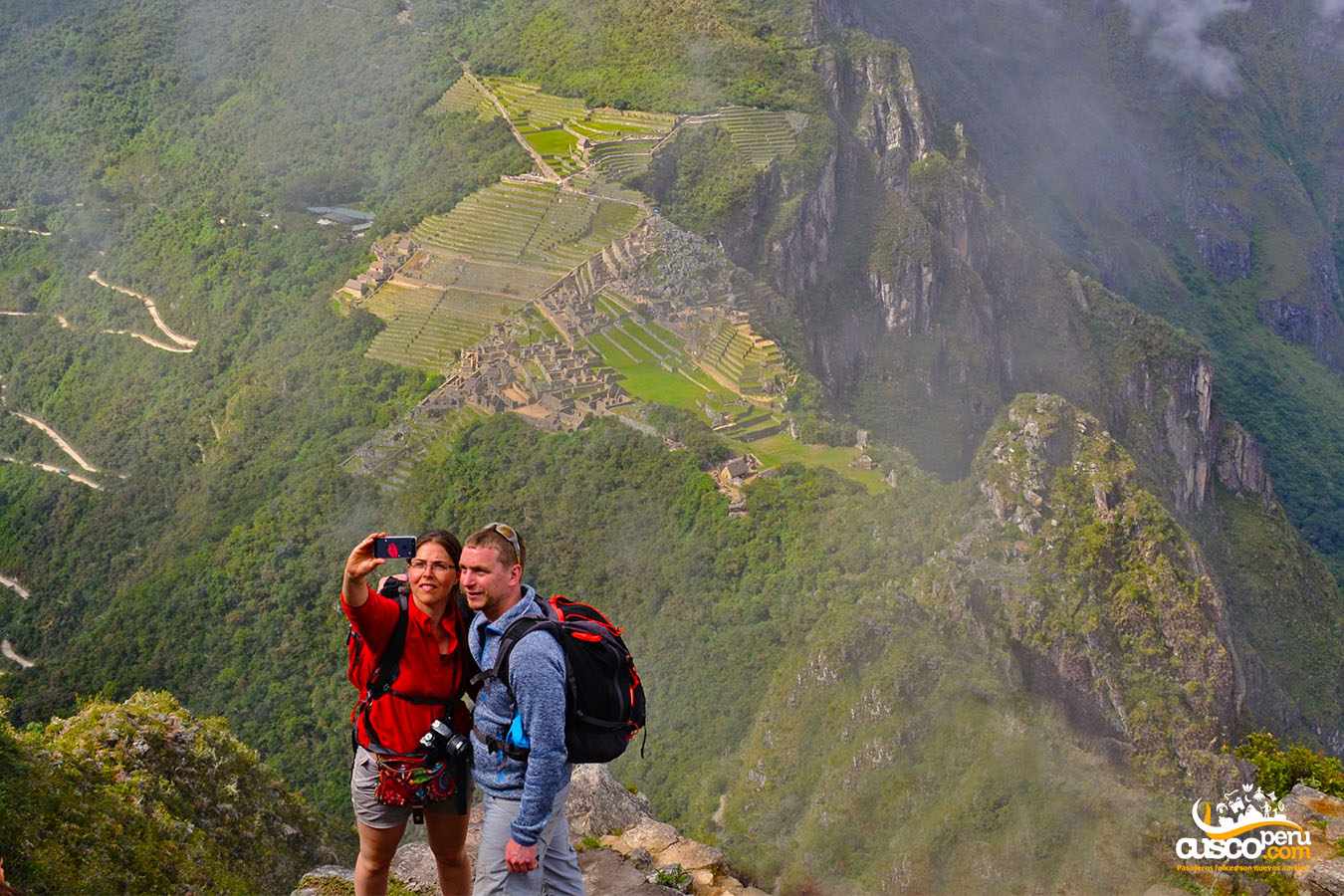
The summit of Huayna Picchu is full of Inca archaeological remains, such as stairways, agricultural terraces, and the famous Temple of the Moon, a structure built inside a natural cave.
The path leading to the summit of Huayna Picchu Mountain has, on one side, the mountain’s rock wall and, on the other, a 200- to 300-meter abyss down to the bottom of the ravine, where the Urubamba River can be seen in the distance. This causes the human body to react naturally with a feeling of fear and vertigo during the first stages of the ascent.
However, it is important to clarify that, despite how dangerous the ascent may seem and the unfathomable abysses along the entire route, there are no official records of visitors having died on Huayna Picchu Mountain.
The mountain is composed mostly of rock, on which the Incas carved its steps and paths to the summit, with only one trail used for both the ascent and the descent.
The Inca citadel of Machu Picchu is located in the department of Cusco, in the southeast of Peru. This part of Peru is characterized by having two clearly defined seasons: the first is the rainy season, during which heavy downpours cover almost the entire Cusco region; this season generally begins in November and ends in late March. The second is the dry season, which starts in late April and ends in August or September.
At CuscoPeru.com, we recommend traveling during the dry season, since there are hardly any cloudy days during these months, which is ideal for taking excellent photographs, in addition to avoiding the inconveniences caused by rain (mud, wet clothes, slippery trails). One of the advantages of the rainy season is the smaller number of visitors, which gives you more space to visit this world wonder.
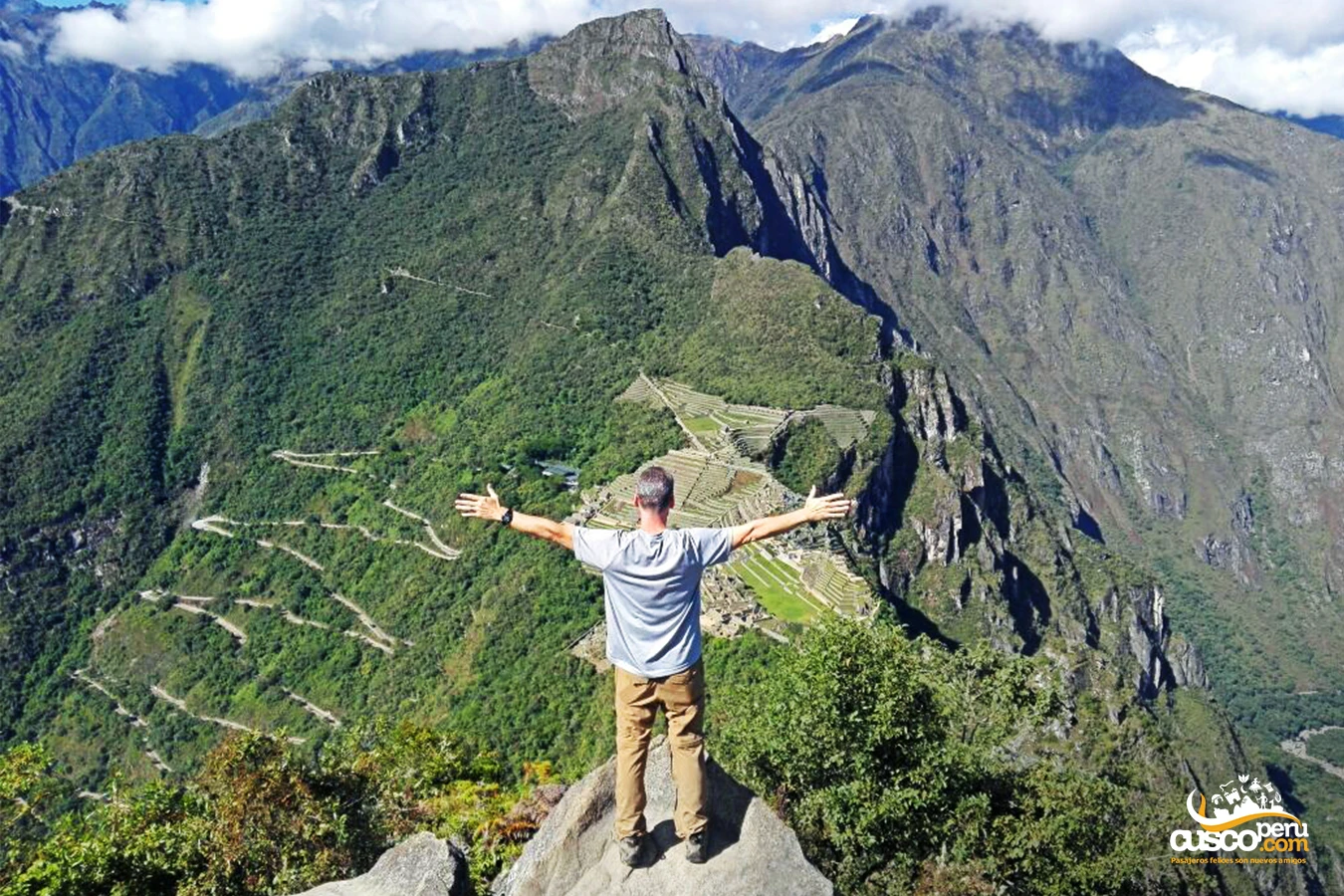
The ticket to enter Huayna Picchu Mountain costs an average of USD 53; this ticket also includes admission to the Machu Picchu citadel with Royalty Circuit 3 or the Lower Part + Huayna Picchu. It is not possible to buy admission to the mountain only.
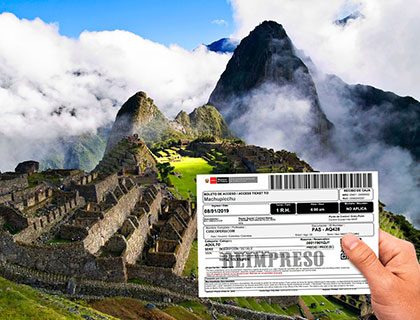
If you have any difficulties booking your Machu Picchu Tickets, transportation, or hotels, at CuscoPeru.com we have a team of tourism professionals with more than ten years of experience who will be happy to answer all your questions and concerns. Write to us and leave us a message — we will gladly assist you: info@cuscoperu.com
The organization responsible for the care and preservation of this incredible Inca work is the Ministry of Culture of Peru, which is also the entity in charge of managing and issuing admission tickets to the Machu Picchu citadel, Huayna Picchu Mountain, and Machu Picchu Mountain.
The entry times for Huayna Picchu Mountain are divided into two groups of 175 people each, since only 350 people per day are allowed to enter.
First group
Second group
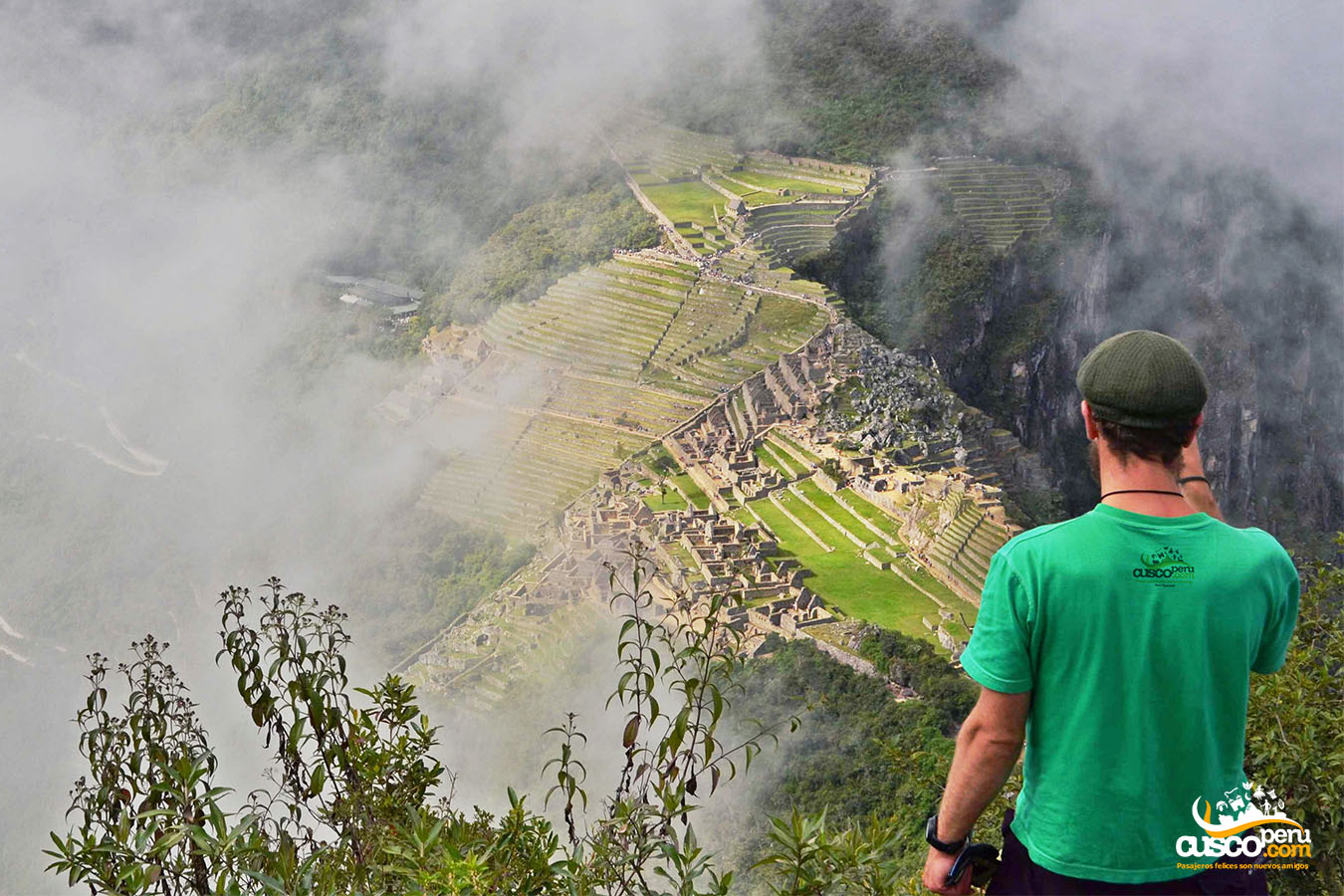
The area where Huayna Picchu Mountain is located is part of the high jungle, where rain, humidity, and the presence of plants and animals are constant, so we recommend bringing the following items to ensure that your hike and travel experience are not spoiled by small but annoying inconveniences:
Above all, do not forget to enjoy this experience, because most likely, when you finish the climb and finally stand at the top of the mountain, you will feel a mix of joy, euphoria, satisfaction, and delight that has changed the lives of many travelers.
Every year, the famous Inca citadel of Machu Picchu is visited by tens of thousands of tourists; however, there is an additional adventure beyond the visit to the citadel that allows us to live an unforgettable experience: the ascent to the summit of Huayna Picchu Mountain.
Altitude sickness is a condition that affects some people when they visit places at high elevation; however, it is possible to be prepared to avoid this discomfort. It is important to prevent altitude sickness even before noticing the first symptoms or arriving in the city of Cusco.
In Peru, it is popularly known as "soroche," and it is very common among travelers arriving in Cusco. Here, we will explain how to avoid altitude sickness in Cusco.
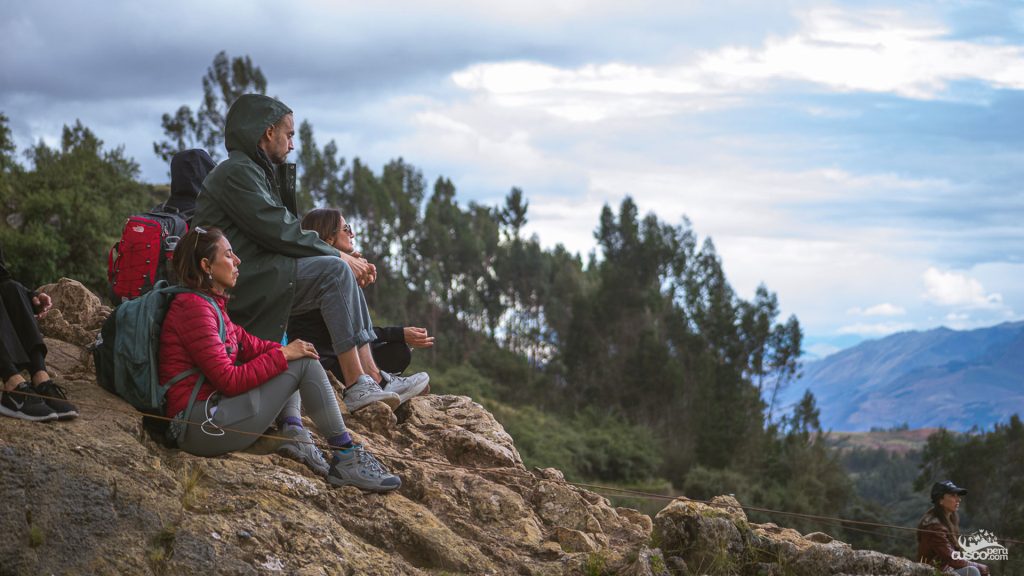
Acute mountain sickness (AMS), or soroche, is caused by the lower atmospheric pressure at high elevations, which reduces the amount of oxygen in the blood; as a result, the body's organs receive less oxygen.
The human body distributes oxygen throughout the body through the blood. This function is affected when you are at altitudes above 2,400 m.a.s.l.
One of the organs most affected by an insufficient supply of oxygen is the brain. The symptoms of soroche usually include:
More serious symptoms may include:
In extremely serious cases, which are very rare, a person may suffer cerebral or pulmonary edema and even death.
It is crucial to recognize the symptoms as soon as you arrive in Cusco in order to prevent altitude sickness.
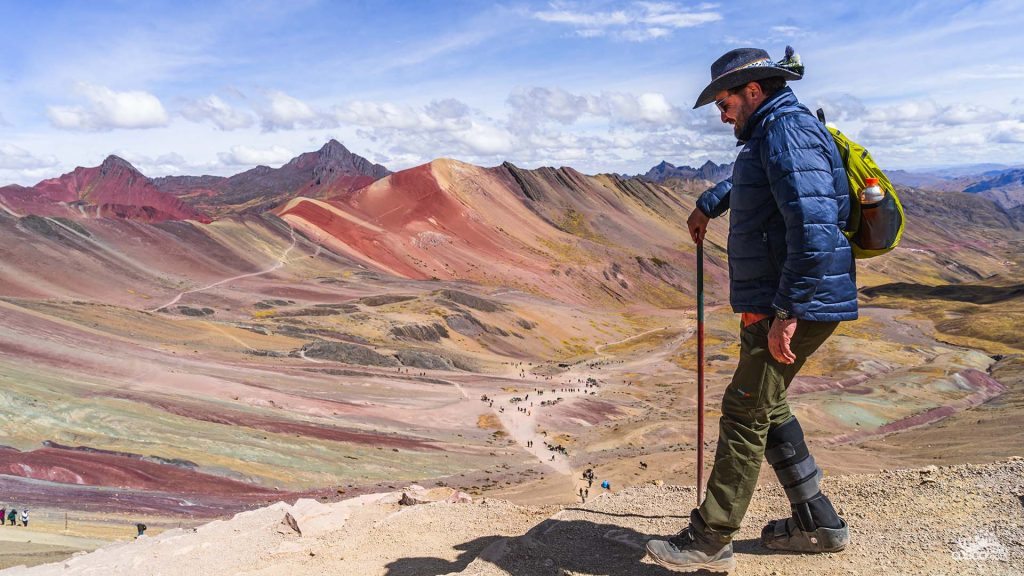
The human body experiences changes in how it functions when traveling to places above 2,400 m.a.s.l. Soroche does not have an established cure. However, human beings have lived in high-altitude places for thousands of years, so the remedies are well known and widely practiced.
Here are some recommendations to help you avoid altitude sickness in Cusco:
Recently, the number of visitors coming to the city of Cusco has increased considerably, especially tourists who want to visit Machu Picchu, which means that some services, tickets, and travel arrangements must be booked in advance.
Below, we present a summary of the most important points to consider when planning your trip to the city of Cusco:

The first step for a successful trip to the city of Cusco and to visit the Inca citadel of Machu Picchu is to buy your Machu Picchu ticket. The Decentralized Directorate of Culture of Cusco is the institution in charge of managing and selling tickets to Machu Picchu.
Due to the massive influx of visitors, entry tickets must be booked at least 3 months in advance in order to find availability on the day you wish to travel.
There are 5 Machu Picchu tickets, and they are very different, since each one offers a distinct visit to the Inca citadel. Here, we present what they are and their main differences.
Important: Each ticket is unique and non-transferable, so it is essential to enter the first name, last name, and document number of each visitor correctly.
Once you have purchased your Machu Picchu ticket, the next step is to buy your train tickets so you can travel from the town of Ollantaytambo to the town of Aguas Calientes or from the city of Cusco to the town.
There are various types of train services and schedules, but in general, if you want to make reservations from one day to the next, especially during high season, prices may vary considerably. It is recommended to purchase these tickets in advance.
The railway companies operating on the Ollantaytambo-Aguas Calientes route are the following:
The types of train services offered on the Cusco-Machu Picchu route are:
The Hiram Bingham stands out for its blue and gold colors, as well as its warm and welcoming interiors with elegant upholstery. This service has four cars: two dining cars, one bar car with an observatory, and one kitchen car.
Surrounded by glass, with cars featuring wide panoramic windows that offer unmatched scenic views and are perfect for taking spectacular photographs.
The Expedition has cars fully covered with panoramic windows so that travelers can immerse themselves in the beauty of the natural landscape; in addition, they will be informed about the most important points along this ancient route.
The company Inca Rail received permission to begin operations on this route in 2009. The types of train services it offers on the route to Machu Picchu are:
Designed for passengers seeking privacy, luxury, and maximum comfort, this car also features a beautiful onboard bar. It is fully paneled in wood, with warm lighting, panoramic windows, and luxurious finishes.
This service offers spacious and comfortable seats, carefully designed to ensure total passenger comfort. In addition, all seats have tables in front and panoramic windows to enjoy the beautiful landscape.
It features comfortable seats that were carefully designed. In addition, all seats have tables in front and panoramic windows to enjoy the beautiful scenery.
It offers comfortable seats, which have been carefully designed to ensure maximum comfort. In addition, all seats have tables in front and panoramic windows to enjoy the beautiful scenery.
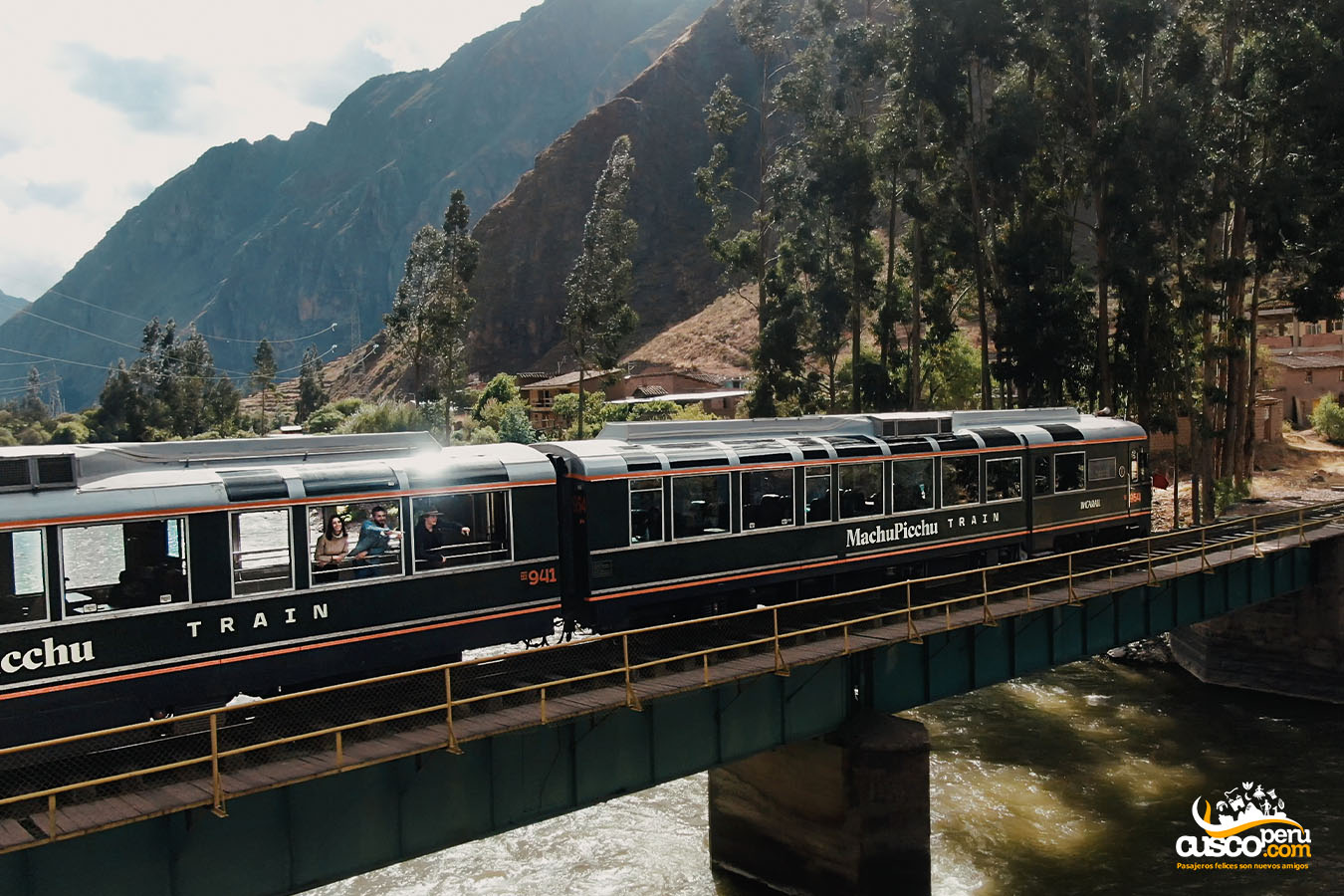
The city of Cusco has developed an extensive hotel offering, which means that you will most likely have no trouble finding available accommodation. On your trip to the city of Cusco, keep in mind that the hotel supply is broad; however, during high season (from May to August), hotel rooms are usually scarce, so you should book at least one month in advance.
During high season, prices also tend to go up, not only for hotels, but also for all the services offered in Cusco and Aguas Calientes.
To visit Machu Picchu, you must first arrive in the city of Cusco, either by air or by land. Below is a brief summary:
The journey from Lima to the city of Cusco by land takes approximately 20 hours; this may vary if you travel during the rainy season, which in some cases can extend the trip to 22 or 24 hours. The route is operated by the following companies:
Each company has its own schedule; however, they are similar in some respects:
Air services between Cusco and Lima offer an efficient connection between two key destinations in Peru. With a flight duration of approximately 1 hour and 30 minutes, depending on the airline, you can find the best option according to your needs. The route is operated by the following airlines:
Each airline has its own schedule; however, they are similar in some respects:
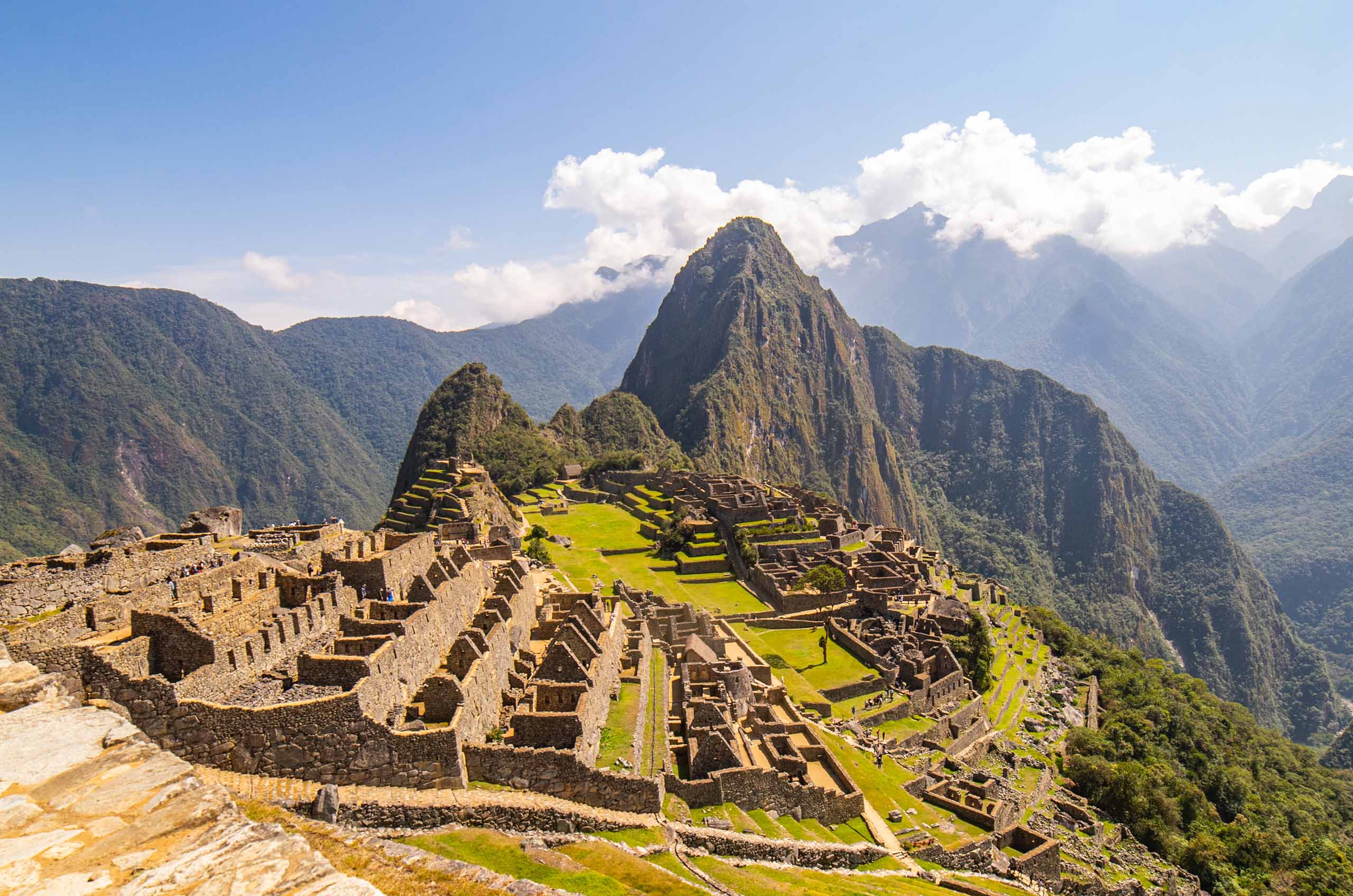
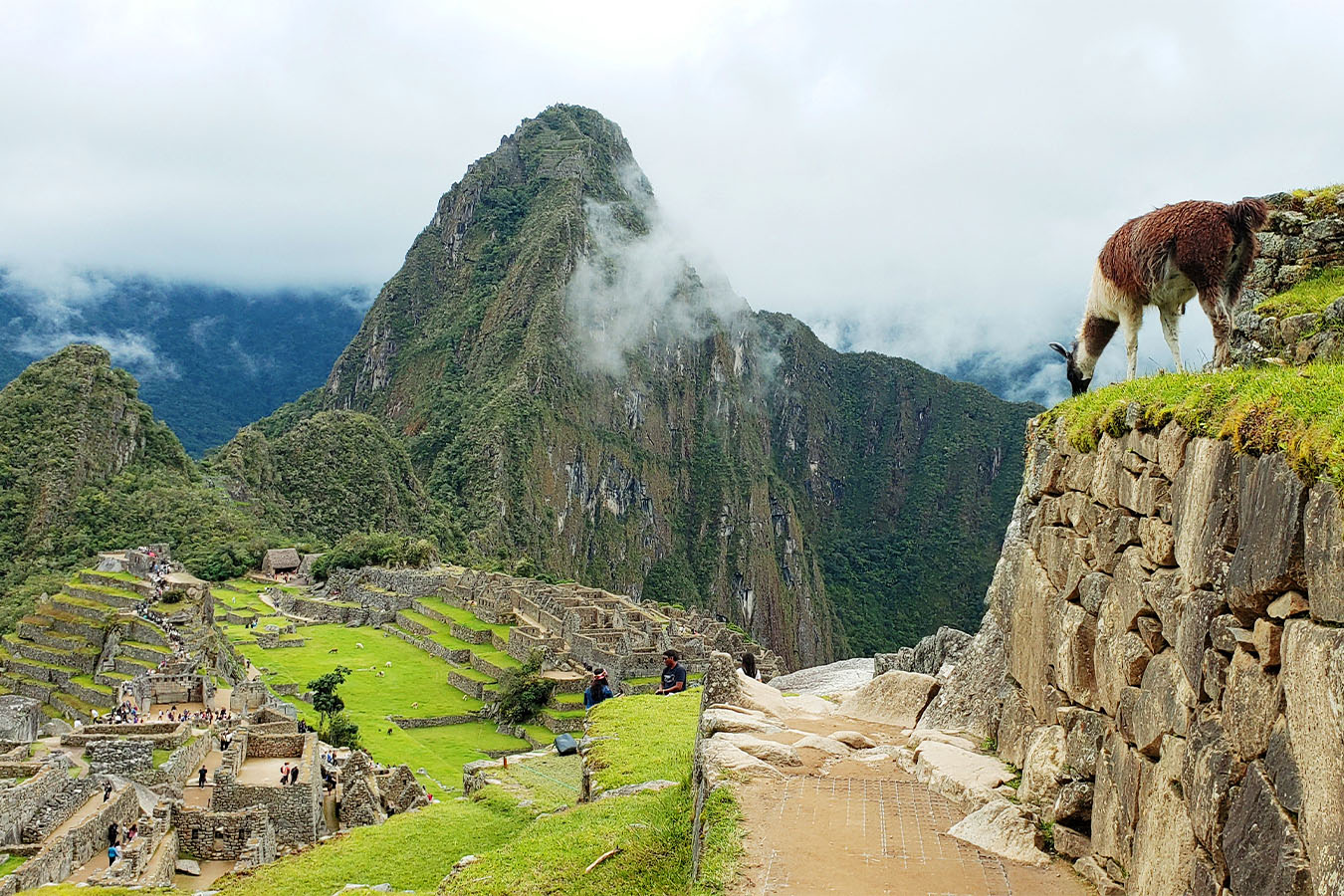
The citadel of Machu Picchu is one of the seven wonders of the world. Built by the Inca Pachacútec, this incredible archaeological center is Peru’s main tourist attraction.
The famous Inca city is located at 2,430 m.a.s.l. (7,972 ft), that is, almost 1,000 meters below the city of Cusco, which is located at 3,300 m.a.s.l.
This marvel of Inca architecture is the main tourist attraction for all visitors to Peru and a must-see destination if you plan to travel to the city of Cusco.
This mountain is the one that appears in the background of almost all photographs of Machu Picchu, and it is famous for how challenging it is to reach the summit. The climb to the top of the mountain takes approximately 1 hour and 30 minutes. The path follows stone stairs and runs along the edge of a four-hundred-meter abyss above the Urubamba River.
Because it is considered one of the five best short hikes in the world, tickets are in high demand, so they must be purchased at least six months in advance.
The Machu Picchu Mountain is also located next to the Inca citadel, but it offers a better view of the entire surrounding area. The climb to this mountain is more accessible and less demanding than the climb to Huayna Picchu Mountain, and it takes around 2 hours.
The hike to the summit of this mountain is an option when Huayna Picchu tickets are sold out.
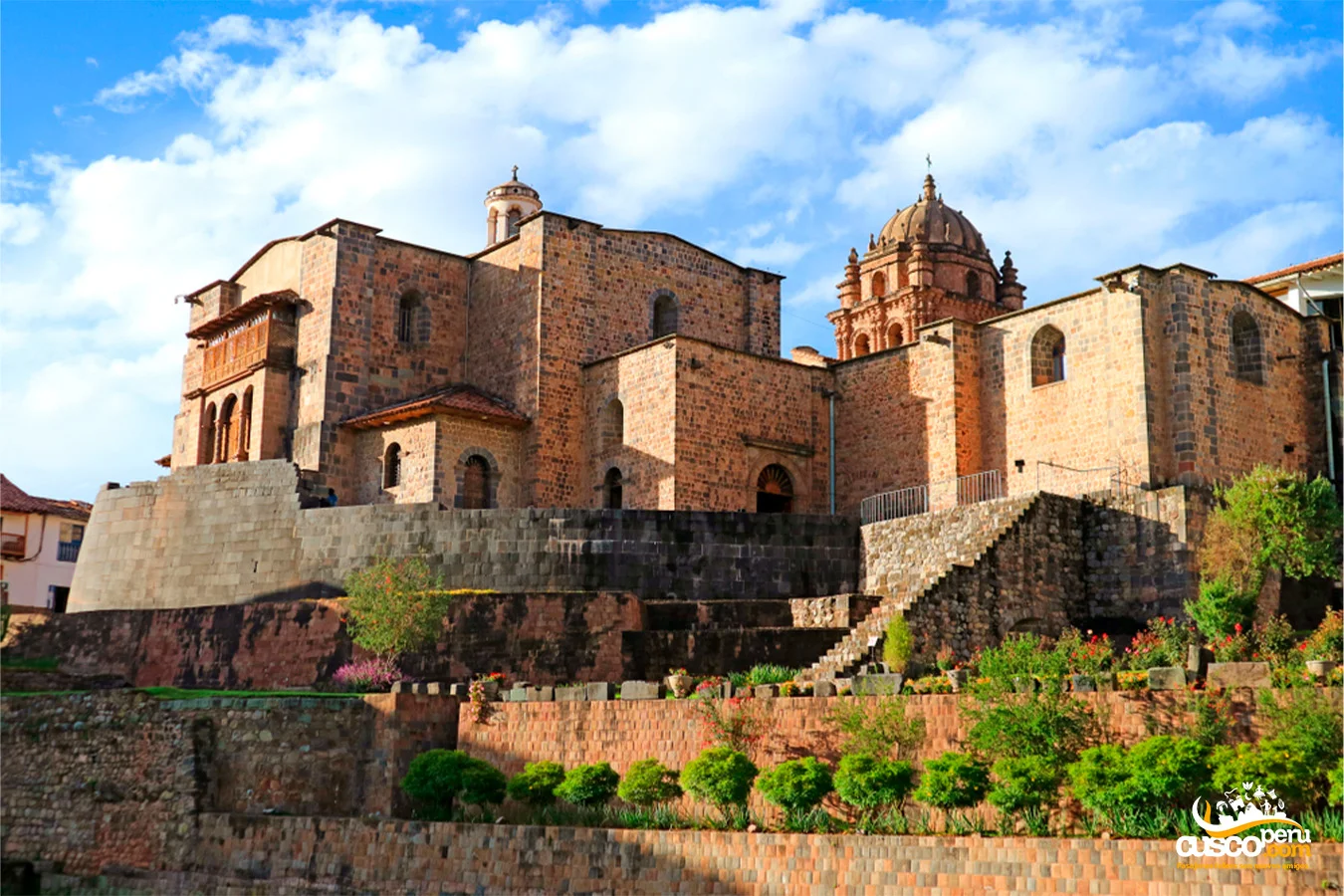
The city of Cusco is characterized by urban architecture in which, on the one hand, Inca influence is intertwined, with its stone walls, stairways, and other lithic constructions, and on the other hand, Spanish influence, with its balconies, houses with large entrance gates, and gabled roofs, all of which you should visit on your trip to the Inca capital.
The city of Cusco has at least 12 churches in its urban area; many of them were built more than 400 years ago. Among the most representative are:
Many of the museums found in the city of Cusco once belonged to the most important Spanish authorities living at that time and were, long before, Inca palaces. Among the most representative museums are:
Although they were partially destroyed by the Spanish, today it is still possible to appreciate part of the original structure of some Inca palaces. The best known are:
Cusco was the capital of the Inca Empire, and for this reason the remains of the ancient city are buried and scattered throughout the city of Cusco.
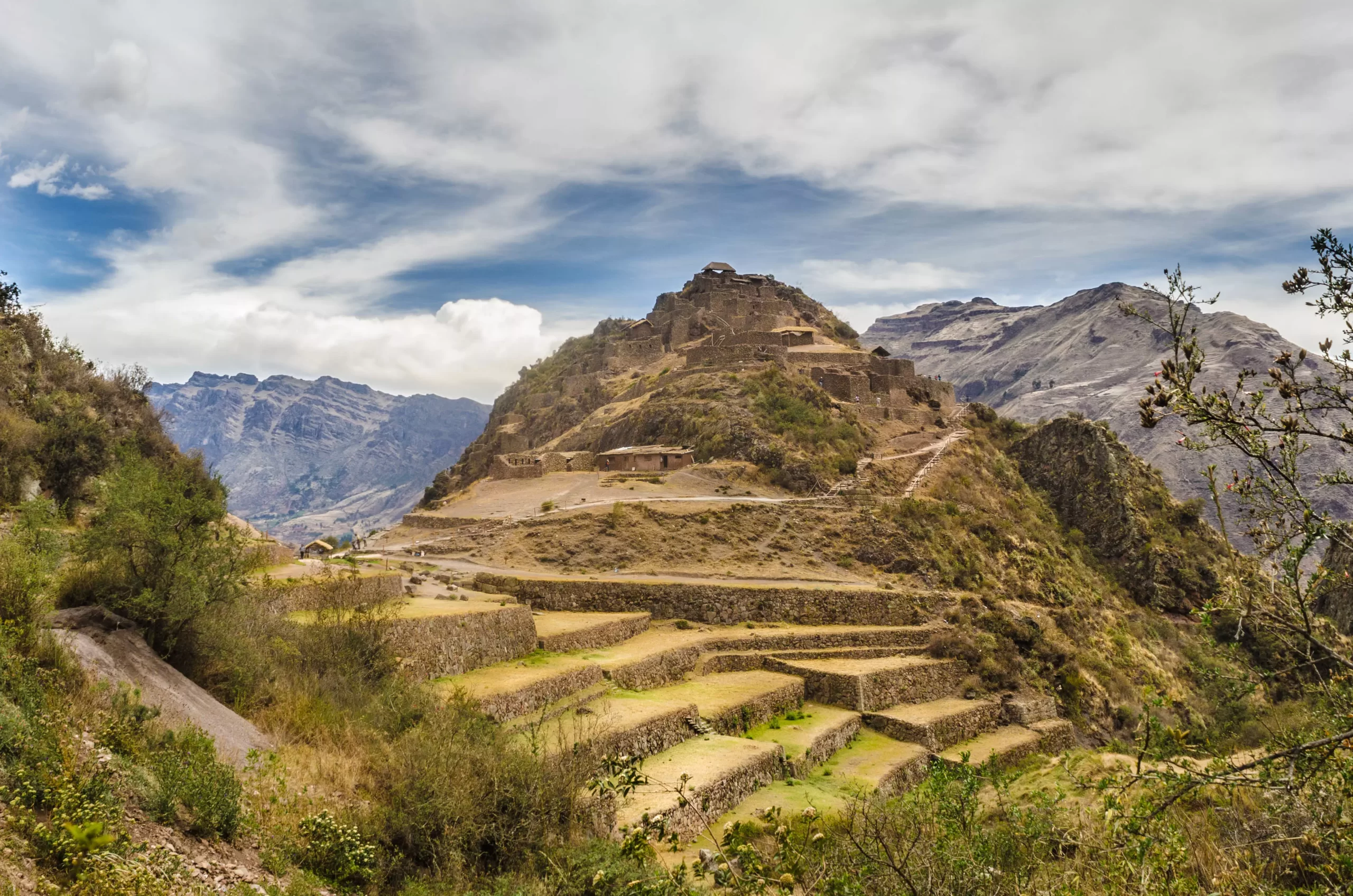
The Sacred Valley of the Incas is located one hour by car from the city of Cusco and has countless attractions, both natural and archaeological.
The town of Pisac is located in the Sacred Valley and has a craft fair that is very popular in the area. In the upper part of the town, there are Inca terraces that offer an impressive view of the entire valley.
The archaeological site of Pisac is considered one of the best archaeological complexes in Peru. This place was not only an Inca citadel but also an important religious center.
In the Inca period, this archaeological site was a fortress and observation center, since it is strategically located at the junction of three valleys. In the streets of the town of Ollantaytambo, you can find Inca walls, aqueducts, as well as terraces and farming platforms.
The Incas probably built Moray intending to experiment with their crops, since in this structure, which resembles a coliseum, important temperature differences have been recorded between one level and another, which is why it is believed that new types of seeds were tested and developed here.
Evidence of experimentation with seeds during Inca times can be seen in the town of Urubamba, where giant Cusco corn can be found, unique in the world because of the size of its kernels and its pleasant taste.
This town is famous for its textiles and textile industry; at its traditional market, there is an endless variety of woven goods, wool, and textile designs. Its archaeological site features terraces, stairways, storage niches, and channels, all dedicated to agriculture.
Aguas Calientes, also known as “Machu Picchu Pueblo,” is a small and distinctive town located on the banks of the Urubamba River, and it is the closest point to the Inca citadel of Machu Picchu. The distance between the two places is approximately 9 kilometers
To get from Cusco to Aguas Calientes, you must take a bus to Ollantaytambo and then head to the Ollantaytambo train station, which can also be reached by bus. You can purchase your train tickets to Aguas Calientes with either of the two railway companies that operate this service. If you prefer to organize the full route with transfers, tickets, and guidance included, you can also explore our tours to Machu Picchu from Cusco.
Once you are in Aguas Calientes, there are two alternatives to reach Machu Picchu: by bus or on foot.
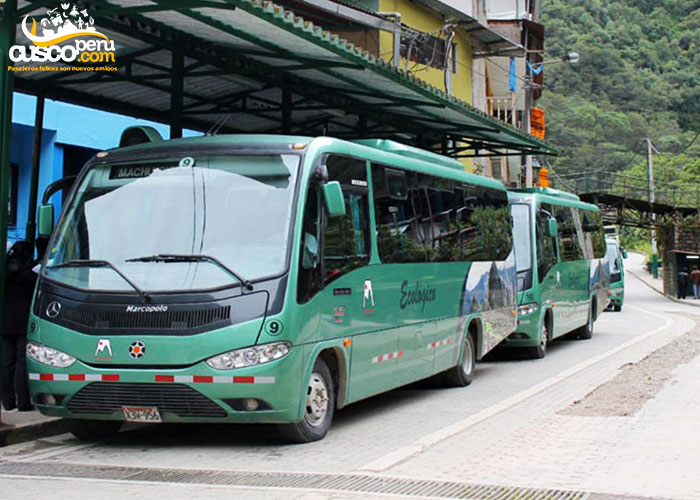
The bus is one of the ways to get to Machu Picchu from Aguas Calientes. You can take a bus in the town of Aguas Calientes to go up the mountain and finally reach Machu Picchu.
The trip takes an average of 25 minutes on the way up and 12 to 15 minutes on the way down.
Until further notice, bus tickets to Machu Picchu are available only locally (in the town of Aguas Calientes).
These tickets do not need to be booked in advance and can be purchased on the same day you plan to go up to the citadel.
Currently, buses depart from the town of Aguas Calientes. From here, buses leave every ten minutes for the Inca citadel, and in the same way, the buses coming back down return to the same station.
The cost of bus tickets to go up to Machu Picchu varies depending on the traveler’s nationality, age, and status. Below, we present a table with all available prices:
| BUS TICKET | ONE WAY | ROUND TRIP |
|---|---|---|
| FOREIGN ADULT | S/. 12.00 | S/. 24.00 |
| FOREIGN CHILD | S/. 7.00 | S/. 12.00 |
| NATIONAL ADULT | S/. 8.00 | S/. 15.00 |
| NATIONAL STUDENT | S/. 6.00 | S/. 10.00 |
| NATIONAL CHILD | S/. 5.00 | S/. 8.00 |
| NATIONAL GUIDE | S/. 6.00 | S/. 12.00 |
| CUSCO RESIDENT | S/. 9.50 | S/. 19.00 |
| MACHU PICCHU RESIDENT | S/. 4.00 | S/. 8.00 |
| RESIDENT GUIDE | S/. 4.00 | S/. 8.00 |
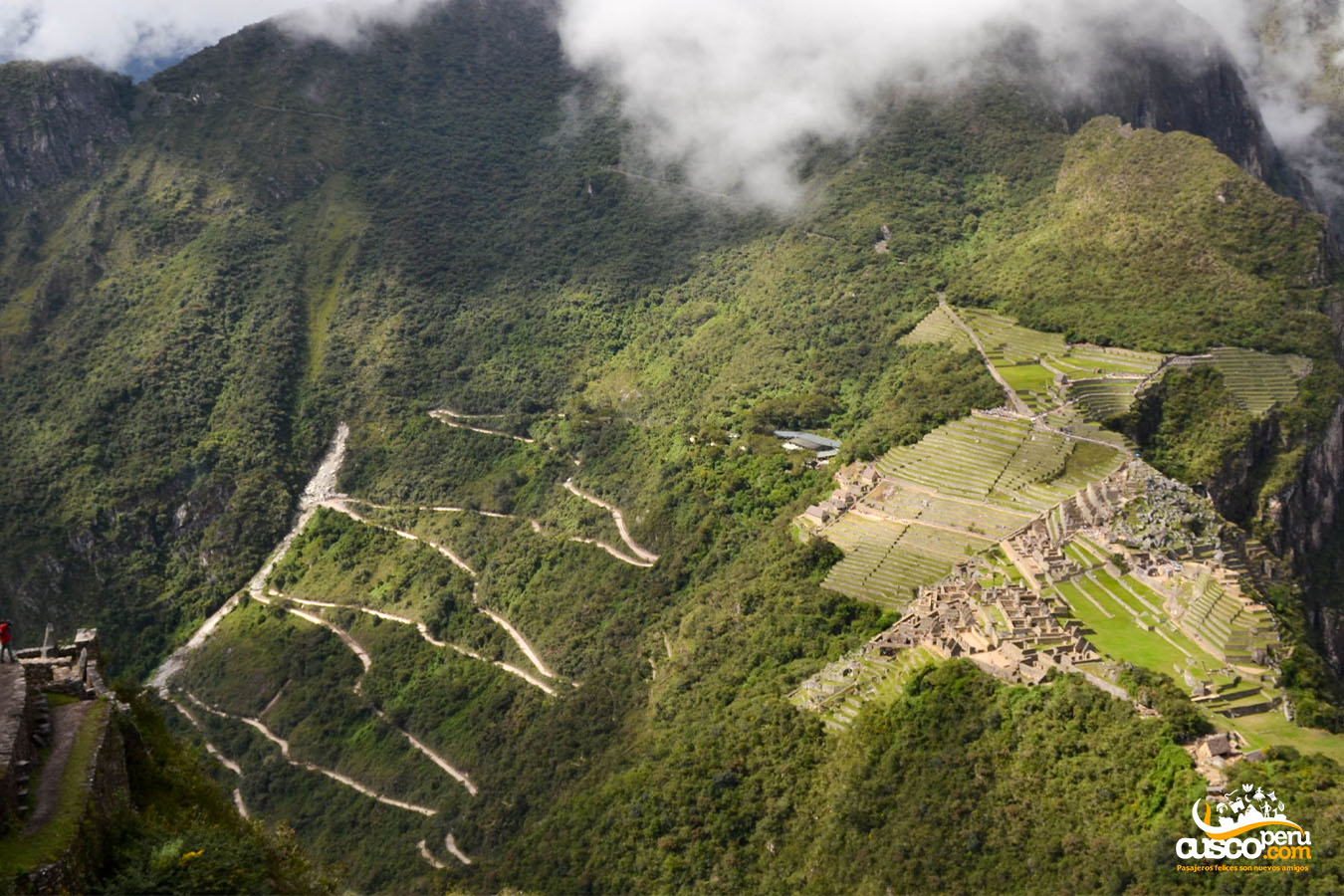
From the town of Aguas Calientes, the bus departs for the Inca citadel of Machu Picchu, located high on a mountain covered with vegetation. The route is characterized by a steep ascent full of curves and switchbacks. After a journey of approximately 25 minutes, you arrive at the entrance control checkpoint of the citadel.
The downhill ride is easier and takes only 12 to 15 minutes to reach the Av. Hermanos Ayar station in Aguas Calientes again.
The hike begins in Machu Picchu Pueblo, following the same road used by the buses until reaching the bridge that crosses the Urubamba River. At this point, you will find an INC (National Institute of Culture of Peru) checkpoint where you will be asked to present your Machu Picchu ticket. Once you cross the bridge, you will be able to see the road the buses follow, which goes to the left, and the beginning of the uphill stairs, which is your route.
The ascent takes approximately 1 hour and 30 minutes to 2 hours and requires an average level of physical fitness, as the stone steps combined with the subtropical heat can completely exhaust the traveler.
The first section of the climb runs alongside the road used by the buses, followed by stairways that cut across the mountain slopes.
The climate is subtropical, which means an abundant presence of lush green trees, flowers, orchids, vines, ants, and many other rare and fascinating insects.
Along the uphill route, you will also come across the Machu Picchu site museum and the butterfly house, both of which you can visit by purchasing your ticket at the entrance.
The hike is classified as moderate to difficult, as it is recommended for people in good physical condition who are used to hiking.
This route is demanding but not dangerous because the entire trail is signposted. However, it is very important to pay attention to the path, because there are sections where you will need to walk along the road used by the buses going up to Machu Picchu.
The descent is much easier; however, after visiting the Inca citadel, your body may already be very tired, so you can buy bus tickets only for the downhill section at the booth located at the exit of Machu Picchu.
The following aspects should be taken into account when deciding whether hiking up to Machu Picchu is a good option:
The thermal springs of Cocalmayo, also known as the Santa Teresa hot springs, are the perfect place to relax after a demanding visit to Machu Picchu.
The district of Santa Teresa was created by Law No. 12849. The Provincial Municipality of La Convención also confirms that every October 11, the political creation of the district of Santa Teresa is commemorated. Santa Teresa is one of the districts of the province of La Convención and is known at both regional and national levels for the production of fruit, coffee, coca leaves, and other products that grow abundantly thanks to its warm and humid climate.
In 1998, an alluvium associated with the Aobamba basin severely affected the old town of Santa Teresa and almost completely destroyed both the town center and the hot springs. Later, the town was relocated.
The town of Santa Teresa is located in the Urubamba River valley, in the district of the same name, province of La Convención, department of Cusco. Cocalmayo is located near the alternative route between Hidroeléctrica, Santa Teresa, and Machu Picchu Pueblo.
The Santa Teresa hot springs are surrounded by a beautiful subtropical jungle landscape, with an average annual temperature of 21 °C. The rainy season, as in much of the department of Cusco, begins between November and December and usually ends in April. It is characterized by heavy rains that, in some cases, may cause landslides and road blockages. During the winter season, the weather is usually dry, and at night the temperature can drop to 11 °C. This season runs from May to October and is considered one of the best times to travel.
The district of Santa Teresa is located at an altitude of 1,511 meters above sea level and has a population of 5,972 inhabitants, according to the 2017 National Census.
There are several ways to reach this destination. The best option will depend on the traveler’s budget, physical condition, and willingness to hike. Below, we list the main alternatives:
You must take a bus at the Almudena bus stop, located in the district of Santiago, in Cusco. After approximately five hours of travel by road, you will arrive in the town of Santa María. From there, you must take a shared van or taxi to Santa Teresa. This section takes around one hour along an unpaved road until you finally arrive in this town. The thermal pools are located approximately 10 minutes by car from Santa Teresa, or about one hour on foot, along a route of around 4 kilometers.
The cost varies depending on the type of transport chosen —bus, private taxi service, or minivan— but traveling from Cusco to Santa Teresa by land usually costs between S/ 70 and S/ 100, one way.
After visiting Machu Picchu, you can continue toward the Cocalmayo hot springs. The usual route consists of traveling from Machu Picchu Pueblo to Hidroeléctrica. There are two ways to reach the hot springs: by train and by bus. The walking trip takes approximately 20 minutes and costs S/ 5 for Peruvian nationals and USD 31 for foreign visitors. Then, in Hidroeléctrica, you must continue toward Santa Teresa by car or on foot. The walking section to Hidroeléctrica takes around 2 hours. After that, the route continues by car to Santa Teresa.
In the town of Santa Teresa, you can find everything from budget hostels, with prices around S/ 50, to lodges that offer more comfortable services, with prices that can reach S/ 200. It is important to mention that there are no five-star hotels in Santa Teresa; however, in Machu Picchu Pueblo, there is a wider range of higher-category accommodations.
The entrance fee for foreign visitors is S/ 10, while the fee for Peruvian visitors is S/ 5. Opening hours may vary, although they are usually from 5:00 a.m. to 10:00 p.m. Therefore, it is recommended to confirm the schedule before traveling.
The complex has three or four pools, depending on the facilities available at the time of the visit. Its clear and transparent waters come from underground sources, and their temperature varies between approximately 38 °C and 44 °C. The complex has changing rooms for men and women, showers, camping areas, soccer fields, restaurants, bars, swimwear rental stands, and parking. These medicinal waters are believed to have beneficial properties for skin problems, rheumatism, and joint pain. They also serve as a natural source of hydromassage and relaxation. If you wish to cool down, you can access the cold-water cascades that come from the Uripata Lagoon, located next to the hot pools.
Entering the Cocalmayo hot springs at night is an unforgettable experience, as it is important to keep in mind that many of the animals and insects that live in the jungle become active at this time. This creates an environment filled with the sounds of cicadas and many other unusual natural sounds, forming a very special atmosphere that invites visitors to relax, enjoy the hot water, and forget about everything else. An important tip for travelers who decide to visit Cocalmayo is to bring mosquito repellent, as this is a cloud forest area with an abundant presence of insects.
A recommendation for those visiting Cocalmayo is to bring mosquito repellent, since it is located in a cloud forest area where insects are commonly found.
Where is Cocalmayo?
The Cocalmayo hot springs are located in the town of Santa Teresa, province of La Convención. They are located around 202 kilometers from the city of Cusco and 20 kilometers from Machu Picchu.
How much is the entrance fee to the Cocalmayo hot springs?
The entrance fee is 10 soles for foreign tourists, 5 soles for Peruvian tourists, and 2.50 soles for tourists from Cusco. The rate may vary.
How do I get from Santa Teresa to Cocalmayo?
From the town of Santa Teresa, you can reach Cocalmayo by taxi, which takes about 20 minutes, or on foot, which takes approximately 1 hour. The hot springs are only 4 kilometers away.
When should I avoid visiting Cocalmayo?
It is not recommended to visit the Cocalmayo hot springs during the months of heavy rain: January, February, and March.
What is the weather like in Cocalmayo?
Cocalmayo has a warm, temperate climate that ranges from a minimum of 10 °C to a maximum of 26 °C. Rainfall is heaviest in January, February, and March.
What should I bring for my visit to Cocalmayo?
During your visit, it is recommended to bring swimwear, a towel, a hat, sunscreen, sandals, mosquito repellent, and personal hygiene items.
This ancient route was built by the Incas to connect the different regions of their empire, which stretched from present-day Ecuador to Chile and Argentina. Within this network, the Inca Trail to Machu Picchu was used as a ceremonial route. Today, we can appreciate ancient landscapes and millenary ruins, as well as an abundance of species and remains of the Inca civilization scattered along the route.
Would you like to live this experience? At CuscoPeru.com, we offer Inca Trail tours tailored to your needs. [2-day Inca Trail] [4-day Inca Trail]
[lwptoc]
The dry season runs from April to October. During these months, doing the Inca Trail is the best option, since the weather is good and allows you to appreciate the majestic valleys and mountains along the route without clouds or fog getting in the way.
During the months of December, January, February, and March, rainfall is constant in this part of Peru, while dense fog hides everything under its gray mantle.
In June, the festivities of the city of Cusco are celebrated, which attracts many domestic and international visitors, so booking entry during that month is usually quite difficult.
If you want to do the Inca Trail in any other month of the year, you should normally do so at least six months in advance.
But if you want to hike the Inca Trail during the months of highest demand, you should reserve an entry ticket at least 8 months in advance because, due to its great popularity, entry permits for this incredible hike usually sell out very quickly.
The Ministry of Culture of Peru is in charge of administering ticket sales for the Inca Trail, while the conservation of the Historic Sanctuary of Machu Picchu also involves SERNANP (National Service of Natural Protected Areas by the State).
According to the tourist-use capacity handled in the official documentation, the Inca Trail considers 500 entries per day, distributed as follows:
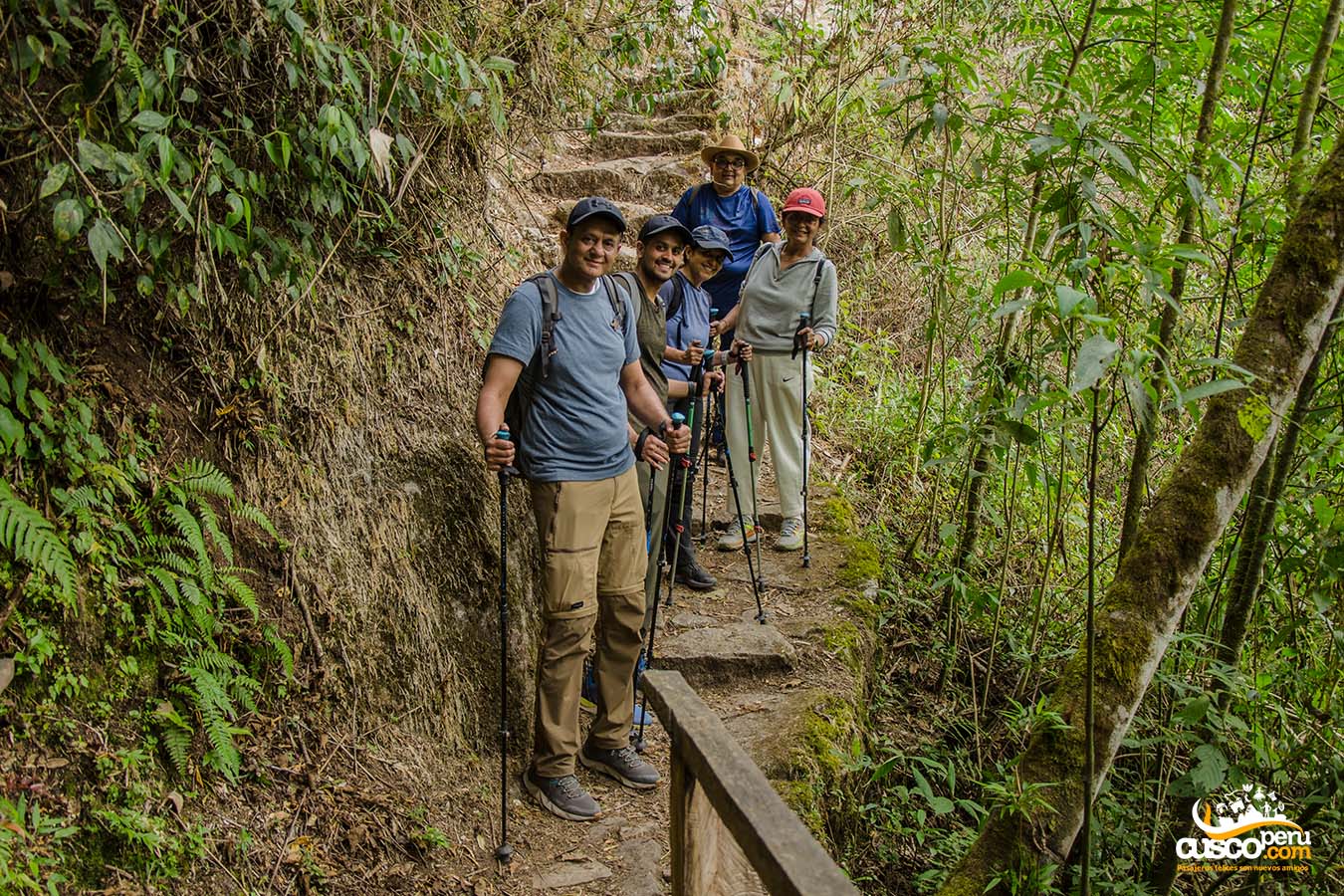
It is important to know that the Inca Trail remains closed every February due to maintenance work in various sectors of the route. The maintenance work aims to prevent the massive influx of visitors from having a significant impact on the integrity of this section.
According to the international classification of the difficulty level of a hike, we have the following:
Travelers and experienced hikers consider that the Inca Trail has a difficulty level of 3. Because the Inca Trail route passes through various types of climates and different altitudes, many travelers suggest that anyone can do this hike with proper preparation.
The maximum weight a traveler is allowed to carry during the hike on the Inca Trail to Machu Picchu is 5 kg. Taking this weight restriction into account, you should consider bringing the following for this Inca route:
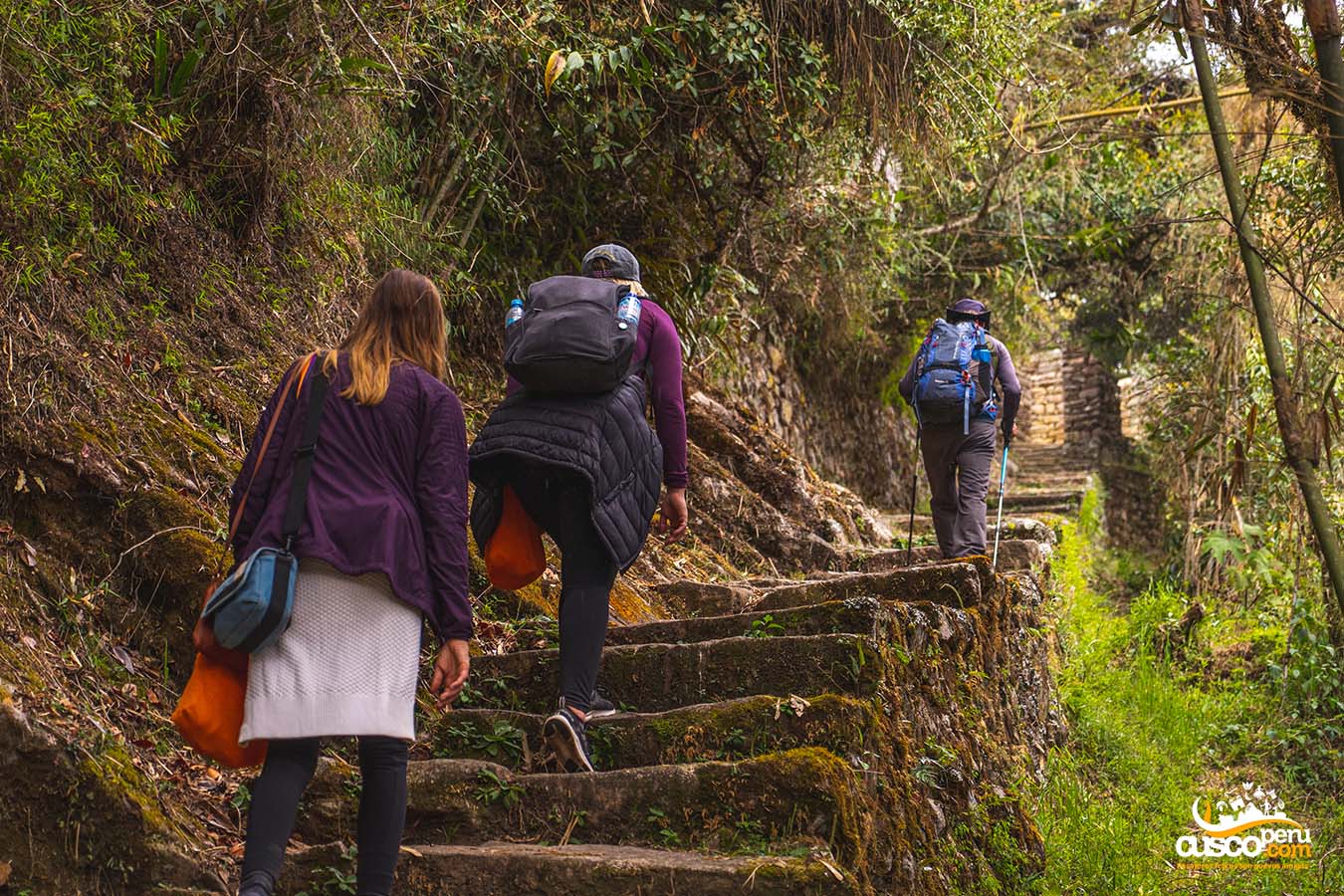
Starting in the year 2000, the Peruvian government established that entry for travelers to the Inca Trail route must be done through a tourism agency, therefore, a traveler cannot do this route on their own.
We must be honest about it, since there is a risk of slipping down the mountainside. The entire Inca Trail is properly signposted, and the guides and tour operators are the first responsible for the care of the traveler during the journey; however, this does not guarantee that travelers will always follow the instructions, and in some cases, accidents have occurred due to the visitor’s imprudence.
It is important to consider that the traveler’s physical condition must be appropriate, as well as having previously completed two or three days of acclimatization in Cusco. A traveler who is not used to walking or making physical efforts may find the Inca Trail route very difficult or even impossible.

The entry regulations for Machu Picchu changed in 2017. In the past, visitors could enter the Inca citadel at 6:00 a.m. and remain there until sunset at 5:00 p.m., but this caused crowds during the morning hours, as well as pushing and disorder during departure times in the afternoon.
For this and other reasons, in that same year (2017), UNESCO threatened to include Machu Picchu on the List of World Heritage in Danger, which triggered an immediate response from the Peruvian government, which introduced new restrictions and measures to prevent the deterioration of this world heritage site.
In 2024, more routes were added to reduce the impact of visitors on Machu Picchu, so that today there are 10 types of tickets available for purchase:
The entry ticket to the citadel or llaqta offers 3 circuits to choose from:
Please note that entry to the circuits in Machu Picchu, within the llaqta, must be accompanied by an official tour guide and is mandatory.
Due to the new regulations, there is now a maximum of 5,600 tickets available per day, divided among 3 circuits. Each circuit allows visitors to remain in the citadel for up to 3 hours; however, the time usually varies depending on the ticket and route selected. Below is the detailed information:
With this ticket, you are allowed to remain in the Inca citadel for 1 hour from your entry time. However, the time of stay increases depending on the selected route.
| Route | Hiking time | Time allowed in the citadel | Total time |
|---|---|---|---|
| Circuit 1 + Route 1-A: Machu Picchu Mountain | 3 hours (ascent and descent) | 1 hour | 4 hours |
| Circuit 1 + Route 1-B: Upper Terrace | 40 minutes | 1 hour | 1 h 40 m |
| Circuit 1 + Route 1-C: Intipunku Gate | 40 minutes | 1 hour | 1 h 40 m |
| Circuit 1 + Route 1-D: Inca Bridge | 40 minutes | 1 hour | 1 h 40 m |
With this ticket, you are allowed to remain in the Inca citadel for 3 hours from your entry time. However, the time of stay increases depending on the selected route.
| Route | Time allowed in the citadel |
|---|---|
| Circuit 2 + Route 2-A: Designed Classic | 3 hours |
| Circuit 2 + Route 2-B: Lower Terrace | 3 hours |
With this ticket, you are allowed to remain in the Inca citadel for 2 hours from your entry time. However, the time of stay increases depending on the selected route.
| Route | Hiking time | Time allowed in the citadel | Total time |
|---|---|---|---|
| Circuit 3 + Route 3-A: Huayna Picchu Mountain | 2 hours (ascent and descent) | 2 hours | 4 hours |
| Circuit 3 + Route 3-B: Designed Royalty | 1 h 30 m | 2 hours | 3 h 30 m |
| Circuit 3 + Route 3-C: Great Cavern | 2 h 30 m | 2 hours | 4 h 30 m |
| Circuit 3 + Route 3-D: Huchuy Picchu | 1 hour | 2 hours | 3 hours |


Happy passengers