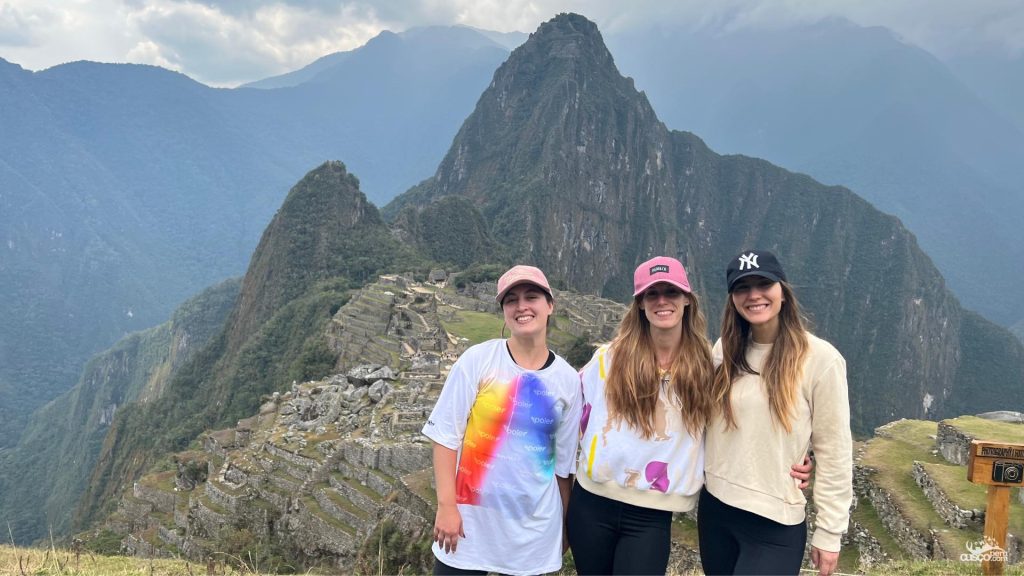
We are three Argentine friends with an unstoppable wanderlust spirit—the kind who love exploring new paths and being constantly surprised by the world. We had always dreamed of taking on the challenge and mystical journey of the Inca Trail to Machu Picchu. We knew this route was more than just a trek; it was a life-changing experience. So, when the stars (and our schedules) finally aligned, we didn't hesitate: we packed our bags, bought the tickets, and just went for it! If you are looking for genuine Machu Picchu Tours or real-life tips from travelers, here is the epic tale of our adventure—because challenging yourself with friends is the best motivation!

People always said the Inca Trail was one of those once-in-a-lifetime things—something that sticks with you. And that’s exactly what pushed us to dive headfirst into this crazy beautiful ride. We wanted to live every step together and tick off that dream of seeing Machu Picchu in a different, more real way.
When we found out the classic Inca Trail takes four full days, our vibe dropped a bit—we didn’t have that much time, and we wanted to see more of Peru. But there was no way we were gonna miss out. Lucky for us, we hit up CuscoPeru.com and boom—there it was: a two-day version, just as dope! We didn’t overthink it—booked it on the spot.
So, what hit us the hardest? What spots left our jaws on the floor? And for real—was getting to Machu Picchu through the Inca Trail really that next-level? Here’s the unfiltered truth: what we felt, what shook us, and why this trip’s now inked on our souls.
Just like the agency told us, we got to Cusco a few days early to acclimate—‘cause altitude sickness can hit like a truck. And good thing we did. The city welcomed us with open arms—history in every corner, perfect weather, and the agency’s crew treated us like queens from the jump.
The day before we hit the trail, Efraín—one of the legends at CuscoPeru—got us together to break it all down. He gave us the full itinerary, told us exactly what to pack (keep it light, seriously—the trail doesn’t play), and gave off this chill vibe that instantly made us feel at home. We were ready. Hearts pounding like carnival drums.
By 4 AM we were up, groggy faces and all. But yeah, heading out early was key to dodging that brutal sun later on. And trust—it was the right call.
Our guide and driver showed up on time like clockwork, and off we went to catch the train at Ollantaytambo. The early morning cold in Cusco hits deep—it wakes your whole soul—but we were bundled up just enough, just like they told us. The ride was chill, half-asleep convos, but the hype was real. You could feel something big coming.
We got there super early and the chill had already started to fade. The station welcomed us with that crisp mountain air, and the sky started throwing color like a painting. Total postcard moment. We hopped on the Vistadome train—with those huge windows—and settled in, buzzing with a mix of nerves and excitement. The view? Straight out of a movie: fairytale mountains, the river winding through, and in the distance, the snowcapped La Verónica—left us speechless.

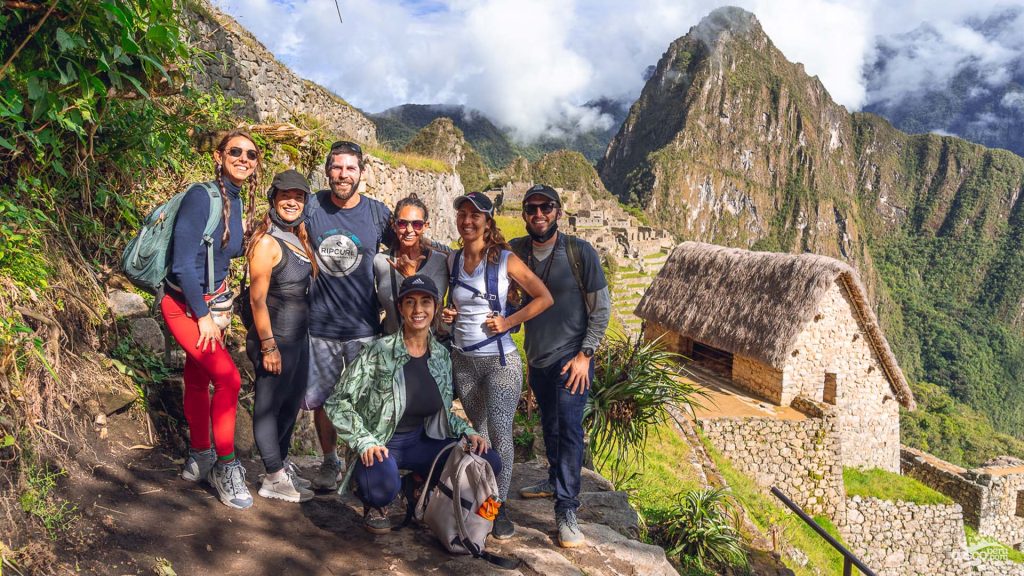
We got off the train and the jungle wrapped around us. Green everywhere, thick humid air, and that constant sound of the Urubamba River holding it all down. We crossed a wooden bridge and made it to the checkpoint where you sign in. Mandatory photo with the Inca Trail sign—seriously, if you do this trip, that pic is a must.
And that was it. Packs on our backs, sneakers ready, and hearts pounding outta our chests.

Five minutes into the hike, boom—our first archaeological site: Chachabamba. Rómulo told us it was a purification stop for travelers on their way to Machu Picchu. It wasn’t just a pile of ruins—it was sacred ground. That’s when it hit us: we were literally walking in the footsteps of the Incas. Mind-blowing stuff.
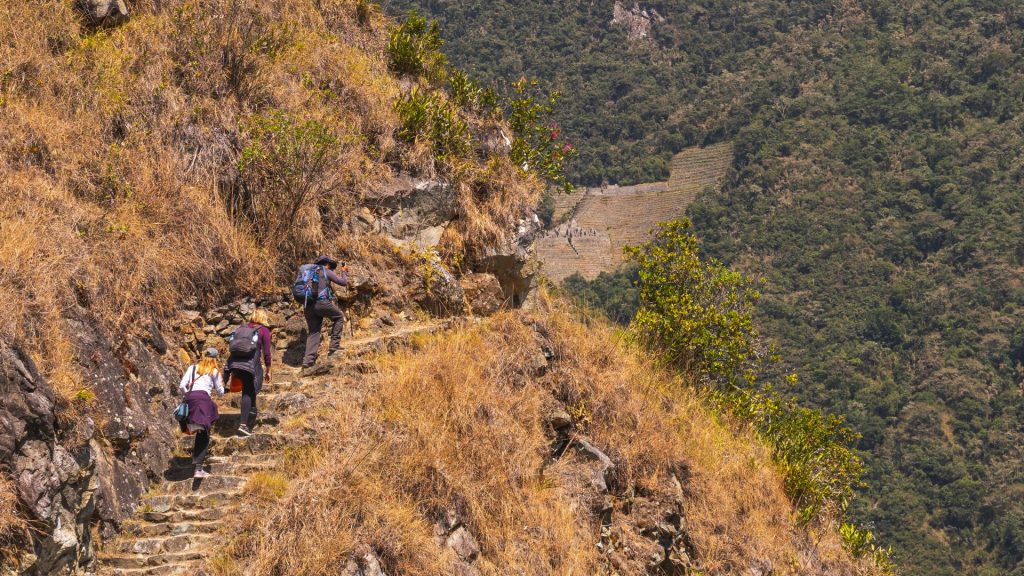
One of the trippiest moments was connecting with nature. There were stretches where the jungle literally swallowed you up—it felt like walking through a green tunnel that spat you out a few meters ahead. We climbed these ancient stone steps that, according to Rómulo, were laid down by the Incas themselves, centuries ago. Every single step felt alive with history.
And the best part? Our guide took the most epic pics. He didn’t rush—he’d find your angle, frame the shot, and make you feel like you were on a National Geographic shoot. Total legend.

With the sun blazing down, stumbling across the Phuyuwachi waterfall was like hitting an oasis in the desert. Pure, glorious relief. We sat in the shade, letting the sound of the water wash over us like a mantra. We chilled, we chatted, we snapped way too many pics. It was a treat for the body—and the soul.
After about four hours of hiking, we reached Wiñayhuayna—and honestly, we didn’t know where to look first. Inca terraces, lush green everywhere, wildflowers popping like confetti—it all looked way too perfect to be real.
Rómulo told us this place used to be a major agricultural center, and you can only get to it if you’re on the Inca Trail. It felt like we’d unlocked some secret spot—like finding a hidden bar that only locals know about.
We had lunch there, chatted, recharged. The biggest moment was just around the corner.

An hour and a half later, we made it to the Sun Gate—Intipunku. And that’s when the tears hit. From there, you get your first glimpse of Machu Picchu. And let me tell you—no pic or video can prep you for that moment. It was right there. Massive. Magical. Real.
We hugged, cried a little (yeah, no shame), and snapped the classic photo. It was one of those turning-point moments—you know the kind you’ll retell a thousand times.
We took the bus down to Aguas Calientes, that little town that lives and breathes Machu Picchu. Yeah, it’s small—but it’s got big vibes. We hit the hotel, chilled for a bit, then wandered the streets, surrounded by backpackers and the smell of pure adventure.
That night, we fell asleep still buzzing—because the next day was the cherry on top: stepping inside Machu Picchu and climbing Huayna Picchu.
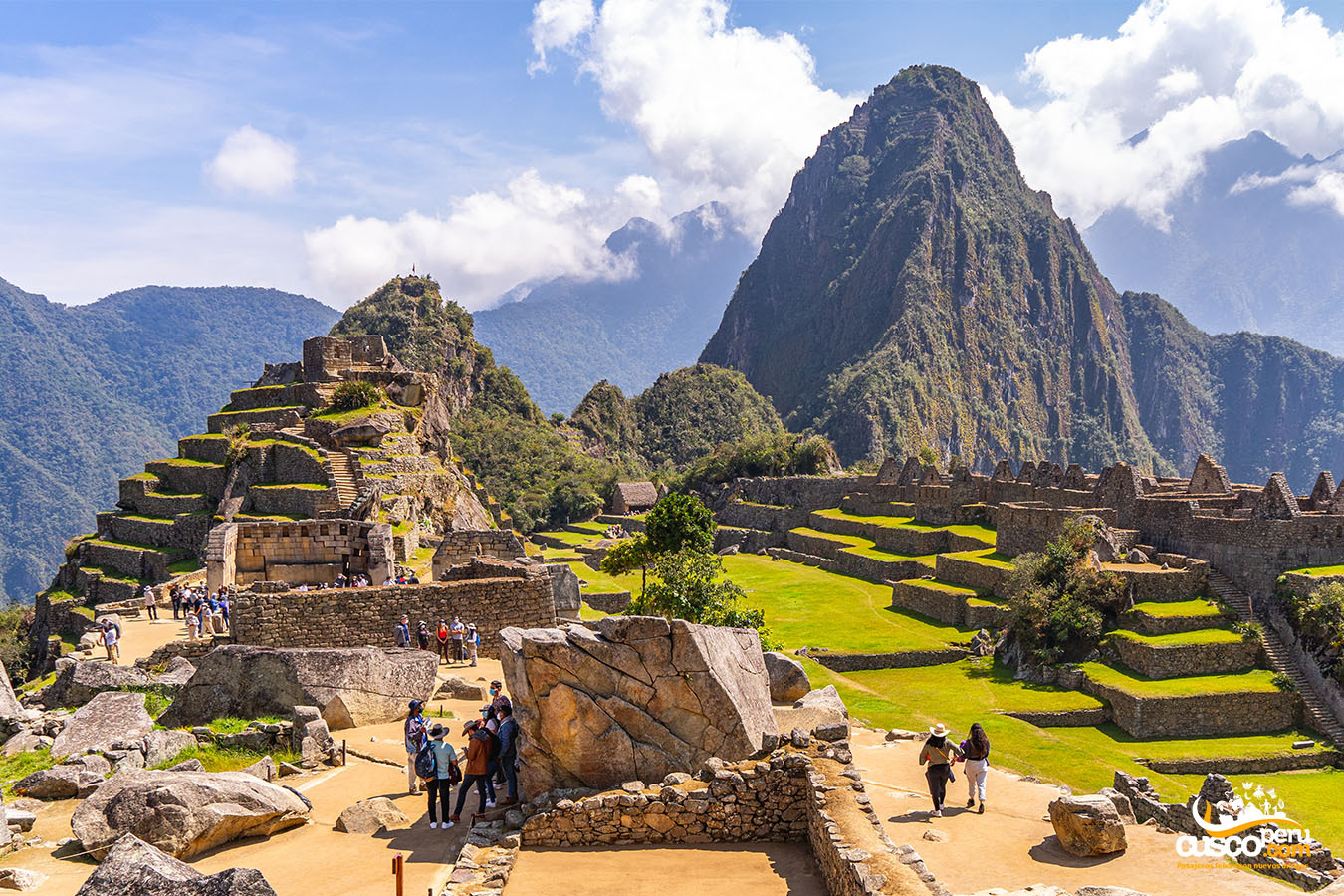
We were up before dawn (again), but every yawn was worth it. Being among the first to enter Machu Picchu felt like a gift. Almost empty, soft mist rolling in and a silence so thick it felt sacred. We explored every corner—the Temple of the Sun, the Temple of the Three Windows, and every stone that seemed to speak us.
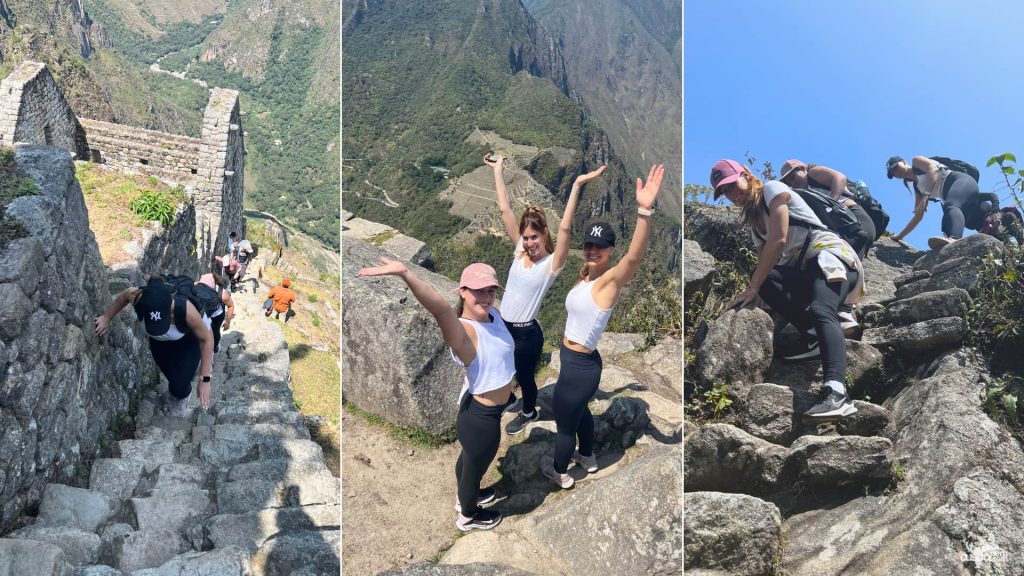
And then… Huayna Picchu. This is where it got wild. The climb is beautifully brutal—it takes everything you’ve got. Some parts are so steep the altitude literally knocks the wind outta you—and not just from the climb. But once you reach the top… girl, that view is from another world. You’ve got all of Machu Picchu laid out at your feet. Pure magic. No price tag can touch it.
Back in Aguas Calientes, legs shaking but hearts full, we couldn’t stop talking about everything we’d just lived. Each of us had our favorite moment, but we all agreed on one thing: it was unforgettable.
CuscoPeru.com absolutely crushed it—guide, logistics, warmth. Rómulo, our amazing guide, carved out a special spot in our hearts. If you’re thinking about doing this trip, don’t even hesitate. Do it. Live it. And if you can, make it the Inca Trail. There’s no better way to arrive at Machu Picchu.
Heads-up, fellow travelers!
No question—reaching Intipunku. That view is everything.
Wiñayhuayna and Huayna Picchu take the crown. One for the secret vibes, the other for the insane views.
Hell yes! Even if your body’s screaming, the reward makes it all worth it.
No doubt. We felt safe, seen, and supported—like they’d known us forever. Gracias totales for helping us live one of the greatest adventures of our lives.

The best time to visit Machu Picchu is usually during the dry season, from May to October, when there are more sunny days and a lower chance of rain—perfect for enjoying the views and taking photos. However, the rainy season also has its advantages: fewer people, greener landscapes and, in many cases, better prices. In the end, the choice depends on each traveler’s preferences.
Machu Picchu is located between the Andes mountain range and the edge of the cloud forest, and because of this location, the climate is divided into two very marked seasons: the dry season and the rainy season.
We can distinguish both seasons not only by the weather, but also by the number of visitors and how easy it is to find availability for entrance tickets, trains, accommodation and other services. In this guide, we give you all the information you need to choose the best time of year for your trip to Machu Picchu.
If your travel dates are still flexible and you want to compare itineraries with entrance tickets, trains, and guided visits included, explore our Machu Picchu tours before choosing the best month for your trip.
The climate in the Cusco region, where Machu Picchu is located, has two very defined seasons: the rainy season and the dry season. However, the weather in the Andes is unpredictable, so you can still get some rain even during the dry season.
Many travelers consider the dry season, from May to October, to be the best time to visit this Wonder of the World, since it’s less likely to rain. During these months, the weather is usually sunny and clear, ideal for taking amazing photos. However, from time to time it can still rain, even in the driest months.
In May, the high season begins, called this way because a larger number of tourists visit the Inca citadel. For this reason, it’s important to book your trip at least 2 months in advance.
May: It is considered the beginning of the dry season, as it generally has no rain, and it’s perfect for travelers who want clear skies and incredible sunrises.
Temperatures in this month range from about 28°C (82°F) during the day to 4°C (39°F) at night.
June, July and August are considered high season because they coincide with summer in the Northern Hemisphere, making Machu Picchu a perfect place for vacations. If you want to visit the Inca citadel during this time, we recommend booking at least three months in advance, as entrance tickets to Machu Picchu are in very high demand.
During these months, the weather is warm and dry during the day, and temperatures usually drop at night, often with some wind. The weather is still unpredictable, so it might rain on a couple of days during this period.
June: Known as the month of the Cusco Festivities. Throughout June there are different cultural events, and the most important one is Inti Raymi. Because of this, many tourists visit Machu Picchu, and trips for this date must be booked well in advance.
July: Also a high-season month due to Peru’s National Holidays. It’s one of the favorite months to hike the Inca Trail to Machu Picchu, so you should book this tour almost 3 months ahead to secure a spot for this unique experience.
August: Known as the month of the winds. It’s a completely dry month, which makes sunrises at Machu Picchu look totally clear. It’s also a very popular time for hikes to the Inca citadel.
During these months, temperatures usually range from about 29°C (84°F) during the day to 2°C (35°F) at night. The cold can be intense at night and early in the morning, so it’s recommended to bring warm clothing if you plan to do any kind of hike.
September and October are transition months, so there is a higher chance of rain on some days. However, the number of visitors usually drops, meaning you can often find tickets to enter Machu Picchu up to 1 month in advance.
September: Considered a month when the dry season still predominates, with a few rainy days. However, since it’s still winter in the Andes, temperatures feel cooler and the air a bit fresher.
October: A month with a higher probability of rain, as it is closer to the rainy season. Even so, there are many warm days with pleasant weather. For this reason, it is also one of the ideal high-season months to hike the Inca Trail, and you should book the tour about 3 months in advance.
Daytime temperatures in these months are around 22°C (72°F), while at night they can drop to about 4°C (39°F), with a higher chance of rain.

The rainy season runs from November to April and is characterized by days with frequent or even constant rain, although there are also days when the sky clears and the weather is sunny and fresh. During this time, the climate is cooler, but the landscape looks much greener thanks to the rain.
There are fewer travelers during these months, which makes this season ideal for those who prefer to avoid large crowds. In addition, because it’s considered low season, it’s easier to find deals on trips, flights, hotels and more.
In February, the Inca Trail to Machu Picchu is closed due to heavy rains and to allow maintenance work on the route.
In these months, the rains are heavier and more constant. Some days start with rain in the morning, and there can be drizzle or showers throughout the entire day.
January: This is the rainiest month of the whole season, so if you travel at this time, you should bring proper rain gear. Keep in mind that last-minute changes to your itinerary may occur due to road closures caused by landslides, train delays or, less commonly, postponed flights.
February: Has fewer rainy days than January, but showers can be more intense, which reduces the number of visitors to the Inca citadel. For this reason, many people consider it one of the least recommended months to visit Machu Picchu if you prioritize stable weather. However, if you travel well prepared for the rain, you can enjoy a quieter atmosphere and even get some clear days.
March: Brings more sunny days and a lower chance of rain during the day. It’s one of the most anticipated months for trekking lovers who want to hike the Inca Trail, since the vegetation is at its best after the rains, making the route especially beautiful and memorable.
During these months, temperatures range from about 21°C (70°F) during the day to 6°C (43°F) at night, with occasional showers even on sunny days.
In April, you can start to feel the shift toward the dry season: days are more stable, there is less rain and the landscape is still green from the previous months’ showers. Visitor numbers begin to increase, but it’s not yet peak high season, so you can still find a bit more availability for trains, hotels and entrance tickets if you book in advance.
April: Known for its pleasant weather and few rainy days, as it’s a transition month between the rainy season and the dry season. It’s an excellent option for travelers looking for a balance between nice weather, green landscapes and a moderate number of visitors.
Temperatures in this month range approximately from 28°C (82°F) during the day to 4°C (39°F) at night.
There may be weeks with light rain, which makes the weather feel pleasant. Visitor numbers are moderate, so it’s usually possible to find availability for entrance tickets or flights.
November: The month when the rainy season officially begins. Showers become more frequent, but not too intense, and you can enjoy landscapes that are starting to turn greener.
December: Rain becomes more frequent and heavier, but this doesn’t stop visitors from coming to the Inca citadel. During the last week of December, the number of tourists increases significantly due to the year-end holidays.
In these months, daytime temperatures can reach about 25°C (77°F), and nighttime temperatures can drop to around 5°C (41°F), with a mix of sunny days and intense rains.

Most travelers consider the best time to visit Machu Picchu to be the dry season, which runs from May to October. The downside is that this is high season, so it can be more difficult to find availability for hotels, flights, and entrance tickets to the Inca citadel.
On the other hand, the rainy season, from November to March, has fewer visitors, lower prices, and a higher chance of finding availability for Machu Picchu.
Whatever time of year you choose, you should be prepared for any changes in the weather, so here are some tips to help you plan your trip to Machu Picchu.
No matter the season, you should always bring:
When you arrive at the entrance to Machu Picchu, you will not be allowed to enter with:
The coldest month to visit Machu Picchu is June, as temperatures can drop to around 5°C (41°F) or even lower.
Yes, Machu Picchu is open every day of the year. If you want to visit the Inca city during the Christmas season, we recommend booking at least 3 months in advance, since it’s a special time of year and tickets usually sell out quickly.
The best time of day depends on the kind of experience you’re looking for. For example, if you want to see the sunrise over the Inca citadel, you can go at 6:00 a.m., right when the site opens. At that time there are fewer people, so you can also take your time for photos.
On the other hand, if what you want is a completely clear view of Machu Picchu, the 9:00 a.m. to 10:00 a.m. time slot is ideal, since by mid-morning the fog has usually lifted and the entire landscape is visible.
On a trip to Machu Picchu, children can learn about the ancient Inca civilization while exploring terraces, temples, and mysterious passageways. It’s like a historical theme park! However, be sure to teach them to respect and protect this heritage.
Visiting the lost city of the Incas, Machu Picchu, as a family is a truly enriching experience and completely possible. However, you should consider that there are no specific entertainment activities for children, and touring the citadel requires special care from parents.
As a historical monument, Machu Picchu has rules that must be followed. Learn about the Machu Picchu regulations here.
It will definitely be a trip to remember — we invite you to visit Machu Picchu!

Visiting Machu Picchu can be a magical experience for people of all ages, including families with children.
Although there is no mandatory minimum age to explore this wonderful citadel, we suggest it as an adventure for children over 6 or 7 years old, as the route can be somewhat tiring and, at times, challenging.
It is vital to prioritize children’s safety; make sure they do not wander off exploring the archaeological site on their own.
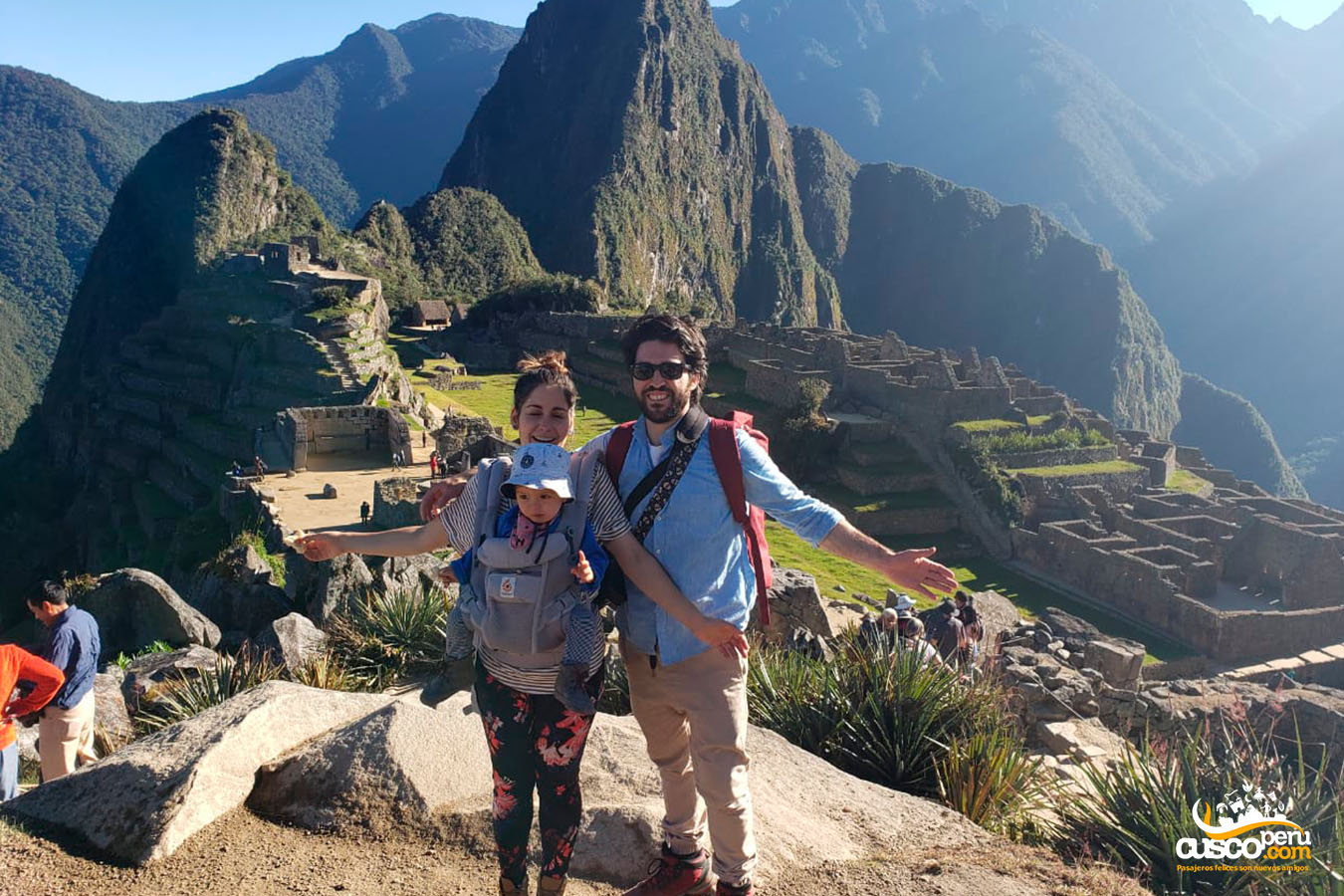
Besides the Inca citadel of Machu Picchu, there are also other nearby mountains to explore around this ancient wonder of the world.
The Machu Picchu Mountain is the most suitable alternative when traveling with children, as the ascent to this viewpoint, located near 3,000 m a.s.l., follows a relatively flat and accessible trail, away from cliffs, which children can hike without major risks.
You should know that Machu Picchu tickets are available for people of all ages, but some structures and experiences may be restricted for children.
If you want to book and buy a Machu Picchu ticket for children, follow these steps:
If you encounter any difficulties during the purchase process, please contact info@cuscoperu.com, and they will gladly assist you.
Please also consider the following:
Entrance to this Wonder of the World offers discounts so you can visit it with children:
Entry to the Historic Sanctuary of Machu Picchu for minors requires presenting a passport or National Identity Document (DNI for Peruvians).
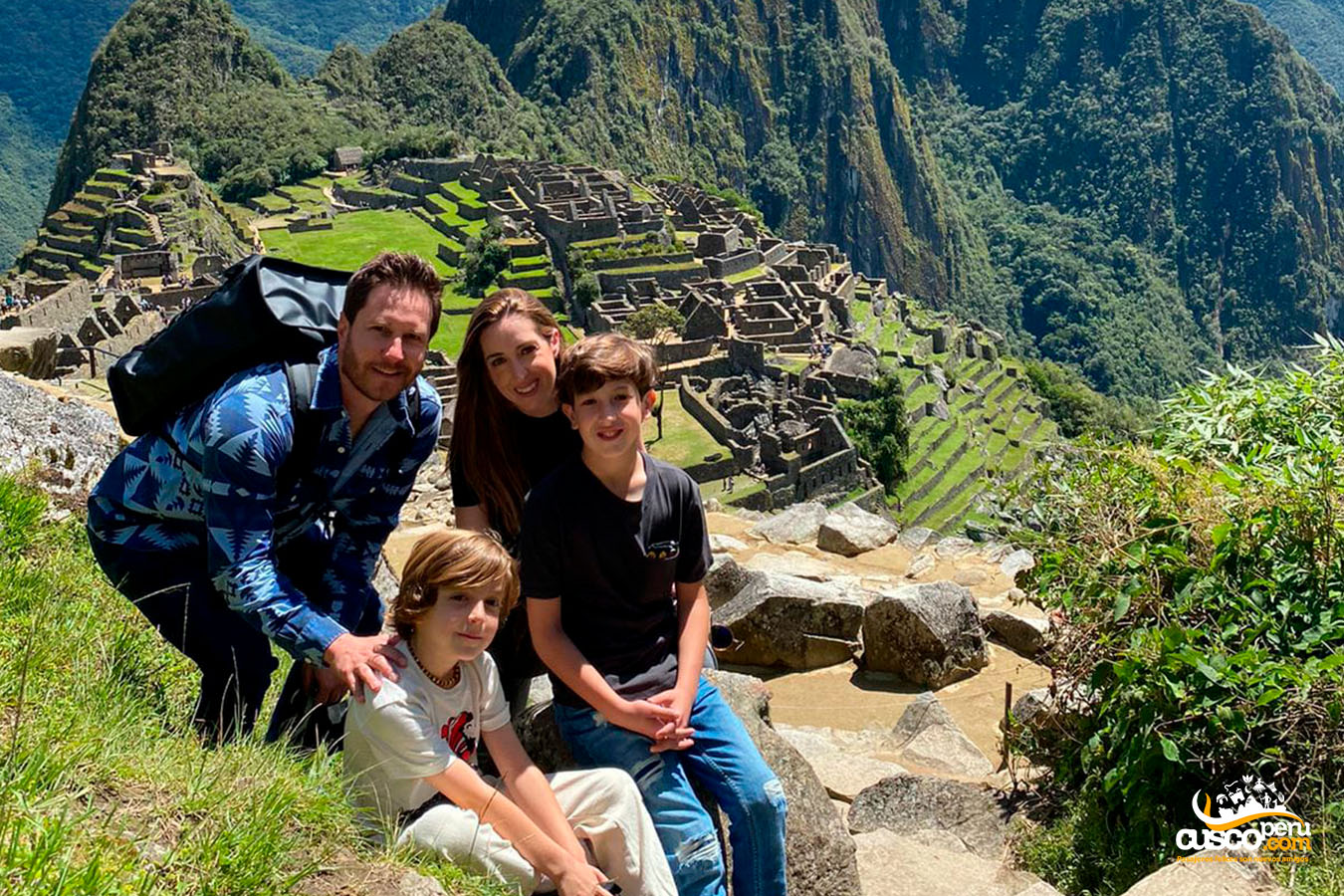
The journey to Machu Picchu is made up of several short segments that must be completed in order to reach the Lost City of the Incas. There are different ways to access the Inca citadel, which vary depending on the traveler’s budget and physical condition for walking.
If you prefer to simplify these logistics as a family, CuscoPeru.com Machu Picchu tours can help you choose a route with transportation, schedules, and guidance planned in advance.
The first alternative is the classic route, starting in the city of Cusco and traveling to the town of Ollantaytambo, which takes approximately 1.5 to 2 hours. In Ollantaytambo, you must board the train, which arrives in the town of Aguas Calientes in about 2 hours.
Train tickets for children offered by the two companies that provide this service (PeruRail and IncaRail) include an approximate discount of 40% to 50%, as long as the children are under 11 years old.
The final leg of this option consists of choosing between taking the bus from the town of Aguas Calientes up to the citadel, located at the top of a mountain (average 50% discount on children’s tickets), or hiking up on foot at no additional cost.
With this alternative, you travel by car to Santa Teresa, a journey of approximately 6 hours until reaching the town. Once there, you must take another vehicle to the so-called “Hydroelectric Station,” a segment that lasts about 30 minutes.
On the next stretch, you can choose between taking the tourist train to the town of Aguas Calientes or walking the route (a 2-hour hike along the train tracks through the subtropical jungle), and finally choosing between the Consetur bus or hiking up to the Inca citadel.
There is also the famous hike or trek known as the “Inca Trail” as an alternative way to reach Machu Picchu; however, this option is not recommended for children due to the high physical demand required by this route.
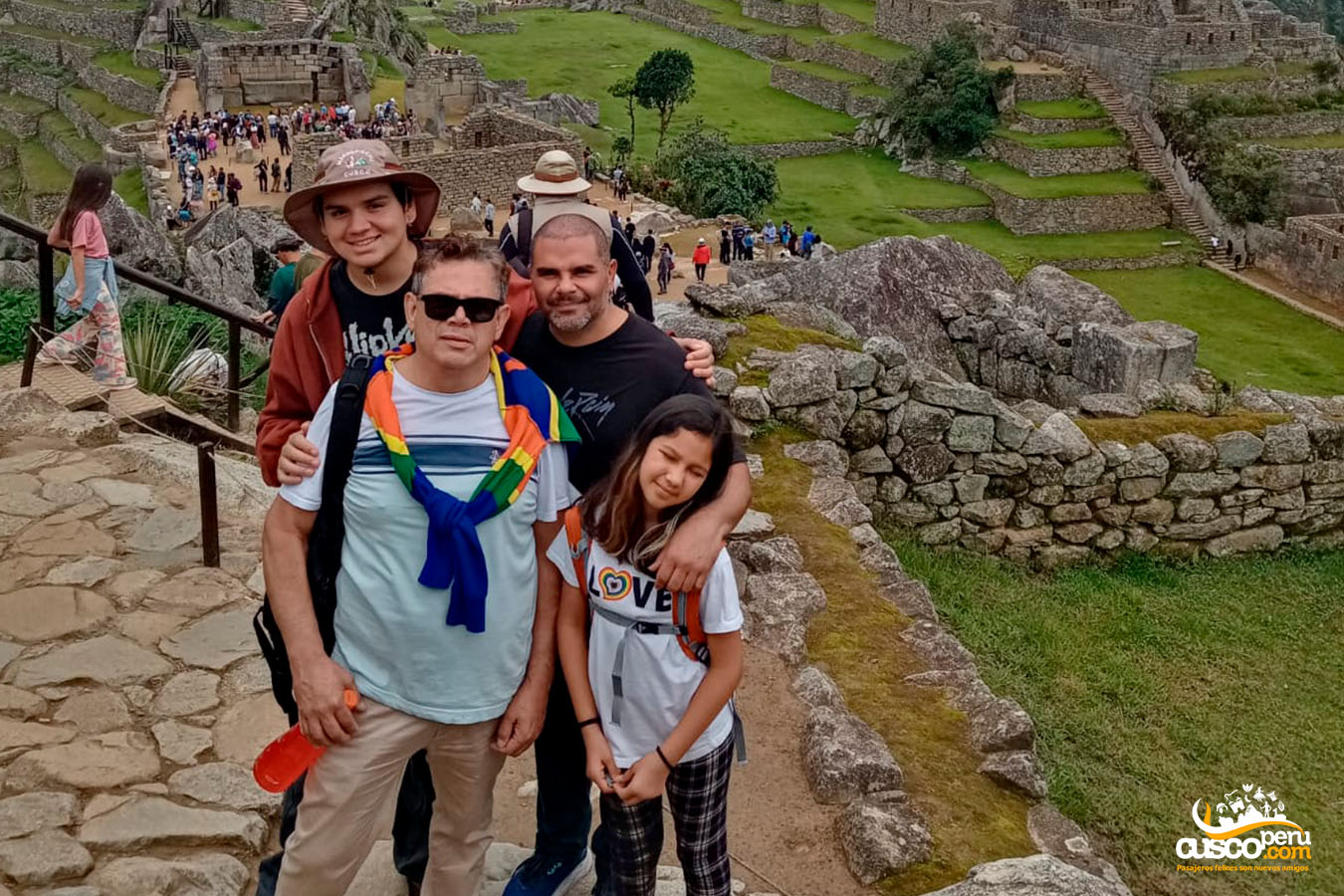
Always make sure before leaving the hotel that you carry: a wide-brimmed hat, insect repellent, rain protection, and sunscreen.
The climate at the Inca citadel is unpredictable, so it is recommended to dress children in layers. This allows you to adjust their clothing according to the weather and situation. Some suggested garments include:
In Cusco, there are many other places you can visit with children and enjoy pleasant moments. Some of these places include:
If you would like to explore these wonderful places comfortably and with specialized guidance, check out the City Tour that CuscoPeru.com offers, specially designed so you can enjoy a pleasant time with your family.

When traveling, the body may be exposed to changes in climate, altitude, diet, and daily habits that can affect its defenses and immune system; therefore, it is important to be protected against any eventuality.
For that reason, we would like to share some health and safety recommendations for your trip to Peru.
It is recommended that all travelers have adequate personal insurance. Make sure it covers any incident during your trip through Peru.
Many private clinics in Peru’s main cities accept international insurance, which makes it easier for travelers to receive medical care. In many cases, hospitals and clinics require cash payment; keep your receipts so you can later request reimbursement. If you plan to practice adventure sports such as rafting, motocross, paragliding, among others, ask whether your insurance covers those activities. Agencies operating in Peru will review the validity and coverage of your insurance policy. It is possible that you may be rejected if your policy does not meet the necessary criteria and requirements.
CuscoPeru.com recommends consulting your doctor before taking any tour or vacation.
Altitude sickness, or soroche, is caused by lower atmospheric pressure at high altitudes. As a result, the amount of oxygen carried in the blood is lower and, at the same time, the organs of the body receive less oxygen than usual; however, the symptoms of altitude sickness are natural and are usually temporary in many cases.
The main recommendations to counter altitude sickness are:
There are no mandatory vaccines; however, many should be administered in advance.
Peru has good sanitary conditions; however, it is advisable to be cautious about certain diseases in some areas. Although there are no mandatory vaccines required to enter Peru, some are recommended to avoid inconvenience:
The Inca Trail to Machu Picchu is one of the best trekking routes in Peru, covering about 43 km of the Qhapaq Ñan, an ancient route used by the Incas. Due to its popularity, many questions arise about what you need to know for this journey; here we will answer the most frequently asked questions.
If you are still comparing trekking options with a more classic visit to the citadel, you can also explore our Machu Picchu tours to choose the experience that best fits your travel style.
The Incas were among the first to make use of natural medicine in our geographic region. That is why we present natural remedies for altitude sickness.
The use of medicinal plants includes a wide variety of techniques and treatments that have been used over the years to cure and treat different illnesses that affect health.
The use of medicinal plants for altitude sickness is a viable solution, without the use of pharmaceuticals, to help counteract the symptoms of altitude sickness.
Better known as soroche, it is a condition that can affect some people who visit places located at high altitude, such as Machu Picchu, due to the decrease in oxygen in the air.
The most common symptoms of altitude sickness include:
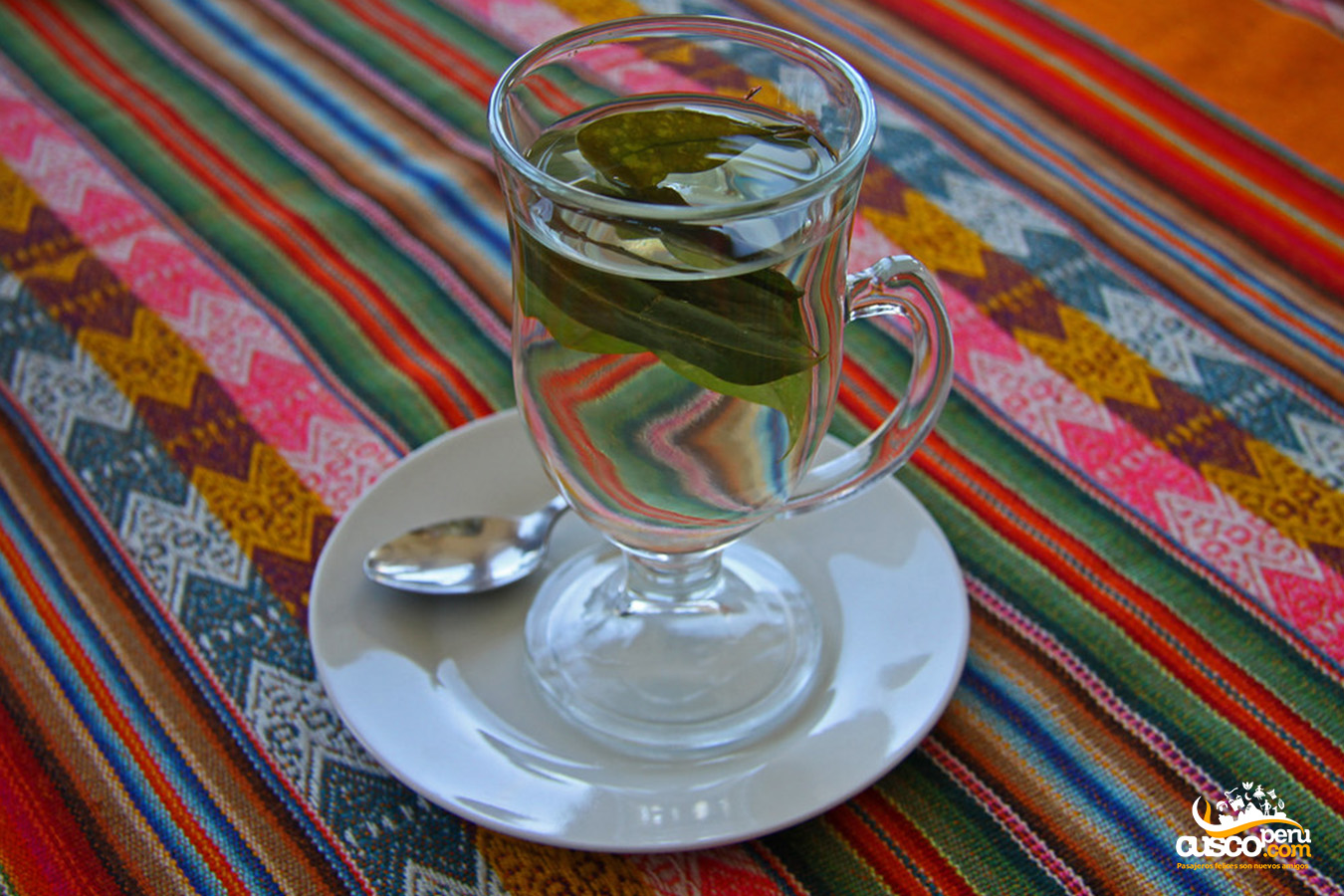
Coca, or Erythroxylon coca, is mostly used in infusions. It is a stimulant, analgesic, and blood pressure regulator, which stimulates blood oxygenation and reduces respiratory discomfort. It also works as a digestive aid, reducing nausea and stomach pain.

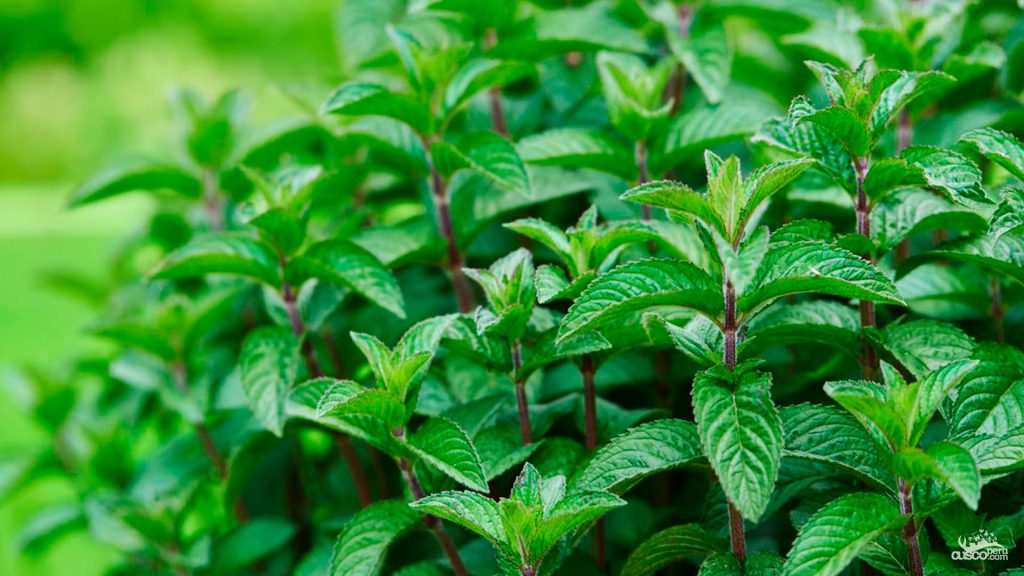
Muña, or Minthostachys mollis, is used in infusions. It has medicinal use for treating headaches, gastritis, and altitude sickness. It helps improve breathing and reduce fatigue and stomach discomfort. Like coca, it is a botanical species traditionally used in the medicine of Inca culture.

Prunus serotina subsp, being a tree that grows up to 20 meters tall, has three forms of use: the fruit is used as a cleansing agent, the leaves as a regulator of heart rhythm and for altitude sickness, and the bark as an antirheumatic. This plant is also used to relieve cough, bronchitis, and lack of oxygen.

Mentha piperita has a biochemical composition that mainly includes eugenol and rosmarinic acid, which are anticoagulants. These may improve blood circulation, but in minimal doses in the case of people with diabetes. It also helps fight dizziness and headache. Its use, like the plants described above, is mainly based on infusions.
Medicinal plants are usually the first option for altitude sickness; however, they often take time to work.
During the Tahuantinsuyo period, a road network of about 30,000 km was built to connect the entire territory. Within this immense chain of roads is the Inca Trail to Machu Picchu, a route that forms part of the Inca road network and leads to Machu Picchu.
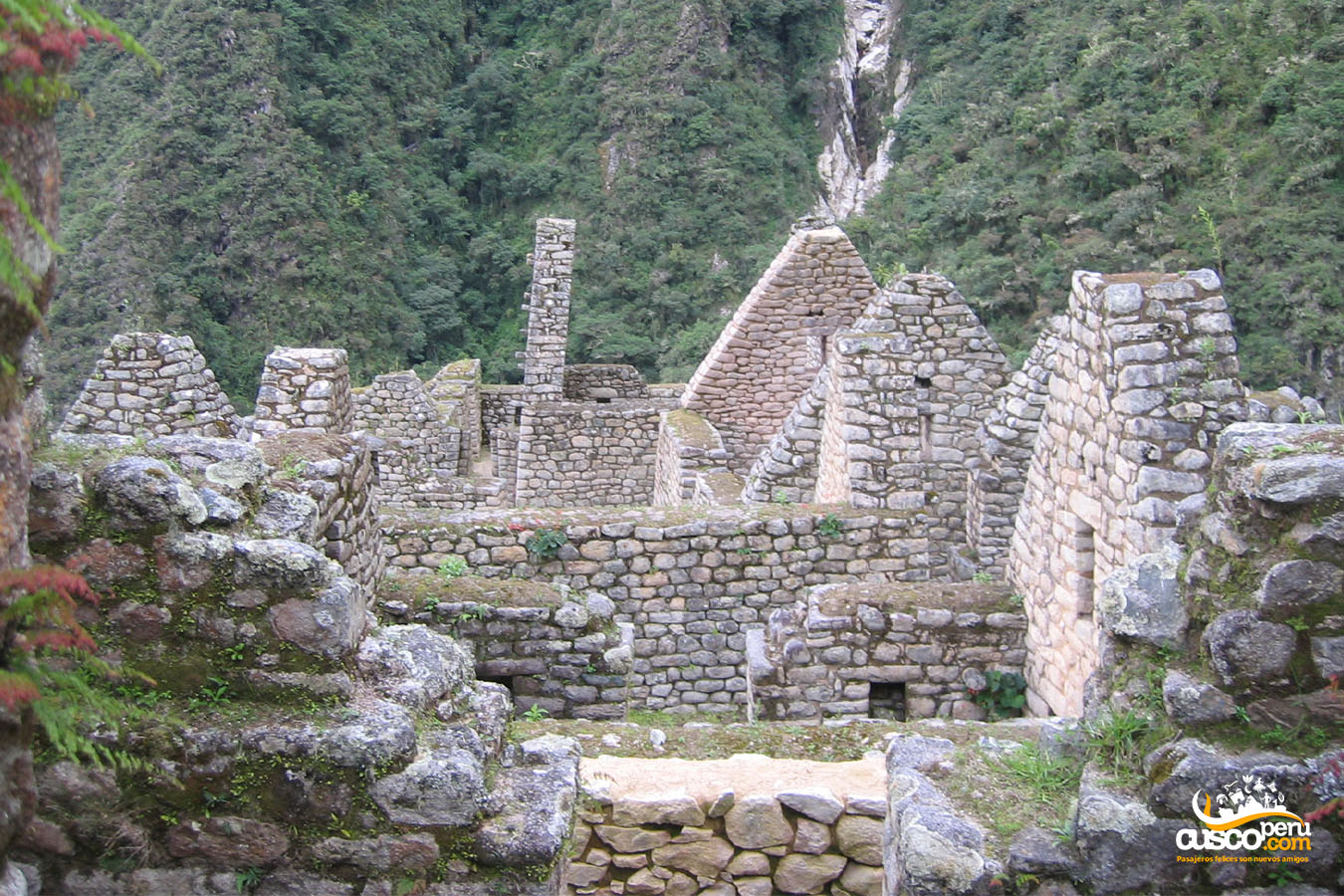
The Inca Trail is a stone pathway that winds through the valleys and mountains of the Andes. Along this route, there are many Inca constructions, such as observation towers located high in the mountains, small villages, agricultural terraces, and other archaeological complexes, all built with stone.
The Inca Trail to Machu Picchu is located in the Andes mountain range, at an altitude that ranges from 2,040 to 4,200 meters above sea level, with a length of more than 40 km from the starting point to the arrival at the citadel of Machu Picchu. Obtaining an entry permit for the Inca Trail is the first step to exploring this historic route.
Exploring the Inca Trail to Machu Picchu is a unique adventure that every traveler visiting Peru should experience. However, booking your place on this iconic route requires planning and anticipation. Here are five compelling reasons to secure your experience:
The Inca Trail is one of the most recognized trekking routes in the world. Along this trail, archaeological remains scattered throughout the route combine with breathtaking landscapes and unique flora and fauna, making this route one of the most sought-after travel destinations in the world.
Exploring Machu Picchu and other archaeological sites along the Inca Trail is a fascinating experience that no traveler should miss when visiting Peru. Some places can only be accessed through the Inca Trail.
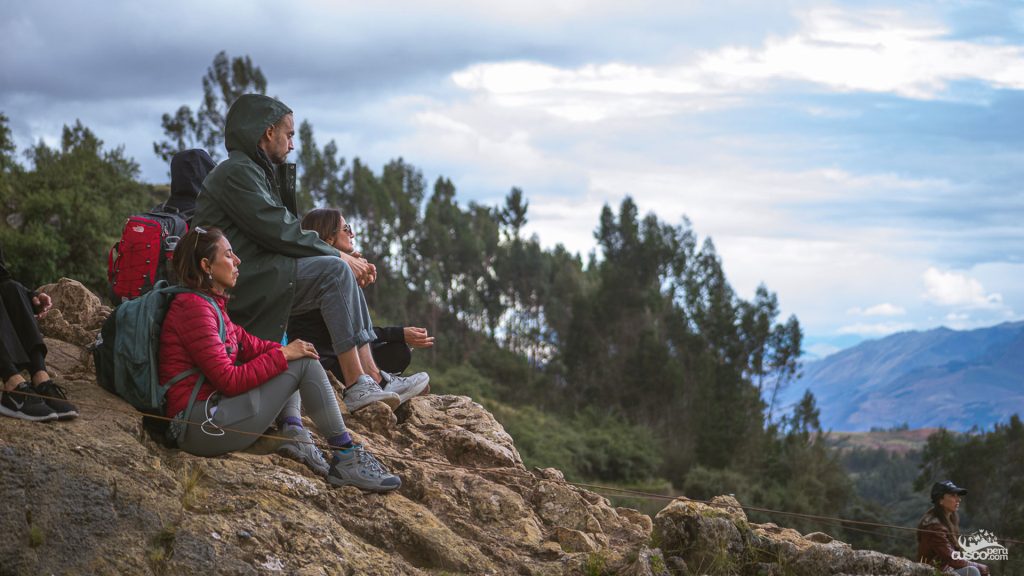
Imagine waking up one day in the middle of the mist-covered mountains of the Andes. The sun has just risen, revealing the silhouette of the peaks and casting its first rays of light over the landscape. You can also see many wild birds and other species beginning their day. No sounds of vehicles, no pollution. Just you and the other travelers, sharing the same excitement to explore and discover this beautiful route. Live this experience now and book your Inca Trail entry as soon as possible.
Exploring the Inca Trail to Machu Picchu not only immerses you in ancient history, but also connects you with Peru’s impressive natural beauty. Along the route, you will witness spectacular landscapes, from lush cloud forests to majestic snow-capped mountains. Rivers and waterfalls add a touch of freshness and vitality to the trail, while the abundant flora and fauna will surprise you at every step.
Stopping to contemplate the immensity of the Andes and feel the energy of the surroundings invites you to reflect and appreciate the greatness of nature. When walking the Inca Trail, you are not only on a journey to Machu Picchu, but also on a journey toward connection with the land and its incomparable beauty.
Taking on the Inca Trail to Machu Picchu is more than a trip; it is a personal challenge that invites you to overcome yourself. Walking along the same stone paths traveled by the ancient Incas centuries ago is a truly unique experience. The Inca Trail gives you the opportunity to immerse yourself in the history of the Inca civilization and connect with its legacy in a deep and meaningful way.
With each step, you will face steep slopes while crossing valleys and rivers, leading you to discover your inner strength and endurance. The altitude and changing weather add complexity to the challenge, but every obstacle overcome brings you closer to the final destination. At the end of the trail, the feeling of achievement and satisfaction upon reaching Machu Picchu is incomparable, leaving lasting memories and a deep sense of personal fulfillment.
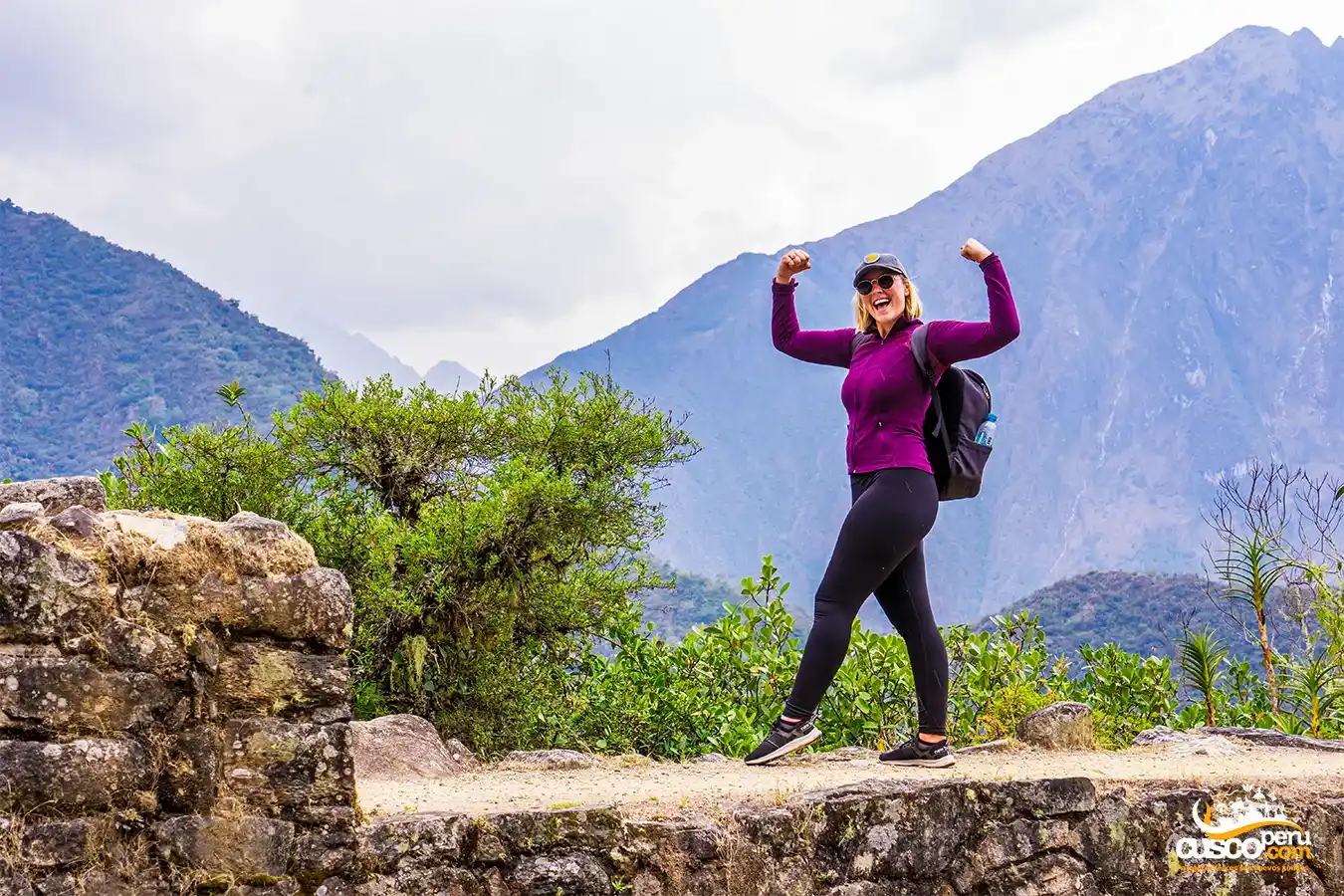
The duration of the Inca Trail depends on the version you choose. CuscoPeru.com offers Inca Trail tours to Machu Picchu so you can decide which one best suits your preferences:
| Tours | Duration | Difficulty |
|---|---|---|
| Short Inca Trail to Machu Picchu | 2 days and 1 night | Easy - intermediate |
| Classic Inca Trail to Machu Picchu | 4 days and 3 nights | Moderate - high |
Deciding which tour to take can be very difficult. Below, we present a comparison table to make this decision easier:
| Tour | Short 2-Day Inca Trail Tour to Machu Picchu | Classic 4-Day Inca Trail Tour to Machu Picchu |
|---|---|---|
| Distance | Approx. 12 km | Approx. 43 km |
| Difficulty | Easy - intermediate | Moderate - high |
| Maximum altitude | 2,690 m.a.s.l. | 4,200 m.a.s.l. |
| Minimum altitude | 2,141 m.a.s.l. | 2,160 m.a.s.l. |
| Hiking time | Approx. 6 h 20 min | Approx. 25 h 10 min |
| Price per person | USD 495 | USD 859 |
Remember that when visiting these archaeological sites, it is essential to respect conservation and preservation rules to ensure that future generations can also enjoy their beauty and historical importance.
The Inca Trail, as well as the citadel of Machu Picchu and other Inca archaeological remains, are under the responsibility of the Ministry of Culture of Peru, which determines the maximum number of visitors per day.
The classic route usually has a limit of 500 users per day, including visitors and support staff.
If you wish to book the Inca Trail for the months of June and July, you should do so at least nine months in advance, as this is the best season for the hike and coincides with the festivities of the city of Cusco.
In order to explore the Inca Trail, it is mandatory to hire a travel agency or tourism operator; doing the route on your own is not allowed. This cost varies depending on the level of comfort the traveler wants, the type of agency, and the extras included. It usually ranges between USD 500 and USD 800; however, booking in advance ensures you can obtain your Inca Trail entry without inconvenience.
If, for various reasons, you were unable to find an available permit for the Inca Trail but still wish to discover the Inca citadel through a hike or trek, you can choose one of the following alternatives:
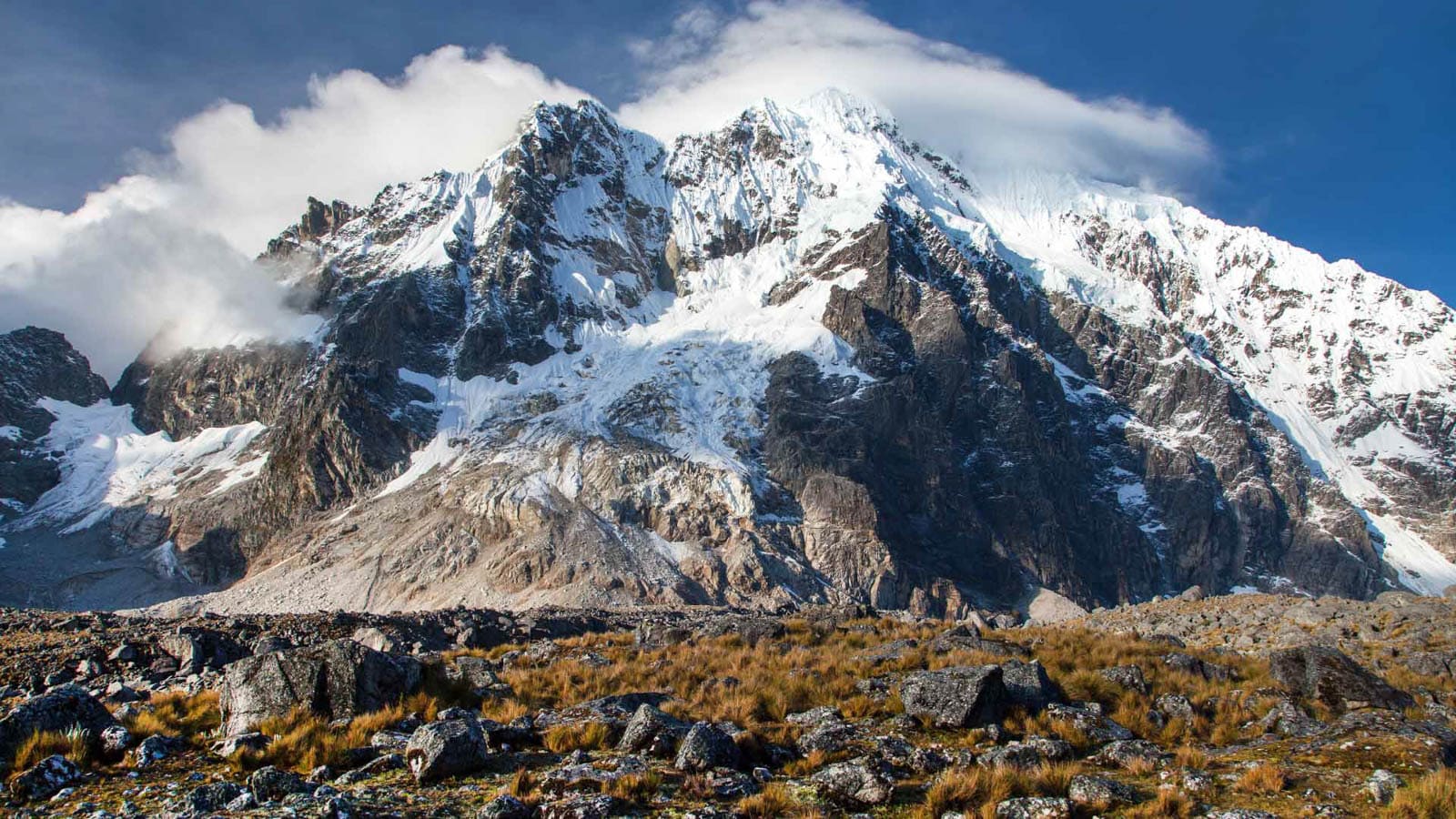
The Inca Roads are an extensive network of stone paths that cross six countries in South America and were partly developed and built by the Inca Empire more than 500 years ago. What were the functions of this road network? They were a vital part of the growth of what was known as the Tahuantinsuyo.
UNESCO considers these roads a World Cultural Heritage Site. For this reason, certain intact sections are protected and preserved for future generations.
The Inca Roads, or “Qhapaq Ñan,” are an extensive connection of Inca trails. Their purpose was to link the entire territory of the Tahuantinsuyo with the most important cities of the empire, such as the city of Cusco.
Initially, the Incas and earlier civilizations built this engineering work with more than 30,000 kilometers of roads, using stone as the main material. It is important to note that they did not know how to use the wheel during its construction.
The Qhapaq Ñan, or Inca Roads, were an important road network used to connect the Tahuantinsuyo. These roads crossed rugged territories, such as the Andes, linking the entire territory from north to south.
Although they were built to connect the entire population, some sections were reserved exclusively for Inca royalty, while others were intended for common people.
These roads allowed the rapid movement of Inca armies, messengers, and merchants. They were built during the expansionist period of the Incas, with the purpose of integrating and controlling newly incorporated territories and keeping them under authority.
The Inca roads are composed of two main or central routes, from which multiple branches and shorter paths extend. They connected cities as far north as Quito, in what is now Ecuador, to southern settlements such as Tucumán, in present-day Argentina.
The central point of this ancient road network was the city of Cusco. The Inca Empire was divided into four regions, or “suyos,” which were:
The elements that make up the Inca road network include stone-paved roads, stone bridges found throughout this extensive system of routes, and tambos. The road width ranges from one and a half meters to fifteen meters.
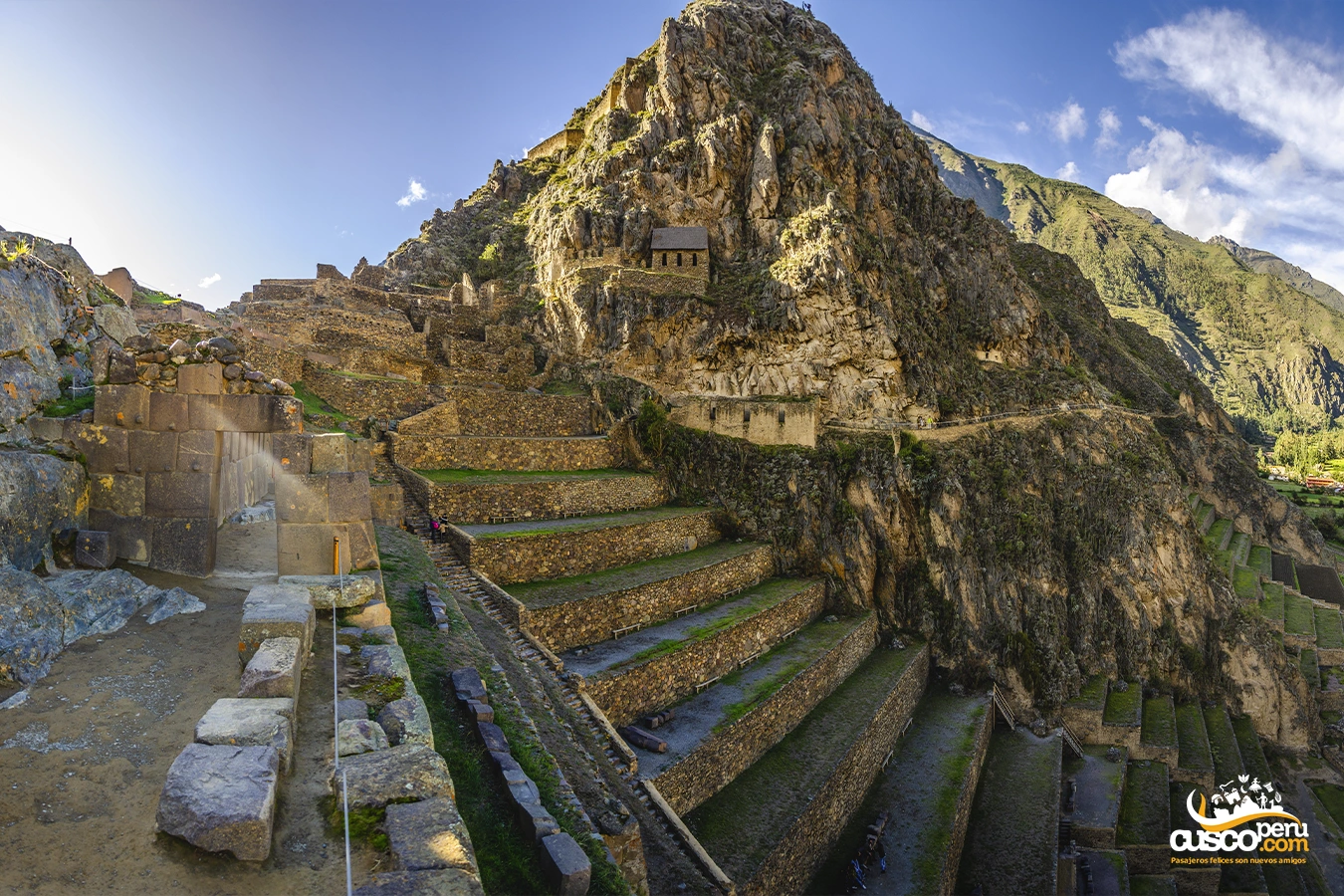
Researchers have wondered how structures such as Machu Picchu remain standing in difficult conditions. The same question applies to the Inca road network. Recent studies have used modern engineering techniques, as well as state-of-the-art equipment, to discover the reason behind this mystery, reaching several conclusions:
More than 1,300 years ago, civilizations such as the Tiwanaku and Wari built the oldest sections of this ancestral road network. This network, also known by the Quechua name “Qhapaq Ñan,” means main road. The main objective when building these roads was to connect different geographic regions, since many important cities were located high in the Andes mountains, making access difficult.
Many stretches or sections of this route were built to connect ceremonial worship centers with mountains or Apus, as is the case of the road between the citadel of Pachacamac, located near the sea, and the immense Pariacaca snow-capped mountain, which rises more than 5,700 meters above sea level.
After the conquest, several sections were used by the Spanish to travel through the Andean territory.
The world-famous Inca Trail to Machu Picchu, approximately 40 kilometers long, ends at the Inca citadel and is only one part of the extensive Inca Road network.
The Inca Trail was a crucial route within the Qhapaq Ñan, connecting the imperial city of Cusco with the Inca citadel of Machu Picchu. This route is one of the best-known historical access routes to the Inca citadel and also facilitated trade, communication, and army mobilization.
For tourists visiting Peru, walking the Inca Trail to Machu Picchu is an experience that allows them to get closer to Andean history and landscapes while connecting with the country’s history and culture. Along the route, visitors can explore ancient archaeological sites and enjoy breathtaking natural scenery.
However, it is important to keep in mind that the Inca Trail is a protected route subject to strict regulations. Travelers interested in doing this hike must book in advance and follow the established guidelines.
The coca leaf was an important part of Inca culture; however, not all inhabitants were allowed to consume it. Its use was reserved for the Inca royalty, who also controlled its production and consumption.
This plant is sold in the city of Cusco and other cities in the region. It can be found as plain coca leaves, or in infusions, extracts, candies, chocolates, and even alcoholic beverages.
Its scientific name is Erythroxylum coca. It is a medium-sized shrub that usually grows in climates and altitudes ranging from 800 to 2,500 meters above sea level.
It also requires special care and attention, since it can produce up to four harvests per year, which amounts to as much as 1,200 kilograms per hectare, and the average lifespan of the shrub is estimated to be 60 years.
Its area of origin is located in the eastern Andes of Peru and Bolivia, although it can also be found in Colombia, Brazil, and Ecuador.
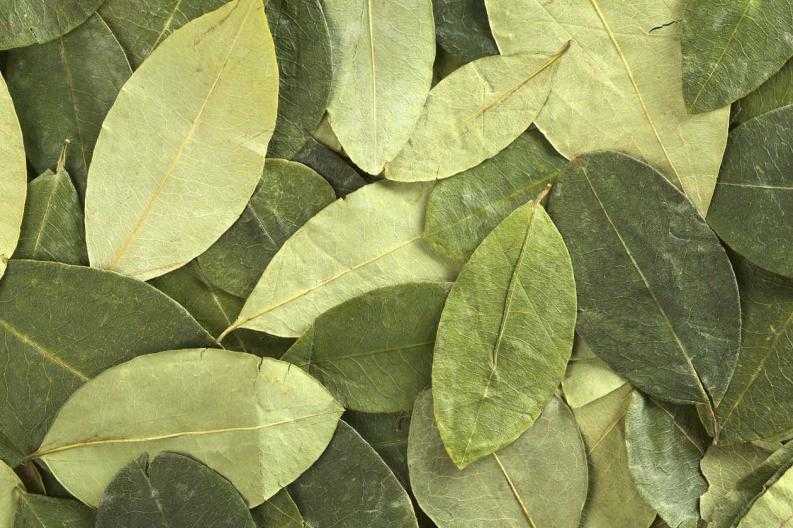
It naturally contains the following alkaloids:
In addition to containing all the alkaloids mentioned above, it also has vitamins B1, B2, C, iron, calcium, and protein.
Its consumption by farmers has been a custom dating back to Inca times and can still be seen today. It was used by the amautas, or Inca wise men, to try to predict the future by reading the leaves in search of signs or omens of what was about to happen.
During Inca times, tribute was paid to Mother Earth, or Pachamama, at the beginning of the rainy season through a ritual known as “payment to the earth.” This ritual consisted of digging a hole in the ground and placing various products and offerings inside it, including coca leaves, to ensure a good harvest and a good year.
In the Andean world, there was a social gathering known as “hallpay,” in which community members gathered around a table full of coca leaves. The purpose of this gathering was to consecrate the union between man and the spiritual beings of the Andes, in addition to strengthening identity, customs, and social bonds.
Another common custom was exchanging coca leaves for other products such as meat, potatoes, broad beans, and vegetables; in other words, coca leaves also played an important role in the Inca economy.
The Incas had a mail system throughout their territory, and those in charge of carrying messages were known as “chaskis.” They were young men with athletic builds who traveled the empire on foot. This group made greater use of the plant, since its consumption allowed them to carry out their work and travel long distances with less fatigue.
In Inca times it was consumed for various benefits, and today it continues to be an essential part of Peru, being used to relieve altitude sickness, known as soroche. Although there is no scientific evidence confirming this solution, it was an ancestral Inca remedy that is still used today by many travelers, and it can be chewed or drunk as a tea (coca tea).
In different parts of the Cusco region, it is still chewed in its natural form by farmers, helping them maintain their energy and endure their working hours under difficult conditions.
It can also be found in spiritual ceremonies. Well-known Andean shamans and healers use it to make offerings to the earth and to ask for protection, fertility, and abundance. It is also present in Cusco’s most important festival, Inti Raymi.
It contains various properties with pharmacological effects, acting as a mild stimulant to combat ailments such as pain, thirst, hunger, and altitude sickness.
This plant is native to the Amazonian Andes, where it is used in infusions and has religious importance, since it has been used in ceremonies and rituals since Inca times.
They used it in religious rituals and as an offering to the gods because it was considered sacred.
The coca leaf has many benefits, as it contains a wide variety of vitamins as well as alkaloids, each with different properties. However, one of its main qualities is that it gives the consumer energy, making them capable of carrying out activities without feeling tired.
It produces an increase in energy, helping the body adapt to altitude. However, there is no scientific evidence to support this solution, making this remedy an ancient tradition.
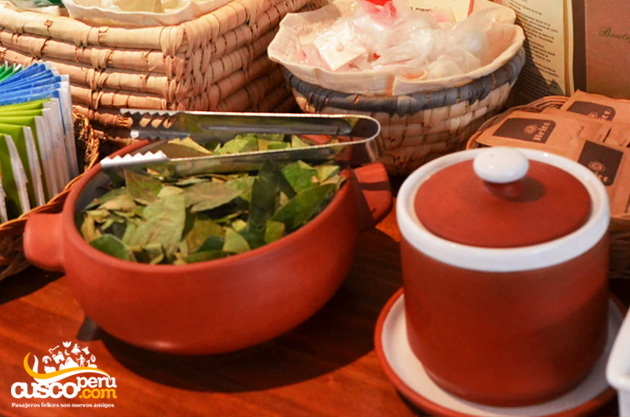
Preparing coca tea is simple: you just place about 6 to 7 leaves in a cup of boiling water and let it steep. We recommend drinking it while it is still hot so that the effect is stronger.
Its main uses were in religious ceremonies and for predicting the future. It was also part of the Inca economy, since it was used as barter to exchange products with other peoples.
Although it is a plant whose main growth is found in Peru, it can also be found in countries such as Bolivia, Ecuador, and Colombia.
Throughout history, humanity has driven the exploration of distant territories, revealing ancestral landscapes and cultures. Although much of the planet has already been mapped, every year thousands of travelers seek new routes that connect them with nature and with themselves.
Below, we share a comparative guide to outstanding trekking routes, including the Inca Trail to Machu Picchu, analyzing their attractions, difficulty level, climate, and overall experience.
Location:
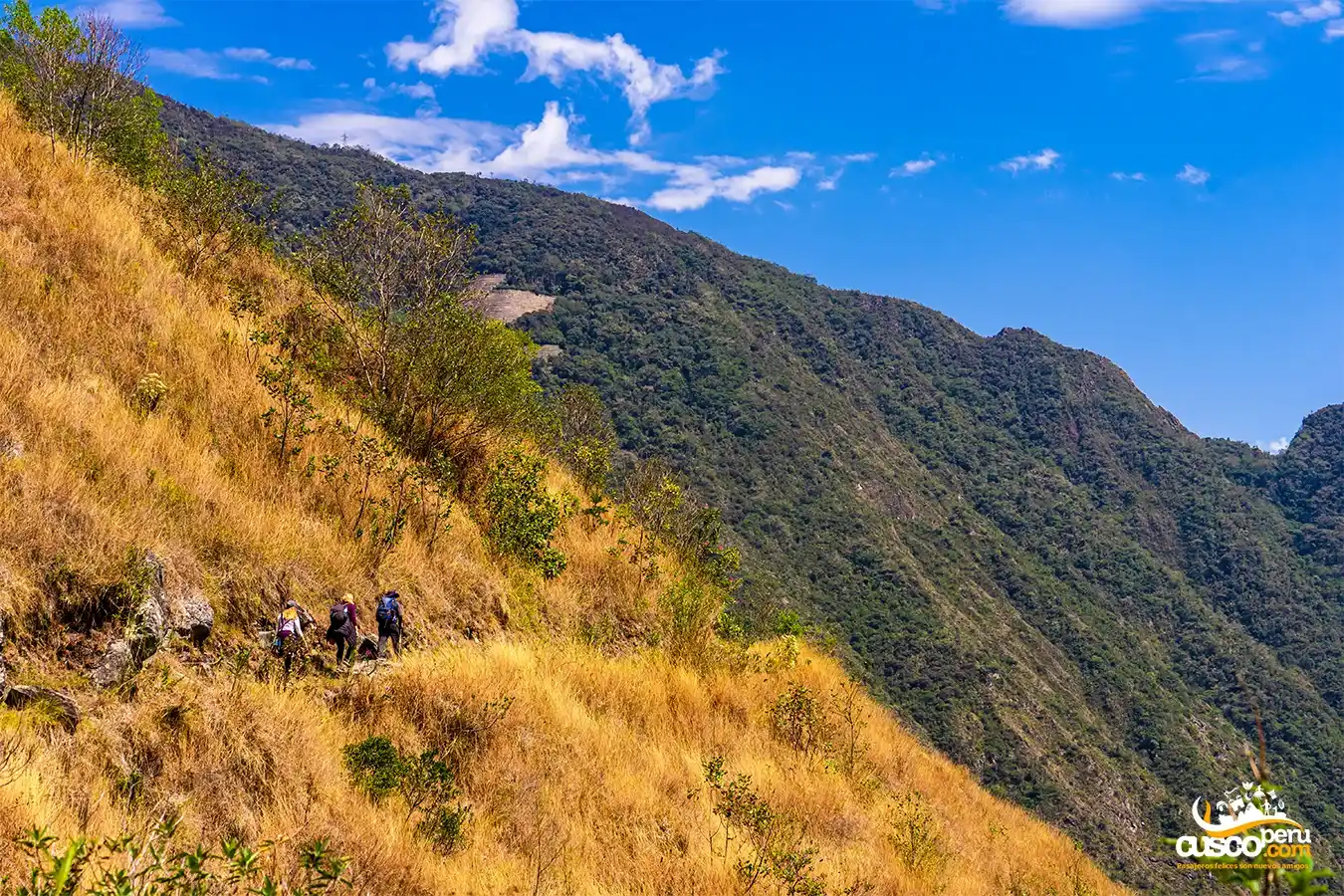
The Inca Trail to Machu Picchu is located in the Cusco region, in southeastern Peru, in the heart of the Andes mountain range. This route is part of the extensive Inca road system known as the Qhapaq Ñan, a communication network that covers more than 30,000 kilometers.
The hike begins at kilometer 82 of the railway line between Ollantaytambo and Aguas Calientes, and ends at the impressive Inca citadel of Machu Picchu after four days of trekking along this Inca route.
Note: during the month of February, the Inca Trail remains closed for trail maintenance and conservation.
Attractions:
Machu Picchu, located in the Historic Sanctuary of the same name, is a natural reserve of more than 35,000 hectares. This environment is home to great biodiversity, including species such as orchids, birds, spectacled bears, and Andean foxes.
Throughout the hike, numerous Inca archaeological remains can also be discovered: watchtowers, villages, agricultural terraces, water channels, stairways, and stone-paved paths.
Difficulty Level:
It is considered a hike of intermediate difficulty. The greatest physical challenge comes when crossing high mountain passes, especially Abra Warmiwañuska or the "Dead Woman’s Pass," located at more than 4,200 m.a.s.l. However, many travelers can complete this route with proper acclimatization and physical preparation.
Climate:
During the day, the weather is usually mild and mostly sunny. However, from November to March, the rainy season takes place, so it is likely to experience one or two days of rain along the route, even during the camping nights.
Location:
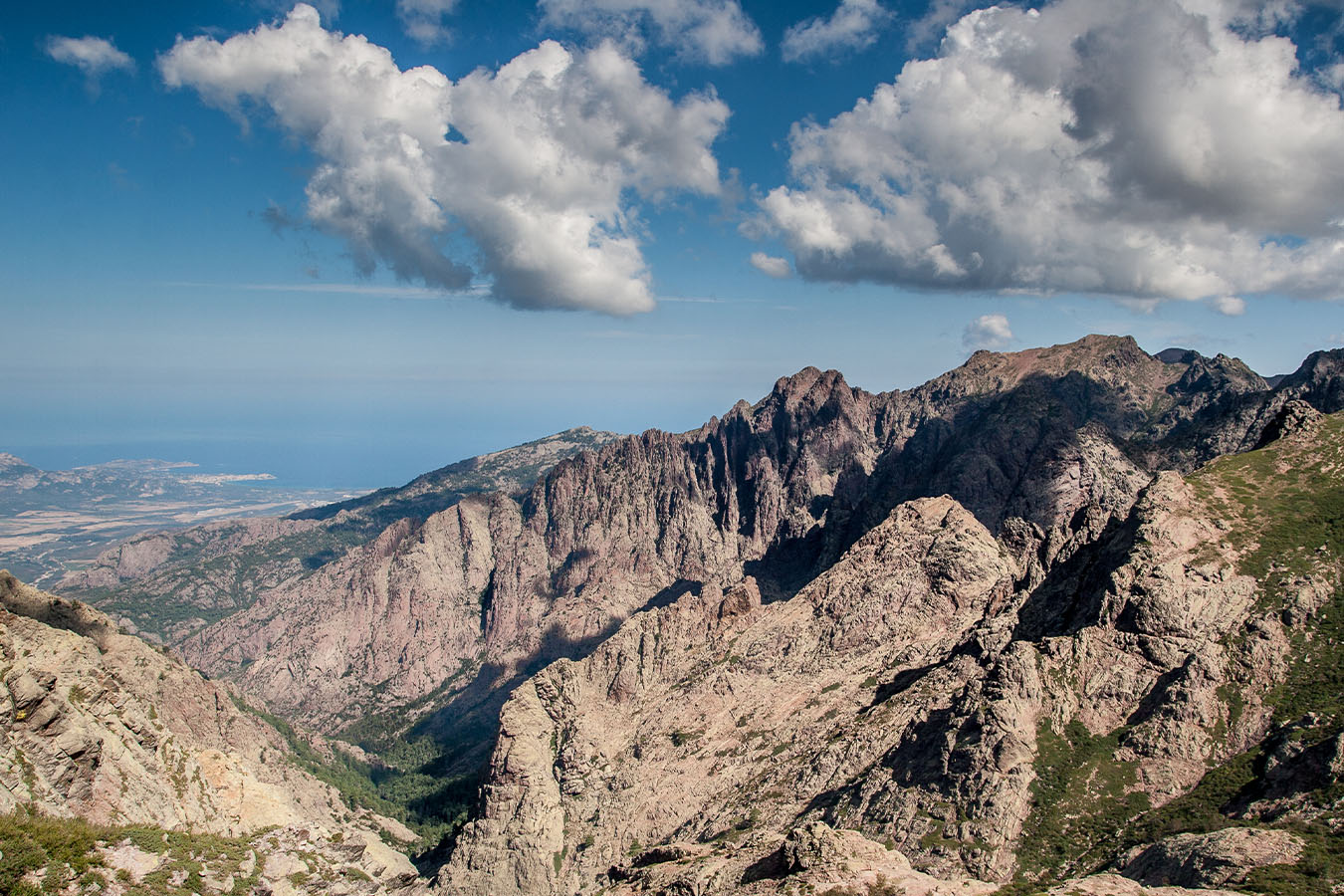
The GR20 is a classic 16-day crossing that runs across the island of Corsica, in France, from north to south. This French island, located in the Mediterranean Sea, offers a route divided into 16 stages, although some hikers choose to complete it in fewer days, depending on their goals, experience, and pace.
Attractions:
Mountains, steep valleys, crystal-clear lakes, and panoramic views characterize this route.
Difficulty level:
High. Its rugged terrain and steep climbs make it a route for experienced hikers.
Climate:
Hot and humid on the coast, colder and rainier in the mountainous interior. Even in summer, there may be snow on the peaks.
Location:
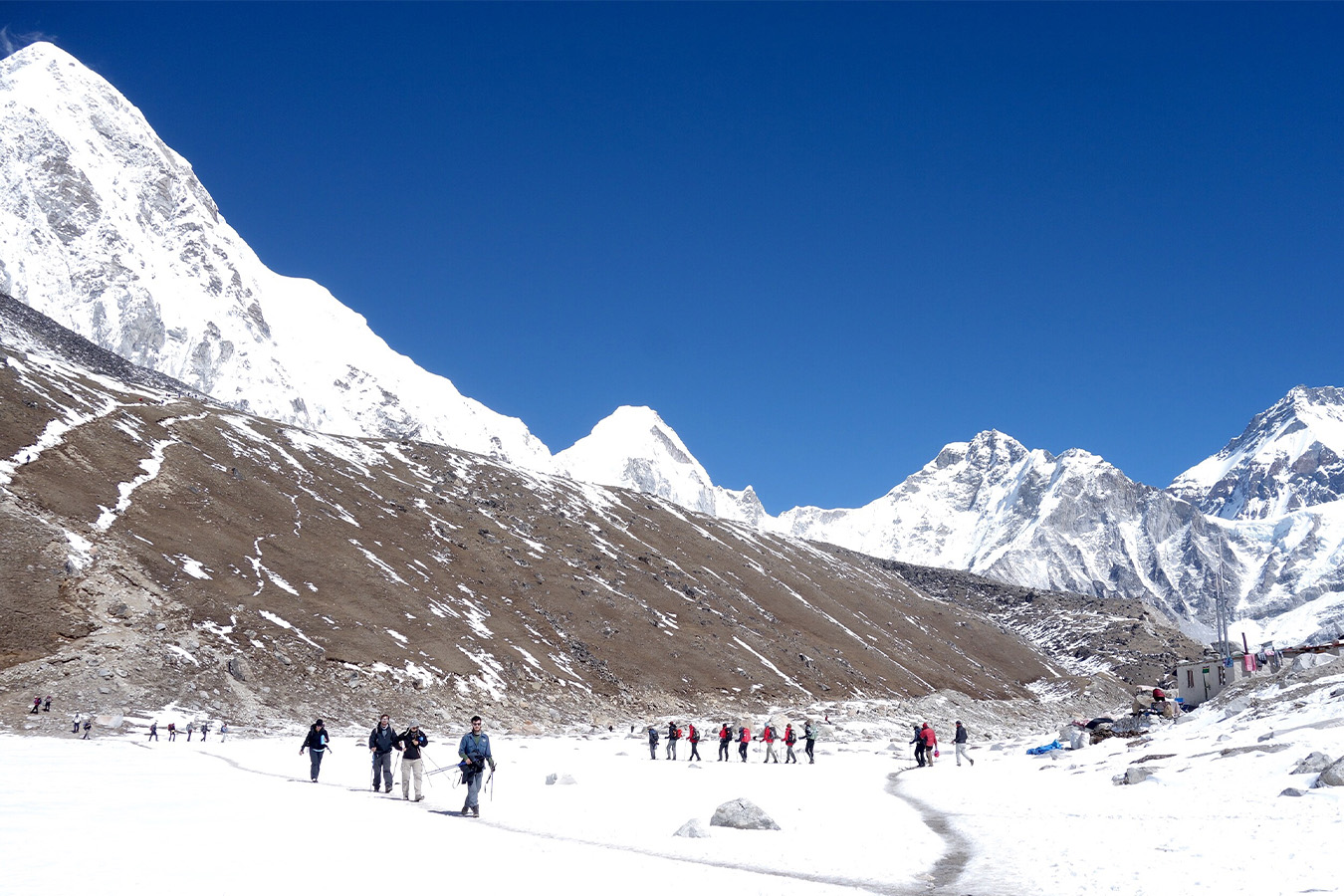
Located on the border between China and Nepal, Mount Everest offers two access points to its base camp: the south, from Lukla (Nepal), and the north, from Tibet (China). The most popular hike is to the south base camp, at 5,364 m.a.s.l.
Attractions:
Sagarmatha National Park, in Nepal, is home to some of the highest mountains in the world, including Mount Everest.
Difficulty Level:
Intermediate. Hikers walk 4 to 8 hours per day for approximately 13 days, plus 1 or 2 days of acclimatization. Altitude sickness is the greatest challenge.
Climate:
Very changeable. The best months are from March to May and from September to November, avoiding the rainy season.
Location:
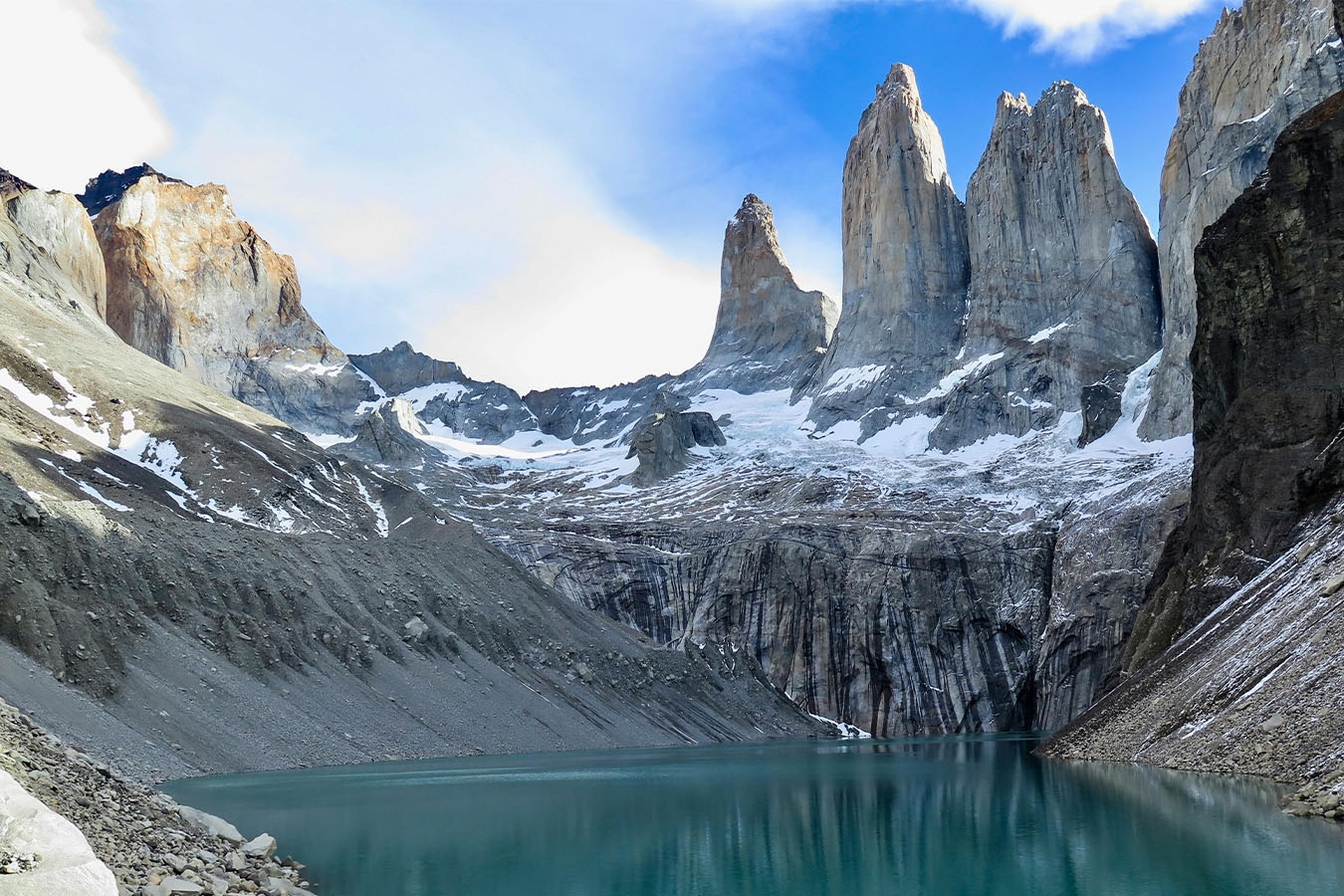
In the Magallanes and Chilean Antarctica region, in southern Chile, lies Torres del Paine National Park, in the heart of Patagonia. It covers an area of 181,414 hectares.
Attractions:
Glaciers such as Grey, turquoise lakes, colorful valleys, and the iconic Paine Massif, with millenary granite formations.
Difficulty Level:
Its difficulty is moderate to high. You should keep in mind that it features several steep ascents and descents, with a cumulative elevation gain of approximately 3,000 meters.
Climate:
From December to March, it is high season with good weather; in winter, by contrast, there is snow and extreme cold.
Location:
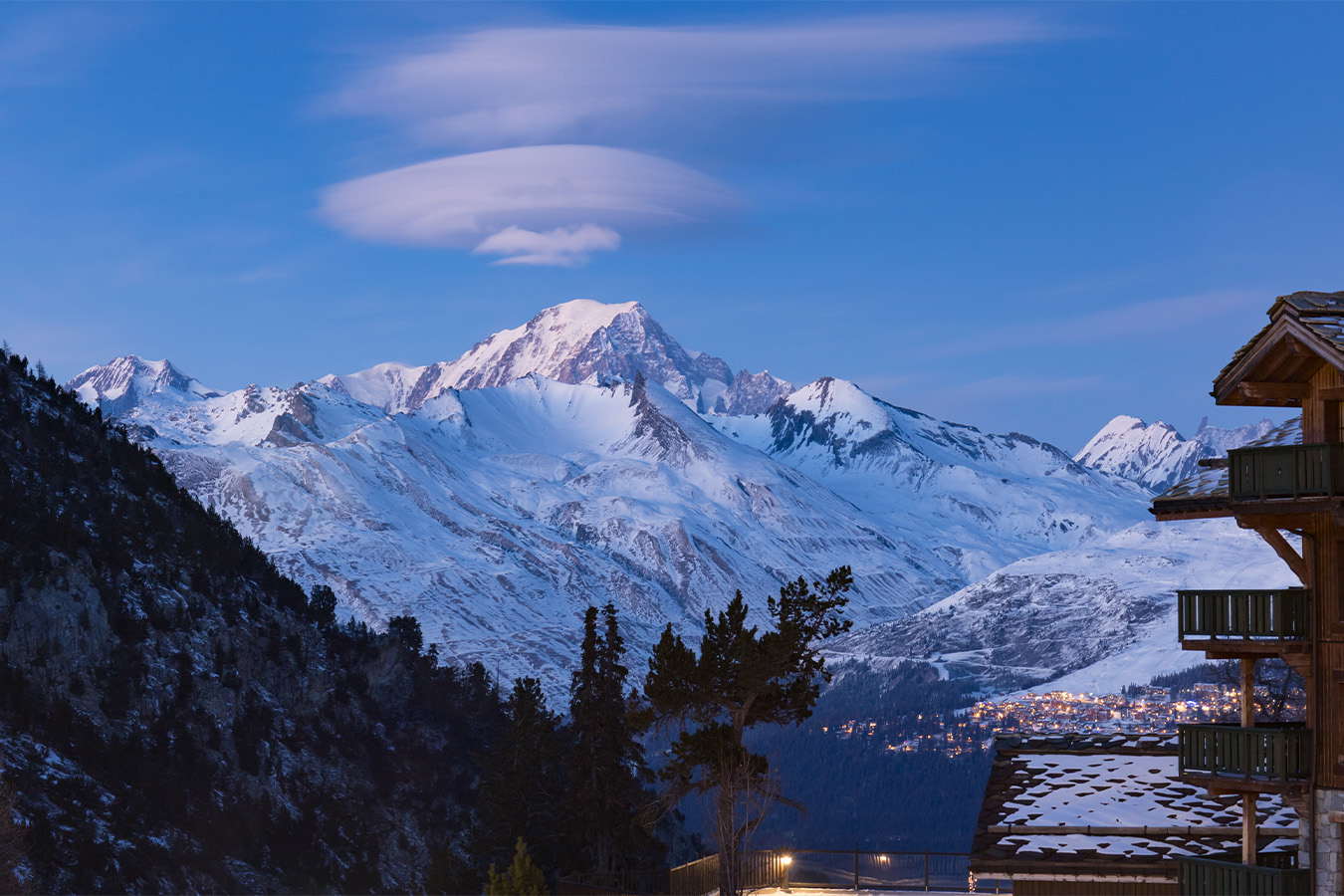
Mont Blanc (Monte Bianco) is located in the Alps, on the border between France, Italy, and Switzerland. Its summit stands between 4,805 and 4,810 m.a.s.l., although its border delimitation is disputed.
Attractions:
Crossing the European Alps offers views of alpine valleys, picturesque villages, and the gastronomy of three countries.
Difficulty Level:
Intermediate, with tourist infrastructure support that allows hikers to lighten the weight of their backpacks and rest in comfortable refuges.
Climate:
From July to September is the best time. Out of season, the weather is cold and many routes and accommodations remain closed.

Happy passengers