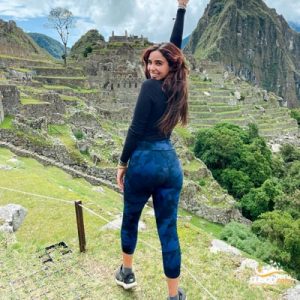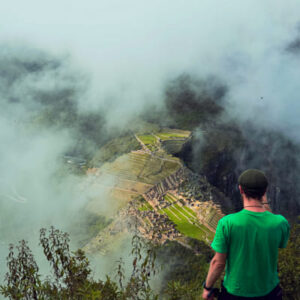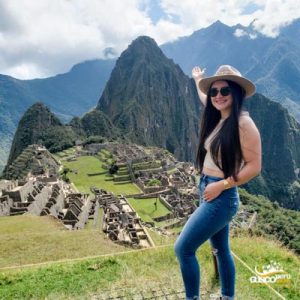
Visiting Machu Picchu at a mature age is a different kind of experience. That is why, here, we will recommend what you need for your trip, how to deal with altitude sickness, and which places you can visit in the town of Aguas Calientes, so you can relax and enjoy every part of your journey.
The journey begins long before boarding the train or bus. It begins with a decision: giving yourself an experience that is both physical and emotional. For those coming from cities at sea level, the change in altitude is an important factor. Cusco is located at approximately 3,400 meters above sea level.
Sleeping well in the days before your trip, avoiding heavy meals, alcohol, cigarettes, and staying constantly hydrated are all part of taking care of yourself. Some travelers choose to take Sorojchi Pills one hour before landing in Cusco, always after consulting a doctor, as a preventive measure against altitude sickness.
Cusco altitude: between 3,399 and 3,400 meters above sea level.
Suggested average acclimatization time: 24 to 48 hours.
Recommended prevention: Sorojchi Pills or coca tea (consult a doctor).
Avoid: alcohol, tobacco, and high-fat meals.
When the plane touches down in Cusco, a gentle transition begins. The air feels lighter, but also clearer. A transfer welcomes you calmly, like someone accompanying you home. There is no rushing, no loud voices, no urgency. Everything is arranged for rest.
The hotel is more than accommodation: it is a place to adapt. That first day is only for acclimatization. Drinking water, having a cup of coca tea, eating something warm, looking out the window, and listening to the city without needing to explore it. The body, wise as it is, asks for a pause, and we give it one.
Check-in: at a centrally located hotel or in the Sacred Valley (an option with lower altitude).
Recommended diet: light, easy-to-digest meals rich in carbohydrates, such as purées, cereals, and soft fruits.
Suggested hydration: at least 2 liters of fluids per day.
The second morning begins with a promise: the journey to Machu Picchu starts by train, and there are different train services that can be adjusted to your comfort. For travelers who prefer a calm, well-organized experience, our Machu Picchu tour packages can include transfers, train options, guided visits, and a pace adapted to your needs.
Approximate travel time: about 3 h 30 min (from Cusco via Ollantaytambo).
Altitude of Aguas Calientes: 2,040 meters above sea level.
Suggested physical activity: light strolls and walks without slopes.
Recommended rest: hotel nap and constant hydration.
The next morning, the world wakes up differently. The ascent to Machu Picchu is done by bus, and from the window, the jungle appears between the turns. The guide walks at your pace, speaks softly, and explains everything throughout the tour.
Once inside the sanctuary, the experience feels more intimate than monumental. There are places to sit, breathe, and watch the mist rise and disappear.
Altitude of Machu Picchu: 2,430 meters above sea level.
Type of terrain: subtropical Andean terrain, with uneven and humid sections.
Weather: mild and humid, with frequent changes.
Bus ascent: approximately 25 to 30 minutes from Aguas Calientes.
Average visit duration: around 2 h 30 min (with frequent breaks).
Difficulty: low to moderate, depending on the chosen route (bridges, stairways).
Rest areas: available at strategic points within the complex.
Support: portable oxygen available upon prior coordination.
Return train: 2 h from Aguas Calientes to Ollantaytambo + 1 h 30 min by vehicle to Cusco.
Optional activities: San Pedro Market, accessible museums, and workshops.
Recommendation: avoid intense walks after the trip and stay hydrated.
Upon returning to Cusco, you can visit San Pedro Market to buy souvenirs, try local food, see different handicrafts, sit at a café facing the main square, visit a pottery workshop, or enjoy a thermal bath in the valley.
If you are interested, we will be attentive to create a package tailored to your needs. At CuscoPeru.com, we believe in having more happy travelers because the most important story is not the one told by monuments, but the one each traveler lives while exploring them.

If you're planning to hike the Inca Trail, you’ll need to book 3 to 4 months in advance. For classic entry tickets, at least 2 weeks before your visit is recommended.
Machu Picchu has limited capacity, so booking ahead is key. You can do it in two ways:
At CuscoPeru.com, we specialize in private itineraries to Machu Picchu. We handle every detail (tickets, transport, certified guide) so you don’t have to worry about a thing — just enjoy the journey. Feel free to contact us for more info.
Do you prefer an epic hike or a comfortable train ride? Choose the path that matches your travel style. Even if you’re a beginner, the Short Inca Trail (2 days) is a fantastic way to live the experience without too much physical demand. And if you want to fully embrace the path of the ancient Incas, the Classic Trail (4 days) is absolutely unforgettable.
Whatever you choose, go with a professional guide — it makes all the difference.
Altitude sickness — or soroche — can affect anyone. Ideally, spend 2 to 3 days in Cusco or the Sacred Valley before your visit. Avoid alcohol, drink plenty of water, and take it easy the first few days.
Less is more, but the essentials are non-negotiable. Remember: large backpacks (over 40x35x20 cm) are not allowed inside Machu Picchu.
A one-day visit is possible, but it might feel rushed. Ideally, plan to spend 2 or 3 days in the area — especially if you want to climb Huayna Picchu or Machu Picchu Mountain, or simply unwind in Aguas Calientes after your trek.
Inti Raymi (June 24) is a magical time to visit Cusco, but be prepared for high demand and peak prices.
Bring both. In Aguas Calientes, many businesses accept cards, but local stalls, artisans, or trail snacks usually require cash in soles.
Tipping isn’t mandatory, but if you enjoyed the service, the norm is 60 to 100 soles per person — roughly 10% of the tour price.
At the heart of Machu Picchu lies the Sacred Plaza, where the Incas held important ceremonies. From here, you’ll get a stunning view of the Temple of the Three Windows, one of the most iconic spots on the entire route.
Want to experience Machu Picchu without the hassle? Let CuscoPeru.com handle the logistics. Our Machu Picchu tours are fully organized — we’re with you from the very first step to the summit. With certified guides, entry tickets, train rides, accommodation, and all the magic included, we’ll help you experience Machu Picchu the way it was meant to be.
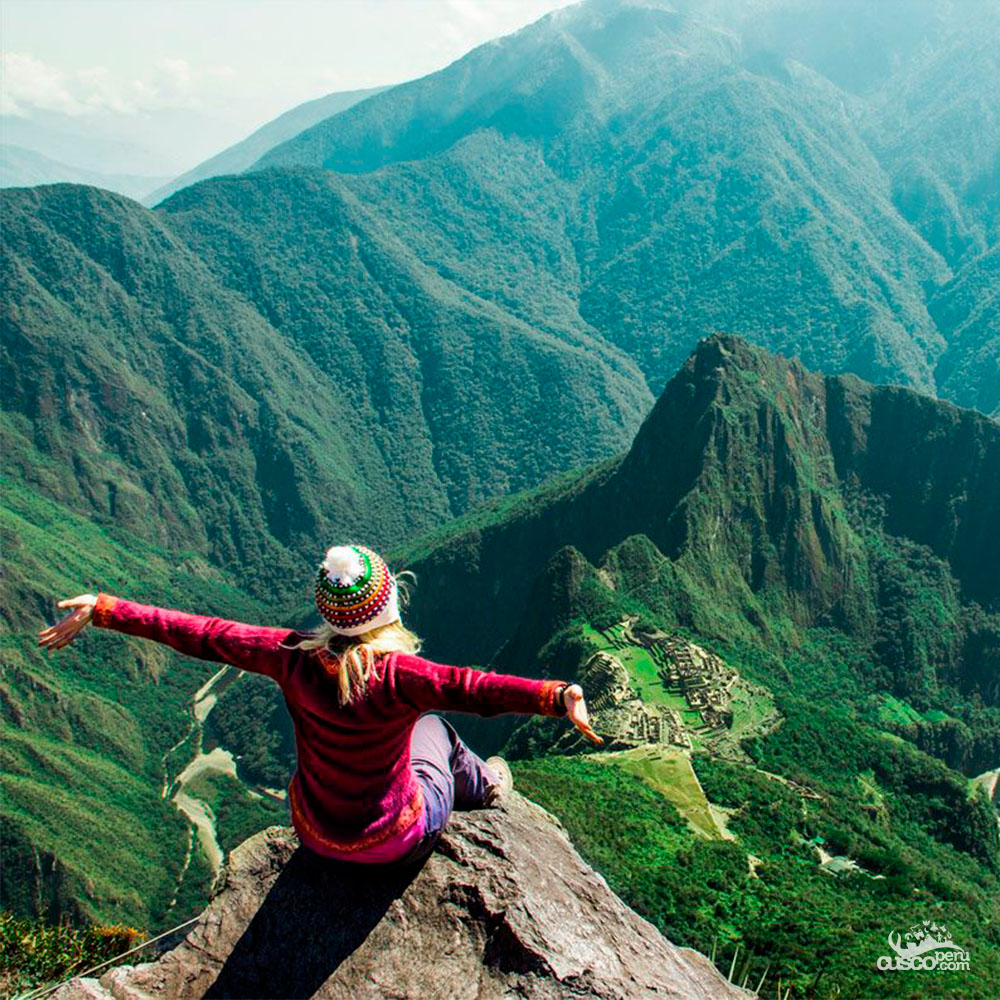

On Circuit 2, you will be able to explore the interior of the Inca citadel, which makes it one of the most requested and visited options by tourists, and that is why tickets sell out very quickly. This circuit is divided into 2 routes that are very similar and allow you to enjoy a complete tour of Machu Picchu, in addition to the classic postcard photo.
Although you will get the classic postcard photo, this route will not allow you to tour the Guardhouse sector, only a brief stop to capture the moment. However, you will be able to visit most of the temples located in the urban sector. The tour lasts approximately 3 hours.
Machu Picchu admission includes 10 visiting routes; however, this one often sells out even 3 months in advance. If for any reason you were not able to get this entry ticket, here are other options so you do not miss the opportunity to visit the Inca citadel.
On Circuit 3, you will be able to visit the interior of the Inca citadel; however, it does not allow you to get the classic postcard photo of Machu Picchu. This circuit is divided into 4 sub-routes that allow you to visit places beyond Machu Picchu itself.
| Circuit 2 | Circuit 3 | |
|---|---|---|
| Routes | Route 2-A, Classic Designed Route 2-B: Lower Terrace |
Route 3-A, Huayna Picchu Mountain Route 3-B: Designed Royalty Route 3-C + Great Cavern Route 3-D, Huchuy Picchu Mountain |
| Classic postcard photo | Yes | No |
| Booking time | 3 months | 1 month |

Circuit 1 is the route that allows you to tour the Guardhouse sector and get the classic postcard photo of Machu Picchu. The circuit is divided into 4 sub-routes that allow you to visit other points outside the Inca citadel. The tour lasts approximately 40 minutes.
| Circuit 2 | Circuit 1 | |
|---|---|---|
| Routes | Route 2-A: Classic Designed Route 2-B: Lower Terrace |
Route 1-A: Machu Picchu Mountain Route 1-B: Upper Terrace Intipunku Gateway Route 1-D: Inca Bridge |
| Classic postcard photo | Yes | Yes |
| Booking time | 3 months | 1 month |

We know that planning your trip and choosing the best circuit can be complicated, which is why at CuscoPeru.com we take care of everything. All our tours include entrance tickets as well as train and bus tickets to get to Machu Picchu. We advise and assist you so you can enjoy your visit to Machu Picchu without complications. Book now!

Birdwatching is an outdoor activity that consists of observing and studying birds in their natural habitat. This hobby is practiced for leisure and focuses on recognizing the different bird species by their plumage, song, colors, and behaviors.
Although birdwatching is considered a leisure activity, it also helps identify possible changes in the natural environment of the observed species, making it possible to detect problems such as habitat destruction or pollution.
If you are just getting started with birdwatching, it is important to have some basic equipment to make your experience in Machu Picchu more enriching:
The location of Machu Picchu makes it possible to find a wide variety of birds. Within the 37,000 hectares of the Machu Picchu Historic Sanctuary, almost 420 different bird species have been recorded to date. However, it is not always possible to spot birds with just a visit to the Inca citadel itself. For this reason, it is recommended to take a hiking route, such as the Inca Trail, where observing birds is much easier.
The black-and-chestnut eagle (Spizaetus isidori) is considered one of the most imposing and majestic birds inhabiting the Machu Picchu Sanctuary. This bird of prey has dark plumage with chestnut markings on its chest.
In its habitat, it can usually be seen perched high in the trees in search of prey. Its sharp vision allows it to detect animals from great distances, while its agile flight gives it an undeniable advantage.
The population of this species declined due to indiscriminate hunting. However, it is still possible to spot them in the Machu Picchu natural reserve and occasionally soaring above the Inca citadel.
The black-chested buzzard-eagle (Geranoaetus polyosoma) is easier to spot in the Machu Picchu Historic Sanctuary during winter, as it migrates to the area. It can be identified by its mottled brown plumage.
This bird of prey finds Machu Picchu to be an ideal hunting ground. Its keen eyesight allows it to locate rodents and small prey with ease, even through the dense fog of the reserve. Although it is possible to see them flying over the citadel of Machu Picchu, they are more commonly found hunting deeper within the forest.
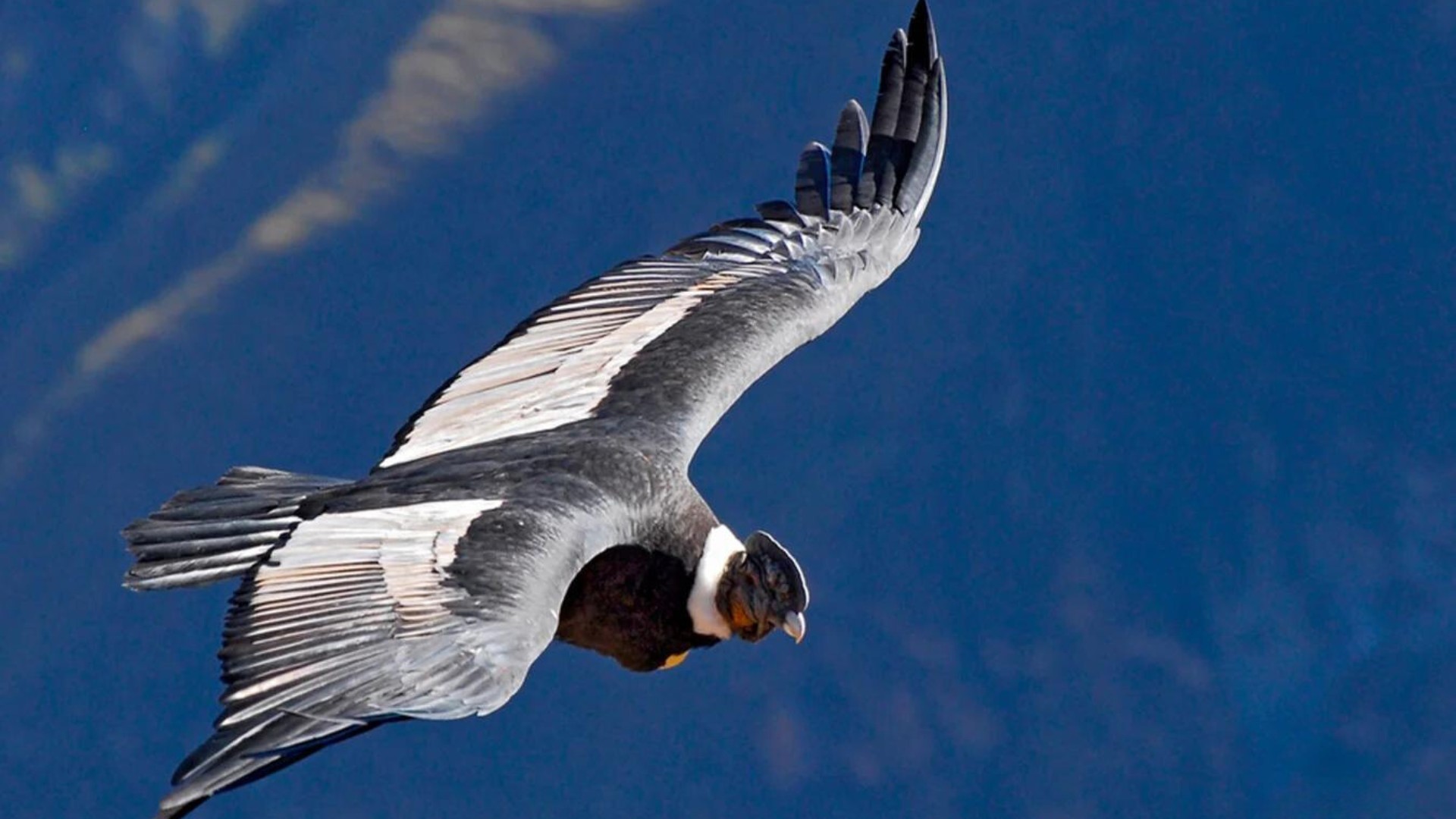
The Andean condor (Vultur gryphus) is one of Peru’s most iconic birds, regarded as the ruler of the Andes due to its massive size and majestic presence. Its dark plumage and impressive flight made it a national symbol of Peru, as well as an important figure in Andean mythology and history.
These birds inhabit mountainous areas with strong wind currents that allow them to soar effortlessly. With some luck, you may spot an Andean condor flying around the Inca citadel, but sightings are more likely along the higher points of the Inca Trail.
The Masked Fruiteater (Pipreola pulchra) is an endemic bird of the Andes, found in the Vilcabamba mountain range, which also encompasses the Historic Sanctuary of Machu Picchu.
It is a small, plump, green bird. Males usually have an orange bill and a yellow-orange collar, while females are completely green with a dull orange bill. It is commonly found in the middle levels of the humid forest, where fruit trees are abundant, serving as its main source of food.
The Andean Cock-of-the-rock (Rupicola peruviana) is recognized as the national bird of Peru and is considered one of the most beautiful birds in the world. Its body is covered with black feathers, its wings have a grayish tone, and its most distinctive feature is the head plumage: in males, it is a bright orange, while in females it is a duller orange, leaning more towards brown.
They are considered important seed dispersers of fruit trees, their main source of food, making them a vital part of the Machu Picchu Sanctuary ecosystem. Currently, it is estimated that only about 3,000 individuals remain, which makes their conservation critically important.
The Masked Trogon (Trogon personatus) inhabits the cloud forest of Machu Picchu and plays a key role as a seed disperser, as it feeds on fruits still found on trees. It can often be spotted near Aguas Calientes, the town closest to Machu Picchu.
This bird has black plumage, a red chest, and a black tail with white tips on the feathers. Males have iridescent green head plumage and a black mask around the eyes, while females have a brown head, a black mask, and a distinctive white ring around the eyes.
Andean Cock-of-the-rock
The Andean Motmot (Momotus aequatorialis) inhabits forested areas at the edge of the subtropical zone, such as the Machu Picchu Sanctuary. They are usually found in pairs, although they can also be seen alone, and are sometimes spotted in more frequented areas.
This bird is omnivorous, feeding on small vertebrates such as frogs or lizards, as well as fruits. The Andean Motmot is distinguished by its song, as they often perform duets, combining their calls into a rapid series of notes.
The Andean Guan (Penelope montagnii) is a bird very similar to a domestic hen; however, it is only found in the Andean jungle. Both males and females share the same dark brown plumage with white streaks, along with bluish-gray eye rings.
This bird inhabits cloud forests and humid woodlands, spending most of its time in small groups among the trees, where it feeds on ants, fruits, and wild berries. Its population has been slightly affected by deforestation and hunting.
The Green-and-white Hummingbird (Elliotomyia viridicauda) is an endemic species of the Peruvian Andes, found in tropical, humid, and forested regions. In Peru, it ranges from Huánuco to Cusco, specifically within the Machu Picchu Sanctuary. These hummingbirds are sedentary, feeding mainly on nectar from flowers and shrubs, as well as on small insects.
The Collared Inca (Coeligena torquata) can be found in Bolivia, Colombia, Ecuador, Peru, and Venezuela. They typically inhabit temperate and cloud forests such as those in the Machu Picchu Sanctuary. Their diet consists of flower nectar along with small insects.
These birds undergo a molting process that marks their passage into adulthood. Males are black or greenish-black, with a striking blue crown on their heads and a white chest. Females, on the other hand, have golden tones on their heads and lack the crown.
Collared Inca Hummingbird
The Blue-and-Yellow Tanager (Thraupis bonariensis) is a species that can be observed in the Historic Sanctuary of Machu Picchu. Its plumage differs between males and females: males display a bright blue on the head and back, contrasted with a striking yellow belly, while females show the same colors but in a more subdued tone.
Its diet consists mainly of fruits, insects, and seeds, which contributes to seed dispersal and pest control in its natural habitat, helping to maintain both insect population balance and vegetation regeneration. They are commonly sighted in areas of dense vegetation.
The Spotted Tanager (Tangara varia) is one of the most colorful and fascinating birds found in the surroundings of Machu Picchu, Peru. Its plumage is a true spectacle of colors, ranging from bright green to blue, sprinkled with black spots, making it easily identifiable and highly attractive to birdwatchers.
Regarding its diet, the Spotted Tanager feeds on a varied range of fruits, nectar, and small insects, thus contributing to both pest control and the pollination of various plants. This diverse diet plays a crucial role in maintaining the biodiversity of the Andean ecosystem.
Parodi’s Hemispingus (Kleinothraupis parodii) is an endemic bird of the Peruvian Andean forests, including the areas surrounding Machu Picchu. Its plumage is discreet yet elegant, with shades of gray and olive green, and a distinctive black band around the eyes that gives it a masked appearance.
Its diet mainly consists of insects and small fruits, making it a key ally in pest control and seed dispersal. This varied diet is essential for maintaining biodiversity and the health of mountain ecosystems.
The Scarlet-bellied Mountain Tanager (Anisognathus igniventris) is a true avian jewel found in the surroundings of Machu Picchu. Its plumage is stunning, with a brilliant blue back and a vibrant scarlet belly, creating a striking contrast that makes this bird an unmistakable visual spectacle.
This tanager’s diet includes mainly fruits, insects, and nectar, which makes it an important seed disperser and pollinator in its mountain habitat. By consuming a wide variety of food, it helps maintain the ecological balance and overall health of the Andean forests.
The Golden-collared Tanager (Iridosornis jelskii) is one of the most striking birds inhabiting the surroundings of Machu Picchu, Peru. Its plumage is a show of vivid colors, featuring a bright blue back and a distinctive yellow collar across the throat, which contrasts beautifully with its grayish chest and olive-green details.
This tanager feeds primarily on fruits, insects, and nectar, playing a crucial role in seed dispersal and the pollination of various plants.
Within the Historic Sanctuary of Machu Picchu, there are several key spots for birdwatching. These not only offer greater opportunities to observe bird species but also allow you to capture better photos.
The Sun Gate is one of the main birdwatching spots. From here, you can enjoy a panoramic view of the Inca citadel of Machu Picchu and its surroundings. However, access to Intipunku is only available during the high season (June–October), and tickets must be booked at least three months in advance.
Huayna Picchu, the iconic peak that appears in the classic postcard photo of Machu Picchu, is another favorite for birdwatchers. Along the trail to the summit, you’ll be surrounded by lush vegetation. Access is limited to a small number of visitors, allowing you to take your time and fully enjoy birdwatching.
Machu Picchu Mountain is larger than Huayna Picchu, which makes it home to a greater variety of birds throughout the hike. However, since the path is wider, bird sightings may be less frequent. It is recommended to start the hike as early as possible to increase your chances of seeing birds.
The Inca Trail is by far the best place for birdwatching. Along its route, you’ll encounter a diversity of altitudes, climates, and vegetation, creating ideal habitats for many species. Out of the 400 bird species found in the Historic Sanctuary of Machu Picchu, around 200 can be spotted along the Inca Trail alone.
When photographing birds in Machu Picchu, keep these essential tips in mind:
The best time for birdwatching and photography in Machu Picchu is at sunrise during the dry season. With fewer chances of rain, birds leave their shelters earlier, making them easier to spot.
Familiarize yourself with your camera and gear. Knowing both their strengths and limitations will help you make the most of your equipment and avoid missing an incredible shot.
No. Tripods of any kind are prohibited in the Inca citadel.
Yes, binoculars are allowed and can be extremely useful for spotting birds. While carrying them may be a bit inconvenient, they will greatly enhance your birdwatching and photography experience.
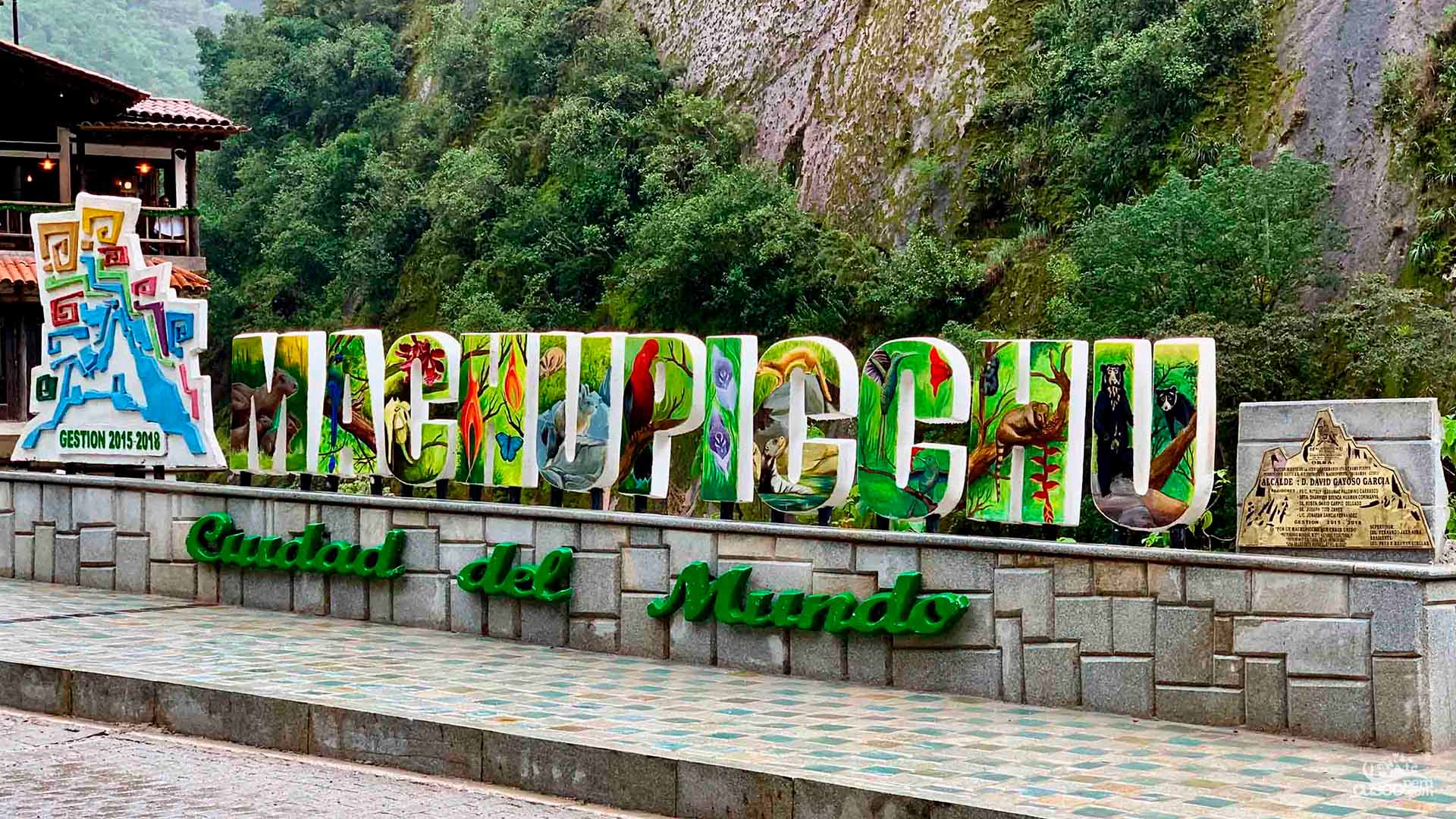
There are 3 main activities to do at this place:
The Manuel Chávez Ballón Museum is named in honor of its founder, Manuel Chávez Ballón, a well-known historian and explorer. In the early 1960s, thanks to the efforts of historian Manuel Chávez, the construction of the Site Museum was carried out.
This museum began with the exhibition of Inca archaeological samples and cultural material found in the Machu Picchu sanctuary, without considering their historical function. In the year 2000, the way the objects were presented to the public was restructured, considering their historical value and including thorough archaeological research on the objects.
Thus, on July 25, 2005, the museum reopened its doors and the current Manuel Chávez Ballón Museum was inaugurated, named in honor of its founder.
He was born on June 12, 1919, in Puno. In his adolescence, he guided Luís E. Valcárcel and Julio César Tello to reach Pucara, an expedition that would mark his vocation. He studied pedagogy at the Universidad Mayor de San Marcos, where in 1942 he joined the Southern Peru Archaeological Expedition as a delegate of that university, an expedition led by Dr. Julio C. Tello, during which Wiñaywayna was discovered.
He was appointed National Visitor of Archaeological Monuments in 1963 and three years later became the Resident Archaeologist of the Machu Picchu Archaeological Complex, where he managed the construction of the site museum of the Inca citadel. In 1977, he founded the professional career of archaeology and at the same time founded the "Talle Inka" where he also taught. He died on June 12, 2000, in his workshop.
The Manuel Chávez Ballón Museum is located at Km 112 on the way up to the Machu Picchu citadel, about 5 minutes by bus and about 30 minutes walking from Aguas Calientes - Machu Picchu Pueblo.
The museum's opening hours are from 9 a.m. to 4 p.m., Monday to Sunday.
The entrance can be purchased at the museum entrance at the following prices:
| Price in soles | Price in dollars | |
|---|---|---|
| Adult | S/. 22 | 7 USD |
| University student | S/. 11 | 4 USD |
| School student (8 to 17 years) | S/. 8 | 3 USD |
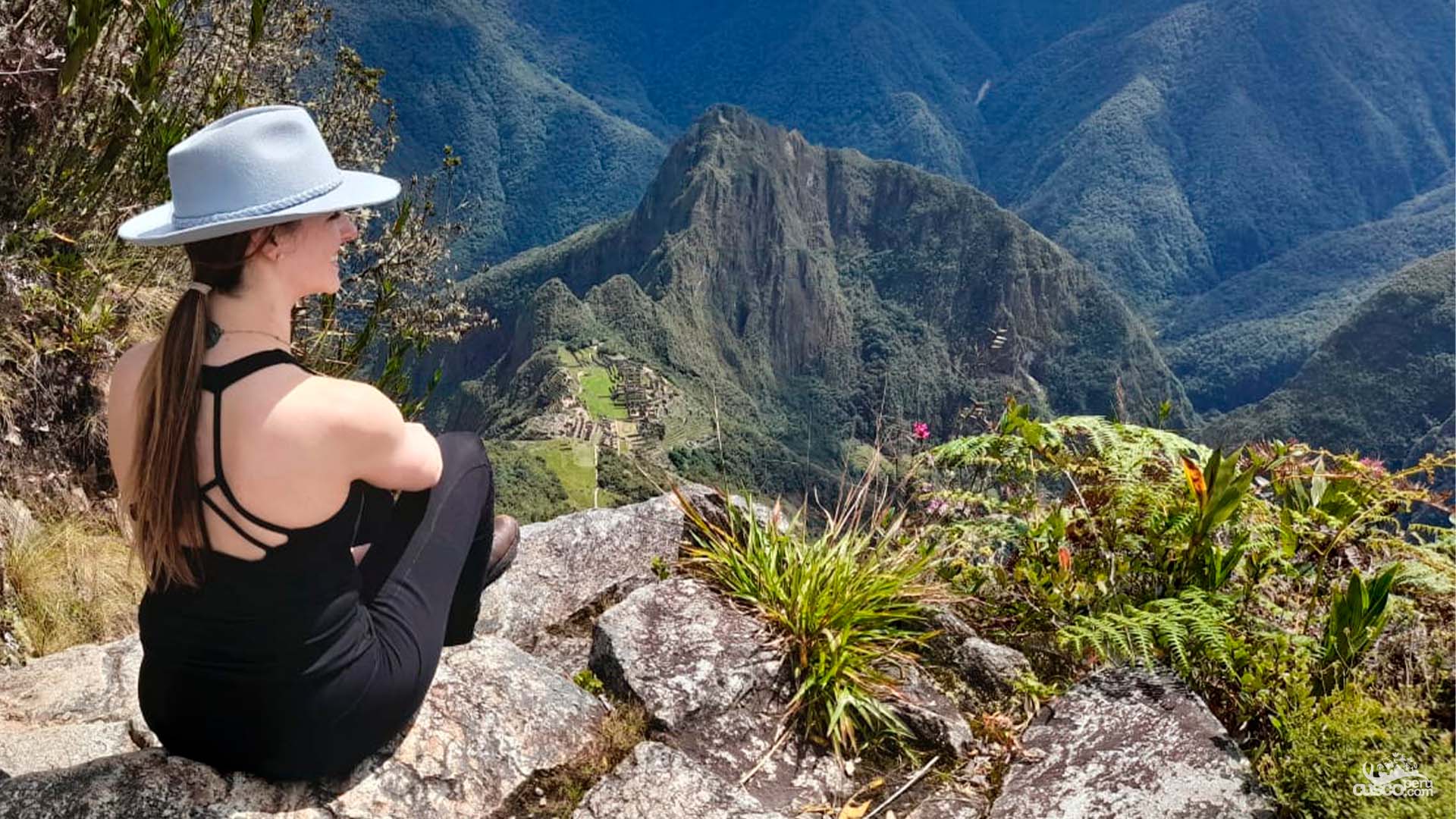
Machu Picchu Mountain, although longer and higher at its summit, is easier to hike than "Huayna Picchu" because it offers wider and less steep trails.
Machu Picchu Mountain was a trail widely used by the Incas, as it offers a 360-degree view of the entire valley surrounding the Machu Picchu citadel. This would have allowed them to issue an early warning against any threat of invasion from a neighboring culture.
Today, it is an important travel alternative within the Machu Picchu archaeological park.
Machu Picchu Mountain is located south of the Machu Picchu citadel and has an altitude of 3,082 meters above sea level.
To enter the mountain, you must purchase the ticket for Circuit 1 - Machu Picchu Mountain Route, which includes a visit to the upper part of the Machu Picchu citadel, where you will have panoramic views of the main Inca structures. You will also have the opportunity to take the classic postcard photo from the Guardian’s House viewpoint. With this ticket, you will also have access to Machu Picchu Mountain. If you would like to visit this mountain, you can book the Machu Picchu Mountain Tour with us and enjoy this place.
The trail to reach the summit of Machu Picchu Mountain is less complicated compared to the trail up Huayna Picchu Mountain. The route is wider and less steep.
It is the largest mountain among all those surrounding the Machu Picchu citadel. The entire route is surrounded by nature and offers a less challenging trail, making it a good alternative for families with young children and adventurous people of all ages.
Machu Picchu Mountain has cold mornings, strong sun during the middle of the day, and frequent changes due to humidity and altitude. During the rainy season, it is usually cloudy with light rainfall.
The mountain temperature ranges between 18 °C and 20 °C at its highest and between 7 °C and 10 °C at its lowest. Since it is located at a higher altitude, temperatures can drop as low as -3 °C.
The best time to climb the mountain is during the dry season, from April to October, as rainfall is usually less frequent and the route becomes easier.

Machu Picchu Mountain does not have any archaeological attraction along its route. However, since it is surrounded by abundant flora, it is possible to observe a greater number of orchids among the more than 400 different types found in the area.
Likewise, it is more likely to experience the local fauna, as the trail is not heavily visited by tourists. This allows you to observe flora and, occasionally, birds and insects from the area. It is also possible to find countless butterflies.
The maximum capacity for Machu Picchu Mountain is 300 people per day, divided into groups of 150 people each. However, it is recommended to book your ticket approximately 4 months in advance.
The entry times for Machu Picchu Mountain are:
First group
Second group
To reach Machu Picchu Mountain, you must purchase the Circuit 1 - Machu Picchu Mountain Route entry ticket in advance.
Circuit 1 - Machu Picchu Mountain Route includes entry to the upper part of the Machu Picchu citadel + Machu Picchu Mountain. It allows you to reach the summit of the mountain and explore the upper area of Machu Picchu. It does not allow access down to the lower urban area. From this route, you will have views of the main Inca structures of the citadel, and you can also take the classic postcard photo from the Guardian’s House. The visit lasts approximately 4 hours.

To help you decide better, here is a comparison table of both trails:
| Differences | Huayna Picchu Mountain | Machu Picchu Mountain |
|---|---|---|
| Location | North of the Machu Picchu citadel | South of the Machu Picchu citadel |
| Altitude | 2,693 meters above sea level | 3,082 meters above sea level |
| Distance | 2 km, elevation gain between 260 and 300 m. | 2 km, elevation gain between 650 and 680 m. |
| Hiking Time | 3 h (ascent and descent) | 4 h (ascent and descent) |
| Access | Huayranas sector | Guardian’s House detour |
| Schedules |
|
|
| Number of Visitors | 400 people per day | 300 people per day |
| Circuit | Circuit 3 - Waynapicchu Route | Circuit 1 - Machu Picchu Mountain Route |
| Archaeological Attractions | Temple of the Sun, Water Mirrors, and other archaeological attractions | None |
| Restrictions | Only for visitors over 12 years old | For all visitors |
| Difficulty | Medium-High | Medium |
If you are still deciding between Machu Picchu Mountain, Huayna Picchu, or a classic visit to the citadel, you can review all Machu Picchu tours from Cusco and choose the option that best fits your time, route, and travel style.
Machu Picchu Mountain is one of the mountains surrounding the Machu Picchu citadel. It is generally not seen in photographs, which is why it is not very popular.
The best time to climb to the summit of Machu Picchu Mountain is during the dry season, when rain is less frequent. This season runs from April to October.
Machu Picchu Mountain is located south of the Machu Picchu citadel.
Yes, to find availability on the day you wish to travel, it is necessary to book approximately 4 months in advance.
The approximate time is 4 h for both the ascent and descent.
There are no age restrictions to climb Machu Picchu Mountain. Children under 12 must be accompanied by an adult.
Yes, you can visit both attractions on the same day by purchasing the ticket that includes Machu Picchu + Mountain.
Yes, since this trail is more visitor-friendly, it is recommended for people of all ages.

Aguas Calientes is the closest town to Machu Picchu. Located just 25 minutes by bus from the Inca citadel, it is the main access point to this archaeological site.
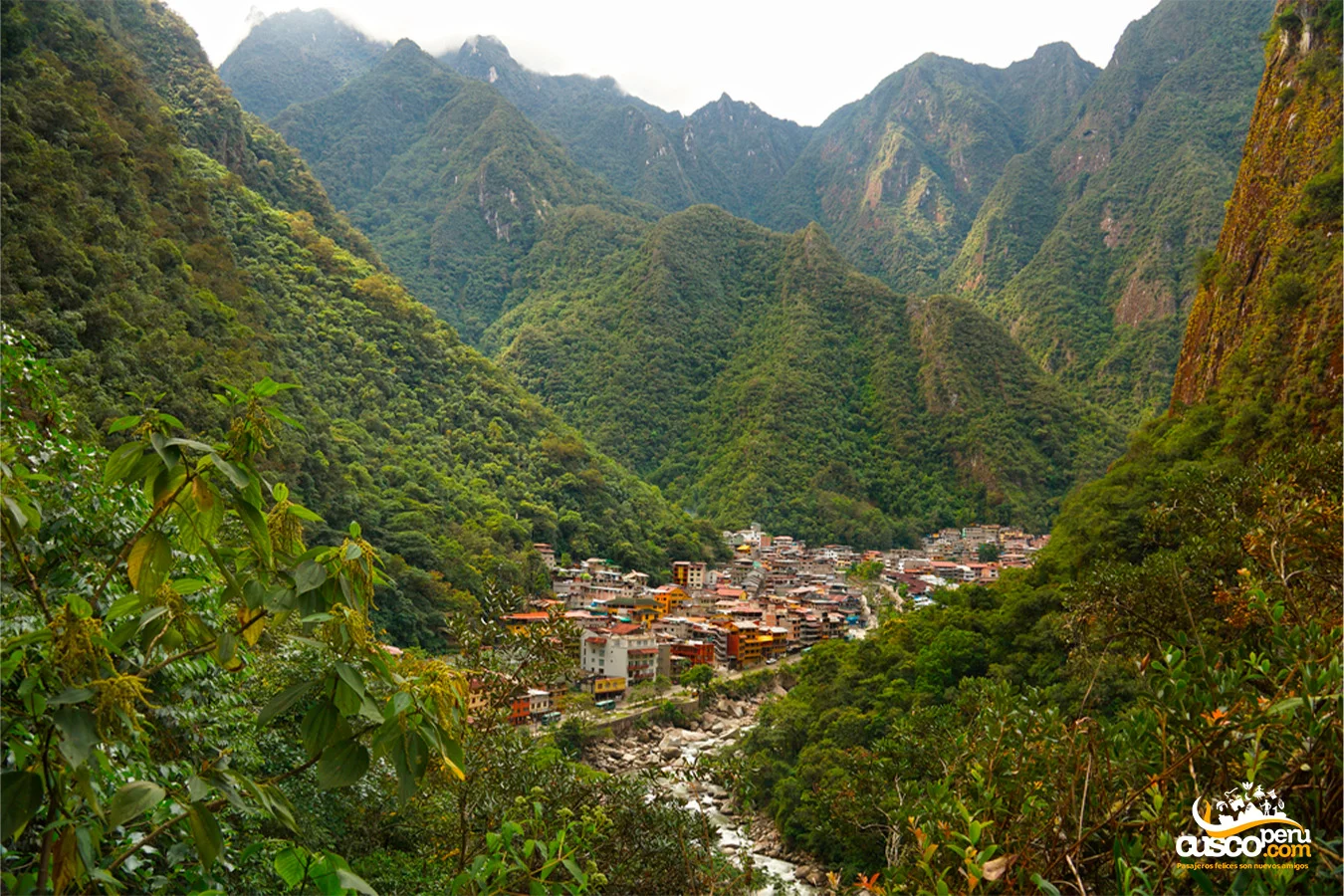
The town of Aguas Calientes began as a small railway camp known as Maquinachayoq. Families dedicated to agriculture joined this place, forming a small village in 1901. When the construction of the railway line connecting Cusco with Santa Ana, a district in the province of La Convención, was completed in 1931, the population settled in the area.
Aguas Calientes owes its name to its hot springs. In addition, because it is close to Machu Picchu, it offers several tourist attractions that some travelers may not know about.
The town of Aguas Calientes is located 112 km northeast of Cusco, at an altitude of 2,040 meters above sea level. It is located on the banks of the Urubamba River, which runs through the entire Sacred Valley of the Incas, and is surrounded by cloud forest vegetation. This town belongs to the province of Urubamba, in the department of Cusco.
The town of Aguas Calientes is approximately 3 to 4 hours away, depending on the departure point and train service.
The citadel of Machu Picchu is located 10 km from the town of Aguas Calientes, approximately 25 to 30 minutes by bus.
The weather is mild and humid, as the town is located in the cloud forest area. Temperatures range between 16 °C and 20 °C. There are two seasons: the rainy season and the dry season.
There are several ways to reach the town of Aguas Calientes:
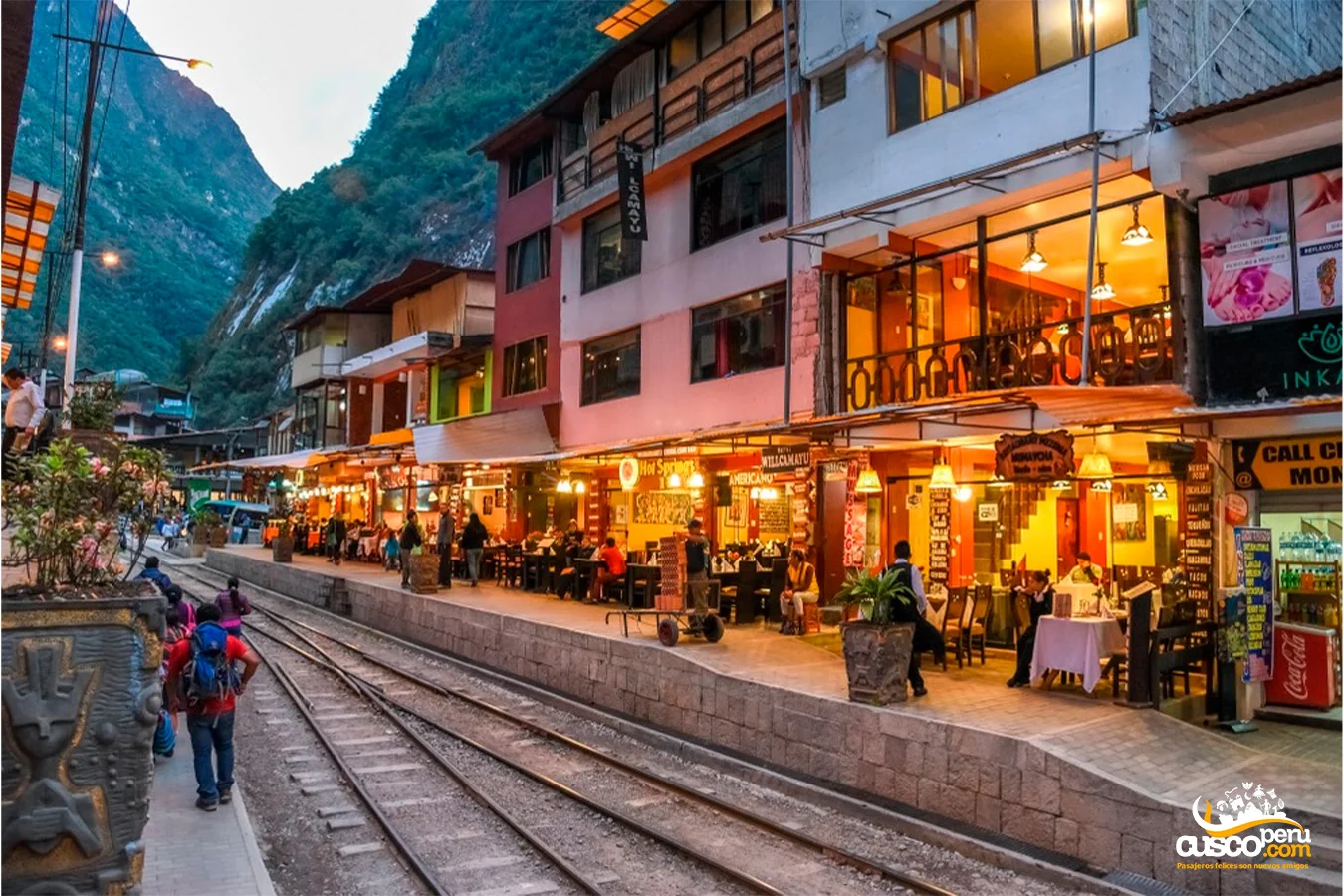
When you arrive in Machu Picchu Pueblo, you can visit several attractions before going up to the Inca citadel or during your stay.
Located at the end of Hermanos Ayar Avenue, there is a spring from which thermal waters flow, with temperatures ranging between 38 °C and 45 °C. This place is a favorite among visitors who want to relax surrounded by nature before or after visiting Machu Picchu. The town of Aguas Calientes owes its name precisely to this place.
Mandor Waterfalls
The Mandor Gardens are located 4 km from the town of Aguas Calientes, approximately a 1-hour walk away. It is a natural area full of vegetation and has a waterfall with an approximate drop of 15 meters. This space contributes to the conservation of different species of flora and fauna in the area. It also has a space for camping.
The Aguas Calientes Butterfly House is a stop you can make before or after visiting Machu Picchu. It is a space dedicated to the study of around 300 species of butterflies from the area. Located on the banks of the Urubamba River, this space not only houses butterflies but also plant species that support their life cycle.
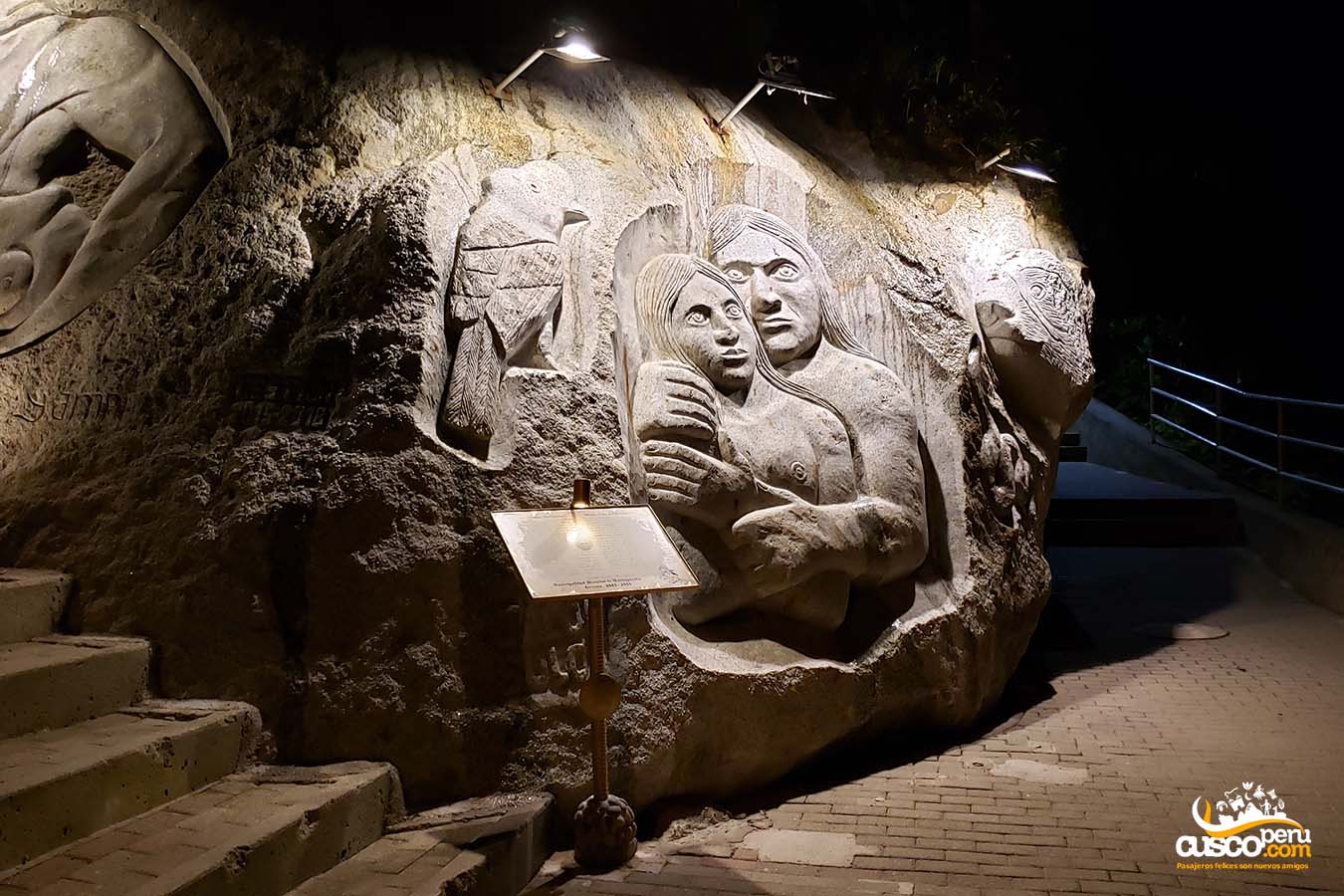
As an initiative of the local government, around 37 stone sculptures were built throughout the town, known as “Stone Chronicles.” The stone carving was done by artists from Cusco to beautify the town. All of them have Andean themes, and no ticket is required, as they are visible to all visitors in the main square and principal streets of the town.
The “Manuel Chávez Ballón” Site Museum, named after the Peruvian explorer who worked at Machu Picchu, has Inca ceramics and tools found during excavations carried out at Machu Picchu. This place reopened its doors in July 2005.
It is located on the road from Aguas Calientes to Machu Picchu, about 30 minutes on foot. It is open every day from 9:00 a.m. to 4:00 p.m. To enter this place, you must have a ticket, which you can get online.
The best time to visit Aguas Calientes is during the dry season. This season runs from April to October, when the chances of rain are lower.
To get to Aguas Calientes, you must go to a train station, usually Ollantaytambo Station, which is located about 1 hour by bus from Cusco. From there, it is a 2-hour train ride to Aguas Calientes.
Since the weather is mild during the day, it is recommended to bring light clothing. However, temperatures usually drop at night, so a warm jacket is necessary. It is also recommended to bring waterproof clothing because rain can arrive unexpectedly at any time of day.
To avoid altitude sickness, gradual acclimatization upon arrival in Cusco is recommended, along with a light diet, as heavy meals may increase the risk of experiencing this condition. This process should not take more than 2 days.
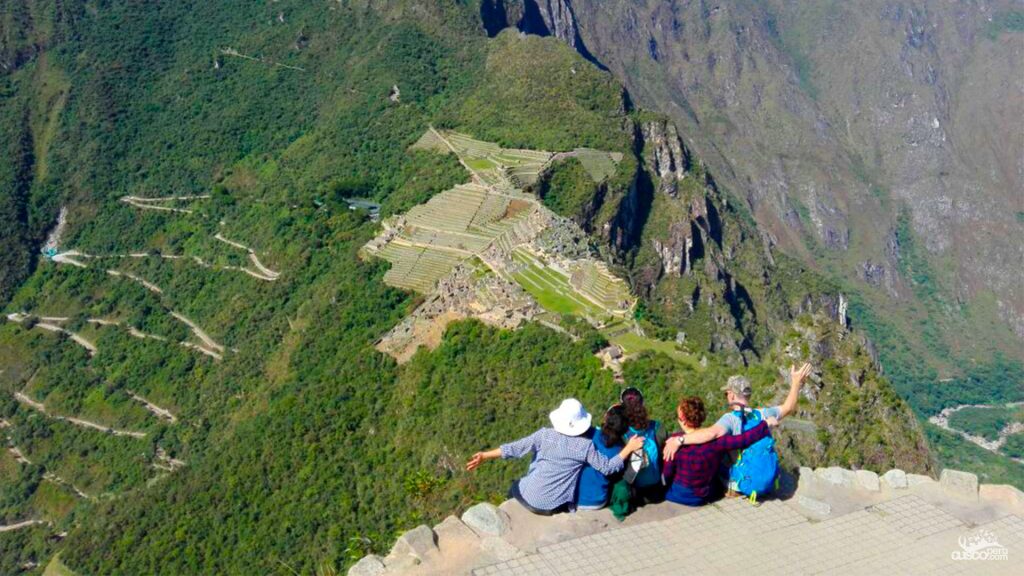
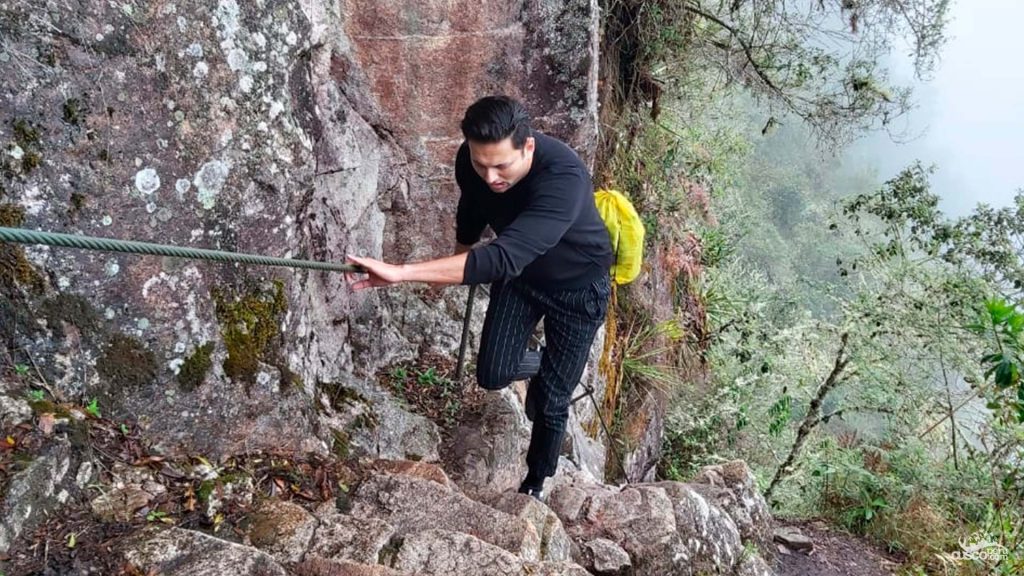
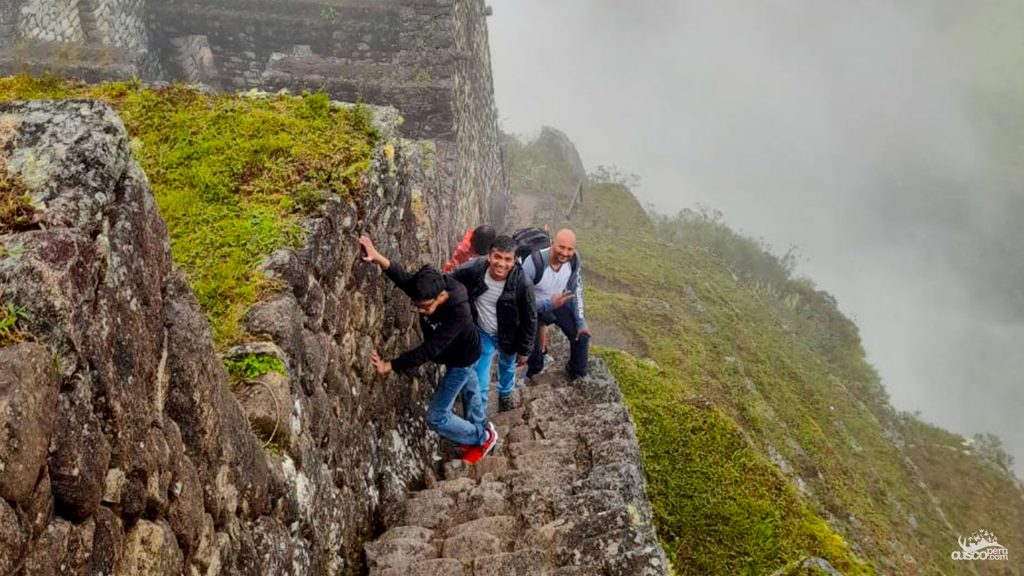
Huayna Picchu (Wayna Picchu) stands at 2,667 meters on the north side of the Machu Picchu citadel. The trail to the summit is challenging, with narrow, steep stretches and stone stairways carved into the rock.
This hike is not recommended for those with vertigo, for children under 12, or for older adults.
In Quechua, “wayna” means “young” and “picchu” means “mountain,” so Huayna Picchu translates as “Young Mountain.” It’s often framed as the counterpart to Machu Picchu, “Old Mountain.”
The name contrasts the two peaks, with Huayna Picchu being smaller; in most iconic photos, Huayna Picchu is the prominent peak in the background.
Huayna Picchu lies north of Machu Picchu at 2,667 meters, within the Andes. Its base is encircled by the Urubamba River, which runs through the Sacred Valley of the Incas.
To access this mountain, purchase the “Circuit 3 (Lower Section) + Huayna Picchu” ticket. It includes entry to the Machu Picchu citadel and Huayna Picchu, plus visits to the Inca House, Temple of the Sun, Water Mirrors, the agricultural area, and the Sacred Rock (lower/urban sector only).
The ascent is strenuous: expect narrow ledges, steep switchbacks, and sections of stairs carved directly into the mountainside.
Along the way you’ll pass through lush vegetation and, with luck, spot wildlife in its natural habitat.
Weather is often clear during the day, with strong winds at altitude. In the rainy season it can be cloudy with light showers.
Daytime highs range from 19°C to 21°C, with lows from 8°C to 11°C; at night it can drop to 0°C.
The best time to climb is the dry season (April–October), when rain is infrequent, trails are less slippery, and views of the citadel are usually clearer.
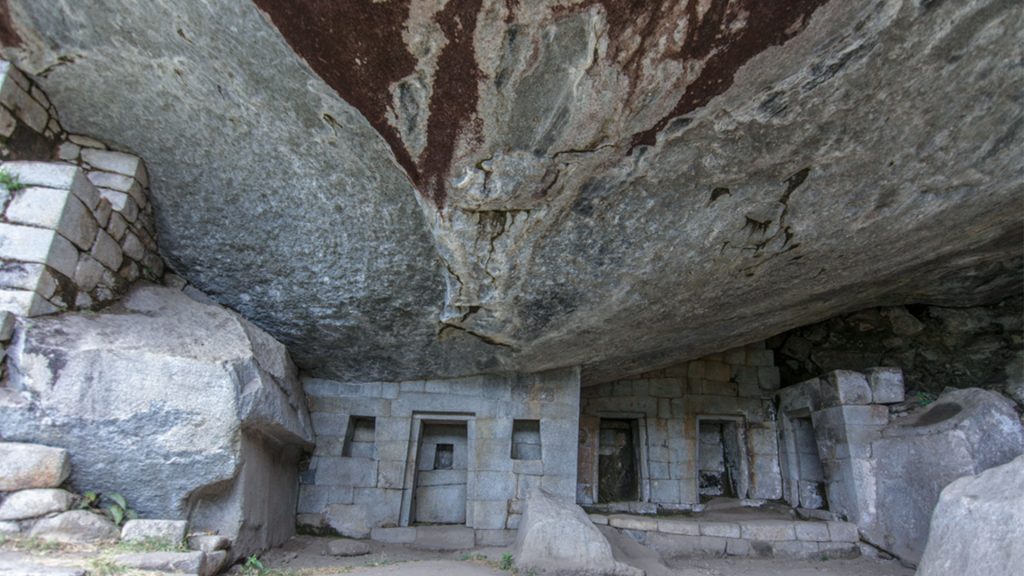
The Temple of the Moon is one of the most remarkable structures in the Machu Picchu complex. Known as the hidden gem of Machu Picchu, it sits inside a natural cave on the slopes of Huayna Picchu, nearly 1 km below the summit. It sees fewer visitors due to its remoteness and the demanding trail.
Entry times are organized in groups of up to 50 people, with a daily capacity of 325 visitors.
First Group
Second Group
Third Group
Fourth Group
Purchase the “Machu Picchu + Huayna Picchu” ticket in advance (combo).
The “Circuit 3 (Lower Section) + Huayna Picchu” option includes entry to Machu Picchu and Huayna Picchu, access to the summit of Huayna Picchu, and a visit to the lower/urban sector of Machu Picchu, including the Inca House, Temple of the Sun, Water Mirrors, the agricultural area, and the Sacred Rock. Estimated visit duration: approximately 3 hours.

Here’s a side-by-side comparison to help you choose:
| Differences | Huayna Picchu Mountain | Machu Picchu Mountain |
|---|---|---|
| Location | To the north of the Machu Picchu citadel | To the south of the Machu Picchu citadel |
| Altitude | 2,693 meters above sea level | 3,082 meters above sea level |
| Distance | 2 kilometers, elevation 290 meters | 2 kilometers, elevation 200 meters |
| Hiking time | 3 hours (round trip) | 4 hours (round trip) |
| Access | Huayranas Sector | Guardian's House Junction |
| Schedules |
|
|
| Number of visitors | 325 people per day | 250 people per day |
| Circuit | Circuit 3 - Waynapicchu Route | Circuit 1 - Machu Picchu Mountain Route |
| Re-entry | Does not allow re-entry to the citadel | Allows re-entry to the citadel |
| Archaeological attractions | Terraces and Temple of the Moon | None |
| Restrictions | Only for those over 12 years old | For all audiences |
| Difficulty | Medium-High | Medium |
If you’re still comparing options or want to include the citadel in a broader travel plan, you can see all Machu Picchu tours and choose the experience that best fits your time, route, and travel style.
It’s the peak that appears in most Machu Picchu photos.
On the north side of the citadel; it’s the peak in the classic postcard view.
In Quechua, “wayna” = “young” and “picchu” = “mountain,” so it translates as “Young Mountain.”
Yes, book about 6 months in advance to secure your preferred date.
About US$55 per person.
Around 3 hours round-trip.
Minimum age: 12, mainly due to the steep trail.
Not dangerous, but challenging—some sections require extra caution.
Yes, get a ticket that includes Machu Picchu + Huayna Picchu.
Only poles with rubber tips. Ideally, don’t bring them—you’ll want your hands free for some sections.
Yes, guides are available, but hiring one is optional.

Machu Picchu is one of the most visited destinations in Peru. However, it is not only its rich cultural heritage that makes it attractive, but also its impressive biodiversity.
The flora and fauna found in the Historic Sanctuary of Machu Picchu have become another attraction for tourists. Covering 32,592 hectares, this area is where the Andes mountain range and the tropical forest converge. With an approximate altitude of 2,430 meters above sea level, it allows the creation of microclimates, making its biodiversity possible.
The biodiversity present in Machu Picchu is of global importance, as its conservation means protecting diverse habitats, each with a variety of plant and animal species.
The conservation area of the Historic Sanctuary of Machu Picchu holds an immense amount of biodiversity. Within it, there is a remarkable diversity of flora and fauna, with thousands of species recorded in the sanctuary.
This remarkable diversity makes Machu Picchu an ecosystem of vital importance for the study and conservation of Peru’s biodiversity.
The flora diversity of the Historic Sanctuary of Machu Picchu includes thousands of species recorded throughout the national territory, reaffirming the importance of this protected area.
Among the plant species, according to some interdisciplinary research, there are more than 3,000 species, including more than 400 types of orchids, carnations, ferns, puyas, angel’s trumpets, molle trees, cedars, queñua trees, and others.
Orchids (Orchidaceae) are plants that stand out for their extraordinary beauty, colors, and aromas, becoming the main attraction in terms of flora.
Around 400 species of orchids have been recorded within the Historic Sanctuary of Machu Picchu, and it is believed that there are still species yet to be discovered.
The destruction of their habitat, caused by forest fires and indiscriminate extraction by illegal traders, has led to a significant decrease in the number of species.
Machu Picchu is home to a great variety of trees and shrubs that contribute to the region’s biodiversity and ecological balance. Among its rich vegetation, the following stand out:

The fauna in the Machu Picchu citadel is impressive, with more than 500 animal species, including several endemic or restricted-range species. Among them, more than 300 butterfly species recorded in the Historic Sanctuary of Machu Picchu stand out.
Among the most emblematic animal species are the spectacled bear, the Andean cock-of-the-rock, various species of hummingbirds, the puma, the Andean fox, the taruca, and a wide variety of reptiles and amphibians.
The spectacled bear (Tremarctos ornatus), or Ukumari, is one of the most representative animals of the area. It has black fur with markings around the eyes that resemble glasses, which gives it its name.
It lives in the mountain forests of the Historic Sanctuary of Machu Picchu. It plays an important role as a seed disperser; its diet is based on fruits and leaves. It can measure up to 1.80 m tall and weigh between 100 and 175 kg.
Rodents play a very important role in Machu Picchu’s biodiversity. Some of the most notable rodents are:
The Andean cock-of-the-rock (Rupicola peruvianus) is Peru’s national bird and is also emblematic of Machu Picchu. Its plumage, with intense red and orange colors in males, contrasts with the lush green of the cloud forests, enhancing its beauty.
This bird feeds on fruits and seeds and is usually seen in humid forest areas. It plays an important role in seed dispersal.
Within the bird diversity found in the Machu Picchu Sanctuary, we can observe a great variety of hummingbirds. During a visit to the citadel, several birds can be seen fluttering among the vegetation, displaying an impressive variety of colors.
These small birds play a vital role as pollinators in maintaining biodiversity. They transport pollen and contribute to the reproduction of many native plants.
There are more than 300 identified species in the Machu Picchu Sanctuary.
Each one contributes to pollination and helps maintain the local flora, which gives them even greater importance.

The Sanctuary is home to a great amount of biodiversity, including several endangered species that require urgent conservation actions. Among them are:
These species are not only vital to Machu Picchu’s ecological balance, but they are also part of Peru’s rich natural heritage. Their protection is essential, not only to preserve Machu Picchu’s biodiversity, but also to maintain the balance of the ecosystem.


Happy passengers