The most obvious difference between the Classic Inca Trail and the Inca Trail Express is how long they take. The Classic Trail lasts 4 days and 3 nights, perfect for those who want a deeper experience—disconnecting from the modern world and connecting with the ancient path step by step.
On the other hand, the Inca Trail Express is a great choice if you're short on time but don’t want to miss the thrill of arriving at Machu Picchu on foot. It only takes 1 day—just the essentials, but still stunning and rewarding.
Covering 39 km (24 mi), the Classic Inca Trail is a full journey through mountains, valleys, and cloud forest. It’s ideal for adventure seekers who enjoy a good challenge. It’s a reflection of life itself—ups and downs, ecological zones, and breathtaking Andean beauty in every step.
In contrast, the Inca Trail Express covers 11 km (6.8 mi), just enough to feel the magic without overexertion. A lighter hike, perfect for beginners, families, or travelers with limited time—tranquil yet meaningful.
The Classic Trail begins at Kilometer 82 of the railway, near the village of Piscacucho. The Express Trail starts at Kilometer 104, near Chachabamba, making it ideal for those wanting to start strong and reach Machu Picchu the same day.
The Classic Trail reaches a maximum elevation of 4,200 m.a.s.l. (13,780 ft)—which adds to the challenge, but also offers jaw-dropping views. If you’re well-acclimatized and looking for an intense experience, this is your path.
The Express Trail stays around 2,650 m.a.s.l. (8,694 ft)—much easier for those who prefer to avoid altitude sickness, while still enjoying spectacular surroundings and landscapes.
Both trails include Wiñayhuayna, one of the most beautiful and mystical sites along the way. In Quechua, Wiñayhuayna means “Forever Young.” Picture yourself reborn as you walk this sacred land.
The Classic Trail is a living museum—you’ll visit ruins like Runkurakay, Sayacmarca, Wiñayhuayna, and finally Machu Picchu. The Express Trail, while shorter, is no less impressive, passing through Chachabamba, Wiñayhuayna, and Machu Picchu, giving you all the essentials of the Inca journey in a condensed format.
On one hand, Classic Inca Trail ranges from moderate to difficult and requires good physical condition and preparation. On the other hand, Inca Trail Express is considered easy to moderate, making it accessible to almost all ages and fitness levels. If you're not used to long hikes, this shorter version lets you live the magic without the physical strain.
The Classic Trail includes 3 nights of camping—sleeping under the stars and surrounded by nature. It’s perfect for your inner explorer. In contrast, the Express Trail includes one night in a hotel in Aguas Calientes—if you choose to stay overnight. Otherwise, you'll return to Cusco the same day.
The Classic Inca Trail is in high demand. It must be booked 3 to 4 months in advance, especially from May to October (peak season). Compared to the Express Trail has more availability and can usually be booked 2 to 3 weeks in advance.
If the call of the Inca Trail has already touched your heart, reach out to us. At CuscoPeru.com, we’re always here to help:
Classic Trail: A porter is included—you only carry a small daypack.
Express Trail: No porter included—you’ll carry your backpack during the hike.
| Detail | Classic Inca Trail (4 Days) | Inca Trail Express (2 Days) |
| Duration | 4 days / 3 nights | 2 days / 1 night |
| Distance | 39 km (24 mi) | 11 km (6.8 mi) |
| Max altitude | 4,200 m (13,780 ft) | 2,650 m (8,694 ft) |
| Archaeological sites | Runkurakay, Sayacmarca, Wiñayhuayna, Machu Picchu | Chachabamba, Wiñayhuayna, Machu Picchu |
| Difficulty | Moderate to high | Low to moderate |
| Landscapes | High Andes & cloud forest | Cloud forest |
| Start point | Km 82 (rail line) | Km 104 (rail line) |
| Accommodation | 3 nights camping | 1 night hotel in Aguas Calientes |
| Booking window | 3–4 months ahead | 2–3 weeks ahead |
| Porter included | Yes | No |
| Daily capacity | 200 people | 250 people |
Both routes are part of the legendary Inca Trail to Machu Picchu, and both offer access to the panoramic circuit of the citadel. If you’re an adventurous traveler looking for a physically and spiritually complete experience, go for the Classic Trail. If your schedule is tight and you prefer something shorter but just as magical, the Express Trail is for you.
There’s no better or worse option—only the Inca Trail that best suits your travel spirit. Book your spot today and become part of this sacred journey that continues to inspire adventure tourism in Peru.
Peru is not only full of culture and history, but also landscapes that can be explored simply by walking. Discover the wonders of Peru through the trekking routes found throughout the country.
Here, we present the best trekking routes in Peru.
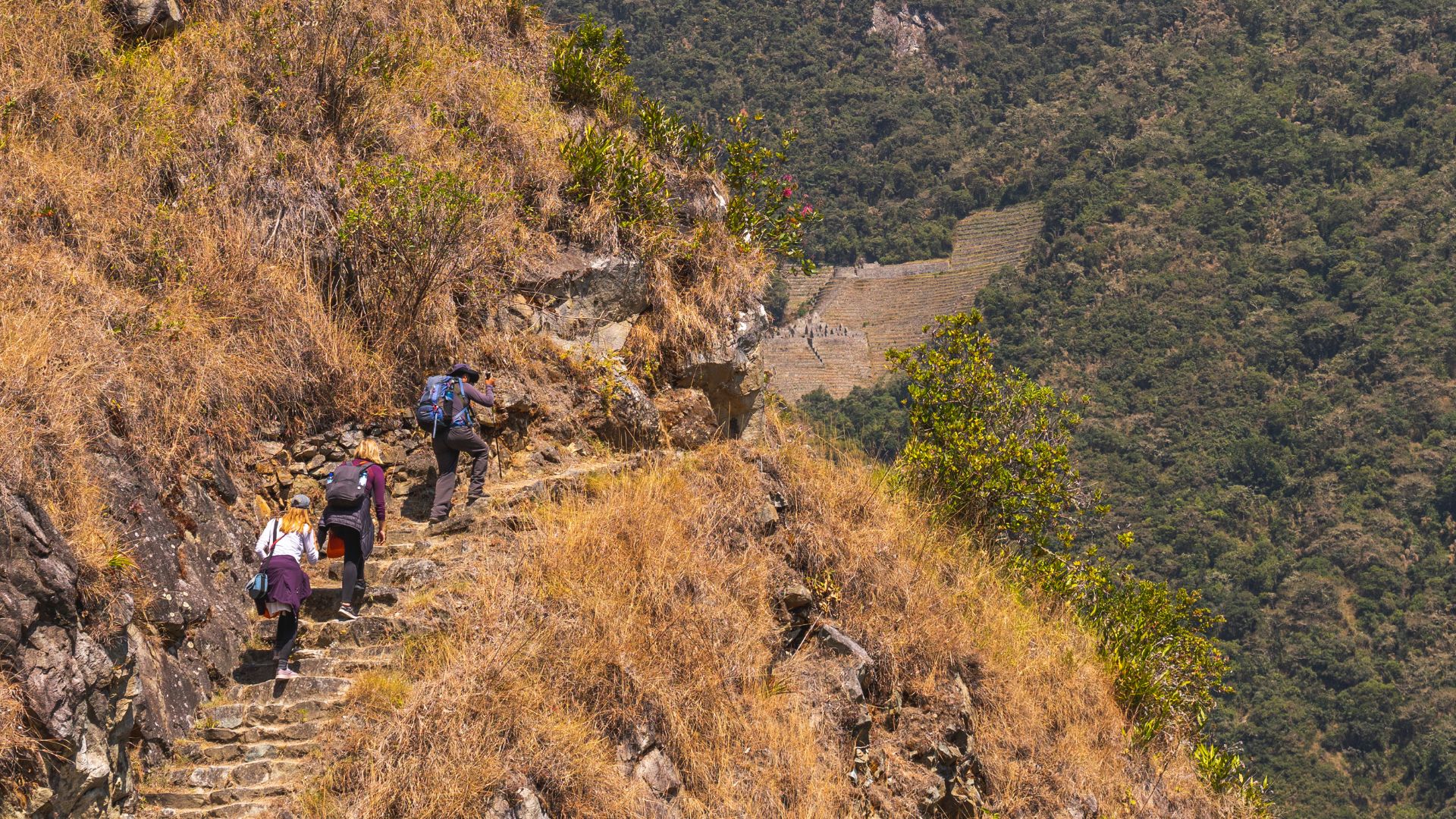
Peru has a very diverse geography, making it an ideal place for trekking. Thanks to its three geographic regions, you will find routes adapted to different interests, while also discovering its megadiverse flora and fauna.
If you love trekking, Peru will offer you some of the best experiences, whether walking along winding mountain trails or paths through the dense jungle.
Peru has a large number of trekking routes, each with different characteristics. Here, we present the best places to go trekking in Peru.
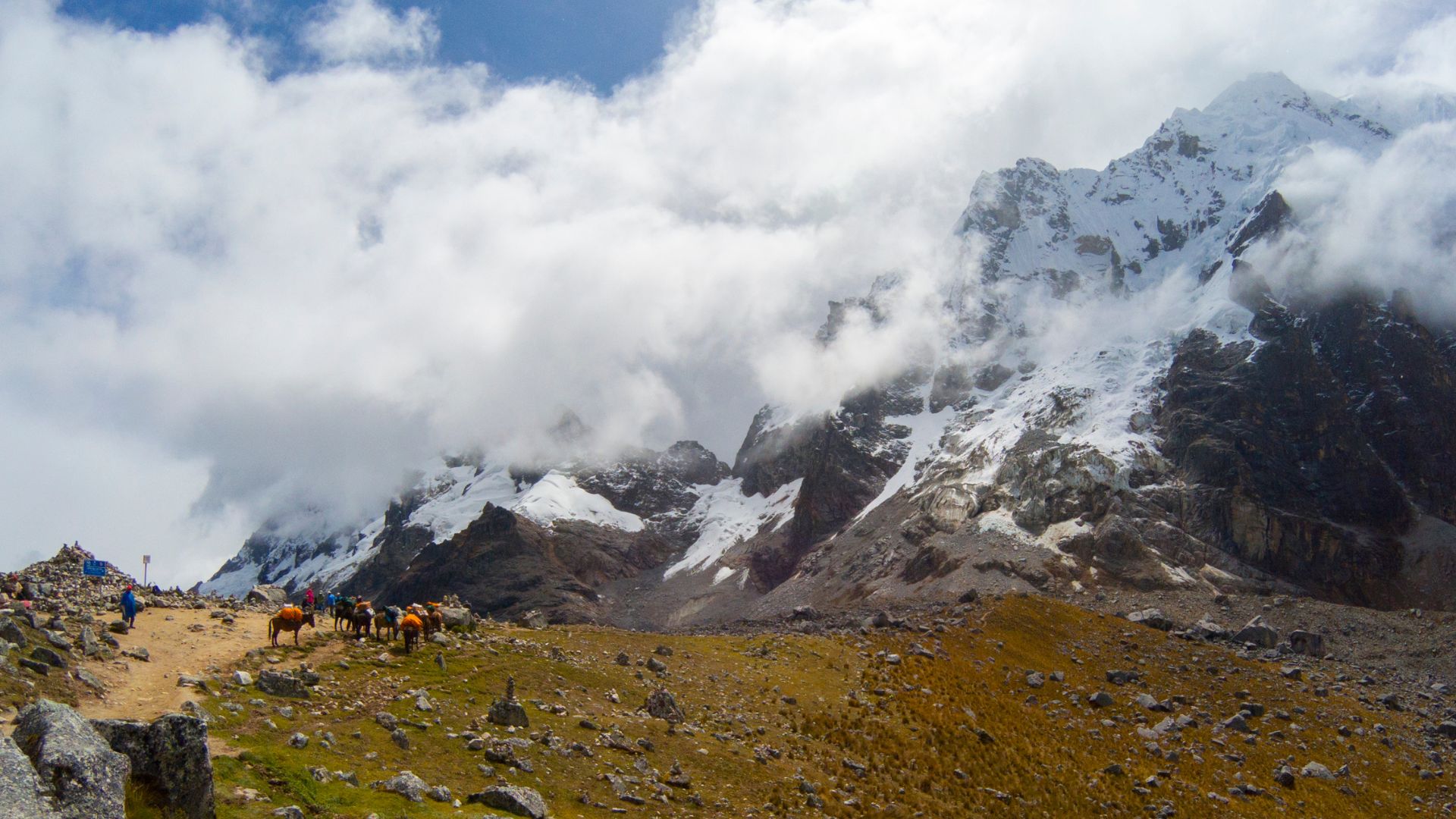
The Salkantay Trek is one of the most visited hiking routes in Peru. Along the entire trail, you will be surrounded by snow-capped mountains. You will also visit natural attractions such as Humantay Lake, a blue body of water set among the mountains.
You will reach the archaeological site of Llactapata, from where you can see the Inca city of Machu Picchu, and you will move from snowy landscapes to dense vegetation typical of the high jungle area.
General information:
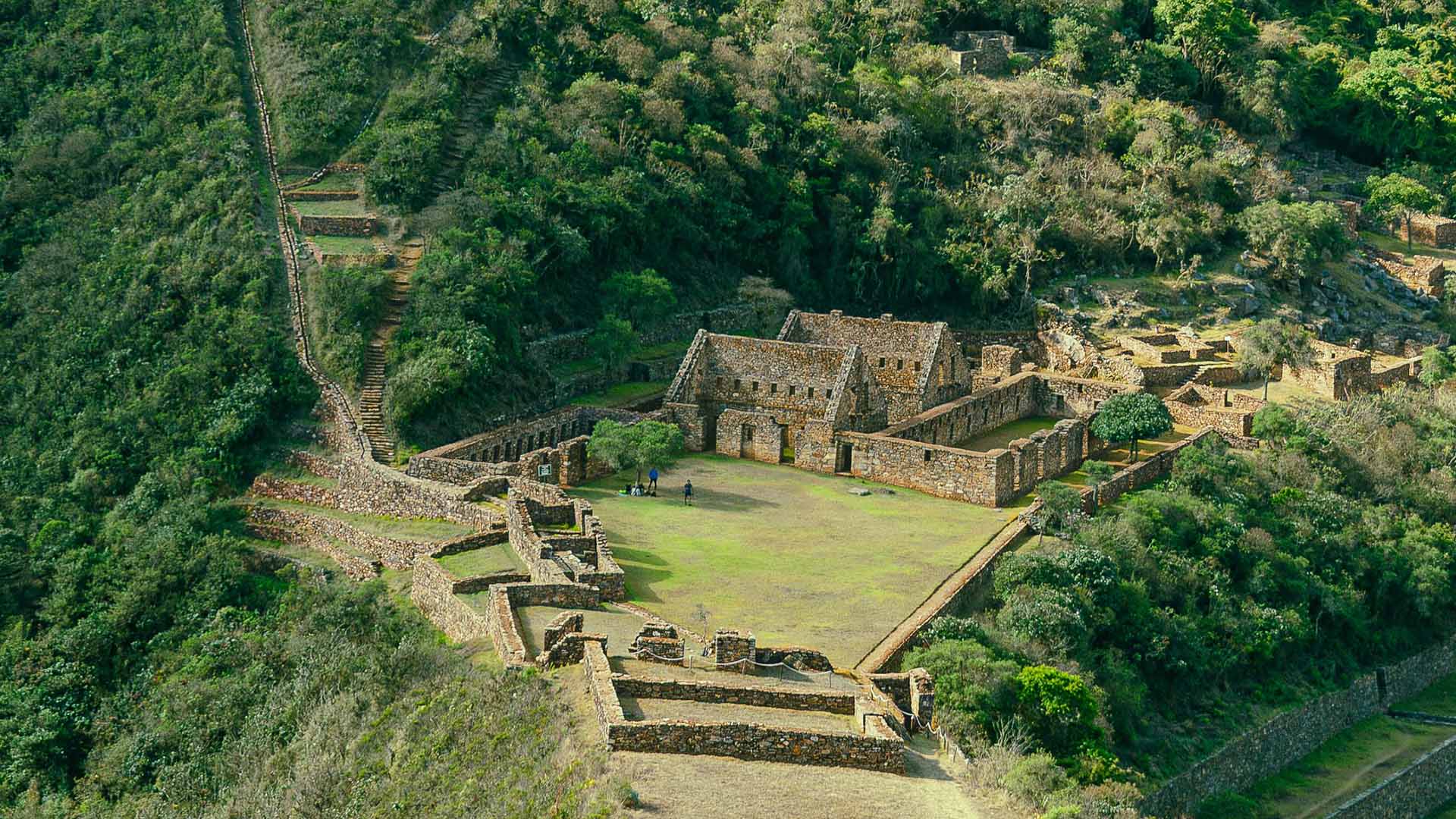
The Choquequirao route is one of the great challenges for every trekking lover. This route requires good physical condition to complete the entire journey.
Along the way, you will visit the Inca citadel of Choquequirao, considered the younger sister of Machu Picchu because of its architectural similarities, and you will finish the route by visiting Machu Picchu.
General information:
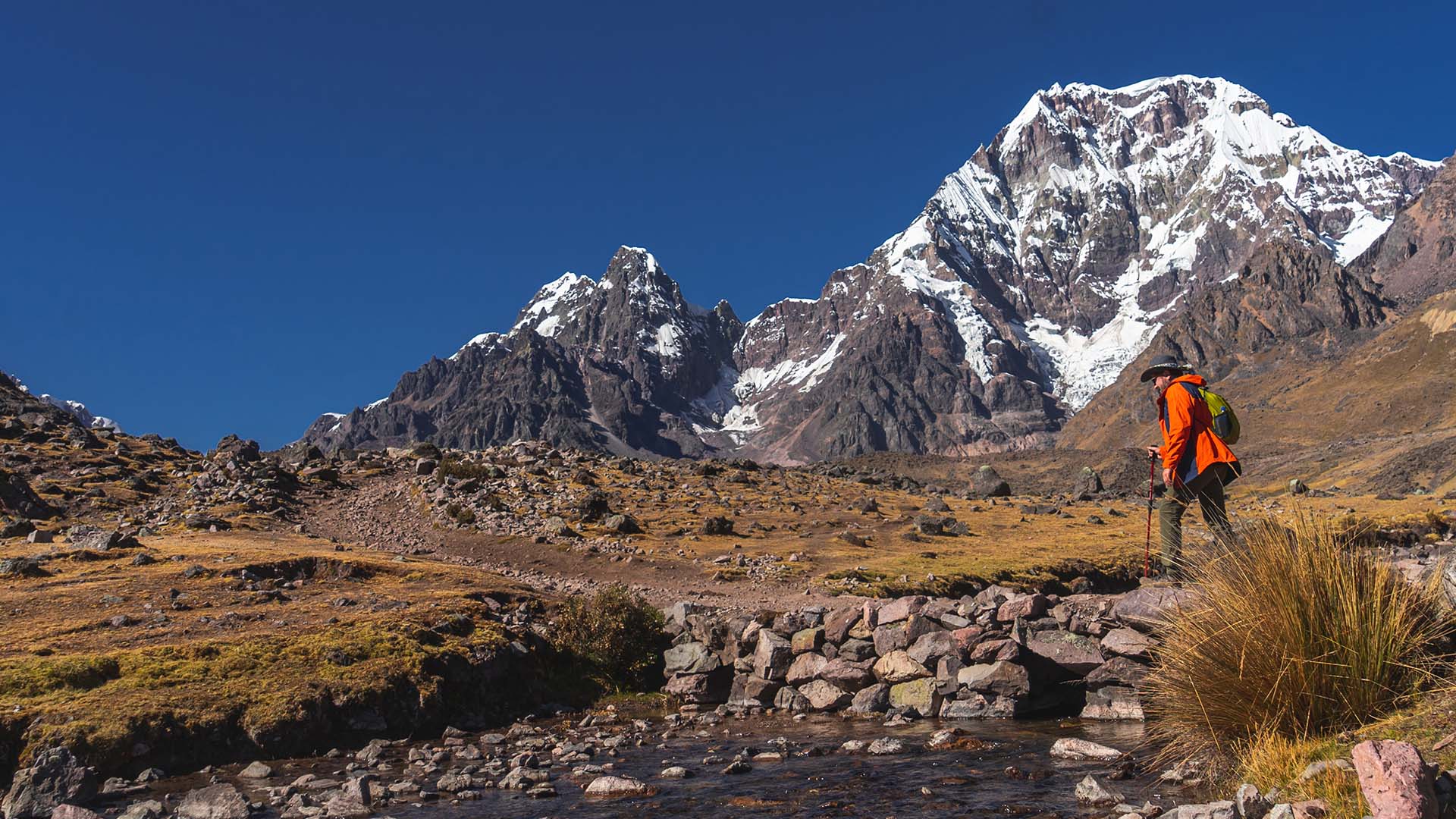
The Ausangate Trek is a circular route that surrounds the snow-capped Ausangate mountain. Although it is not as popular as the Inca Trail, this means there are fewer tourists along the route, allowing you to enjoy a quieter experience.
Throughout the route, you will be surrounded by lakes, snow-capped peaks, and glaciers, including the main attraction: Ausangate mountain. Previous acclimatization is necessary because the route is located above 4,000 meters above sea level.
General information:
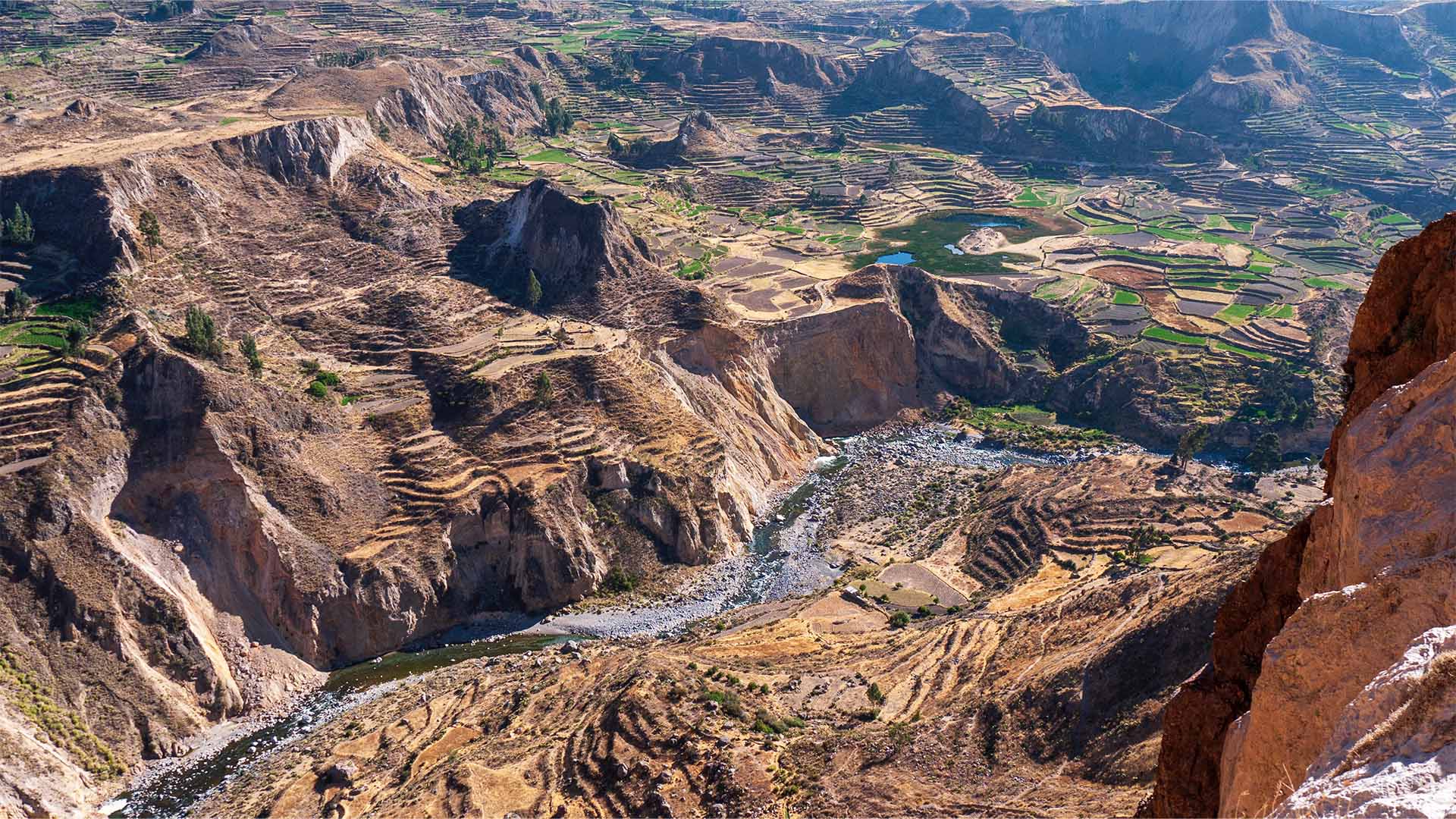
The hike through Colca Canyon, one of the deepest canyons in the world, is an experience where you can visit villages and take memorable photographs. You will visit places such as the Salinas and Aguada Blanca National Reserve, where you can observe vicuñas and other camelids.
With some luck, you may see the flight of the condor over the canyon, one of its main attractions. Along the way, you will also have the opportunity to visit the Chacapi hot springs in Yanque.
General information:
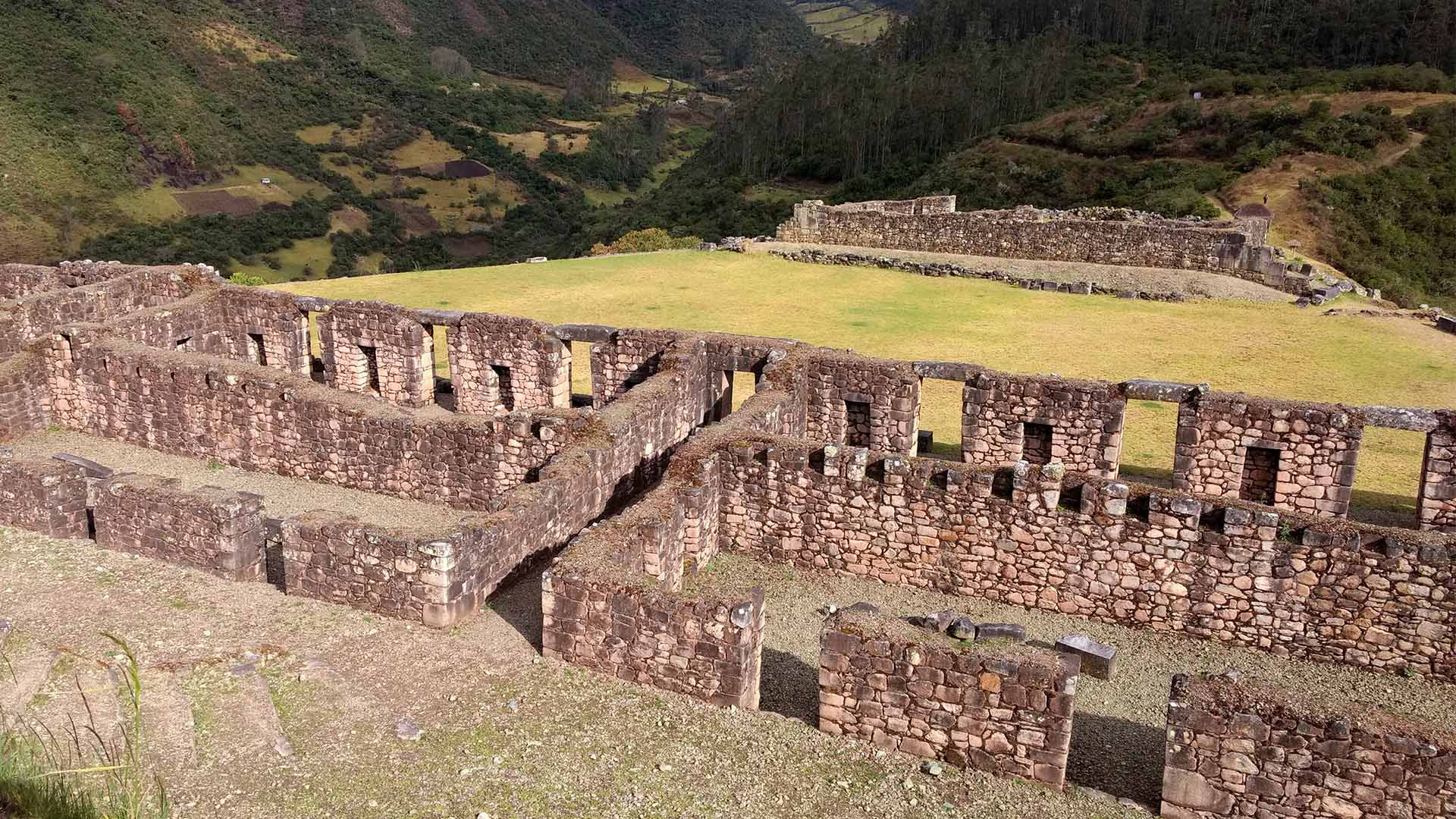
The Vilcabamba Trek is a little-known hiking route, which gives it an even wilder feel, as its surroundings have not been heavily affected. The entire trail is surrounded by nature, and you can camp beneath snow-capped mountains.
You can also visit archaeological sites that can only be reached through this hike. With a bit of luck, you may even see the flight of the condor along the route.
This trail is much more challenging than the Inca Trail to Machu Picchu, making it one of the favorites among adventurous hikers.
The only way to do this hike is with a tour operator, as its difficulty requires constant support and the necessary logistics for camping.
General information:
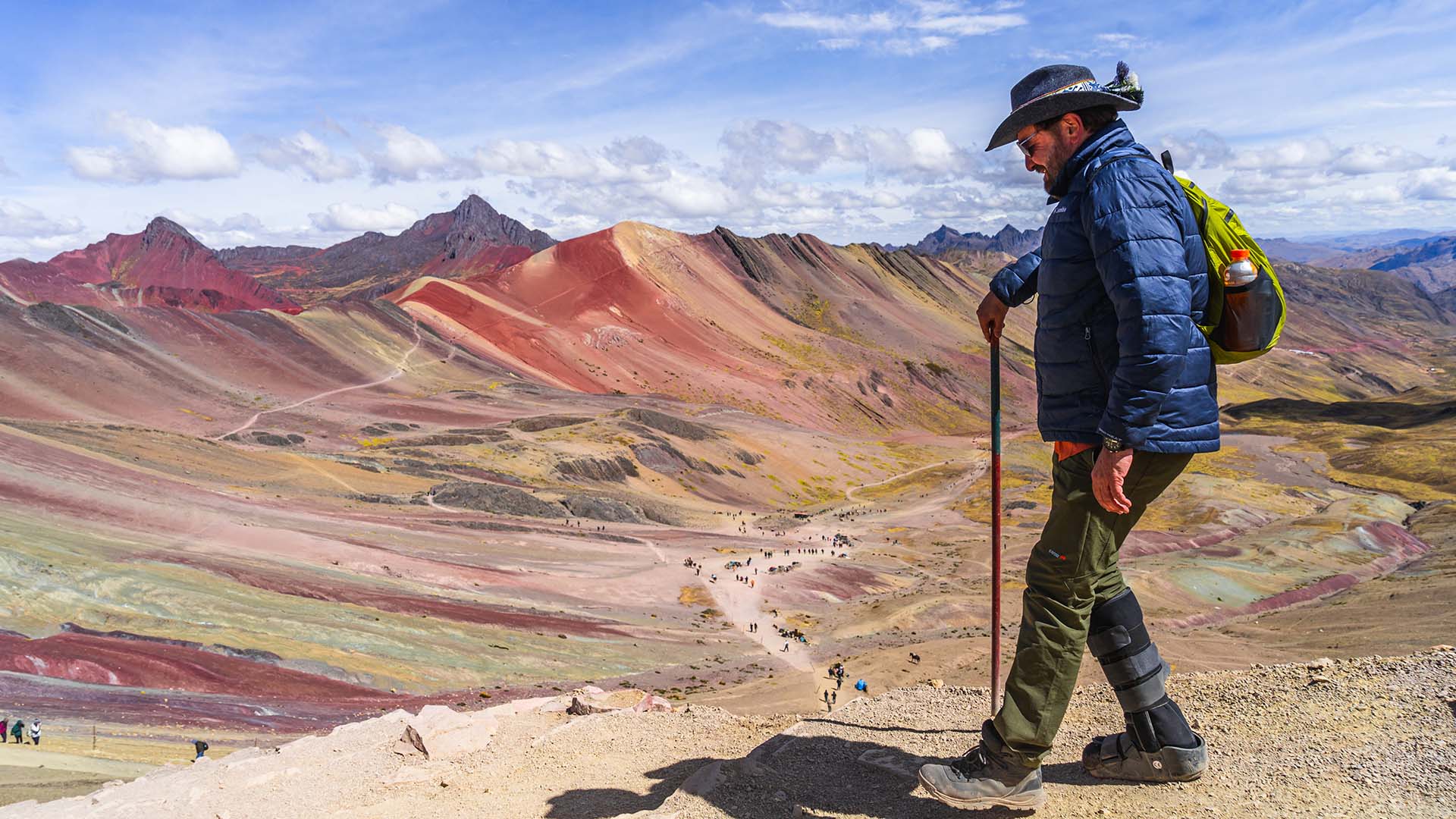
The popular Rainbow Mountain, also known as Vinicunca, is located 140 km from the city of Cusco. However, the hike only begins at the base checkpoint of the Chillihuani community. From there, you walk for approximately 1 hour and 40 minutes until reaching the mountain. Upon arrival, you will enjoy a spectacular view and can take the classic photo of Rainbow Mountain. The Rainbow Mountain Tour from Cusco is one of the most requested experiences for those who want to discover this Andean landscape.
General information:
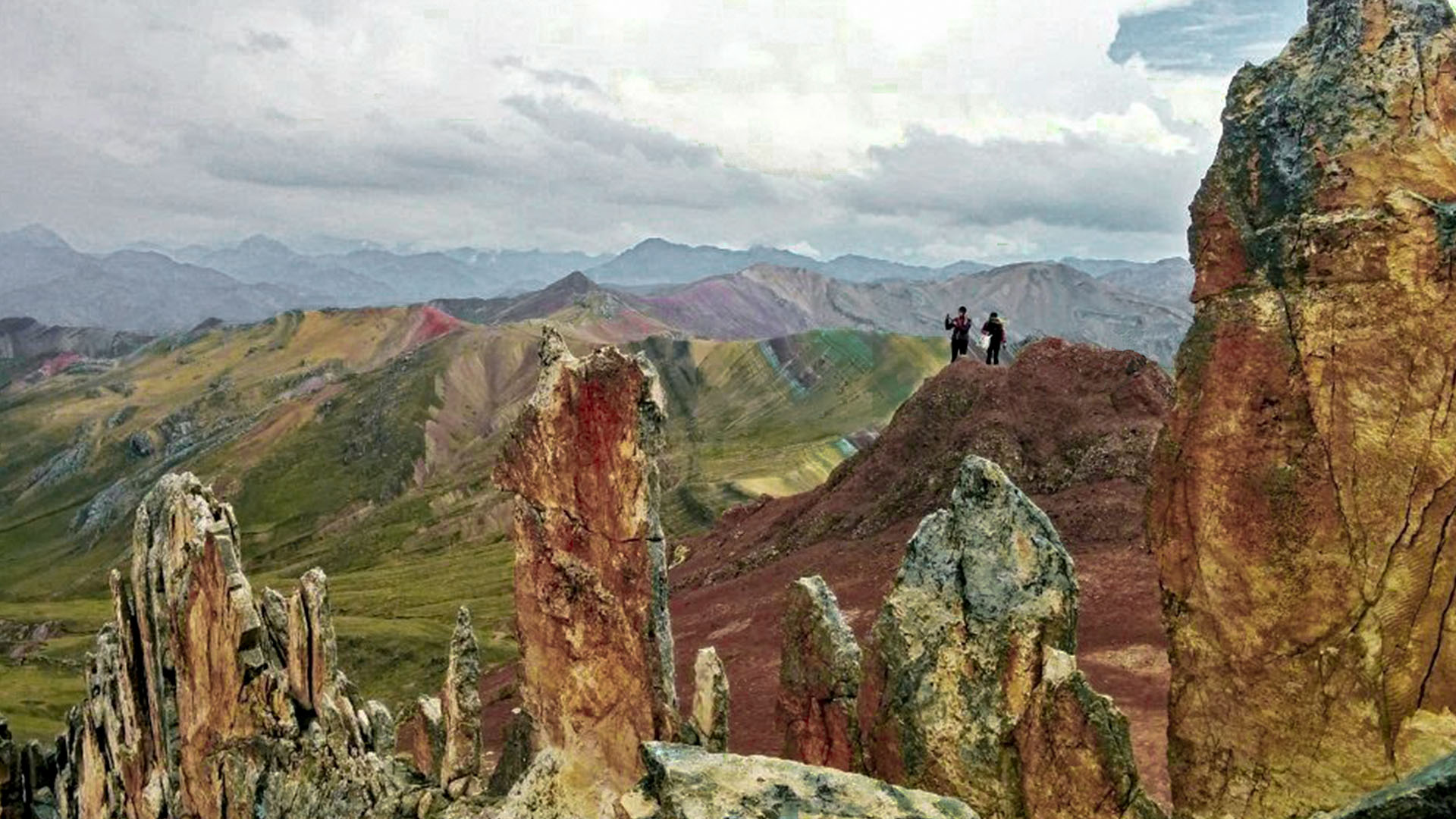
Palcoyo is an alternative route to Rainbow Mountain. This route is less traveled than the hike to Vinicunca Mountain. From the city of Cusco, you travel by car to the Palcoyo mountain range, which takes approximately 3 to 4 hours, passing by the historic colonial bridge of Checacupe. Upon arriving in the town of Palcoyo, you begin an approximately 1-hour hike. You will reach an approximate altitude of 4,900 meters above sea level and be surrounded by mountain ranges. Those who take the Palcoyo Tour can climb to the Stone Forest, from where there is a panoramic view of the valley.
General information:
The Inca Trail to Machu Picchu is considered one of the best hikes in the world. It is an adventure for anyone who wants to immerse themselves in the nature and history of the Incas.
It has a surprising geography that allows you to experience a great diversity of climates along the way. It is also one of the routes that allows you to visit archaeological sites such as Wiñayhuayna.
General information:
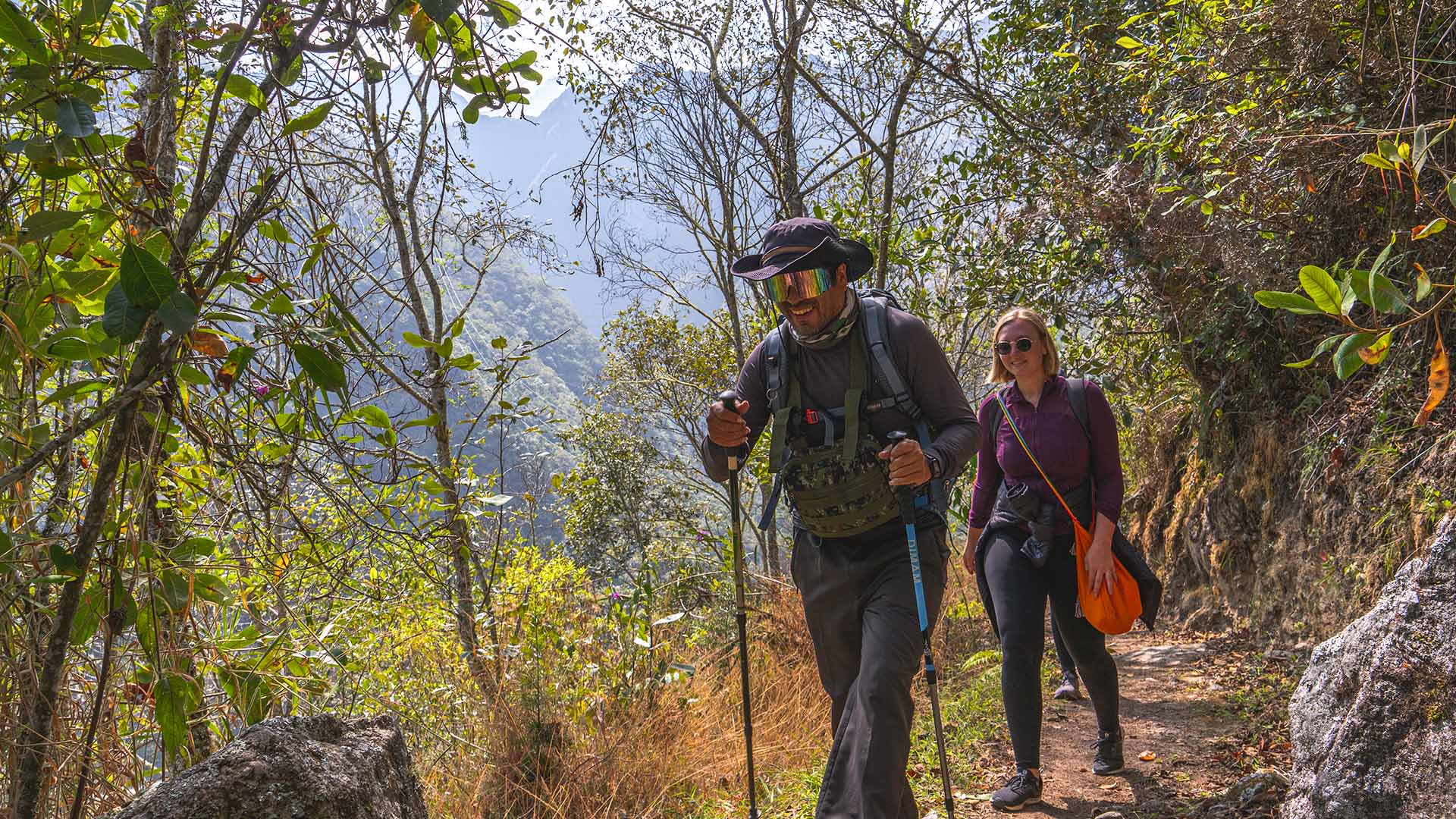

One of the best options when you cannot find availability for the 4-day Inca Trail is to take the shorter route, which lasts only 2 days, since on both routes you will be able to visit the archaeological site of Wiñay Huayna.
| Traditional Inca Trail | Short Inca Trail | |
|---|---|---|
| Duration | 4 days | 2 days |
| Distance | 48 km | 52 km |
| Maximum altitude | 4,215 m | 4,650 m |
| Minimum altitude | 2,160 m | 2,160 m |
You will begin the hike early in the morning, when you will be picked up from your hotel in Cusco and taken to the Ollantaytambo train station, where you will travel to Km 104 to begin the Short Inca Trail. First, you will visit the Phuyu Wachi waterfall and, after approximately 4 hours of hiking, you will arrive at Wiñay Huayna to explore its terraces and agricultural platforms. Then, you will continue to Intipunku, where you will enjoy a panoramic view of Machu Picchu before descending to the citadel to capture the classic postcard photo. Once the Inca Trail route is completed, you will spend the night in Aguas Calientes.
On this day, you will visit the Historic Sanctuary of Machu Picchu again, but you will not get the classic postcard photo, because this will be the moment to visit the interior of the Inca citadel. After the visit, you will begin your train journey to Ollantaytambo, where you will wait for transportation to Cusco and finally be taken to your hotel.

Another popular alternative to the Inca Trail is the Salkantay trek, considered one of the TOP 20 best hikes in the world. This trail is also part of the Qhapaq Ñan, the road network that connected the entire Tahuantinsuyo. Throughout the route, you will be surrounded by breathtaking scenery, where you can connect with nature, see snow-covered mountains, and reach the high jungle for the chance to visit Machu Picchu.
Here we present the main differences between both hikes:
| Inca Trail | Salkantay Trek | |
|---|---|---|
| Duration | 4 days | 4 days |
| Distance | 48 km | 52 km |
| Maximum altitude | 4,215 m | 4,650 m |
| Minimum altitude | 2,160 m | 2,160 m |
Your day will begin with pickup from your hotel for a 4-hour journey to Challacancha, with a stop in Mollepata. From Challacancha, where the support team is organized, you will begin a 3-hour hike to Soraypampa, which will be your first campsite. After lunch, you will visit Lake Humantay and return to the campsite to rest.
After breakfast, you will begin a 7 km hike toward the Salkantay Pass, followed by a descent to Huayracmachay for lunch. In the afternoon, you will hike 10 km through the jungle to Chaullay Village, which will be your base campsite on the way to Machu Picchu.
You will begin the hike toward the town of La Playa through the Santa Teresa Valley, passing through Colpapampa, where you will observe waterfalls, birds, hot springs, and diverse flora and fauna. After lunch in La Playa, you will continue to the campsite in Lucmabamba, where you will spend the night.
You will begin with a 2-hour ascent to Llactapata Inca, facing Machu Picchu, while admiring the Santa Teresa Valley. You will explore the ruins and descend for 2 hours to the Hydroelectric Station for lunch. You will visit Intiwatana and continue toward Aguas Calientes along the railway tracks.
On this day, you will explore Machu Picchu with a 2-hour guided tour, observing temples and terraces. You will also have additional options, including climbing Huayna Picchu or Machu Picchu Mountain, walking to the Sun Gate, or visiting the Inca Bridge, where you will enjoy the city for more than 7 hours.

If you want something more than just hiking, this tour is for you. Here, not only will you trek, but you will also enjoy a bike ride through the entire jungle area of Cusco until you reach Machu Picchu.
Here we present the main differences between both routes:
| Inca Trail | Biking to Machu Picchu | |
|---|---|---|
| Duration | 4 days | 4 days |
| Distance | 48 km | 55.5 km |
| Maximum altitude | 4,215 m | 4,450 m |
| Minimum altitude | 2,160 m | 2,950 m |
Your day will begin around 5:00 a.m., when you will be picked up from your hotel in Cusco and travel for 2 hours by car, passing through Ollantaytambo toward Abra de Yanamayo. At 10:00 a.m., you will descend 32 km by bicycle to Ocobamba. Finally, you will be transferred to Quillabamba to spend the night.
At 8:30 a.m., you will depart from Quillabamba toward Abra de Santa Rosa. You will travel by car for approximately 1 hour. From there, you will descend 15 km through jungle trails to Santa Teresa. Once settled in, you will head to the Cocalmayo hot springs, ending the day around 8:00 p.m.
You will travel by car to the Hydroelectric Station in approximately 45 minutes, which will be your starting point for the walk to Aguas Calientes. The hike will last around 2 hours and 45 minutes, as it will depend on your physical condition. To end your day, you will visit the Mandor waterfalls and have the afternoon free in Aguas Calientes.
After breakfast, you will be picked up at 6:00 a.m. in Aguas Calientes to go up by car to Machu Picchu. You will enjoy a 2-hour guided tour, and at midday you will descend to Aguas Calientes to return by train to Ollantaytambo, where you will finally be taken to your hotel in Cusco at approximately 6:30 p.m.

It is one of the best alternatives if you want to do one of these treks, since certified travel agencies have all the permits required to operate these routes. This guarantees you a well-planned trip with an itinerary that will help you not miss anything. In addition, it ensures assistance and support throughout the entire journey, so you can fully enjoy the whole experience.
At CuscoPeru.com, we offer travel packages that combine adventure with history, where you will always be accompanied by an experienced and highly knowledgeable guide who will help answer all your questions about the places you visit. Something important you should know is that our travel agency has all the logistics needed so you can enjoy any of these treks safely and without worries.


Happy passengers