
Cusco’s gastronomy offers you a variety of flavors that are part of the history and culture of the region.
The exquisite and varied cuisine of Cusco is characterized not only by its flavor and the combination of Andean products from the region, but also by being one of the most representative expressions of southern Andean culture in Peru, and Chiri Uchu is undoubtedly the most outstanding dish of Cusco.
However, for us Cusqueños, gastronomy goes beyond this emblematic dish. There are many other dishes and foods that taste like tradition and family to us, offered by numerous traditional restaurants located in different parts of the city and prepared by Cusqueños.
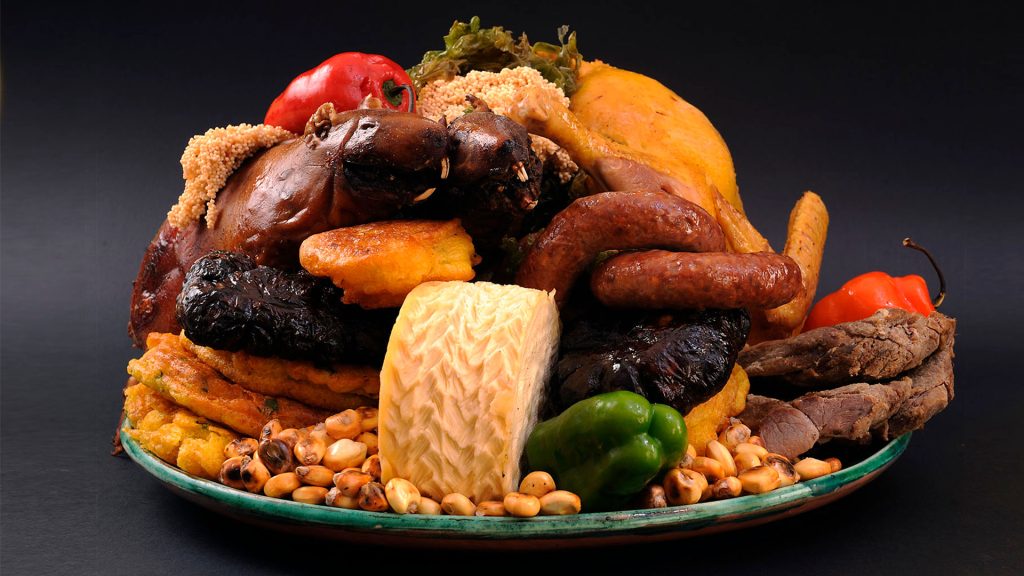
Table of Contents
When a visitor asks about Cusco’s traditional food, the answer is always the same: “try Chiri Uchu”; and there is no need to wonder why, since this dish is known for being a delicious combination of flavors.
It is called "Chiri Uchu" in Quechua, which in Spanish means "cold chili pepper." This name is due to the fact that the ingredients of the dish are served cold, which makes it special in Cusco’s gastronomy.
A traditional dish especially enjoyed on important dates, adobo comes from colonial heritage and local tradition, and over time it became a tradition among locals. Cusqueños consider it an energizing meal.
Adobo contains pork marinated in chicha de jora, with rocoto, herbs, and its traditional pan huaro. To achieve the stew, it is cooked slowly until it develops a thick, reddish broth.
This dish is characterized by being spicy, and some locals use it to recover after a celebration, popularly considered a “hangover cure.”
It is a traditional food with roots in the pre-Inca history of the Andes and is currently a representative dish of the imperial city. Roasted guinea pig is made with a guinea pig seasoned with huacatay, salt, garlic, and traditional spices. Then it is baked until it reaches a crispy golden finish.
Guinea pig is served with baked or boiled potatoes and salad, although there are variations in the side dishes. It is a dish served in picanterías, family celebrations, or important events.
It is one of the ancient dishes of Cusco, with pre-Columbian roots, created by Cusqueño farmers who needed a hearty meal for long days working in the fields.
It is characterized by having a thick broth with abundant ingredients, combining lamb or beef, charqui (dried meat), chuño and moraya (dehydrated potatoes made using an ancient Andean method), fresh potatoes, broad beans, peas, carrots, wheat hominy, mint, oregano, parsley, and cumin.
It provides warmth, energy, and immediate fullness, and is considered a remedy for altitude sickness because of its comforting nature.
A traditional dish highly valued by Cusqueños and little known by travelers, although its preparation varies, it consists of fresh turnips slowly cooked together with sangrecita, well-cooked mote, potatoes, and sometimes lamb or mutton.
You can find nabo jaucha in the central San Pedro Market and traditional picanterías; it is very nutritious and is valued for helping fight anemia due to its iron content.
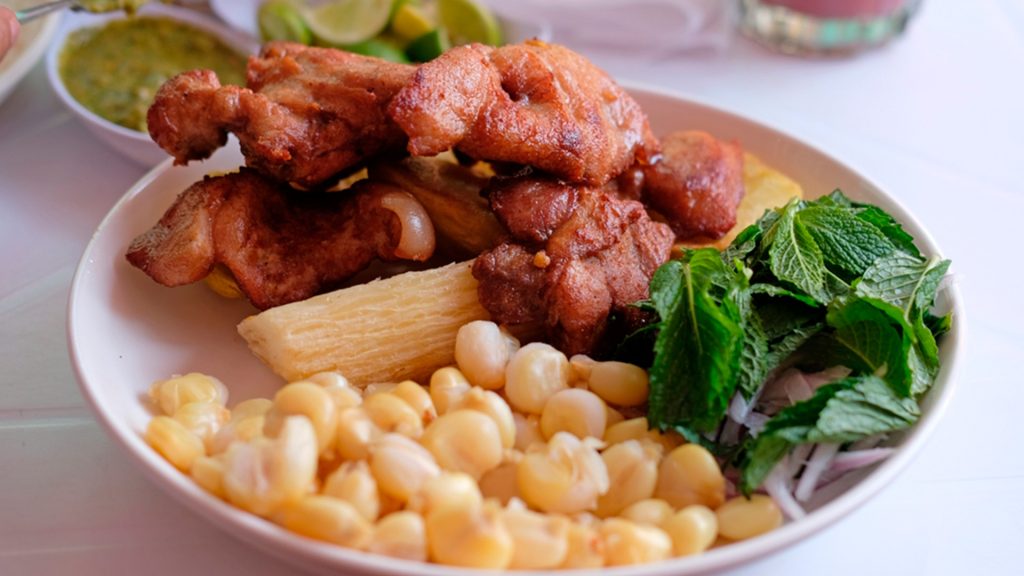
Any day, especially on weekends, about an hour by car from the historic center, you can visit the district of Saylla, known for its many local food restaurants, especially for its famous pork chicharrones.
It is one of the places where families and friends come to enjoy an exquisite lunch. Upon arrival, on both sides of the highway, you can see signs advertising hot chicharrones, ready to be tasted; places to choose from, with large green areas and recreational spaces that make you forget the city routine for a moment.
Saylla chicharrón is known for its irresistible flavor and simple preparation.
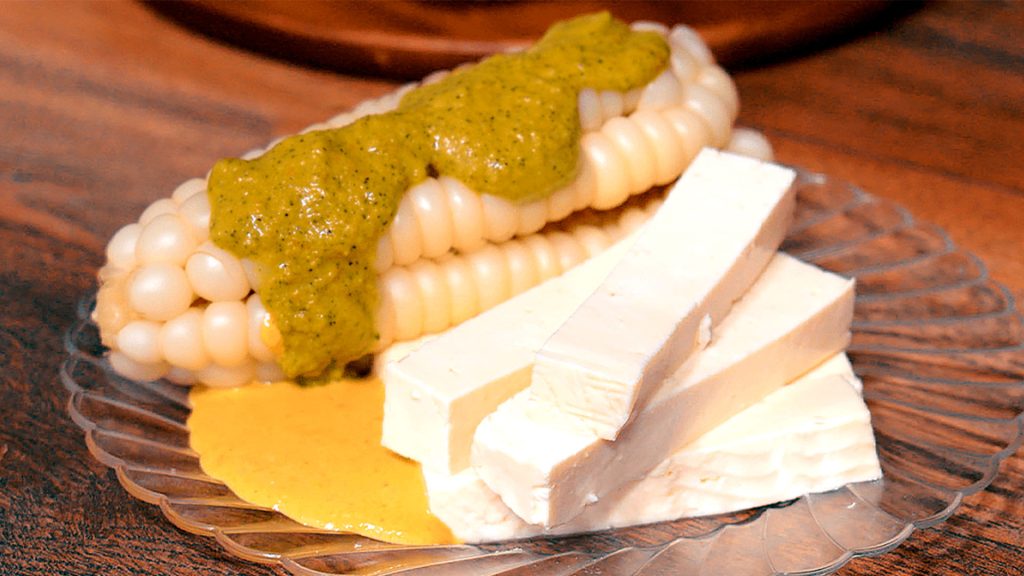
If you visit the Sacred Valley of the Incas, do not forget to try the delicious Cusco-style corn with cheese. An Andean dish that combines tender corn and fresh cheese, it is cooked by the women who work the fields in large pots by the roadside. The corn is served with the well-known “uchucuta,” a spicy sauce made with rocoto, yellow chili pepper, huacatay, peanuts, fresh cheese, and milk.
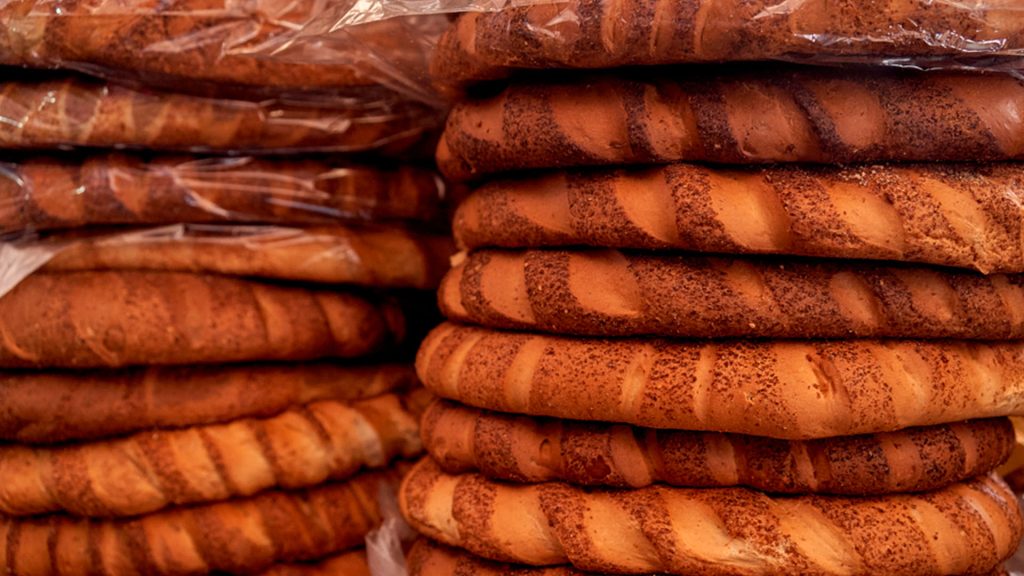
“Pan chuta” is a type of bread from the district of Oropesa, located just a few minutes from Cusco. For Cusqueños who live away from Cusco, one of the things they miss the most and that fills them with nostalgia is Oropesa bread, or ‘Chuta’.
Not every city in the world offers the luxury of enjoying bread made with regional ingredients, a pleasant flavor, and artisan baking. You can find it at San Pedro Market or in Oropesa. This type of bread is a must-try.
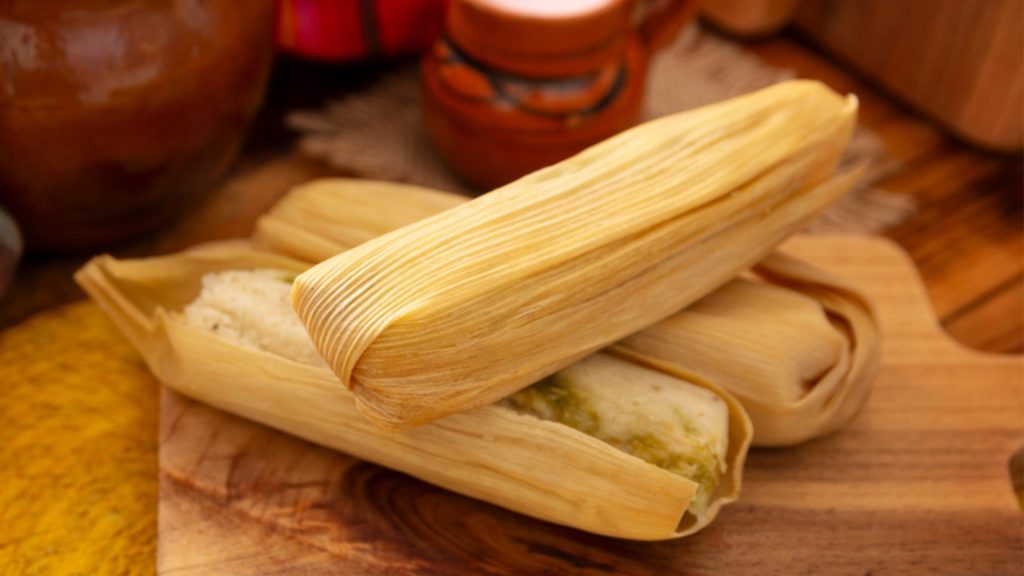
Do not confuse them with Creole tamales; although they are made on the coast, in the highlands, and in the jungle, each preparation is different and uses ingredients specific to the region.
The Cusco tamal can be either sweet or savory, and it is made with fresh white corn from the Sacred Valley of the Incas, along with other traditional ingredients from the region.
An ancient drink with pre-Inca roots that was and still is used as a ceremonial offering to Pachamama. During the Inca Empire, chicha played a role in ceremonial and social events such as Inti Raymi.
Chicha de jora is a fermented drink. Its preparation is artisanal and can take several days. It contains germinated yellow corn that is boiled for several hours; then the liquid is strained and left to ferment for 3 to 4 days. To know if it is properly fermented, the drink should have foam on top when served.
Haba bean punch is a traditional drink prepared during religious folk festivals, such as Cruz Velacuy, an event that pays tribute to all the crosses in the city of Cusco. It is a drink valued for its energizing properties and for the warmth it provides during festivities and cold seasons.
This is the most emblematic market, visited by travelers and locals alike, where you will find aisles full of souvenirs, textiles, handicrafts, traditional food stalls, and fresh juices.
San Blas is known as the artisans’ neighborhood, and its small market is no exception. In the surrounding area, you will find art galleries, artisan workshops, and, of course, stalls selling traditional Cusco dishes.
It is a modest market compared to others, with a relaxed atmosphere where you can enjoy a coffee or a snack while admiring the works of local artists.

Happy passengers