

Table of Contents
El Museo Municipal de Arte Contemporáneo del Cusco fue fundado en 1995, durante la gestión del alcalde Daniel Estrada Pérez. Su creación fue posible gracias al impulso de la Municipalidad Provincial del Cusco y a la donación inicial de alrededor de cien obras realizada por el coleccionista Luis Rivera Dávalos
Desde su apretura, el museo se ha consolidado como un espacio dedicado a la difusión del arte contemporáneo en l ciudad. Su colección reúne obras de artistas locales, nacionales e internacionales, y permite observar distintas expresiones artísticas desarrolladas entre los siglos XX y XXI.
A lo largo de los años, el museo ha ampliado su colección hasta reunir más de 280 obras. Entre sus piezas más destacadas se encuentra el óleo "Río Vilcanota", de la artista cusqueña Remigia Mendoza, fechado en 1897.
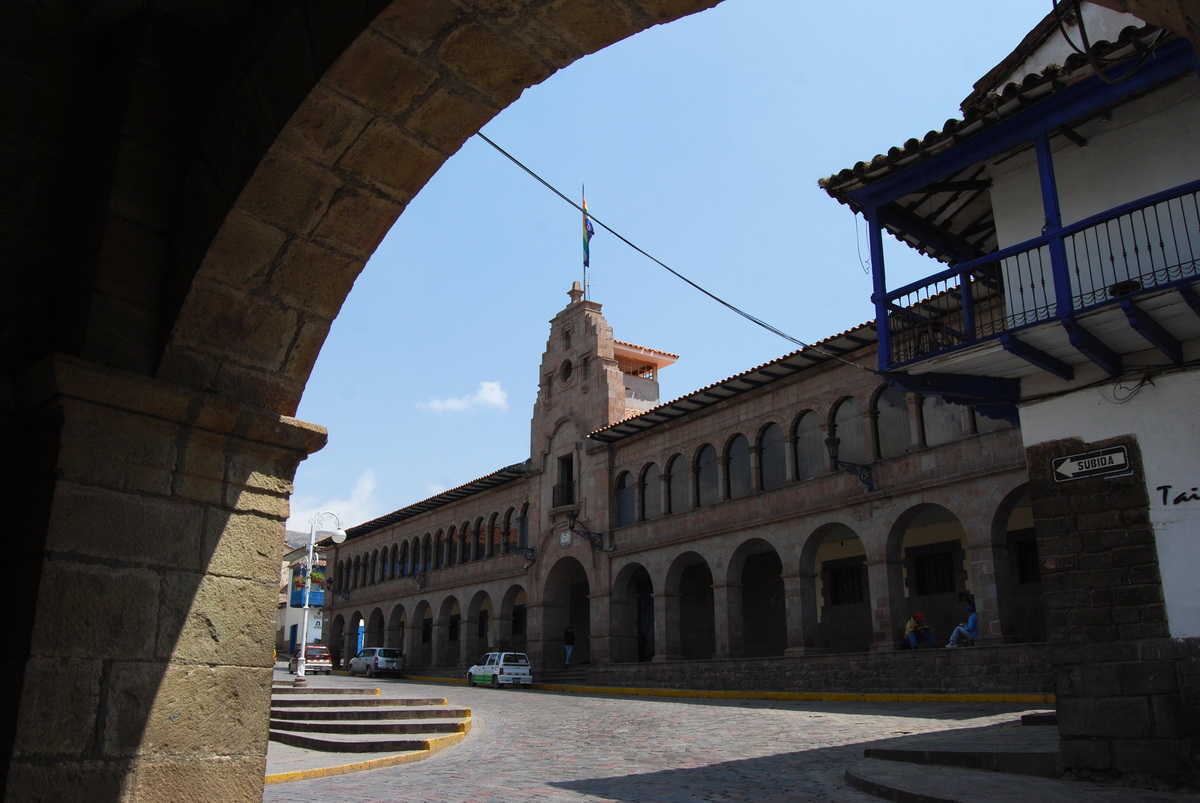
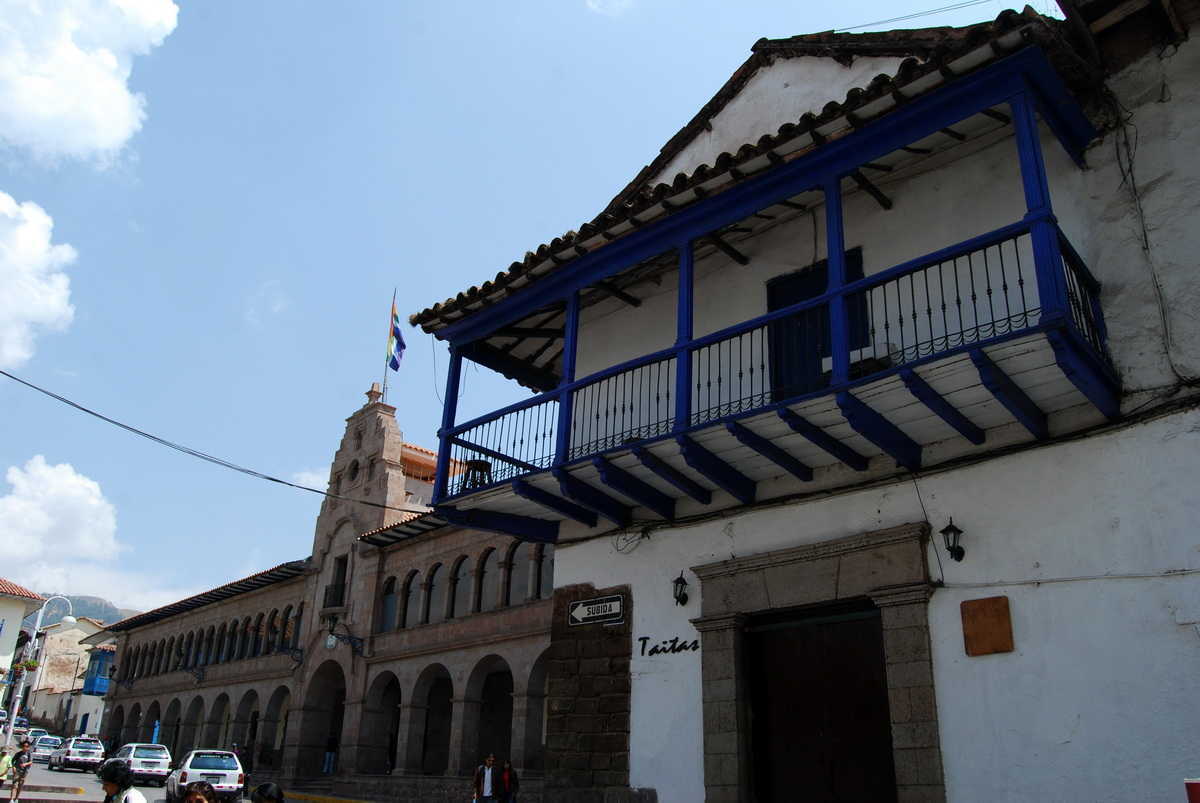
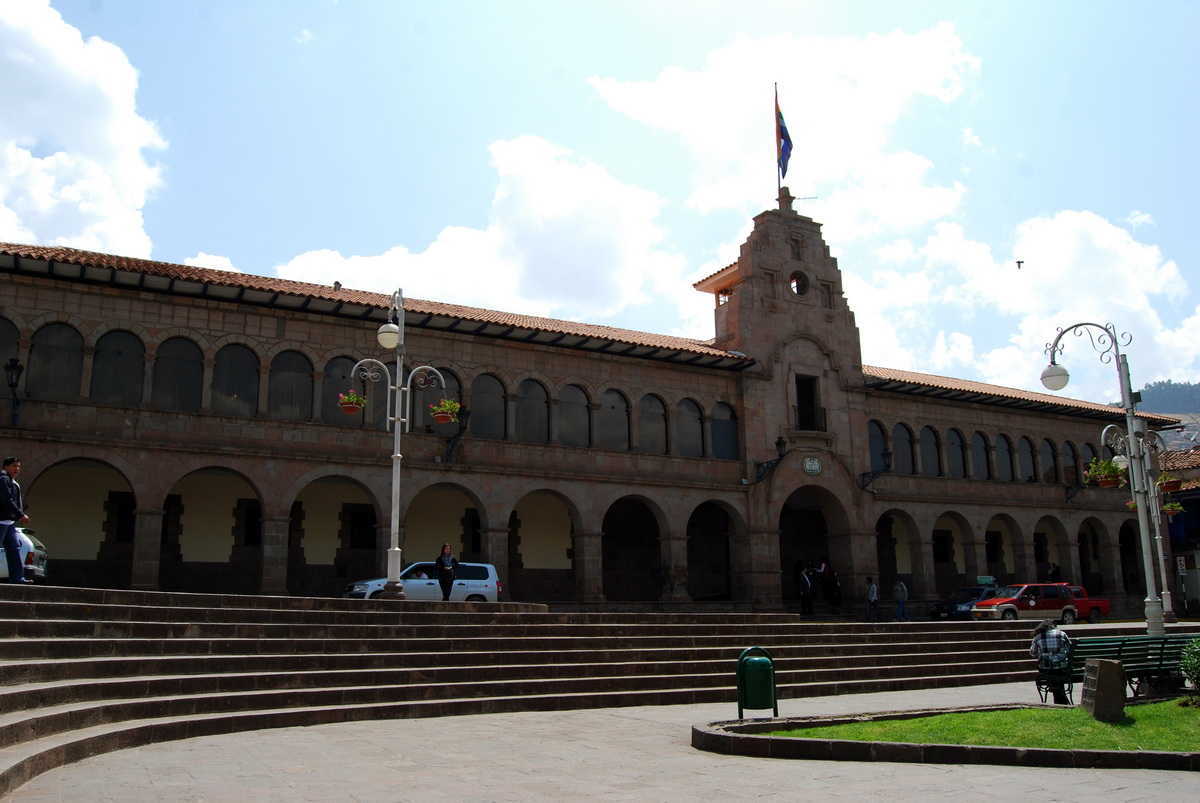
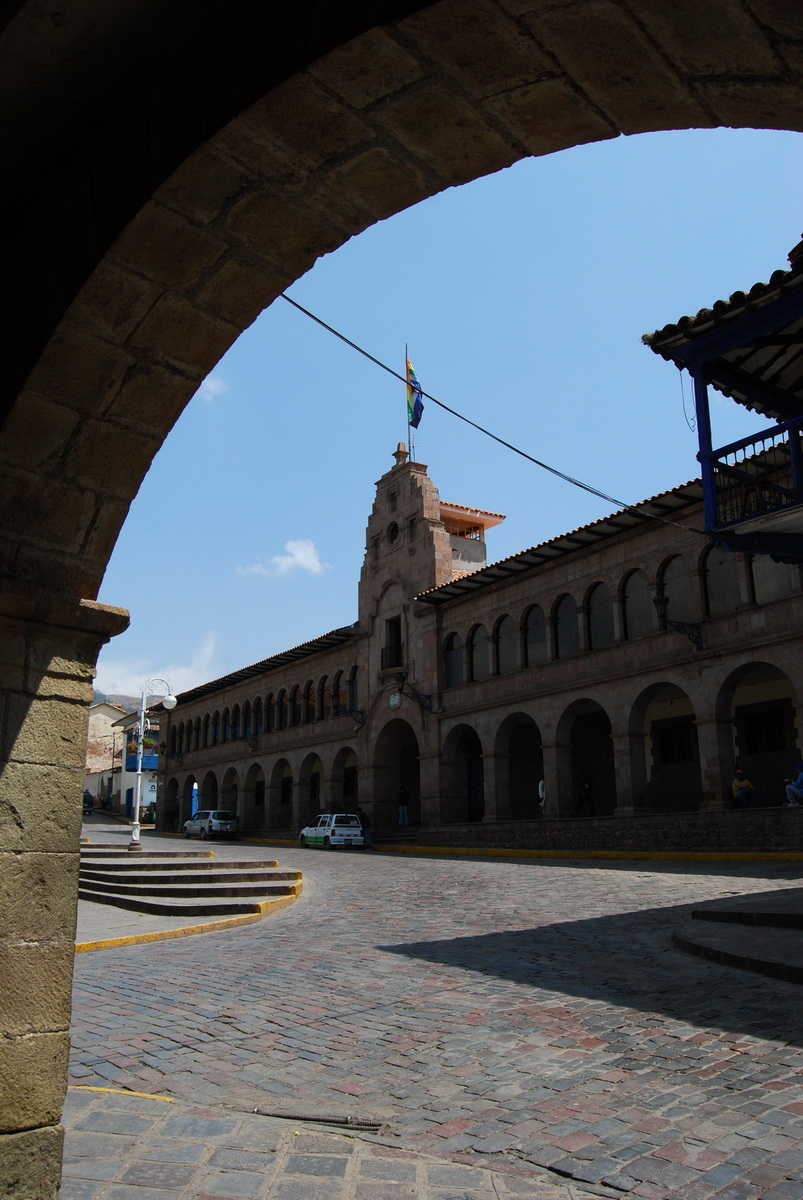
El Museo Municipal de Arte Contemporáneo funciona en ambientes del Palacio Municipal del Cusco, ubicado en la Plaza Regocijo, en pleno Centro Histórico. Su colección incluye pinturas, esculturas, textiles, cerámica y otras expresiones artísticas vinculadas al arte contemporáneo cusqueño, peruano e internacional.
El museo cuenta con salas de exposición permanente y espacios destinados a muestras temporales individuales y colectivas. También se mencionan ambientes vinculados a la Capilla de San Bernardo y al patio principal de la Municipalidad, donde se presentan exposiciones de artesanía y obras de artistas contemporáneos.

EL Museo Municipal de Arte Contemporáneo se encuentra a una altitud de 3 400 m.s.n.m. Desde este punto, los visitantes pueden disfrutar de una vista panorámica, un lugar donde el pasado incaico se fusiona con la vida moderna.
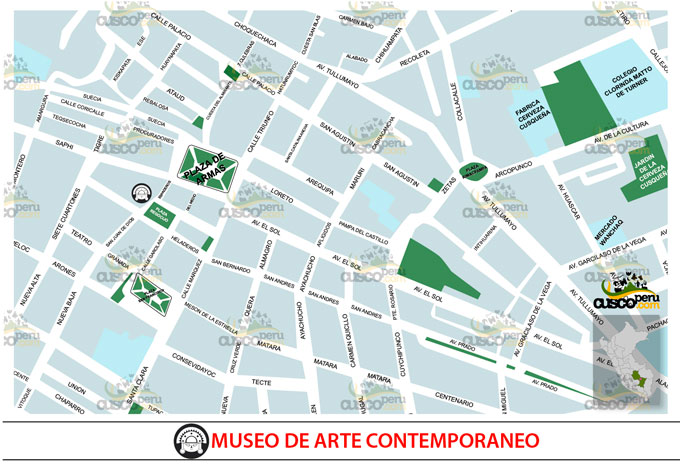
El museo cuenta con salas dedicadas a exposiciones temporales y permanentes. En ellas se presentan obras de artistas locales, nacionales y extranjeros, con especial presencia de pintura, escultura, textiles y otras expresiones plásticas contemporáneas.
Sala 1: ubicada en el primer piso, suele estar destinada a exposiciones temporales de artistas nacionales y extranjeros.
Sala 2: también ubicada en el primer piso, presenta muestras individuales y colectivas de arte contemporáneo.
Sala 3: reúne obras de artistas clásicos y contemporáneos. Entre las piezas más representativas se encuentra "Río Vilcanota", de Remigia Mendoza. También destacan obras de artistas cusqueños como Edilberto Mérida, Antonio Olave e Hilario Mendívil.
El museo está abierto todos los días de la semana lunes a sábado de 9:00 a.m. a 6:30 p.m.

Pasajeros felices